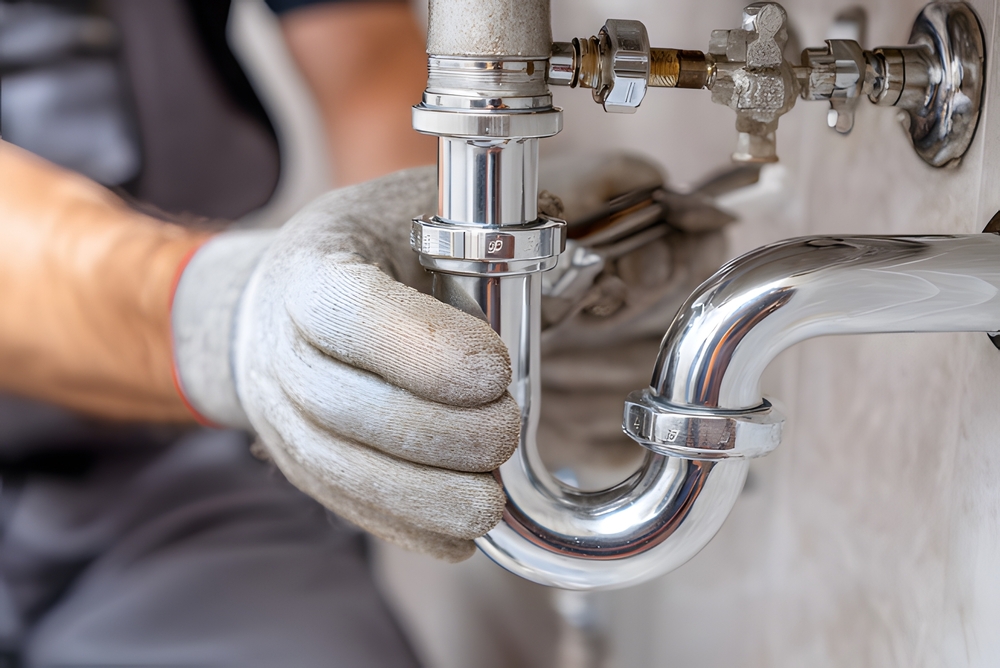
Spring is a season of renewal, growth, and warmer weather. As flowers bloom and the snow melts, homeowners often turn their attention to cleaning and home maintenance. However, spring also brings a unique set of challenges to your plumbing system. The shift in temperature, increased rainfall, and natural ground movement can all affect your pipes, drains, and outdoor plumbing. Understanding what spring brings to your plumbing can help you prepare, prevent costly repairs, and keep your system running smoothly.
Sump Pump Activation and the Risk of Flooding
One of the most immediate concerns in spring is sump pump activation. With heavy spring rains, your basement may be at risk of flooding if your sump pump is not working correctly. The ground becomes saturated as snow melts and rain falls frequently, and that excess water needs a place to go. For homes with basements, sump pumps serve as the last line of defense against water intrusion.
Testing your sump pump early in the season is crucial. Simply pouring a bucket of water into the pit and making sure the pump activates can help you determine whether it is functioning properly. If the pump fails to start or is slow to remove water, that is a strong sign it may need cleaning, repairs, or even replacement. Since it is the most critical component to test during the spring season, overlooking your sump pump could result in extensive water damage and mold growth in your basement.
Pipe Expansion and Hidden Leaks
As the ground begins to thaw and temperatures rise, pipe expansion becomes another pressing concern. During winter, pipes often contract in the cold, especially those located underground or near external walls. When spring arrives, the warming temperatures cause these pipes to expand. This process of contraction and expansion can stress pipe joints and seals, which may already be weakened from the freeze-thaw cycle of winter.
The result can be newly formed leaks that were not evident during the colder months. These leaks might appear in hidden areas like crawl spaces, basements, or behind walls, making them hard to detect immediately. Homeowners should monitor their water bills closely in spring. A sudden spike in usage may indicate a leak somewhere in the system. Additionally, any signs of moisture, musty odors, or mildew indoors should be investigated, as they might stem from stressed plumbing connections.
Drain Clogging from Spring Cleaning and Runoff
Spring cleaning is not just about dusting and decluttering. It often involves washing winter grime, salt, and grit off vehicles, driveways, and even indoor floors. All this debris finds its way into your home’s drains, and if not handled carefully, it can lead to drain clogging. Floor drains, in particular, may become overwhelmed or blocked if too much sand or residue enters the system.
This kind of buildup can reduce water flow, cause slow drains, and even result in backflow if left unaddressed. Sink and shower drains also suffer during spring, especially when homeowners clean out garages and basements, sending large volumes of water and particles down the pipes. Taking the time to install drain screens and conducting a quick inspection of floor drains can help prevent larger problems. It is also wise to schedule a professional drain cleaning if you suspect persistent clogging issues.
Root Intrusion and Sewer Line Damage
Trees and plants come to life in the spring, sending out new roots in search of moisture and nutrients. While this growth is a welcome sign of the season, it can wreak havoc on your underground plumbing. Root intrusion becomes a serious concern during this time, as aggressive roots may seek out even the tiniest cracks or joints in your sewer lines.
Once inside the pipe, these roots can expand and create blockages, slowing down drainage or causing total backups. In severe cases, they can even lead to pipe collapse. Homeowners with older clay or cast iron sewer lines are especially vulnerable, as these materials are more likely to have gaps or imperfections. Warning signs include slow drains in multiple areas of the house, gurgling toilets, or unpleasant odors coming from the yard. A camera inspection from a plumbing professional can identify root intrusion early, helping avoid costly excavation later.
Outdoor Spigot Stress and Frozen Pipe Damage
When temperatures dip below freezing during winter, water left in outdoor faucets or hose bibbs can freeze, expand, and crack the pipes. However, this damage often goes unnoticed until spring, when homeowners turn the spigots back on for gardening, washing cars, or outdoor chores. This is where outdoor spigot stress becomes a hidden issue.
The first time you use your outdoor faucet in the spring, watch carefully for signs of leaks inside the wall or along the pipe leading to the spigot. Even a small crack can result in water damage behind siding or in the basement. It is good practice to inspect the faucet before and after use. If you see water dripping or pooling near the foundation, turn it off immediately and have a plumber evaluate the damage. Installing frost-free hose bibbs can also help prevent this problem in future seasons.
Increased Water Pressure and Municipal Effects
Another unexpected effect of spring is increased water pressure. As rainfall becomes more frequent and the soil becomes saturated, it can influence the performance of water mains and local plumbing infrastructure. In some cases, this may affect the water pressure in your home.
Excessively high pressure can stress your pipes and fixtures, leading to premature wear or even burst pipes. If your home has a pressure regulator, spring is a good time to check that it is functioning properly. A failing regulator may allow pressure to spike unexpectedly. Signs of high pressure include banging pipes, dripping faucets, or toilets that continue to run. Installing a water pressure gauge on an outdoor spigot can help you monitor the system and ensure it remains within a safe range, typically between 40 and 60 psi.
Gutter and Downspout Runoff Management
With spring showers and melting snow, managing gutter and downspout runoff becomes a priority. If downspouts are not correctly directing water away from your foundation, the soil surrounding your home can become oversaturated. This puts unnecessary pressure on your foundation walls and main waste line, increasing the risk of basement leaks and sewage backups.
Make sure your gutters are free of debris and that downspouts extend at least several feet away from the base of your home. Adding splash blocks or flexible extensions can help guide water toward areas where it can safely drain. This not only protects your foundation but also helps maintain the stability of your yard and landscaping. Poor drainage can contribute to erosion or settling, which may further damage buried pipes.
Water Heater Sediment and Efficiency Loss
During the colder months, your water heater works harder to supply warm water for showers, laundry, and dishwashing. This heavy use often leads to the buildup of mineral sediment at the bottom of the tank. As spring rolls in and the demand slightly decreases, it becomes the perfect time to perform maintenance on your unit.
Flushing the tank removes sediment that can interfere with heating efficiency and reduce the lifespan of the appliance. A noisy water heater, particularly one that makes popping or rumbling sounds, is a common sign that sediment has accumulated. Regular flushing not only improves energy efficiency but also helps reduce the chance of tank corrosion or leaks later in the year.
Conclusion
Spring is a season full of promise, but it also carries its own plumbing risks. From sump pump activation due to heavy rain to root intrusion and outdoor spigot stress, each aspect of your system faces different seasonal challenges. Pipe expansion, drain clogging, and increased water pressure are additional issues that homeowners often overlook until they become emergencies. Even routine tasks like cleaning gutters or flushing a water heater can make a significant difference in the health and longevity of your plumbing.
Being proactive about your plumbing maintenance in the spring helps you avoid bigger problems down the line. Keep an eye out for subtle warning signs, and don’t hesitate to consult a professional if something seems off. By addressing these seasonal concerns early, you ensure a smooth transition into the warmer months ahead, with fewer headaches and more peace of mind.
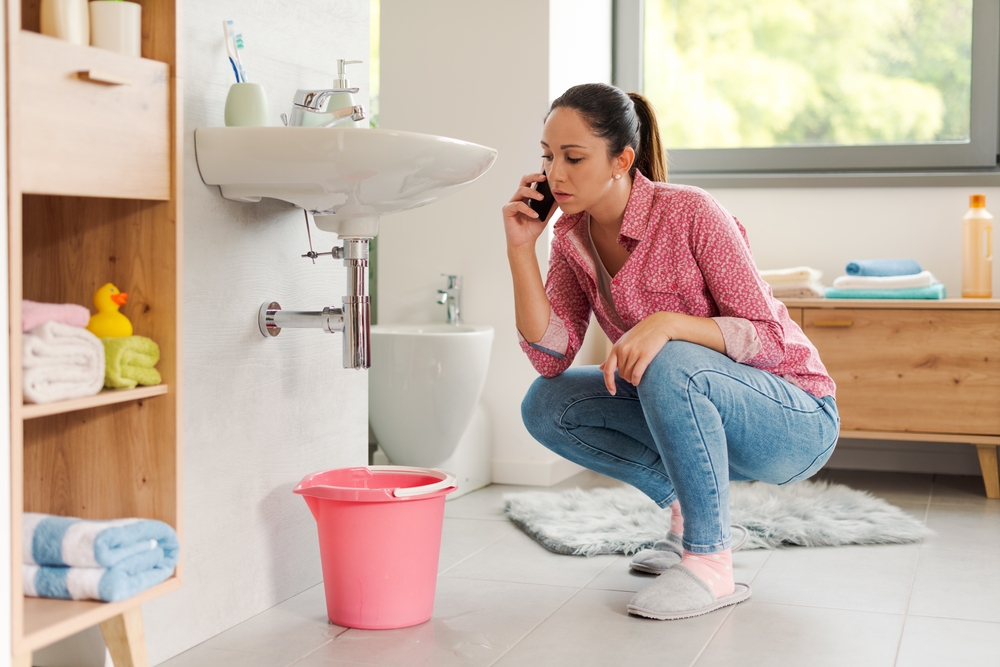
The holidays bring warmth, celebration, and often, a house full of guests. While it’s a joyful season, it’s also one of the most stressful times of the year for your home’s plumbing system. From extra dishes and showers to more frequent toilet use and colder temperatures, your pipes, drains, and appliances get put to the test.
Making smart choices about how you prepare and maintain your plumbing can mean the difference between a smooth holiday season and an expensive emergency. Below, we dive into the best (and worst) things you can do for your home plumbing during the holidays, from grease disposal habits to water heater tune-ups.
Practice Proper Grease Disposal (Best) vs. Pouring Grease Down the Drain (Worst)
One of the most common and damaging holiday plumbing mistakes happens right in the kitchen: pouring grease down the sink. When you cook those delicious roasts, fry bacon for breakfast, or prepare holiday sides with butter and oil, it’s tempting to rinse pans in the sink. However, pouring grease down the drain is a surefire way to clog pipes. As fats, oils, and grease cool, they solidify, sticking to the interior of your pipes and collecting debris, eventually leading to stubborn, pipe-choking blockages.
Instead, the best method of grease disposal is to let it cool in a disposable container and toss it in the trash. Wipe down greasy pans with paper towels before washing, and educate your guests or helpers in the kitchen. Avoiding this mistake alone can save you from an untimely holiday plumbing emergency.
Schedule a Water Heater Tune-Up (Best) vs. Turning Off the Heat When Traveling (Worst)
The demand for hot water spikes during the holidays, especially when your home is full of family and guests. Showers, dishwashing, and laundry can all put stress on your water heater. To avoid cold showers and overworked systems, a water heater tune-up before the holidays is a wise move. This includes checking the temperature and pressure relief (TPR) valve, flushing the tank of sediment buildup, and setting the thermostat to 120°F. This ensures your system runs efficiently while meeting the demand for warm water without overheating or posing a scalding hazard.
In contrast, a major mistake homeowners make when leaving town is turning off the heat entirely to save on utility bills. While it may seem harmless, this can cause water in your pipes to freeze, expand, and burst—leading to flooding and costly repairs. Instead of shutting off the heat, keep your thermostat at a minimum of 55°F and consider installing a smart thermostat that allows remote monitoring. This small step can prevent frozen pipes and plumbing disasters while you’re away enjoying the holidays.
Perform Drain Maintenance (Best) vs. Ignoring a Slow Drain (Worst)
With more people using the showers, sinks, and toilets in your home, slow drains can quickly turn into serious clogs. Ignoring a slow drain is risky, especially when your house is full. A sink or tub that’s sluggish to empty today can become completely backed up tomorrow under the added stress of guests and frequent use.
That’s why proactive drain maintenance is essential. Before the holidays arrive, test all your household drains and address any signs of blockage. Use a plunger, plumber’s snake, or natural enzyme cleaner to clear minor buildups, or call in a plumbing professional for more stubborn issues. Making sure your drains are clear before the crowd arrives will help your plumbing system handle the holiday load without issue.
Provide Toilet Education (Best) vs. Flushing Wipes and Other Items (Worst)
Guests may not know your home’s plumbing system the way you do. That’s why a little toilet education can go a long way. The best practice is to ensure only toilet paper goes down the toilet—no wipes, paper towels, feminine products, or anything labeled “flushable.” These items do not break down like toilet paper and can quickly clog pipes and even damage septic systems.
Consider placing a small sign in the guest bathroom that kindly reminds users to only flush toilet paper. Keep a trash can nearby and clearly visible to provide an easy alternative. This minor addition can prevent embarrassing backups and plumbing emergencies, keeping your holiday gathering running smoothly.
Install Exposed Pipe Insulation (Best) vs. Leaving Pipes Vulnerable During Cold Snaps (Worst)
As temperatures drop, pipes located near exterior walls or in unheated areas of your home are at high risk of freezing. Frozen pipes can burst and cause severe water damage, especially if they go unnoticed during a busy holiday weekend. Insulating exposed pipes is one of the best preventative measures you can take during the colder months.
Use foam pipe insulation or heat tape on pipes in basements, garages, crawl spaces, or attics. Pay special attention to those in areas that aren’t heated or that run along outside-facing walls. This exposed pipe insulation can keep your plumbing safe during a sudden freeze and give you peace of mind throughout the holiday season.
Neglecting to insulate these vulnerable pipes—or turning off your home’s heat while traveling—can be a recipe for disaster. Not only could you return to a flooded home, but the damage may be extensive enough to require major repairs just when you’d rather be enjoying a restful start to the new year.
Don’t Overwork the Garbage Disposal (Worst)
While the garbage disposal may seem like a miracle appliance, it is not designed to handle everything. Overworking the disposal is one of the worst things you can do for your kitchen plumbing, especially during the holidays when you’re generating more food waste than usual. Stringy vegetables like celery, starchy potato peels, bones, coffee grounds, and eggshells are all notorious for damaging or jamming garbage disposals.
Even more dangerous is trying to stuff too much food waste into the disposal at once. This not only causes jams but can also strain your plumbing and lead to clogs further down the line. Instead, feed scraps into the disposal slowly with running cold water, and avoid putting in anything that should go in the trash or compost.
If you’re preparing large meals, consider scraping plates into the trash before rinsing and encourage guests to do the same. This keeps your disposal running smoothly and protects your drains from unnecessary strain.
Conclusion
Your plumbing system works overtime during the holidays, and small mistakes can quickly lead to costly and inconvenient problems. By focusing on the best habits—such as proper grease disposal, drain maintenance, water heater tune-ups, toilet education, and pipe insulation—you can keep your home running efficiently and avoid calling a plumber during your celebration.
At the same time, avoiding the worst practices—like pouring grease down the drain, overworking the garbage disposal, flushing wipes, ignoring slow drains, and turning off the heat—will protect your plumbing and prevent emergencies that could ruin the holiday spirit.
A little preparation goes a long way. Your guests (and your wallet) will thank you for taking these smart steps to safeguard your plumbing system during the most wonderful time of the year.
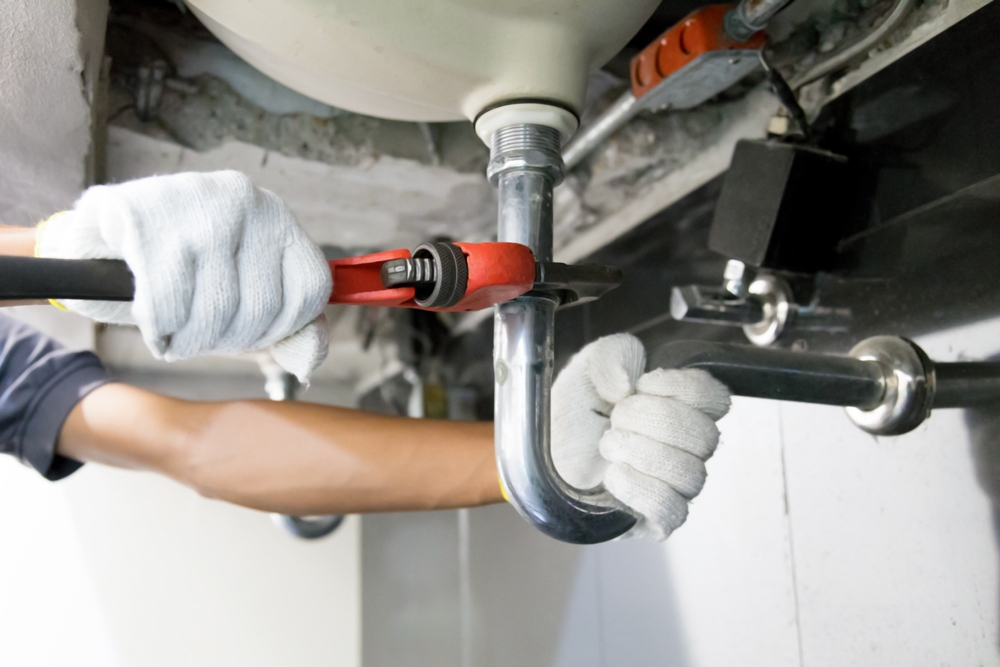
As the sun intensifies and temperatures soar, many homeowners eagerly anticipate backyard barbecues, pool parties, and long days outdoors. But with the joys of summer come specific maintenance needs that shouldn’t be overlooked. One critical, often forgotten area is your home’s drainage system. Ensuring your drains are prepped for summer can protect your property, health, and wallet. The heat and increased water usage during these months can strain your plumbing and sewage infrastructure, making drainage maintenance in summer not just a recommendation, but a necessity.
Why Summer Puts Extra Pressure on Your Drainage System
Summertime introduces a variety of stressors on your drainage and sewage systems. First, there’s the issue of increased water usage. Whether you’re watering lawns, filling up pools, or entertaining more guests than usual, your home’s plumbing experiences heavier demand. That means more strain on both indoor drains and external systems like gutters and storm drains.
High temperatures can exacerbate issues that may otherwise remain dormant. For example, tree roots—searching for moisture—often invade older or cracked sewer lines. Once inside, they can grow rapidly, causing serious blockages and even bursting pipes. If your property relies on clay or cast iron pipes, which are more susceptible to cracking under intense heat, the risk is even higher.
Additionally, the dryness of summer ground can cause the soil to shift, especially after heavy irrigation or rainfall, leading to pipe misalignment or damage. Without drain and sewer repair in summer, these small structural issues can evolve into expensive emergencies.
Common Drainage Issues During the Summer
One of the most common summertime drainage issues is slow or clogged indoor drains. Showers, sinks, and toilets may begin to drain sluggishly, often due to a buildup of hair, soap scum, or grease. The problem may seem benign at first, but it can quickly lead to more serious issues, especially if your plumbing is older or if there’s an underlying issue like a collapsed pipe.
Another seasonal concern is stormwater drainage. Summer storms, though often brief, can be intense. Without proper preparation, storm drains can become overwhelmed, resulting in localized flooding. If your outdoor drainage system is cluttered with debris such as leaves, sticks, or grass clippings, it won’t function effectively. That’s why drainage maintenance in summer includes clearing these entry points to prevent blockage and ensure the free flow of water.
Insects and pests are another factor. Mosquitoes, for example, are drawn to standing water. Blocked or poorly functioning outdoor drains can become breeding grounds for these pests, creating not only discomfort but also potential health risks. Rodents and other vermin may also exploit gaps in damaged drainage lines for shelter and water access.
Lastly, odor issues often arise in the summer. Heat causes gases in the sewer to expand, pushing them through any weak seals or vents. If you detect a foul smell indoors or outdoors, it’s likely a sign that your system needs a checkup. Ignoring such signs can lead to sanitation problems and reduce the comfort and safety of your home.
The Importance of Preventive Drain and Sewer Maintenance
The key to avoiding drainage disasters during the summer is proactive maintenance. Before the full heat of summer hits, homeowners should inspect and clean their drains, especially if the system has shown signs of wear or inefficiency in the past. Regular inspections can identify issues like root intrusions, pipe corrosion, or buildup before they lead to backups or overflows.
Hiring professionals for drain and sewer repair in summer is often more efficient and cost-effective than waiting for an emergency. Professional plumbers use cameras to inspect drain lines, allowing them to pinpoint blockages and damage without digging up your yard. High-pressure water jetting can clear out even stubborn clogs, restoring flow and preventing future obstructions.
Summer is also a great time to update old systems. If your home still relies on outdated materials like galvanized steel or clay pipes, replacing them with modern, more durable alternatives can improve performance and increase property value. In the long run, this can save you money and headaches.
Routine tasks like cleaning out gutters, checking downspouts for obstructions, and ensuring that all external drains are free of debris are simple but critical components of drainage maintenance in summer. They help mitigate flooding risks and maintain the integrity of your property’s foundation.
Preparing Your Sewage System for the Heat of Summer
Sewage systems are particularly vulnerable in hot weather, especially in older homes or regions with extreme summer climates. Preparing your sewage systems for the heat of summer starts with understanding how they work. Wastewater from your home is carried through a series of pipes to the main sewer line. If any part of this chain is compromised—whether due to heat-related expansion, root intrusion, or clogging—the entire system can be affected.
Begin your preparation by scheduling a full sewage system inspection. Many service providers offer seasonal maintenance packages that include line flushing, root removal, and leak detection. This is especially important if your property has experienced foul odors, slow drainage, or gurgling noises from toilets or sinks.
During your inspection, make sure that vent pipes are unobstructed. These allow sewer gases to escape above your roofline rather than backing up into your home. Summer storms can blow debris into these vents, and animals sometimes build nests inside them. A clogged vent pipe can lead to pressure imbalances, causing water to siphon out of traps and sewer smells to enter your home.
It’s also wise to check for signs of septic system overload if your property isn’t connected to a municipal sewer. Increased summer water use can overwhelm a small or aging septic tank. Have your tank pumped and inspected if it hasn’t been serviced in the last three to five years. Be mindful of surface pooling in the yard, which may indicate a saturated drain field.
Implementing water conservation practices—like spacing out laundry loads, fixing leaky faucets, and installing low-flow fixtures—can reduce stress on your sewage system. This not only improves performance but also extends the life of your pipes and septic components.
Long-Term Benefits of Summer Drainage Care
Taking the time to prepare your drains and sewage system for summer pays off significantly in the long run. First and foremost, you avoid the high costs associated with emergency repairs. Fixing a burst pipe or clearing a major sewer backup can cost thousands of dollars, not including the potential damage to your home’s interior or landscape.
Regular summer maintenance also enhances your property’s value. A well-maintained drainage system is a strong selling point for prospective buyers and reflects the overall care you’ve taken with the home. On the flip side, neglecting drainage can lead to foundation issues, mold problems, and even structural damage—all red flags during home inspections.
There’s also the health factor. Proper drainage maintenance in summer helps prevent the spread of bacteria and disease by eliminating standing water, controlling pests, and ensuring that waste is disposed of safely. For families with young children, elderly members, or individuals with compromised immune systems, this peace of mind is invaluable.
Environmentally, clean and functioning drains reduce contamination risks to local waterways and groundwater sources. Ensuring that your property doesn’t contribute to runoff pollution is part of being a responsible homeowner.
Lastly, well-maintained drains and sewer systems reduce your environmental footprint. Energy and water usage are closely tied to plumbing efficiency. A leaky pipe or inefficient drainage system requires more energy to manage and more water to perform basic tasks. By preparing your systems now, you’re also making your home more sustainable.
Conclusion
Drain and sewer repair in summer and proactive preparing your sewage systems for the heat of summer aren’t just chores—they’re investments in your home’s safety, efficiency, and longevity. As you plan your summer activities, take a moment to look down—into your drains—and make sure they’re ready to handle everything the season has to offer.

