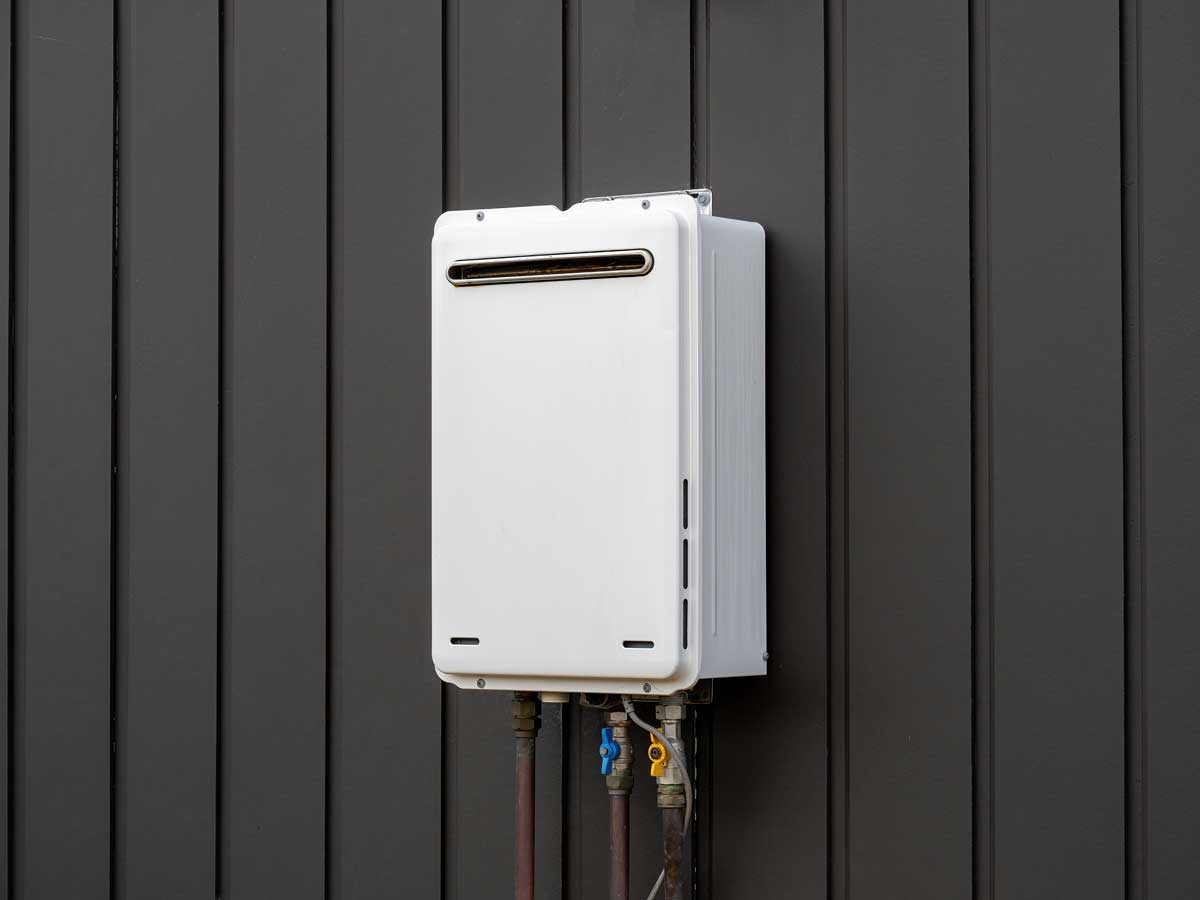
As fall temperatures drop and rainy days become more frequent in Seattle, reliable hot water becomes especially important. Whether you’re starting the morning with a warm shower or washing dishes after dinner, your tankless water heater needs to perform consistently. Unfortunately, mineral buildup, neglected maintenance, and cold-weather exposure can create problems when you need hot water most.
Scheduling tankless water heater maintenance before winter helps homeowners identify developing issues, maintain system efficiency, and reduce the risk of unexpected hot water interruptions.
What Seattle Homeowners Should Know About Tankless Water Heater Maintenance
Annual professional maintenance is a common recommendation, although the correct schedule depends on the manufacturer, water quality, and household usage.
Seattle’s generally soft municipal water can reduce some mineral scaling concerns, but it does not eliminate the need for tankless water heater maintenance.
Cold snaps in neighborhoods such as Ballard, Queen Anne, and West Seattle can create additional concerns for units installed in exposed or poorly insulated locations.
Flushing, filter cleaning, vent inspection, and performance checks can help keep a tankless system operating properly.
Scheduling maintenance in the fall gives homeowners time to address problems before colder winter weather arrives.
For homeowners throughout King County, preventive maintenance is a practical way to protect comfort and avoid unnecessary plumbing disruptions.
Goldstar Plumbing understands how important dependable hot water is during the Pacific Northwest’s colder months. Our goal is to help local homeowners understand their tankless water heater maintenance needs and recognize when professional attention is necessary.
Why Fall Is the Best Time for Tankless Water Heater Maintenance in Seattle
Fall is an ideal time to schedule tankless water heater maintenance in Seattle because it allows homeowners to address performance problems, inspect cold-sensitive components, and prepare their equipment before winter temperatures arrive. Preventive service can also reveal developing issues that might otherwise become noticeable during periods of increased hot water use.
Seattle’s maritime climate brings cool, damp conditions throughout much of the year. While severe freezes are less frequent than in many inland communities, freezing temperatures can still occur during winter cold snaps.
Homes in neighborhoods such as Magnolia, Greenwood, and Beacon Hill may have tankless water heaters installed in garages, utility rooms, or exterior locations. Depending on the installation, exposed piping and equipment can require additional freeze protection.
A fall maintenance appointment provides an opportunity to evaluate these conditions before they become urgent.
Local Data and Maintenance Considerations for Seattle Homes
Seattle homeowners should consider both local water characteristics and winter weather when planning tankless water heater maintenance. Seattle Public Utilities generally supplies relatively soft water, which can help limit mineral scaling compared with harder-water regions, but water chemistry is only one factor affecting long-term system performance.
Local conditions worth considering include:
Soft municipal water: Mineral deposits can still accumulate over time, particularly in heat exchangers exposed to repeated heating cycles.
Seasonal cold snaps: Outdoor plumbing and exposed water lines may be vulnerable when temperatures fall below freezing.
Older properties: Some homes in Capitol Hill and Wallingford have plumbing layouts that may complicate access to newer tankless equipment.
Installation location: Exterior units and equipment in unheated spaces may need additional protection during winter.
These are regional maintenance considerations rather than findings from a specific inspection. The condition of an individual system depends on its installation, age, maintenance history, and operating environment.
How Cold Weather Can Affect Your Tankless Water Heater
Cold weather can affect tankless water heater performance by lowering incoming water temperatures, increasing the energy required to heat water, and exposing vulnerable piping to freezing conditions. Seattle homeowners may notice these effects most during winter mornings when multiple fixtures need hot water.
Unlike traditional storage water heaters, tankless systems heat water as it flows through the unit. When incoming water is colder, the equipment must work harder to reach the desired outlet temperature.
Depending on the unit’s heating capacity and flow rate, this may affect how much hot water can be supplied simultaneously.
Winter conditions can also create other concerns:
Increased hot water demand during colder months.
Greater heating requirements when incoming water is colder.
Freeze risks for exposed supply and condensate lines.
Possible venting or drainage problems if components are obstructed.
Routine maintenance helps identify conditions that could interfere with normal operation.
Warning Signs Your Tankless Water Heater Needs Maintenance
Common warning signs that a tankless water heater needs maintenance include inconsistent hot water temperatures, reduced flow, unusual noises, error codes, and repeated system shutdowns. Homeowners should investigate these symptoms before colder weather increases their reliance on the equipment.
Watch for these seven warning signs:
Fluctuating water temperatures: Hot water suddenly turns lukewarm or cold during normal use.
Reduced hot water flow: Showers or faucets deliver less hot water than expected.
Unusual operating noises: Rumbling, clicking, or other unfamiliar sounds occur during heating.
Error codes: The system displays alerts indicating a possible operating problem.
Longer heating delays: Hot water takes noticeably longer to arrive than usual.
Frequent shutdowns: The unit stops heating unexpectedly or requires repeated resets.
Visible leaks or corrosion: Moisture, staining, or deterioration appears around connections or equipment.
Some symptoms can have causes outside the water heater itself. A professional evaluation can help determine whether the problem involves the unit, plumbing fixtures, water supply, or installation.
When Should Seattle Homeowners Call a Professional?
Seattle homeowners should call a professional when their tankless water heater develops recurring error codes, inconsistent heating, visible leaks, unusual combustion behavior, or repeated shutdowns. Professional maintenance is also appropriate when the manufacturer recommends internal cleaning or inspection that requires specialized equipment.
Homeowners can safely check the display for error messages, inspect visible areas for leaks, and review the manufacturer’s maintenance instructions.
However, internal heat exchanger cleaning, gas connections, combustion adjustments, and venting repairs should be handled by qualified professionals.
If you smell gas, leave the area immediately and contact the gas utility or emergency services from a safe location. Do not attempt to restart or repair the equipment.
Common Causes of Tankless Water Heater Problems in Seattle
Common causes of tankless water heater problems in Seattle include restricted water flow, mineral accumulation, dirty inlet filters, ignition issues, and inadequate freeze protection. These problems can develop gradually, making regular inspection useful even when the system appears to operate normally.
1. Mineral and sediment accumulation
Even relatively soft water can leave deposits inside heating components. Over time, accumulation may restrict heat transfer or contribute to operating problems.
2. Dirty inlet filters
Sediment and debris can collect in water inlet screens, restricting flow and affecting heating performance.
3. Venting or air supply restrictions
Gas-fired tankless units require appropriate combustion air and exhaust venting. Blocked or damaged components can interfere with safe operation.
4. Cold-weather exposure
Homes with equipment installed outdoors or in unheated areas may experience frozen pipes or drainage problems during winter cold snaps.
5. Deferred maintenance
Systems that go years without inspection may develop problems that could have been identified earlier.
How to Prepare Your Tankless Water Heater for Winter
Preparing a tankless water heater for winter involves scheduling appropriate maintenance, checking exposed plumbing, reviewing error messages, and confirming that freeze protection is functioning as designed. For Seattle homeowners, early fall is a convenient time to complete these steps before freezing weather becomes a concern.
A practical winter preparation checklist includes:
Review the manufacturer’s recommended maintenance interval.
Schedule professional descaling or flushing when appropriate.
Check visible piping for leaks, corrosion, or damage.
Confirm that exposed water lines have suitable freeze protection.
Keep outdoor vents and equipment clear of debris.
Monitor the system for unusual sounds or temperature fluctuations.
Verify that the unit’s freeze protection features meet the installation’s needs.
Do not assume built-in freeze protection protects every connected pipe. Many systems require electrical power for their protective features to operate, and external piping may remain vulnerable.
What to Expect From Professional Tankless Water Heater Maintenance
Professional tankless water heater maintenance should help identify developing problems, address applicable cleaning needs, and verify that the equipment operates according to manufacturer requirements. The exact service depends on the unit’s fuel type, design, condition, and maintenance history.
A professional appointment may include:
Inspecting the water inlet filter.
Flushing or descaling the heat exchanger when needed.
Checking visible water connections.
Inspecting accessible venting and condensate components.
Reviewing system error codes.
Testing water temperature and operating performance.
Evaluating freeze protection concerns.
Maintenance cannot guarantee that a component will never fail. However, it can improve the likelihood that developing problems are identified before they cause an unexpected interruption.
Common Tankless Water Heater Maintenance Mistakes
Common tankless water heater maintenance mistakes include waiting for a breakdown, overlooking exposed piping, using improper cleaning solutions, and assuming soft water eliminates maintenance needs. These mistakes can contribute to avoidable equipment problems in Seattle homes.
Mistake: Waiting until hot water stops working.
Consequence: A developing problem may become an inconvenient winter repair.
Better approach: Schedule routine maintenance before peak seasonal demand.
Mistake: Assuming Seattle’s soft water prevents all buildup.
Consequence: Filters and heating components may still accumulate deposits.
Better approach: Follow the manufacturer’s recommended cleaning and inspection schedule.
Mistake: Ignoring outdoor plumbing.
Consequence: Exposed pipes may freeze during unusually cold weather.
Better approach: Have vulnerable piping and freeze protection evaluated before winter.
Mistake: Attempting unfamiliar internal repairs.
Consequence: Incorrect procedures can damage components or create safety hazards.
Better approach: Leave gas, electrical, combustion, and specialized internal maintenance to qualified professionals.
Common Local Scenario: A West Seattle Home With Inconsistent Hot Water
A common local scenario involves a West Seattle homeowner noticing inconsistent shower temperatures as fall transitions into winter. The tankless water heater still operates, but hot water becomes less reliable when several fixtures run simultaneously.
Several conditions could explain this problem.
Colder incoming water may reduce the unit’s available hot water flow. A restricted inlet filter, accumulated deposits, or an equipment fault could also affect performance.
Rather than replacing the unit immediately, the homeowner schedules a professional inspection.
A technician can evaluate water flow, review error codes, check maintenance needs, and determine whether cleaning, adjustment, or repair is appropriate.
This hypothetical example illustrates why identifying the cause matters more than assuming every temperature fluctuation requires a new water heater.
Tankless Water Heater Services That Help Prevent Winter Problems
Tankless water heater maintenance and repair services can help Seattle homeowners address performance issues, protect vulnerable components, and determine whether their equipment is ready for winter. The appropriate solution depends on whether the system needs routine care, a specific repair, or replacement.
Relevant services may include:
Routine maintenance: Cleaning and inspections based on manufacturer guidance.
Tankless water heater flushing: Removing applicable mineral deposits from internal water passages.
Diagnostic service: Investigating error codes, heating interruptions, and flow problems.
Plumbing repairs: Correcting leaks, damaged connections, or related piping issues.
Replacement evaluation: Determining whether an aging or repeatedly failing system should be repaired or replaced.
At Goldstar Plumbing, we encourage homeowners to address developing hot water problems before they interfere with everyday comfort.
Comparing Routine Maintenance, Repair, and Replacement
Routine maintenance is appropriate for a functioning tankless water heater that needs scheduled care, while repair addresses an identified malfunction and replacement may be appropriate when the equipment is no longer economical or practical to restore. Seattle homeowners should compare these options based on condition, age, and diagnostic findings.
Option
Best For
Primary Benefit
Routine maintenance
Systems operating normally
Supports ongoing performance and preventive care
Professional repair
Specific faults or failed components
Restores function when the problem is repairable
System replacement
Aging or extensively damaged equipment
Provides an opportunity to select equipment suited to current household needs
A professional assessment can help homeowners avoid unnecessary replacement while recognizing when continued repairs may not be worthwhile.
Seattle and Nearby Communities: Winter Water Heater Considerations
Seattle homeowners and residents of nearby communities such as Shoreline, Burien, and Bellevue face similar seasonal concerns involving cooler incoming water, exposed plumbing, and occasional freezing temperatures. Maintenance needs still vary by home construction, installation location, and equipment type.
Throughout the Puget Sound region, preparing tankless equipment before winter can help reduce unexpected disruptions.
The Cost of Ignoring Tankless Water Heater Maintenance
Ignoring tankless water heater maintenance can allow small problems to develop into more expensive repairs, reduced heating performance, or unexpected hot water interruptions. In Seattle, waiting until a winter cold snap can make a breakdown particularly inconvenient for households relying on one unit for their hot water supply.
Potential consequences include restricted water flow, avoidable component wear, equipment shutdowns, and water damage if a leak develops.
Not every neglected system will experience these problems, but preventive attention can help reduce avoidable risks.
Frequently Asked Questions About Tankless Water Heater Maintenance in Seattle
1. How often should a tankless water heater be serviced in Seattle?
Most homeowners should consider annual professional maintenance, but the correct interval depends on the manufacturer’s instructions, water quality, and household usage. Seattle’s generally soft municipal water may reduce scaling compared with harder-water areas, yet filters, venting, and other components still require appropriate attention.
2. Does Seattle’s soft water mean tankless water heaters do not need flushing?
No. Seattle’s relatively soft water can reduce mineral buildup, but it does not completely eliminate deposits or other maintenance requirements. Whether flushing is necessary depends on the water supply, equipment condition, and manufacturer recommendations. A professional can help determine the appropriate cleaning schedule.
3. Can a tankless water heater freeze during a Seattle winter?
Yes. Tankless water heaters and their connected piping can be vulnerable to freezing during cold weather, particularly when installed outdoors or in unheated spaces. Built-in freeze protection may have limitations and often depends on electrical power. Proper installation and pipe protection are essential.
4. How long does tankless water heater maintenance take?
Tankless water heater maintenance commonly takes approximately one to two hours for a straightforward appointment, although service time varies. Heavy deposits, difficult equipment access, repairs, and manufacturer-specific procedures may require additional time. A technician can provide a more accurate estimate after reviewing the system.
5. Why does my tankless water heater produce less hot water during winter?
Colder incoming water requires the tankless unit to provide a greater temperature increase. Depending on the heater’s capacity, this can reduce the amount of hot water available at one time. Restricted filters or equipment problems can also contribute, so persistent performance changes deserve evaluation.
6. Is fall better than winter for scheduling maintenance in King County?
Fall is generally a convenient time because homeowners can address maintenance needs before the coldest part of the year. However, tankless water heaters can be serviced throughout the year. If your system is already displaying errors, leaking, or producing unreliable hot water, do not wait for a particular season.
7. Can I flush my tankless water heater myself?
Some manufacturers provide homeowner maintenance procedures, but flushing requires the correct equipment, cleaning solution, and process for the specific model. Incorrect methods can damage components or create safety concerns. Homeowners unfamiliar with the procedure should schedule professional service rather than attempting internal maintenance.
8. What should Bellevue and Shoreline homeowners check before freezing temperatures arrive?
Homeowners should check for exposed water lines, visible leaks, unusual error messages, and equipment installed in unheated or outdoor locations. Confirm that freeze protection follows manufacturer requirements and that outdoor vents remain unobstructed. A professional inspection can identify concerns that are not visible during a basic homeowner check.
9. Will tankless water heater maintenance lower my energy bills?
Maintenance may help restore efficiency when buildup, restricted flow, or other correctable conditions are affecting performance. However, savings depend on the system’s condition, energy rates, and hot water usage. Routine service should be viewed primarily as preventive care rather than a guaranteed way to reduce utility bills.
10. Should I replace an older tankless water heater before winter?
Replacement may be appropriate when a unit has repeated failures, significant component damage, or repair costs that are difficult to justify. Age alone does not automatically require replacement. A professional evaluation can help determine whether maintenance, repair, or new equipment is the most practical option.
Keep Your Seattle Home Comfortable With Preventive Tankless Water Heater Maintenance
Cold weather should not mean worrying about whether your hot water will work when you need it. By addressing maintenance needs in the fall, homeowners can prepare their tankless systems for cooler incoming water temperatures, increased seasonal use, and occasional freezing conditions.
At Goldstar Plumbing, we believe proactive plumbing care helps homeowners make informed decisions and protect their everyday comfort.
Get Your Tankless Water Heater Ready for Seattle’s Cold Weather
Prepare for winter with professional attention to your tankless water heater’s condition, performance, and maintenance needs.
Seattle winters bring chilly temperatures, persistent rain, and occasional freezing conditions that can put extra stress on home plumbing systems. While tankless water heaters are designed to provide hot water on demand, they still need regular maintenance to perform reliably when temperatures drop.
For homeowners in neighborhoods like Ballard, Queen Anne, and West Seattle, preparing a tankless water heater before winter can help prevent unexpected cold showers, equipment shutdowns, and costly plumbing repairs.
Quick Answer: Preparing a tankless water heater for winter involves checking exposed plumbing for freeze risks, inspecting the unit for leaks or error codes, cleaning accessible filters according to manufacturer instructions, and scheduling maintenance when needed. Seattle homeowners should pay particular attention to units installed in garages, crawl spaces, or exterior locations where freezing temperatures can affect water lines and equipment.
What Seattle Homeowners Should Know
Freezing temperatures can damage exposed plumbing. Although Seattle has relatively mild winters, occasional cold snaps can freeze unprotected pipes and components.
Tankless systems still require maintenance. Mineral deposits, restricted water flow, and ventilation problems can affect performance.
Installation location matters. Units in unheated garages, crawl spaces, and outdoor enclosures may need additional freeze protection.
Error codes should not be ignored. Repeated shutdowns or inconsistent water temperatures can indicate problems that need professional attention.
Fall is a practical time for maintenance. Scheduling service before the coldest weather arrives gives homeowners time to address developing issues.
Why Winter Tankless Water Heater Maintenance Matters in Seattle
Winter tankless water heater maintenance matters in Seattle because cold weather increases the risk of frozen plumbing, while colder incoming water can make the system work harder to reach the desired temperature. Routine inspections help homeowners identify vulnerable components and performance problems before winter conditions make repairs more disruptive.
The Puget Sound region experiences a combination of damp weather, cool temperatures, and occasional freezing events. Homes near Puget Sound may experience different temperature conditions than properties farther inland or at higher elevations.
Older homes in Capitol Hill, Fremont, and other established neighborhoods may also have plumbing routed through unconditioned spaces. Even when a tankless unit is installed indoors, its connecting pipes can remain vulnerable to freezing.
Goldstar Plumbing understands the importance of preparing residential plumbing systems for seasonal changes. We encourage homeowners to evaluate their tankless water heater’s condition, installation location, and maintenance needs before winter arrives.
Local Data and Seasonal Field Considerations
Seattle’s winter climate makes freeze protection and reliable water heating important seasonal maintenance priorities. According to general climate information from the National Weather Service, freezing temperatures are possible during the region’s colder months, even though extended periods of severe cold are less common than in many inland locations.
Several local conditions deserve attention:
Cold snaps: Temperatures below freezing can affect water lines in garages, crawl spaces, and exterior walls.
Persistent moisture: Damp conditions make it worthwhile to inspect equipment areas for leaks, corrosion, and moisture accumulation.
Older plumbing configurations: Some established King County homes have exposed piping or less insulated utility spaces.
Colder incoming water: Tankless systems may deliver less hot water at a given temperature rise when incoming water is colder, particularly during simultaneous use.
These are regional maintenance considerations, not claims about specific customer service records.
How Winter Conditions Affect Tankless Water Heater Performance
Winter conditions can affect tankless water heater performance by increasing the temperature rise required to heat incoming water and exposing vulnerable plumbing to freezing. Seattle homeowners may notice reduced hot water flow during simultaneous use, temperature fluctuations, or equipment shutdowns when an underlying maintenance problem becomes more noticeable.
A tankless water heater heats water as it passes through the system. Unlike a conventional storage tank, it does not maintain a large reserve of heated water.
During colder weather, the unit may need to produce a greater temperature increase. Depending on its capacity, this can reduce the amount of hot water available when multiple fixtures operate simultaneously.
A properly functioning system should still provide dependable hot water within its rated capacity. Persistent problems warrant further investigation.
Warning Signs Your Tankless Water Heater Needs Maintenance
Warning signs that a tankless water heater needs maintenance include inconsistent hot water, reduced flow, unusual operating noises, visible leaks, and recurring error codes. Seattle homeowners should investigate these symptoms before freezing weather increases the potential for plumbing damage or an inconvenient loss of hot water.
Watch for these seven signs:
Fluctuating water temperatures: Hot water becomes unexpectedly cool or alternates between hot and cold.
Reduced hot water flow: Showers or faucets produce less hot water than usual, especially when several fixtures are running.
Unusual noises: Rumbling, clicking, or other unfamiliar sounds occur during operation.
Recurring error codes: The control panel displays repeated warnings or the system shuts down.
Visible leaks: Water appears around the unit, connections, or nearby piping.
Signs of corrosion: Rust, staining, or deterioration appears around accessible plumbing connections.
Unexpected increases in energy use: Higher bills without an obvious change in household usage may justify an efficiency check.
Not every symptom means the unit needs replacement. Many problems can be diagnosed through inspection and appropriate maintenance.
When Should You Call a Professional Plumber?
You should call a professional plumber when your tankless water heater repeatedly loses hot water, displays persistent error codes, leaks, or shows signs of freezing damage. In Seattle, these issues deserve prompt attention during winter because continued operation or delayed repairs may increase the risk of equipment damage and plumbing leaks.
Homeowners can safely monitor the display, check for visible moisture, and keep accessible ventilation openings clear without dismantling equipment.
Professional service is appropriate for:
Internal component inspections and repairs
Heat exchanger descaling when required
Gas supply and combustion concerns
Venting or exhaust problems
Freeze-damaged water lines
Persistent pressure or temperature problems
If you smell gas, leave the area and contact the gas utility or emergency services from a safe location. Do not operate electrical switches or attempt to restart the heater.
Common Causes of Tankless Water Heater Problems During Seattle Winters
Common causes of winter tankless water heater problems include frozen water lines, mineral accumulation, restricted water flow, inadequate ventilation, and neglected maintenance. In Seattle-area homes, installation location and exposure to cold outdoor air can be especially important factors when diagnosing seasonal performance issues.
1. Frozen or Poorly Protected Pipes
Water lines running through unheated garages, crawl spaces, or exterior walls can freeze during cold snaps.
Even tankless systems with built-in freeze protection may have exposed connecting pipes that remain vulnerable.
2. Mineral Deposits
Minerals naturally present in water can accumulate inside heat exchangers over time.
Seattle Public Utilities supplies relatively soft water to much of its service area, but water quality and scaling potential can vary by provider and plumbing conditions. Maintenance needs should follow the equipment manufacturer’s recommendations rather than assumptions about regional water hardness.
3. Restricted Airflow or Ventilation
Some tankless systems require carefully designed combustion air and exhaust pathways.
Blocked vents or improperly maintained components can interfere with safe operation, particularly during stormy weather.
4. Clogged Inlet Filters
Sediment and debris can restrict water flow through an inlet filter.
Reduced flow may affect heating performance or trigger operating problems.
5. Deferred Maintenance
Skipping recommended inspections and cleaning can allow small performance problems to become more noticeable during periods of heavy use.
How to Prepare Your Tankless Water Heater for Winter
Preparing your tankless water heater for winter starts with checking exposed plumbing, confirming normal operation, reviewing freeze protection requirements, and scheduling maintenance where appropriate. Seattle homeowners should complete these checks during early fall, ideally before the first significant freezing forecast, while leaving internal servicing to qualified professionals.
Fall Maintenance Checklist
Inspect exposed water lines. Look for piping in garages, crawl spaces, and other unheated areas that may require insulation or additional protection.
Review freeze protection features. Check the owner’s manual to understand whether the unit has built-in freeze protection and what conditions are required for it to operate.
Check for leaks. Inspect accessible connections and the surrounding area for moisture or staining.
Review error codes. Address recurring warnings rather than repeatedly resetting the unit.
Inspect accessible exterior vent openings. Look for leaves, debris, or other obvious obstructions without dismantling the venting system.
Confirm normal hot water delivery. Notice whether temperatures and flow remain consistent during ordinary household use.
Arrange descaling when needed. Follow the manufacturer’s service interval and account for local water conditions.
Plan for extended absences. Follow the manufacturer’s winterization instructions if the property will be vacant or unheated.
Should You Turn Off a Tankless Water Heater During a Freeze?
Turning off a tankless water heater during freezing weather is not automatically the safest choice. Some models rely on electrical power for built-in freeze protection, so disconnecting power can disable that feature.
Homeowners should follow the manufacturer’s instructions for their exact model. If a home will lose heat or power for an extended period, proper draining or winterization may be necessary.
What to Expect From Professional Tankless Water Heater Maintenance
Professional tankless water heater maintenance should help identify developing problems, restore performance affected by serviceable restrictions, and confirm that accessible components are operating appropriately. For Seattle homeowners, the expected outcome is better preparation for winter demand, although maintenance cannot eliminate every risk of freezing, breakdown, or future repair.
Depending on the model and its condition, a professional visit may involve:
Reviewing system error history
Inspecting water and gas connections
Checking accessible venting components
Cleaning inlet screens or filters
Flushing or descaling the heat exchanger when appropriate
Evaluating water flow and temperature performance
Checking for visible leaks or corrosion
Reviewing freeze protection concerns
The exact maintenance procedure depends on the manufacturer’s specifications, installation type, and observed symptoms.
Common Winter Maintenance Mistakes Seattle Homeowners Should Avoid
Common winter maintenance mistakes include assuming mild weather prevents freezing, disconnecting power without checking freeze protection requirements, and ignoring early performance problems. These mistakes can leave Seattle homes vulnerable during sudden cold snaps, especially when equipment or piping is located outside conditioned living spaces.
Mistake: Assuming outdoor pipes are safe because winters are usually mild.
Consequence: A short period of freezing weather may damage exposed piping.
Better approach: Inspect and protect vulnerable water lines before winter.
Mistake: Turning off power during a freeze without reviewing the manual.
Consequence: Electrically powered freeze protection may stop working.
Consequence: An unresolved problem may cause unexpected shutdowns.
Better approach: Document the code and arrange diagnosis.
Mistake: Attempting internal gas or vent repairs.
Consequence: Improper work can create serious safety hazards.
Better approach: Leave gas, combustion, and exhaust repairs to qualified professionals.
Common Local Scenario: A Cold Snap in a Seattle Garage
A common Seattle winter scenario involves a homeowner with a tankless water heater mounted in an unheated garage. The unit works normally through much of fall, but an overnight freeze exposes a poorly insulated section of connected water piping.
The next morning, hot water flow may be restricted or unavailable.
The problem is not necessarily the heater itself. A frozen supply line can prevent water from reaching the unit, and damaged piping may leak after thawing.
The safest response is to avoid forcing the equipment to operate, follow applicable shutoff instructions, and arrange professional help if freezing or damage is suspected.
This illustrative scenario shows why winter preparation should include the entire water heating installation, not just the heater cabinet.
Tankless Water Heater Services That Support Winter Reliability
Tankless water heater services that support winter reliability include preventive maintenance, system diagnostics, descaling, plumbing repairs, and replacement evaluations. Seattle homeowners benefit from choosing the service that addresses their actual equipment condition rather than assuming every hot water problem requires a new unit.
At Goldstar Plumbing, we can help homeowners understand which plumbing concerns warrant professional evaluation and what questions to ask about their system’s condition.
Relevant service solutions may include:
Maintenance and flushing: Helps address deposits and restrictions when recommended for the equipment.
Troubleshooting and repair: Identifies causes of error codes, temperature fluctuations, or loss of hot water.
Freeze protection improvements: Addresses vulnerable piping and installation conditions.
Replacement evaluation: Helps determine whether an aging or frequently failing unit remains practical to repair.
Comparing Your Tankless Water Heater Maintenance Options
The best tankless water heater maintenance option depends on the severity of the problem, the equipment’s condition, and whether safety-related components are involved. Seattle homeowners can handle basic visual checks, but internal cleaning, gas-related work, and persistent operating faults generally require professional attention.
Option
Best For
Key Consideration
Homeowner visual inspection
Checking for leaks, exposed pipes, and display warnings
Avoid opening sealed equipment or altering gas connections
Routine professional maintenance
Preventive care and manufacturer-recommended servicing
Helps identify developing issues
Targeted repair
A diagnosed component or performance problem
May be practical when the unit is otherwise in good condition
Replacement evaluation
Repeated failures, major damage, or an aging system
Compare repair cost, equipment condition, and household needs
Emergency plumbing service
Active leaks, suspected freeze damage, or urgent loss of service
Prioritize safety and preventing further damage
Seattle Neighborhoods and Nearby Areas With Winter Plumbing Concerns
Seattle homeowners in Ballard, Magnolia, Queen Anne, and West Seattle may encounter different freeze exposure risks depending on building age, insulation, and equipment placement. Nearby communities such as Shoreline, Burien, and Bellevue also experience seasonal cold weather that makes winter plumbing preparation worthwhile.
Property conditions matter more than neighborhood alone. Homeowners should confirm service availability for their specific address before scheduling.
The Cost of Ignoring Tankless Water Heater Maintenance
Ignoring tankless water heater maintenance can lead to declining performance, inconvenient shutdowns, avoidable repairs, and potentially more extensive damage when exposed plumbing freezes. In the Seattle area, a sudden cold snap can turn an overlooked pipe protection issue into a time-sensitive plumbing problem.
Repair costs vary based on the component involved, equipment accessibility, model, and extent of damage.
Preventive service does not guarantee that a breakdown will never occur, but identifying leaks, restrictions, and vulnerable piping early can reduce preventable risks.
Frequently Asked Questions About Tankless Water Heaters in Seattle
1. Can a tankless water heater freeze during a Seattle winter?
Yes, a tankless water heater or its connected plumbing can freeze during a Seattle winter if vulnerable components are exposed to sufficiently low temperatures. Some models have built-in freeze protection, but those features have limitations and may require electricity. Proper installation and protection of exposed water lines remain essential.
2. How often should Seattle homeowners service a tankless water heater?
Seattle homeowners should follow their tankless water heater manufacturer’s recommended maintenance schedule, which commonly includes periodic inspection and cleaning. The appropriate descaling interval depends on the model, water quality, and usage. A professional can help determine whether annual service or another schedule makes sense for the installation.
3. Does Seattle’s water quality cause scale buildup in tankless water heaters?
Seattle’s generally soft municipal water tends to have lower scaling potential than hard water, but mineral deposits and other restrictions can still develop. Water quality differs across suppliers and individual properties. Homeowners should follow the heater manufacturer’s guidance and evaluate actual system conditions before deciding how frequently descaling is necessary.
4. Should I insulate pipes connected to my tankless water heater?
Yes, insulating vulnerable water lines can help reduce freezing risk, especially in unheated garages, crawl spaces, and exterior locations around King County. Insulation alone may not prevent freezing during prolonged cold conditions. Any insulation or heat-tracing solution must be compatible with the installation and applicable safety requirements.
5. Why does my tankless water heater provide less hot water in winter?
A tankless water heater may provide less hot water in winter because colder incoming water requires a greater temperature rise. If several showers or fixtures run simultaneously, the system may reach its heating capacity. Persistent temperature fluctuations or unusually low flow can also indicate a maintenance issue.
6. Is it safe to flush a tankless water heater myself?
Some manufacturers provide homeowner-accessible flushing procedures, but the work requires the correct equipment, cleaning solution, isolation valves, and model-specific instructions. Incorrect procedures can damage components or create safety problems. Seattle homeowners unfamiliar with the process should arrange qualified service rather than experimenting with internal connections.
7. What should I do if my tankless water heater stops working during a freeze?
If your tankless water heater stops working during a freeze, check the display for error codes and look for visible leaks without dismantling the unit. Do not use open flames to thaw pipes or force equipment to restart. If freezing, leakage, or damage is suspected, contact a qualified plumber.
8. Do outdoor tankless water heaters need extra winter protection in Seattle?
Outdoor tankless water heaters require freeze protection appropriate to their model and installation. Although some outdoor-rated systems include freeze protection features, exposed water connections may still need additional safeguards. Seattle homeowners should review manufacturer temperature limits, power requirements, and any winterization instructions before freezing conditions arrive.
9. When should I replace my tankless water heater instead of repairing it?
Replacement becomes worth considering when a tankless water heater has repeated major failures, extensive damage, unavailable replacement parts, or repair costs that approach the value of a suitable new system. A professional assessment should consider equipment age, maintenance history, installation condition, and household hot water needs.
Keep Your Seattle Home Ready for Winter
A reliable tankless water heater makes cold mornings, busy households, and winter routines more comfortable. Preparing before freezing temperatures arrive gives homeowners an opportunity to address exposed plumbing, maintenance needs, and early performance concerns.
Whether your system is relatively new or has been operating for years, understanding its winter requirements is a practical way to protect your home and reduce unexpected interruptions.
Protect Your Hot Water Comfort This Winter With Goldstar Plumbing
Our goal is to help Seattle homeowners make informed decisions about tankless water heater maintenance, winter preparation, and plumbing repairs.
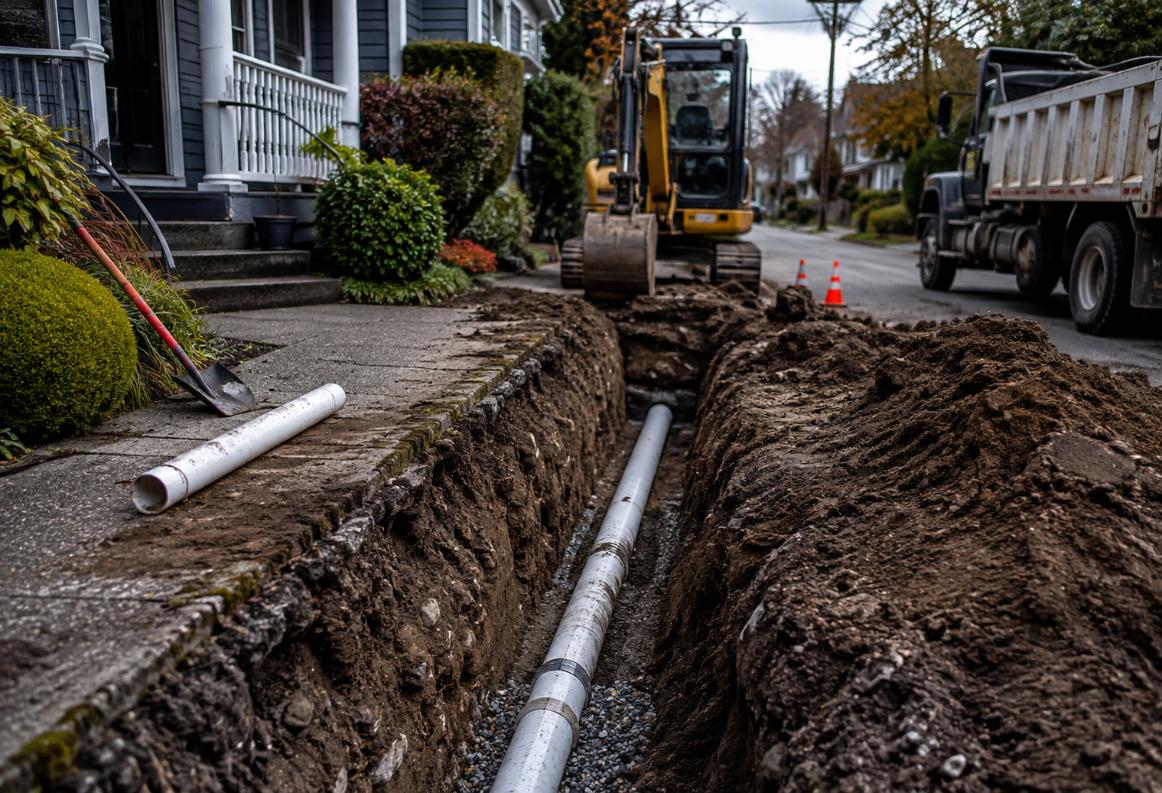
A failing side sewer can turn into an expensive property problem quickly, especially in older Seattle neighborhoods where sewer lines may run beneath landscaping, driveways, sidewalks, or mature trees. If you are dealing with recurring backups, slow drains, or a damaged sewer line, understanding replacement costs can help you plan before the problem becomes more disruptive.
Quick answer:Side sewer replacement in Seattle does not have one reliable flat price because the final cost depends heavily on the pipe’s length, depth, condition, location, access, and replacement method. Excavation beneath a driveway or other hardscape can add substantial work, while trenchless options may reduce surface disruption when site and pipe conditions allow. A sewer camera inspection and site-specific estimate are the best ways to determine your actual cost.
What local property owners should know
Sewer replacement costs can increase when the damaged line is deep, difficult to access, or located beneath concrete, pavement, retaining features, or established landscaping.
Older neighborhoods such as Ballard, Queen Anne, Capitol Hill, and Wallingford can have aging sewer infrastructure and mature trees that complicate sewer work.
A camera inspection can help identify breaks, root intrusion, offsets, deterioration, and other conditions before deciding whether repair or replacement makes sense.
Seattle property owners may need to account for permits, inspections, and restoration requirements depending on where the work occurs.
Trenchless replacement can reduce excavation in some situations, but it is not automatically the right solution for every side sewer.
Why Does Side Sewer Replacement Cost Vary So Much in Seattle?
Side sewer replacement cost in Seattle varies because every property has a different combination of pipe length, depth, access, surface conditions, and existing sewer damage. A relatively accessible line through an open yard can be very different from one running beneath a driveway, retaining wall, mature landscaping, or other difficult-to-disturb areas.
Seattle’s housing stock adds another layer. Properties in established neighborhoods may have older piping materials, mature trees, additions, remodeled outdoor spaces, and tight access between neighboring homes.
Where the damaged section sits also matters. A contractor needs to determine what portion of the sewer is affected, how it can be reached, and what surfaces must be restored afterward.
Goldstar Plumbing can help property owners evaluate the condition of a side sewer and understand the available repair or replacement approaches. From this point forward, we focus on what the inspection shows and which option makes practical sense for the property.
What Should Seattle Homeowners Know About Local Side Sewers?
Seattle homeowners should know that the side sewer generally connects a property’s plumbing system to the public sewer system, making its condition an important part of reliable wastewater drainage. Problems along this line can affect multiple fixtures inside the home rather than just one sink, toilet, or shower.
Seattle Public Utilities provides information for property owners regarding side sewers, including resources related to records and responsibilities. City requirements can also affect work involving public areas or connections to the municipal system.
Because requirements and individual property conditions can change, homeowners should confirm current permit and inspection requirements for their specific project rather than assuming that one replacement process applies everywhere.
What Factors Have the Biggest Impact on Side Sewer Replacement Cost?
The biggest side sewer replacement cost factors are pipe length, excavation depth, accessibility, replacement method, surface restoration, and the extent of the damage. These factors determine how much labor, equipment, material, and restoration may be involved in completing the work.
1. Length of the sewer line
A longer replacement generally requires more pipe, labor, and site work. The location of the failed section can therefore make a major difference.
2. Depth
Deep sewer lines typically require more excavation and additional jobsite considerations than shallow lines.
3. Access
A sewer running through an open portion of a yard may be easier to reach than one between structures or beneath hardscaping.
4. Surface conditions
Concrete, driveways, patios, landscaping, and other improvements may need to be removed or protected during conventional excavation. Restoration can become a meaningful part of the overall project.
5. Replacement method
Traditional excavation and trenchless techniques involve different equipment, site requirements, and restoration needs. The least disruptive method is not necessarily available on every property.
6. Existing pipe condition
A camera inspection may reveal isolated damage, widespread deterioration, root intrusion, separated joints, or other conditions. Those findings help determine whether a limited repair is reasonable or broader replacement should be considered.
What Are the Warning Signs of a Failing Side Sewer?
Common warning signs of side sewer trouble include recurring drain backups, multiple slow fixtures, sewage odors, unusual yard conditions, and problems that return after routine drain clearing. One clogged fixture does not necessarily indicate sewer failure, but repeated whole-house drainage problems deserve closer investigation.
Watch for:
Multiple drains backing up around the same time
Toilets bubbling when other fixtures drain
Recurring sewer or drain backups
Sewage odors indoors or around the property
Unusually wet or sunken areas along the sewer route
Drain problems that return soon after cleaning
Evidence of roots or damaged piping during a camera inspection
A professional inspection can distinguish a blockage that may be cleared from structural damage that may require repair.
When Should You Call a Sewer Professional in Seattle?
You should call a sewer professional when backups affect multiple fixtures, problems repeatedly return, sewage appears inside the property, or an inspection indicates structural pipe damage. Those conditions can point to a problem beyond a normal fixture or branch-line clog.
Homeowners can safely watch how individual fixtures drain and note when symptoms occur. Sewer excavation, pipe replacement, and work involving municipal connections are different matters.
Prompt diagnosis is particularly useful when wastewater is backing up into living areas or when continued sewer use could cause additional property damage.
What Commonly Causes Side Sewer Problems in Seattle?
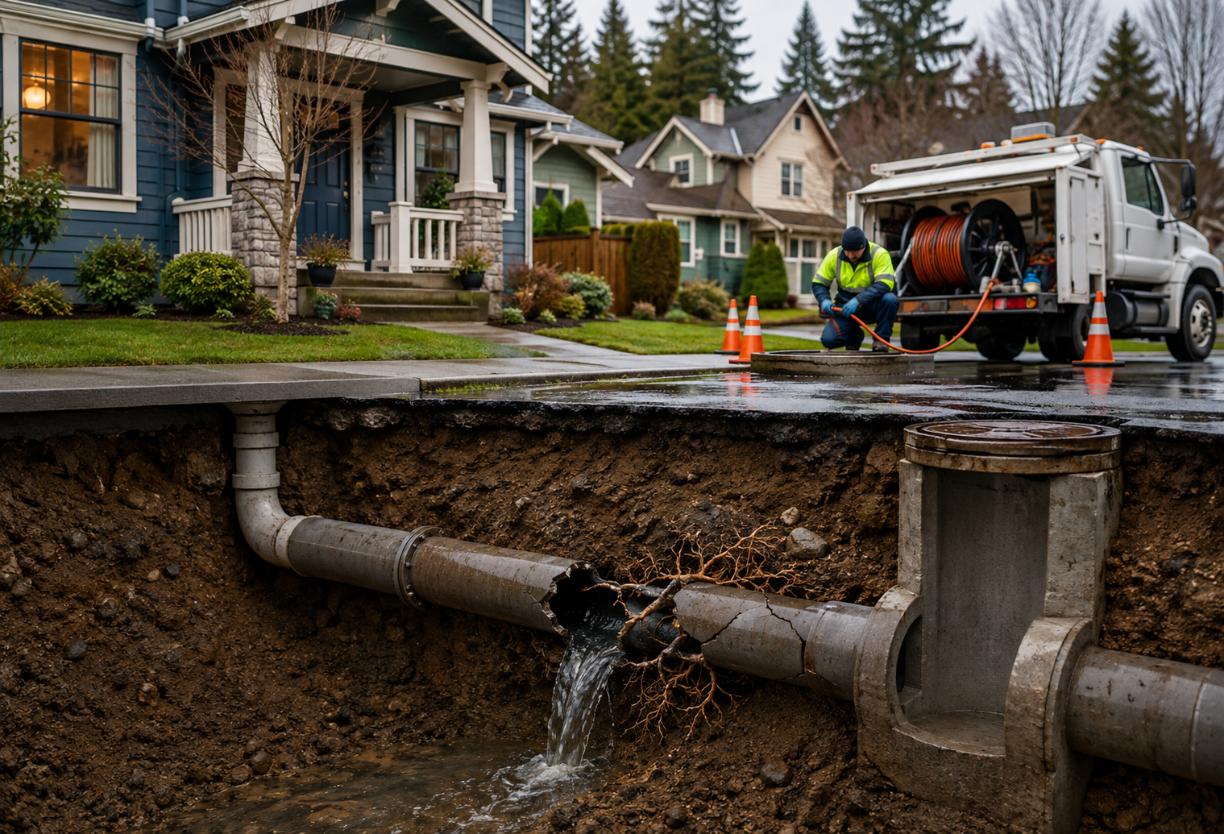
Common local side sewer problems can involve aging pipe, tree-root intrusion, deteriorated joints, shifting or damaged sections, and obstructions inside the line. The actual cause should be confirmed through inspection because similar symptoms can result from very different sewer conditions.
Mature trees are common throughout neighborhoods such as Green Lake, Ravenna, West Seattle, and Beacon Hill. Roots can exploit openings in compromised sewer joints or damaged piping.
Older properties may also have sewer materials and connections that have been in service for decades. Age alone does not prove that replacement is necessary, but recurring problems combined with documented pipe deterioration can make replacement worth evaluating.
Can Side Sewer Problems Be Prevented?
Some side sewer problems can be reduced through careful drain use, timely inspections, and early attention to recurring symptoms, although homeowners cannot prevent every form of pipe deterioration. The most useful maintenance strategy is recognizing a developing problem before a severe backup or failure forces an emergency response.
Avoid flushing wipes and other materials that do not belong in the sewer system. Be cautious about sending grease and problematic debris down kitchen drains.
If your property has a history of root intrusion or recurring main-line blockages, ask a professional whether periodic inspection or maintenance is appropriate. DIY work should stop when the problem involves suspected pipe damage, excavation, or sewage exposure.
What Results Should You Expect From Side Sewer Replacement?
A properly planned side sewer replacement should address the damaged or deteriorated portion of the sewer and restore a dependable wastewater path from the property toward the municipal system. The exact project outcome and amount of surface disruption depend on the replacement method and conditions discovered during inspection.
Before work begins, property owners should understand which section is being replaced, the planned access method, expected excavation, restoration responsibilities, and applicable permit or inspection steps.
After replacement, ask what documentation is available regarding the completed work and what maintenance is appropriate for the new line.
What Mistakes Can Make a Seattle Sewer Problem More Expensive?
The costliest sewer mistakes usually involve repeatedly treating symptoms without identifying the underlying problem, delaying known structural repairs, or choosing a replacement approach before the line has been properly evaluated. A diagnosis-first approach gives property owners better information for comparing solutions.
Mistake: Paying repeatedly to clear the same blockage. Consequence: Temporary flow may return while damaged piping remains unresolved. Better approach: Investigate why the blockage keeps returning.
Mistake: Assuming every sewer problem requires full replacement. Consequence: You may consider more work than the actual pipe condition requires. Better approach: Determine the location and severity of damage first.
Mistake: Comparing estimates only by total price. Consequence: Two proposals may include very different excavation, restoration, permitting, or replacement scopes. Better approach: Compare what each estimate actually includes.
What Is a Common Side Sewer Scenario in Seattle?
A common Seattle side sewer scenario is an older property with recurring backups that continue even after the line has been cleared. A camera inspection may reveal roots, damaged joints, deterioration, or another structural condition that explains why the problem keeps returning.
This is a general local scenario, not a Goldstar Plumbing case study. The correct solution could range from maintenance or a localized repair to replacement, depending on what the inspection reveals.
The key is separating a removable obstruction from a damaged sewer that is likely to continue causing trouble.
What Services Can Help Solve a Side Sewer Problem?
Side sewer problems are best addressed by matching the service to the actual condition of the pipe, beginning with diagnosis and moving to cleaning, repair, or replacement when appropriate. This avoids treating every sewer symptom as the same problem.
Depending on the findings, relevant services may include sewer camera inspection, sewer and drain cleaning, targeted sewer repair, conventional sewer replacement, or trenchless solutions where conditions allow.
Sewer repair is generally more appropriate for limited, repairable damage, while replacement becomes more practical when deterioration is extensive or recurring problems affect a larger portion of the line. The decision should be based on the pipe’s actual condition rather than age or symptoms alone.
A localized repair can make sense when damage is confined to a specific section. Replacement may deserve consideration when inspection shows multiple significant defects or deterioration that makes repeated repairs less practical.
Traditional excavation and trenchless replacement should also be compared based on access, existing pipe conditions, excavation requirements, and the surfaces above the sewer route.
What Areas Around Seattle Can Face Similar Sewer Issues?
Properties throughout Seattle and surrounding King County communities can experience sewer problems related to aging infrastructure, roots, difficult access, and established landscaping. Conditions vary significantly by individual property, even between neighboring homes.
Within the city, areas such as Ballard, Queen Anne, Capitol Hill, Wallingford, Green Lake, Ravenna, Beacon Hill, and West Seattle illustrate the range of older housing, mature vegetation, slopes, and dense development that can influence sewer projects.
What Can Happen If You Delay a Damaged Side Sewer?
Delaying a structurally damaged side sewer can lead to recurring backups, additional service calls, wastewater damage, and a more disruptive repair if the pipe continues to deteriorate. Not every sewer issue is an emergency, but documented structural damage should not be treated like an ordinary clog indefinitely.
Repeated backups can disrupt kitchens, bathrooms, laundry areas, and other parts of the property. If sewage is entering the home or the sewer is no longer functioning reliably, the need for professional evaluation becomes more urgent.
How much does side sewer replacement cost in Seattle?
Side sewer replacement cost in Seattle must be estimated for the individual property because pipe length, depth, access, excavation, replacement method, and restoration can vary significantly. A camera inspection and site evaluation provide much more useful pricing information than a broad generic average that may not reflect your property.
Does Seattle require a permit for side sewer replacement?
Permit requirements can apply to side sewer work in Seattle depending on the scope and location of the project. Because requirements can change and projects differ, property owners should verify current rules with the appropriate City of Seattle department and make sure required approvals and inspections are included when planning the work.
Who is responsible for a side sewer in Seattle?
Responsibility depends on where the problem is located and how the property’s sewer connects to the public system. Seattle Public Utilities provides information about side sewers and property-owner responsibilities. Identifying the location of a defect is therefore an important early step when determining who should address the problem.
Can tree roots damage sewer lines in Seattle?
Tree roots can contribute to sewer problems when they enter openings in compromised pipes or joints. Mature vegetation throughout King County makes root intrusion a relevant concern, particularly when a line already has cracks, separations, or deteriorated connections. A sewer camera inspection can help determine whether roots are present and why they entered.
Is trenchless sewer replacement available in Seattle?
Trenchless sewer replacement may be an option for some Seattle properties, but suitability depends on the existing pipe, access, alignment, damage, and proposed replacement technique. It can reduce extensive surface excavation in appropriate situations. An inspection is necessary before deciding whether trenchless or conventional replacement is the better approach.
How do I know whether my sewer needs replacement or cleaning?
A sewer that simply contains a removable obstruction may need cleaning, while a line with significant structural deterioration may require repair or replacement. If backups repeatedly return after cleaning, a camera inspection can help identify roots, damaged sections, joint problems, or other conditions that explain the recurring trouble.
How long does side sewer replacement take?
Side sewer replacement time varies with the project’s length, depth, access, method, permitting needs, and restoration requirements. A straightforward accessible project may require substantially different scheduling than a deep line beneath hardscape or a difficult site. Ask for a project-specific timeline once the sewer has been inspected and the scope established.
Should I get a sewer inspection before buying an older Seattle home?
A sewer inspection can provide useful information when evaluating an older Seattle property, particularly if the condition of the side sewer is unknown. A camera inspection may identify defects or obstructions that are not visible during a standard walkthrough, helping buyers understand potential sewer-related maintenance or repair needs before making decisions.
Get Clear Answers About Your Seattle Side Sewer
Understanding the condition of your sewer is the first step toward making a sensible repair or replacement decision. We can help you identify the problem, understand the available options, and determine the appropriate next step for your property.
Protect Your Property With the Right Sewer Solution
Get a professional evaluation so you can make your decision based on the actual condition of your side sewer, not guesswork.
A backed-up or damaged side sewer can quickly turn into a major concern for Seattle homeowners, especially in older neighborhoods where sewer lines may have been in service for decades. Between mature tree roots, aging pipes, wet-season conditions, and the expense of excavating around a home, one of the first questions property owners often ask is whether homeowners insurance will help pay for the damage.
Quick answer: Homeowners insurance may cover some damage associated with a side sewer problem, but coverage depends on the cause of the loss and the terms, exclusions, endorsements, and limits in your specific policy. Standard policies do not necessarily pay to repair or replace the damaged sewer line itself. Sewer or drain backup coverage and service line coverage may provide additional protection when included in a policy.
What Seattle homeowners should know
A homeowners policy may treat damage inside your house differently from the cost of repairing the side sewer that caused it.
Sewer or drain backup coverage is often separate from the basic protections in a homeowners policy.
Service line coverage may apply to certain underground utility-line damage, depending on the policy and cause.
In Seattle, property owners are generally responsible for their side sewer, making it important to determine where a problem is located.
Older homes in neighborhoods such as Ballard, Queen Anne, Capitol Hill, and Wallingford may have sewer systems where age, roots, or previous repairs warrant closer investigation.
Why Does Side Sewer Insurance Coverage Matter in Seattle?
Side sewer insurance coverage matters in Seattle because homeowners can be responsible for underground sewer piping serving their property, while an insurance policy may cover only certain causes or portions of the resulting loss. Knowing the difference before approving repairs can help homeowners communicate more clearly with both their plumber and insurance carrier.
Seattle Public Utilities uses the term “side sewer” for the privately owned and maintained pipe carrying wastewater from a building toward the public sewer system. Responsibility for a particular repair can depend on where the defect is located and the circumstances involved.
That distinction can become especially important in established residential areas. Properties around Green Lake, Beacon Hill, West Seattle, and other older parts of King County can have landscaping, mature trees, retaining walls, driveways, or other features that complicate access to an underground sewer line.
Goldstar Plumbing works with local property owners facing plumbing and sewer concerns. When insurance may be involved, we can focus on identifying the plumbing problem and explaining the repair options while homeowners confirm coverage directly with their insurer.
What Local Data and Field Conditions Affect Side Sewers?
Seattle’s established housing stock, mature vegetation, and wet regional climate can all make side sewer condition an important property-maintenance issue. These conditions do not prove that a particular sewer has failed, but they provide good reasons to investigate recurring drainage symptoms instead of assuming every clog is a routine plumbing problem.
A side sewer can develop problems because of pipe deterioration, root intrusion, separated connections, cracks, obstructions, or movement around the pipe. The exact condition cannot reliably be determined from a home’s age or neighborhood alone.
A sewer camera inspection can provide more direct information about what is happening inside an accessible line. That information may also help a homeowner have a more specific conversation with an insurance company about the cause and location of damage.
How Can Side Sewer Damage Affect a Seattle Home?
Side sewer damage can affect a Seattle home through slow drainage, sewage backups, unusable plumbing fixtures, water damage, excavation needs, and disruption around the property. The severity depends on the location and type of failure as well as how quickly the problem is identified.
A blockage that is caught early may have a very different outcome from a collapsed or badly deteriorated line. If wastewater backs up into a basement or lower-level living area, the homeowner may face both a plumbing repair and cleanup or restoration work.
This is also where insurance questions become more complicated. A policy could potentially treat resulting interior damage differently from the failed underground pipe. Homeowners should avoid assuming that coverage for one automatically means coverage for the other.
What Are the Warning Signs of a Side Sewer Problem?
Common warning signs of a side sewer problem include recurring backups, multiple slow drains, sewage odors, unusual drain noises, and wastewater appearing at low plumbing fixtures. Seattle homeowners who notice several symptoms at once should consider having the sewer line evaluated rather than repeatedly treating individual drains.
Watch for:
Several fixtures draining slowly at the same time.
Toilets bubbling or gurgling when another fixture drains.
Recurring backups after a drain has already been cleared.
Sewage odors around drains, a basement, or the yard.
Wastewater backing up through a basement drain or other low fixture.
Unusually wet or sunken areas along a suspected sewer route.
A sudden change in drainage performance throughout the house.
Evidence of roots or structural pipe damage found during a camera inspection.
When Should You Call a Professional for a Side Sewer Problem?
You should call a plumbing professional when sewer symptoms affect multiple fixtures, repeatedly return after clearing, involve sewage, or suggest that the problem is in the main building drain or side sewer. A professional evaluation can help distinguish a localized fixture clog from a larger underground drainage problem.
Homeowners can safely note which fixtures are affected, when symptoms occur, and whether there has been a previous sewer problem. If sewage is actively backing up, limit unnecessary water use until the source is evaluated.
For insurance purposes, homeowners should also contact their carrier or agent promptly when a potentially covered loss occurs. A plumber can diagnose plumbing conditions, but the insurance company determines whether a loss is covered under the policy.
What Commonly Causes Side Sewer Damage in Seattle?
Common causes of side sewer problems in Seattle include root intrusion, aging pipe materials, cracks or separated joints, blockages, and structural deterioration. The most likely cause varies by property, so inspection is more reliable than guessing based solely on the age of the house.
1. Tree roots
Mature trees are part of many Seattle neighborhoods. Roots can enter an existing opening or vulnerable joint and create increasingly serious drainage restrictions.
2. Aging or deteriorated piping
Older properties may have sewer piping that has experienced decades of wear. Age alone does not mean a line requires replacement, but deterioration can increase the likelihood of defects.
3. Cracked or separated sections
Pipe movement or deterioration can create openings, offsets, or separations that interfere with normal flow.
4. Obstructions
Grease, debris, roots, and other materials can restrict a sewer line. Repeated obstructions may justify further investigation into the underlying pipe condition.
5. Structural failure
A severely damaged section may partially or completely lose its ability to carry wastewater properly. The appropriate repair depends on the location and extent of the damage.
How Can Seattle Homeowners Reduce the Risk of Sewer Problems?
Seattle homeowners can reduce sewer problems by paying attention to recurring drainage symptoms, using drains appropriately, and investigating known or suspected side sewer defects before they become more disruptive. Preventive attention is especially useful for older properties or homes with a history of sewer trouble.
Avoid sending grease, wipes, and inappropriate materials down household drains. Even products marketed as flushable can contribute to drainage problems.
If a home has recurring main-line blockages, consider asking whether a camera inspection would help identify the reason. Clearing the obstruction may restore flow, but it does not necessarily address a cracked, root-damaged, or deteriorated pipe.
Homeowners can also review their insurance before an emergency. Ask specifically about sewer or drain backup coverage and service line coverage rather than relying on the general phrase “homeowners insurance.”
What Results Can You Expect From a Side Sewer Inspection or Repair?
A side sewer inspection can help identify the location and visible nature of a sewer problem, while the appropriate repair can restore reliable wastewater flow when the diagnosed defect is addressed. The exact result and repair method depend on pipe condition, accessibility, location, and the extent of damage.
Some problems may involve clearing an obstruction. Others may require repairing or replacing damaged piping. A camera inspection can sometimes reveal roots, offsets, cracks, or other visible conditions, although additional investigation may be needed in some situations.
For an insurance claim, keep invoices, inspection findings, photographs, videos, and other documentation available. Your insurer can explain what documentation it requires and whether the diagnosed loss falls within your policy.
What Mistakes Should Homeowners Avoid With Sewer Damage?
The biggest mistakes with sewer damage are assuming insurance automatically covers it, repeatedly clearing a recurring problem without investigating the cause, and delaying action when sewage is backing up. A better approach is to diagnose the plumbing issue and verify policy coverage separately.
Mistake: Assuming all sewer damage is covered. Consequence: A homeowner may approve work expecting reimbursement that the policy does not provide. Better approach: Contact the insurer and ask what causes, resulting damage, service lines, and sewer backups are covered.
Mistake: Assuming no sewer damage is covered. Consequence: A homeowner could overlook coverage or an endorsement that may apply. Better approach: Have the carrier review the actual policy and circumstances.
Mistake: Treating every recurring backup as a simple clog. Consequence: The immediate blockage may return if an underlying pipe defect remains. Better approach: Consider further inspection when the same problem keeps happening.
What Is a Common Seattle Side Sewer Scenario?
A common Seattle side sewer scenario is an older home experiencing repeated main-drain backups that eventually lead the owner to investigate the underground sewer line. This is an illustrative local scenario, not a Goldstar Plumbing case study or a claim that every recurring backup indicates pipe damage.
Imagine a homeowner in Ballard who has had the main line cleared more than once. Another backup occurs, and a camera inspection identifies a damaged section with root intrusion.
At that point, two separate questions need answers. First, what plumbing work is appropriate to correct the sewer problem? Second, does the homeowner’s insurance policy cover the pipe damage, resulting property damage, cleanup, or any combination of those expenses?
The plumber addresses the first question. The insurance carrier addresses the second.
What Services Can Help Resolve a Side Sewer Problem?
Side sewer services can help locate blockages or damage, determine the condition of accessible piping, and identify appropriate repair options. The specific service a Seattle property needs should be based on diagnosis rather than choosing a repair method before the condition of the line is known.
Depending on the problem, professional plumbing assistance may include sewer and drain evaluation, camera inspection, clearing, repair, or replacement options.
The best way to compare side sewer options is to match the solution to the diagnosed condition rather than automatically choosing the least expensive immediate fix or the most extensive repair. Seattle homeowners should consider whether the issue is a removable blockage, recurring root intrusion, localized pipe damage, or broader deterioration.
A straightforward obstruction may require a different response from a broken or collapsed pipe. Likewise, repeated clearing can become a short-term approach when a structural problem is causing the blockage to return.
Insurance should be considered separately. Ask your carrier whether the policy includes relevant coverage, what deductible applies, what documentation is required, and whether there are limits or exclusions that affect the claim.
Where Can Seattle-Area Homeowners Get Side Sewer Help?
Seattle-area homeowners can seek professional plumbing help when recurring backups or other drainage symptoms point to a possible side sewer problem. Property conditions can differ considerably between neighborhoods such as Capitol Hill, Queen Anne, Wallingford, West Seattle, Beacon Hill, and Ballard.
For properties elsewhere in King County, confirm service availability and local sewer responsibility requirements before scheduling work.
What Can Happen If You Ignore Side Sewer Damage?
Ignoring side sewer damage can allow recurring backups, drainage restrictions, or structural pipe problems to continue and potentially become more disruptive. For a Seattle household, that can mean lost use of plumbing fixtures, sewage entering lower areas of the home, additional cleanup, or a repair becoming more complicated.
Waiting can also make documentation harder if several unrelated plumbing events occur over time. When insurance might apply, report a potential loss according to the requirements of your policy and insurer.
Does homeowners insurance cover side sewer repair in Seattle?
Homeowners insurance may cover certain side sewer losses in Seattle, but coverage depends on the policy and cause of damage. The pipe repair itself may be treated differently from resulting damage inside the home. Ask your insurer specifically about service line coverage, sewer backup coverage, exclusions, deductibles, and coverage limits.
Does homeowners insurance cover a sewer backup in Seattle?
A sewer backup may be covered when the homeowners policy includes applicable sewer or drain backup coverage. Standard coverage should not be assumed. Seattle homeowners should review their declarations and endorsements or contact their insurance carrier to determine whether backup damage and associated cleanup are covered.
Who is responsible for a side sewer in Seattle?
Property owners are generally responsible for their private side sewer, while Seattle Public Utilities maintains the public sewer system. The precise location of a defect can therefore matter when determining responsibility. If there is uncertainty about where the problem lies, identifying the location of the blockage or damage is an important first step.
Can insurance cover tree-root damage to a sewer line?
Insurance coverage for tree-root sewer damage depends on the specific policy, endorsements, and circumstances. Service line coverage may apply to certain underground line losses, but homeowners should not assume root intrusion is automatically covered. Have the plumbing condition documented, then ask the insurance carrier whether the diagnosed cause qualifies under the policy.
Are older Seattle homes more likely to need sewer inspections?
An older Seattle home may benefit from a sewer inspection when there are recurring backups, unknown sewer history, or other signs of a problem, but age alone does not prove the pipe is defective. Established neighborhoods can contain homes and underground infrastructure from many different periods, so the actual line condition should guide repair decisions.
Is a sewer camera inspection useful for an insurance claim?
A sewer camera inspection can be useful because it may document visible conditions and help identify the location and nature of a side sewer problem. Whether an insurer accepts or requires that documentation is up to the carrier. Keep inspection footage, findings, invoices, and available photographs when pursuing a potential claim.
What should I do if sewage backs up into my Seattle basement?
If sewage backs up into your Seattle basement, limit unnecessary water use and arrange for the drainage problem to be evaluated promptly. Avoid direct contact with sewage. If property damage has occurred and insurance may apply, contact your carrier promptly as well and follow its instructions regarding documentation and cleanup.
Should I call my plumber or insurance company first?
If there is an active plumbing emergency, contact a plumber to address the immediate sewer problem and your insurer promptly if property damage may be covered. The plumber can identify and document plumbing conditions, while the insurer determines coverage. Keep records from both so the cause, repair, and resulting damage remain clearly documented.
Protect Your Seattle Home From Recurring Sewer Problems
A side sewer problem does not automatically mean homeowners insurance will pay for every repair, but it also should not be assumed that no coverage exists. The cause of the damage, resulting loss, policy language, and optional endorsements all matter.
Get Clear Answers About Your Side Sewer Problem
We can help identify the plumbing issue so you can make informed repair decisions and discuss potential coverage with your insurance provider.
A damaged sewer line does not always require digging a long trench through a yard, driveway, sidewalk, or landscaped area. For Seattle property owners dealing with aging side sewers, root intrusion, cracks, or leaking joints, cured-in-place pipe repair may offer a less disruptive alternative.
Quick answer:CIPP, or cured-in-place pipe, is a trenchless repair method that creates a new pipe lining inside an existing sewer line. A resin-saturated liner is inserted into the damaged pipe, expanded against the interior walls, and cured until it hardens into a seamless pipe within the original line. Whether CIPP is appropriate depends on the pipe’s condition, alignment, and type of damage.
What local readers should know
CIPP repairs an existing sewer pipe from the inside rather than replacing the entire line through open excavation.
Seattle Public Utilities identifies CIPP lining as one of the structural repair options available for private side sewers.
The method can reduce surface disturbance around landscaping, driveways, walkways, and other improvements.
Tree roots, damaged joints, cracks, and aging sewer materials can all contribute to side sewer problems in established neighborhoods such as Ballard, Queen Anne, Greenwood, and Wallingford.
A sewer camera inspection is normally needed to determine whether a damaged line is a good candidate for lining.
Why Does CIPP Pipe Repair Matter in Seattle?
CIPP pipe repair matters in Seattle because many properties have private side sewers running beneath established yards, mature landscaping, driveways, sidewalks, and other areas that owners may prefer not to excavate unnecessarily.
Seattle Public Utilities defines a side sewer as the private pipe carrying wastewater from a building to the public sewer main. Property owners are generally responsible for their side sewer up to its connection with the public main.
In established areas such as Capitol Hill, Beacon Hill, Rainier Valley, and West Seattle, sewer lines may also pass near mature trees and long-developed landscaping. When a structurally repairable pipe has cracks or joints that allow root intrusion, lining can provide a continuous interior surface without requiring a full-length trench.
At Goldstar Plumbing, we can help property owners evaluate sewer problems and determine which repair approach fits the actual condition of the line. From this point forward, our focus is on choosing the method that addresses the defect rather than assuming every sewer problem needs the same repair.
How Does the CIPP Pipe Repair Process Work?
The CIPP pipe repair process works by inserting a resin-saturated liner into an existing sewer pipe and curing it against the pipe wall until it becomes a hardened, seamless interior pipe.
The process generally begins with an inspection. A sewer camera helps identify cracks, root intrusion, offsets, deterioration, obstructions, or sections that may be too damaged for lining.
The line typically must then be cleaned so the liner can fit properly against the existing pipe. Depending on conditions, roots and accumulated debris may need to be removed.
A flexible liner saturated with resin is inserted into the sewer. The liner is expanded so it conforms to the inside of the existing pipe. Once positioned, the resin is cured and hardened.
After curing, the result is essentially a pipe within the existing pipe. A follow-up camera inspection can help verify the completed lining and confirm that wastewater has a clear path through the repaired section.
What Do Local Sewer Guidelines Say About CIPP?
Seattle Public Utilities specifically describes CIPP as a repair method in which a resin-soaked felt tube is inserted into an existing pipe, expanded to its shape, and cured until it forms a new pipe inside the old one.
The utility also notes that CIPP involves less surface disturbance than an open-cut repair. According to Seattle Public Utilities, the seamless lining can help prevent root infiltration and extend the useful life of a side sewer.
Local requirements still matter. Seattle Public Utilities states that permits are required when repair work is performed on side sewers, including work on private property or in the public right-of-way. Cleaning or root-removal work by itself is treated differently from structural repair.
What Problems Can CIPP Pipe Repair Address?
CIPP can address certain cracks, leaking joints, root-entry points, and deterioration when the existing sewer still provides a suitable pathway for a liner.
Common conditions that may lead property owners to investigate lining include:
Recurring root intrusion
Cracks visible during a camera inspection
Deteriorated pipe walls
Leaking or vulnerable joints
Repeated sewer blockages connected to structural defects
Aging sewer pipe that remains reasonably aligned
Areas where major excavation would cause significant surface disruption
CIPP is not automatically appropriate for every damaged sewer. A badly collapsed line, severe alignment problem, or major sag may require another repair method.
What Are the Warning Signs of a Damaged Side Sewer?
Warning signs of side sewer trouble include recurring backups, slow drains throughout the building, sewage odors, repeated root problems, and defects found during a camera inspection.
Property owners should pay particular attention to:
Multiple drains becoming slow at the same time
Toilets bubbling when other fixtures drain
Recurring sewer backups
Frequent need for root cutting or drain clearing
Sewage odors around drains or outdoors
Unusual wet or soft areas over a sewer route
Camera footage showing cracks, offsets, roots, or deteriorated sections
One clogged sink does not necessarily mean the underground sewer needs repair. Problems affecting several fixtures or returning after repeated cleaning deserve closer investigation.
When Should You Call a Sewer Professional?
You should call a sewer professional when backups repeat, multiple fixtures are affected, roots keep returning, or a camera inspection reveals structural pipe defects.
Basic prevention, such as keeping grease and inappropriate materials out of drains, is something property owners can handle themselves. Diagnosing an underground sewer line is different.
A professional camera inspection can distinguish between a blockage that needs cleaning and a structural defect that may need CIPP, pipe bursting, excavation, or another repair.
For Seattle property owners, this distinction also matters because structural side sewer repairs are subject to local permitting and inspection requirements.
What Common Conditions Damage Seattle Side Sewers?
Common Seattle side sewer problems include root intrusion, offset joints, deteriorating pipe materials, cracks, and sagging sections that allow debris to collect.
1. Tree root intrusion
Mature trees are part of the character of neighborhoods from Greenwood to Rainier Valley, but roots can enter sewer lines through vulnerable cracks and joints. Removing roots may restore flow temporarily without correcting the opening that allowed them inside.
2. Offset or separated joints
Seattle Public Utilities identifies offset joints as a common side sewer defect. More significant offsets can collect debris or expose surrounding soil, increasing the need for repair.
3. Aging pipe materials
Older properties may have sewer materials and connections that have deteriorated over decades. A camera inspection is the best way to evaluate the actual condition instead of judging a sewer only by the age of the building.
4. Pipe sags
A sag can allow wastewater and debris to settle rather than flow properly downhill. CIPP follows the shape of the existing pipe, so lining generally does not correct a significant grade or alignment problem.
How Can Property Owners Help Prevent Sewer Problems?
Property owners can reduce sewer problems by controlling what enters the drain system, addressing recurring roots early, and having suspicious or older lines inspected before a minor defect becomes a larger problem.
Seattle Public Utilities recommends flushing only toilet paper and disposing of grease properly rather than sending it into the sewer system.
A camera inspection can also be useful when purchasing a property or when a sewer requires repeated cleaning. Knowing whether the problem is grease, roots, an offset, a crack, or a sag helps avoid paying repeatedly for a temporary solution to a structural problem.
DIY maintenance should stop before aggressive mechanical or high-pressure cleaning of a damaged pipe. Seattle Public Utilities cautions that high-pressure cleaning equipment can further damage some pipes.
What Results Can You Expect From CIPP Lining?
A successful CIPP repair creates a hardened, continuous lining inside the existing sewer, reducing reliance on the damaged pipe wall and eliminating joints within the lined section where roots might otherwise enter.
The primary practical benefit is structural rehabilitation with less excavation than conventional open-cut replacement.
Results depend on the original sewer’s condition and whether the defect is suitable for lining. Proper inspection and preparation are critical because CIPP cannot solve every type of sewer failure.
What Are Common Mistakes When Considering CIPP?
The most common mistake is assuming CIPP is automatically the best repair simply because it is trenchless.
Mistake: Choosing a repair before inspecting the pipe. Consequence: A liner may not address a collapse, severe sag, or other unsuitable defect. Better approach: Start with camera inspection and diagnosis.
Mistake: Repeatedly removing roots without finding their entry point. Consequence: Roots can return if cracks or open joints remain. Better approach: Determine whether structural repair is needed.
Mistake: Comparing only the amount of digging. Consequence: The least disruptive method may not be the method that best repairs the defect. Better approach: Compare CIPP, pipe bursting, spot repair, and open excavation based on pipe condition.
Mistake: Ignoring local permit requirements. Consequence: Structural sewer repair may not comply with Seattle requirements. Better approach: Confirm required permits and inspections before work begins.
What Is a Common Local CIPP Scenario?
A common local scenario involves an established property where roots repeatedly enter an older side sewer beneath landscaping or other finished surfaces, but the pipe has not completely collapsed.
For example, a homeowner near Queen Anne or Ballard might have the line cleaned several times only to experience another blockage. A camera inspection could reveal cracks or joints where roots continue entering.
If the pipe remains suitable for lining, CIPP may allow the defective section to be rehabilitated without excavating the entire route. If the camera instead shows severe collapse or grade problems, another repair method may make more sense.
This is a representative scenario, not a specific Goldstar Plumbing project.
What Sewer Repair Solutions Should Be Compared?
The main sewer repair options to compare are CIPP lining, pipe bursting, localized excavation, and conventional open-cut replacement.
CIPP is designed to rehabilitate an existing pipe from the inside. Pipe bursting installs a replacement pipe along the existing route and typically requires access pits. Spot excavation can address a localized defect. Open-cut replacement exposes and replaces longer sections of pipe.
The right choice depends on what the camera inspection shows.
How Does CIPP Compare With Traditional Sewer Replacement?
CIPP usually causes less surface disturbance than traditional open-cut replacement, while excavation may be necessary when the existing sewer is collapsed, badly misaligned, or otherwise unsuitable for lining.
For a property owner with a sewer beneath a lawn, driveway, walkway, or established landscaping, surface disruption can be an important consideration. Still, avoiding excavation should not override the need to correct the actual defect.
Our recommendation should be based on the condition and alignment of the pipe, access, permit requirements, and the type of failure found during inspection.
Where Can CIPP Be Considered Around the Seattle Area?
CIPP may be considered for qualifying side sewer problems throughout Seattle and nearby communities where trenchless rehabilitation is appropriate for the existing pipe.
Properties in neighborhoods such as Wallingford, Greenwood, Beacon Hill, Capitol Hill, West Seattle, and Rainier Valley can all face sewer conditions where a camera inspection is useful before selecting a repair method. Availability and requirements outside the city can differ by jurisdiction.
What Can Happen If a Damaged Sewer Is Ignored?
Ignoring a structurally damaged sewer can lead to recurring blockages, additional root intrusion, wastewater backups, soil loss around serious defects, and eventually a more complicated repair.
Seattle Public Utilities notes that severe offset joints can expose surrounding soil and contribute to void formation, while sagging sections can collect debris and increase backup risk.
Early diagnosis gives a property owner more information and potentially more repair choices before the sewer deteriorates further.
CIPP is recognized by Seattle Public Utilities as one of the structural methods used to repair side sewers. Structural side sewer work is subject to local permitting and inspection requirements, so property owners should make sure the repair is planned and completed under the applicable city process.
Does CIPP require digging up my Seattle yard?
CIPP generally requires less excavation than open-cut sewer replacement because the new lining is installed inside the existing pipe. Some access may still be necessary depending on the sewer layout and condition. The exact amount of excavation can only be determined after the line and available access points are evaluated.
Can CIPP stop tree roots from entering a sewer line?
A properly installed seamless CIPP liner can eliminate joints and openings within the lined section where roots previously entered. Seattle Public Utilities specifically notes root prevention as one potential benefit. Existing roots must first be removed, and the pipe needs to be suitable for lining.
Who is responsible for a side sewer in Seattle?
Property owners generally own and are responsible for the private side sewer from their building to its connection with the public sewer main. Seattle Public Utilities is responsible for the public main. Shared side sewers can involve responsibility between neighboring property owners.
Can CIPP repair a collapsed sewer pipe?
CIPP generally cannot restore a severely collapsed pipe when there is no usable pathway for the liner. Pipe alignment and structural condition must be evaluated first. Depending on what an inspection finds, pipe bursting, spot excavation, or conventional replacement may be more appropriate.
How do I know whether my Seattle sewer needs lining or cleaning?
A sewer camera inspection is the clearest way to distinguish between a blockage and a structural problem. Cleaning may address grease, debris, or roots temporarily, while visible cracks, damaged joints, deterioration, or repeated root intrusion may justify evaluating structural repair options.
Does Seattle require permits for sewer lining?
Seattle Public Utilities states that permits are required for side sewer repair work on private property and in the public right-of-way. Cleaning or root removal without structural repair is treated differently. Permit requirements should be confirmed for the specific scope before repair begins.
Is CIPP better than pipe bursting?
Neither method is automatically better. CIPP rehabilitates the existing pipe by installing a liner inside it, while pipe bursting replaces the old line with another pipe along the same route. Pipe condition, alignment, access, diameter, surface disruption, and the specific defect determine which method is more appropriate.
Protect Your Property With the Right Sewer Repair
CIPP can be a valuable option when a damaged side sewer needs structural repair but the existing pipe remains suitable for lining. The key is determining what is actually happening underground before deciding how to fix it.
For Seattle homeowners and property managers, Goldstar Plumbing can help evaluate sewer concerns and explain the repair options that fit the condition of the line.
Find the Right Sewer Repair With Less Guesswork
Start with a clear diagnosis so you can choose a repair based on the condition of your sewer, not assumptions.