

Why Seattle’s Combined Sewer Overflow Problem Matters in 2026
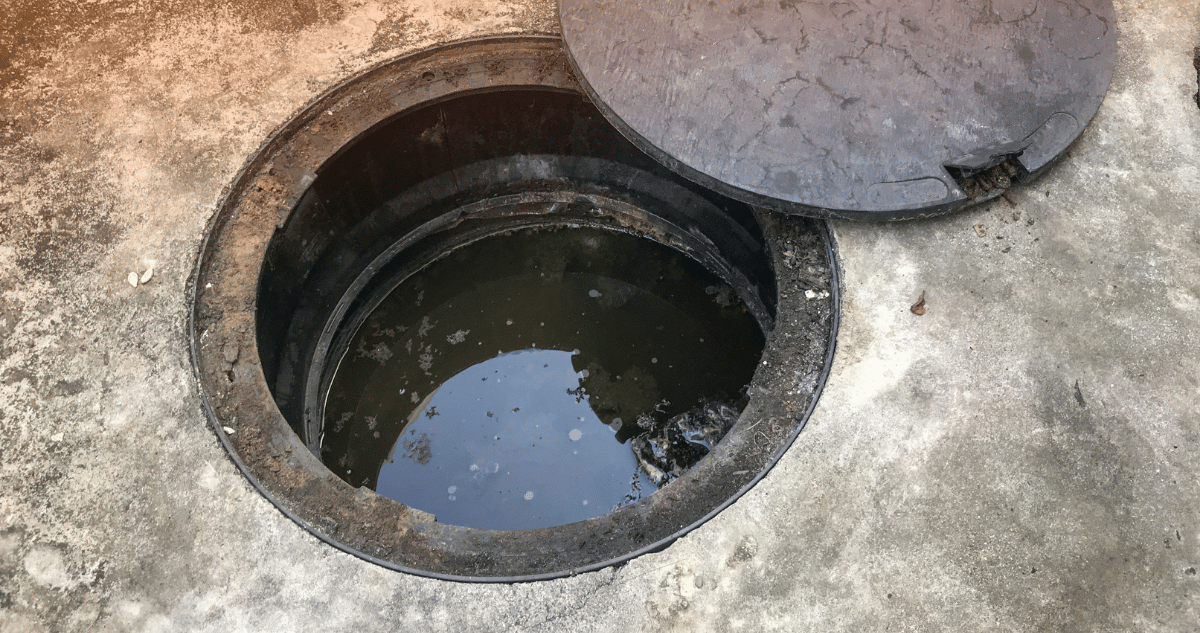
Heavy rain is part of life around Puget Sound, but in older parts of Seattle, a strong storm can create a problem most property owners rarely see. Stormwater and wastewater can share the same sewer pipes, and when those pipes exceed capacity, polluted water can overflow into nearby waterways.
In 2026, combined sewer overflows remain especially relevant because major infrastructure improvements are underway while property owners still need to manage the plumbing and drainage systems on their side of the equation.
Quick answer: Combined sewer overflows matter because roughly one-third of Seattle uses a combined sewer system, according to Seattle Public Utilities. During heavy rainfall, these pipes can become overwhelmed and release a mixture of stormwater and wastewater into local waters. Public projects are reducing these overflows, but homeowners and businesses can also benefit from understanding how drainage, sewer condition, and improper stormwater connections affect their properties.
What local readers should know
-
Roughly one-third of the city is served by combined sewer infrastructure where wastewater and stormwater travel through the same system.
-
Heavy rainfall can overwhelm combined systems and result in discharges to waterways such as Lake Union, Salmon Bay, and the Lake Washington Ship Canal.
-
Ballard, Fremont, Queen Anne, Wallingford, and other older neighborhoods are connected to major ongoing overflow-control efforts.
-
A municipal combined sewer overflow is different from a sewer backup inside a home or business, although wet weather can reveal problems with private plumbing.
-
Keeping private drains and sewer lines in good condition can help property owners reduce their own risk during periods of heavy rainfall.
Why Combined Sewer Overflows Matter in Seattle
Combined sewer overflows matter in Seattle because heavy rain can put enormous amounts of stormwater into an older wastewater network that was designed to carry both sewage and runoff in many neighborhoods. When capacity is exceeded, overflow points protect the system from becoming overloaded by releasing combined flows into receiving waters.
This is particularly relevant around the Lake Washington Ship Canal, Lake Union, Salmon Bay, Elliott Bay, and other local waterways.
The issue is also tied closely to the city’s development history. Older neighborhoods were built when combined sewer systems were a common approach. Modern drainage practices are different, but replacing or modifying an underground network serving a dense city takes major long-term investment.
For local property owners, the important distinction is that a city CSO does not automatically mean something is wrong with the plumbing inside a building. Still, the same wet weather that strains public infrastructure can expose blocked drains, deteriorated sewer laterals, root intrusion, and other private-side problems.
At Goldstar Plumbing, we encourage property owners to treat recurring drainage or sewer symptoms during storms as something worth investigating rather than assuming the municipal system is always responsible.
What 2026 Data and Projects Tell Local Property Owners
Seattle’s public infrastructure work shows that combined sewer overflows remain an active water-quality and capacity issue in 2026, even after years of investment. Seattle Public Utilities reports that approximately one-third of the city has combined sewer infrastructure and says nearly $1 billion has been invested in CSO reduction since 2008.
One of the most visible projects is the Ship Canal Water Quality Project, a joint effort involving Seattle Public Utilities and King County Wastewater Treatment Division.
Its centerpiece is a 2.7-mile underground storage tunnel extending from Ballard to Wallingford. During major storms, the tunnel is designed to temporarily hold more than 30 million gallons of combined stormwater and sewage until treatment capacity becomes available.
Seattle Public Utilities estimates the overall project will keep more than 75 million gallons of polluted stormwater and sewage out of Lake Union, Salmon Bay, and the Lake Washington Ship Canal in an average year.
Work remains active in 2026. Ballard conveyance construction and pump station work are among the project components continuing as the larger system moves toward operation.
The city is also developing its Seattle Overflow Action Plan, with preliminary planning extending through 2026 and future design and implementation work planned through 2037.
How Wet Weather Can Affect Your Plumbing
Wet weather can affect local plumbing by exposing drainage and sewer problems that remain less noticeable during dry conditions. Slow pipes, damaged sewer laterals, inappropriate stormwater connections, roots, or existing obstructions may become much more apparent when prolonged Pacific Northwest rain places additional demands on drainage systems.
Property owners might notice a drain that works normally most of the year but slows during extended rain. Others may hear toilets gurgle or notice water appearing around a basement or lower-level drain.
Those symptoms deserve attention because a private plumbing problem and a public-system capacity problem require different responses.
A plumber can investigate accessible portions of the private plumbing and sewer system to determine whether there is evidence of a blockage, damaged line, or another condition on the property.
Warning Signs of a Private Sewer or Drain Problem
Warning signs of a private sewer or drain problem include recurring backups, multiple slow fixtures, sewage odors, and symptoms that become worse during rainy weather. These clues are particularly worth investigating when they affect several drains instead of one isolated sink or tub.
Watch for:
-
Several drains becoming slow at the same time
-
Toilets bubbling or gurgling when another fixture drains
-
Wastewater appearing in a basement or lower-level drain
-
Persistent sewage odors indoors or around the property
-
Recurring clogs after previous drain clearing
-
Drainage problems that consistently appear during heavy rain
-
Unusually wet or sunken areas near a buried sewer route
-
Water backing up at the lowest plumbing fixtures in the building
A single slow sink may simply have a localized clog. Multiple affected fixtures can indicate a problem farther downstream.
When to Call a Plumber
Call a plumber when drainage problems affect multiple fixtures, repeatedly return, produce sewage indoors, or become noticeably worse during storms. These conditions can point to an obstruction or sewer-line issue that cannot be diagnosed reliably from the surface.
Homeowners can safely monitor individual fixtures, keep outdoor drainage areas clear where appropriate, and note when symptoms occur.
DIY troubleshooting should stop when wastewater is backing into occupied areas or the source of a recurring sewer problem is unclear. Sewer work can involve sanitation hazards and buried infrastructure, so determining the location and cause of the problem is an important first step.
If a problem appears to involve the public sewer system rather than private plumbing, the appropriate local utility may also need to be contacted.
Common Causes of Local Sewer and Drain Problems
Common local sewer and drain problems include buildup, tree-root intrusion, aging piping, damaged sewer laterals, and stormwater entering places it should not. The mix varies considerably by property, which is why diagnosing the actual cause is more useful than assuming every rainy-day backup has the same explanation.
1. Blockages and buildup
Grease, debris, wipes, and other materials can reduce the usable diameter of a drain or sewer line. A partially restricted line may seem adequate until higher flows expose the problem.
2. Tree roots
Mature trees are part of neighborhoods from Ballard to Queen Anne, but roots can exploit openings in some buried sewer lines. Root intrusion can contribute to recurring restrictions.
3. Aging sewer laterals
Older properties may have sewer piping that has deteriorated, shifted, cracked, or otherwise developed defects over time.
4. Improper drainage connections
Roof and surface drainage should be managed according to the property’s approved drainage configuration. Improper connections can contribute unnecessary water to plumbing or sewer systems.
5. Low spots or damaged piping
A sewer line that has settled or been damaged can hold waste and debris, increasing the likelihood of recurring drainage trouble.
How to Reduce Wet-Weather Plumbing Problems
Reducing wet-weather plumbing problems starts with keeping drains clear, addressing recurring sewer symptoms early, and making sure stormwater is managed correctly for the property. Late summer and early fall can be useful times for Seattle property owners to address known drainage issues before the wetter part of the year.
Avoid flushing wipes, hygiene products, grease, or other materials that can contribute to restrictions.
Pay attention to recurring slow drains instead of repeatedly treating them as isolated clogs. If several fixtures are affected, determining what is happening in the main drainage path may prevent repeated surprises.
Property owners should also visually check accessible outdoor drainage areas and keep leaves and debris from creating obvious surface obstructions where it is safe to do so.
Changes to sewer or stormwater connections should be left to qualified professionals and handled according to applicable local requirements.
What to Expect From Professional Sewer Service
Professional sewer service should identify the likely location and nature of a private plumbing problem before recommending the appropriate next step. Depending on the symptoms and accessible plumbing, that could involve drain clearing, sewer inspection, targeted repair, or further evaluation of a damaged line.
The goal is not to promise that every wet-weather problem can be eliminated. Public sewer conditions, rainfall, private plumbing design, pipe condition, and property drainage can all affect what happens during a major storm.
A useful diagnosis helps separate conditions that can be corrected on the property from problems that may involve public infrastructure.
Common Mistakes During Heavy Rain
The most common wet-weather plumbing mistakes are ignoring recurring symptoms, assuming every backup is caused by the public sewer, and relying on repeated temporary fixes without finding the cause.
Mistake: Treating every slow drain as an isolated clog.
Consequence: A developing main-line restriction may continue getting worse.
Better approach: Look for patterns involving multiple fixtures or repeated problems.
Mistake: Assuming the city system caused an indoor backup.
Consequence: A private sewer defect may go undiagnosed.
Better approach: Have the private plumbing evaluated when symptoms point toward a property-side issue.
Mistake: Waiting until the next major storm.
Consequence: A manageable drainage problem can become far more disruptive when rainfall increases.
Better approach: Investigate recurring warning signs during normal conditions when possible.
A Common Local Scenario
A common local scenario is an older home that drains normally in dry weather but develops gurgling toilets or a slow lower-level drain during prolonged rain. That pattern does not prove that the municipal combined sewer is causing the problem.
For example, a property in Ballard, Wallingford, or another established neighborhood could also have a partially blocked or deteriorated private sewer lateral.
Instead of repeatedly clearing the nearest fixture, evaluating the larger drainage system can help identify whether there is a recurring private-side problem.
Plumbing Services That Can Help
Plumbing services can help determine whether rainy-day drainage symptoms originate in the private sewer or drain system and what corrective work may be appropriate. Depending on the problem, that may include drain cleaning, sewer-line evaluation, plumbing repairs, or other work based on the condition discovered.
The key is diagnosis first. Public CSO projects address regional infrastructure, while plumbers address the private systems serving individual properties.
DIY Monitoring vs. Professional Evaluation
DIY monitoring works for minor observations, while recurring backups, multiple slow drains, and sewage entering the building warrant professional evaluation. Knowing where that line falls can help property owners avoid unnecessary service calls without ignoring potentially significant sewer problems.
You can note which fixtures are affected, whether problems coincide with rain, and how frequently symptoms return.
Professional evaluation becomes more appropriate when the problem involves multiple fixtures, sanitation concerns, a buried sewer line, or repeated failures after previous clearing.
Service Areas
Local plumbing support is most useful when it reflects the housing, rainfall, and infrastructure conditions found throughout the Seattle area. We serve customers in Seattle and surrounding communities within our service area.
The Cost of Ignoring Recurring Sewer Problems
Ignoring recurring sewer problems can increase the risk of wastewater backups, water damage, disrupted plumbing use, and more complicated repairs. During the Puget Sound rainy season, a partially restricted or damaged private sewer may have less room for error when drainage conditions become demanding.
The point is not to panic every time it rains. Instead, pay attention to patterns.
A drain that has backed up several times, a toilet that repeatedly gurgles during storms, or wastewater appearing at the lowest fixture deserves investigation before the next stretch of heavy weather.
FAQ About Combined Sewer Overflows and Plumbing
What is a combined sewer overflow in Seattle?
A combined sewer overflow occurs when heavy rain causes a combined wastewater and stormwater system to exceed its available capacity. The excess mixture can then discharge through designated overflow points into local waterways. Roughly one-third of Seattle is served by combined sewer infrastructure, according to Seattle Public Utilities.
Does a Seattle CSO mean sewage will back up into my house?
No, a municipal CSO does not automatically mean sewage will back up into your house. Overflow points are part of the public wastewater system, while indoor backups can result from private blockages, damaged sewer laterals, or other plumbing conditions. Recurring indoor symptoms should be investigated separately.
Which Seattle waterways are affected by combined sewer overflows?
Combined sewer overflows can affect several local waterways depending on the overflow location and drainage basin. Lake Union, Salmon Bay, the Lake Washington Ship Canal, Elliott Bay, and other receiving waters are part of the broader regional CSO issue addressed by Seattle Public Utilities and King County projects.
Why is the Ship Canal project important in 2026?
The Ship Canal Water Quality Project is important in 2026 because work is still underway on infrastructure needed to put the major storage system into service. The project includes a tunnel running from Ballard to Wallingford plus conveyance and pumping infrastructure designed to reduce polluted discharges during heavy storms.
Are combined sewer overflows more common during Seattle’s rainy season?
Yes, CSOs are associated with periods of heavy rainfall, with King County noting that overflows usually occur during the wetter months from October through May. Residents planning swimming, wading, fishing, or boating near CSO locations should check current public overflow information and follow posted warnings.
Should I call a plumber if my drains slow down when it rains?
Yes, recurring rain-related drainage problems can justify a plumbing evaluation, especially when several fixtures are affected. Rain may simply coincide with a developing private sewer problem rather than being its sole cause. Identifying blockages or pipe defects can help distinguish private plumbing trouble from public-system conditions.
Can I prevent Seattle’s combined sewer overflows at my property?
An individual property owner cannot prevent the regional CSO problem, but responsible private drainage and sewer maintenance can still matter. Avoiding improper disposal, correcting private sewer defects, and maintaining appropriate drainage connections can help keep the property’s plumbing functioning as intended while public agencies address larger infrastructure.
Is it safe to enter local water after a combined sewer overflow?
King County advises staying out of affected water for 48 hours after a sewage and stormwater overflow. The county maintains current CSO status information for people considering swimming, wading, fishing, or boating near overflow locations. Posted warnings and current public-agency guidance should always take priority.
Protect Your Property Before the Next Stretch of Heavy Rain
Understanding the region’s combined sewer system helps homeowners separate a major public infrastructure challenge from plumbing problems that may exist on their own property. If drains repeatedly slow, gurgle, or back up during wet weather, identifying the cause early can make the next storm less disruptive.
Get Your Sewer and Drains Ready for Seattle’s Wet Weather
We can help evaluate recurring drain and sewer symptoms so you have a clearer picture of what is happening on your property.