

Is Your Home Ready for Seattle’s Rainy Season? 5 Ways to Prevent Sewer Backups and Flooding
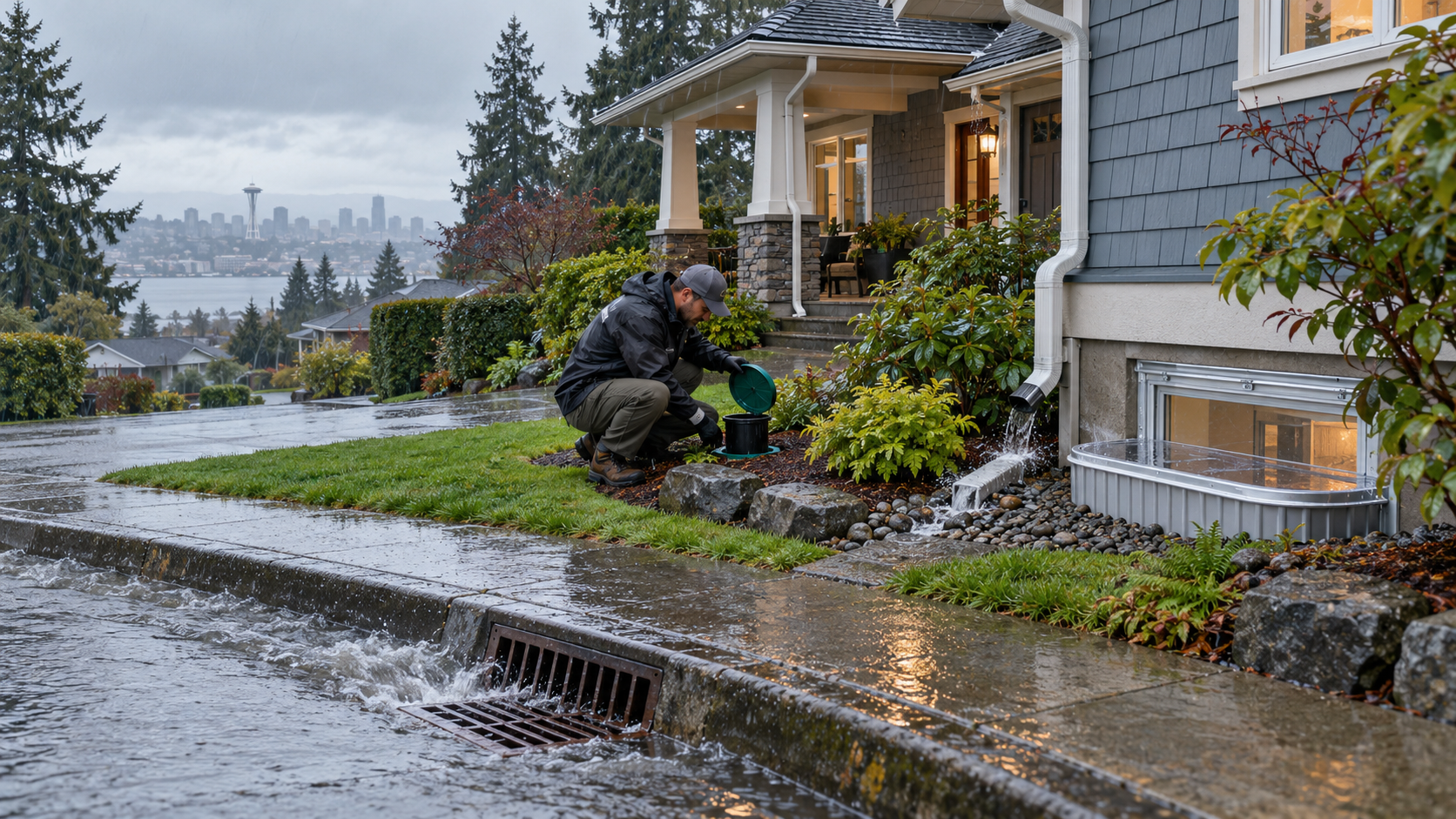
Rainy weather is part of life in Seattle, WA, but that doesn’t mean homeowners should have to worry about water collecting around their foundations or sewage backing up through their drains. As fall arrives and the Pacific Northwest transitions into its wetter months, fallen leaves, aging sewer lines, and overwhelmed drainage systems can create problems for properties that aren’t properly maintained. Whether you own an older home in Ballard or a newer property near Everett, preparing your plumbing and drainage systems before the next stretch of heavy rain can help protect your home.
Sewer backup prevention in Seattle starts with understanding how water moves around your property and through your plumbing system. Keeping storm drains clear, scheduling sewer line inspections, maintaining gutters, evaluating backwater valve options, and addressing drainage problems early can all help reduce the likelihood of water damage. While no single precaution can prevent every flooding situation, combining regular maintenance with professional assessments gives homeowners a practical way to prepare.
Here are a few important things to know before the rainy season:
-
Seattle’s frequent fall and winter rainfall makes storm drain maintenance particularly helpful for properties surrounded by trees and fallen leaves.
-
Older homes in neighborhoods such as Queen Anne, Capitol Hill, and Ballard may have aging sewer connections that benefit from periodic inspections.
-
Stormwater drainage and sanitary sewer systems serve different purposes, so clearing a storm drain won’t necessarily prevent sewage from backing up.
-
A properly installed backwater valve can provide additional protection against certain sewer backups, although not every property needs one.
-
Seattle and Everett homeowners can reduce potential plumbing problems by addressing slow drains, recurring clogs, and unusual sewer odors before heavy rainfall.
Why Seattle’s Rainy Season Makes Plumbing Maintenance So Important
Seattle’s rainy season makes plumbing maintenance important because prolonged rainfall can expose existing drainage problems, especially around properties with older sewer lines, poor surface drainage, or lower-level plumbing fixtures. Although most homes handle seasonal rainfall without major issues, identifying vulnerabilities beforehand can help homeowners avoid preventable water damage.
According to Seattle Public Utilities, heavy rainfall can overwhelm drainage infrastructure and contribute to flooding or sewer backups in certain areas. Some older neighborhoods have combined sewer systems, which carry both stormwater and wastewater through shared pipes. However, sewer configurations vary throughout Seattle and Everett, so homeowners shouldn’t assume their properties use a combined system simply because their homes are older.
These differences matter when determining which preventative measures will actually help. For example, clearing leaves from an exterior storm drain may reduce surface flooding, while inspecting a home’s private sewer lateral can reveal plumbing issues that wouldn’t be visible aboveground.
At Goldstar Plumbing, we believe homeowners deserve straightforward recommendations that address their property’s actual needs. As a family-owned, veteran-operated plumbing company, our approach centers on careful assessments, transparent communication, and helping homeowners make informed decisions about protecting their plumbing systems.
1. Keep Storm Drains and Exterior Drainage Areas Clear
Storm drain maintenance helps prevent localized flooding by allowing rainwater to enter drainage systems instead of collecting on streets, driveways, and other low-lying areas. During Seattle’s fall and winter months, leaves, twigs, and accumulated dirt can obstruct drainage openings, particularly near tree-lined residential streets.
Neighborhoods such as Green Lake, Wallingford, and Ravenna have mature trees that contribute to seasonal leaf accumulation. When leaves collect over drainage grates, rainwater may pool along curbs or flow toward driveways and lower sections of nearby properties.
Homeowners can help maintain drainage by taking several simple precautions:
-
Remove fallen leaves and yard debris before they wash toward storm drains.
-
Clear debris from safely accessible exterior drainage grates using a rake or appropriate tool.
-
Check driveway drains and outdoor drainage channels for visible obstructions.
-
Monitor areas where rainwater regularly collects near walkways or foundations.
-
Report blocked public storm drains that cannot be cleared safely.
Seattle Public Utilities recommends clearing accessible drains only when conditions are safe and staying out of the roadway. Homeowners should never enter storm drains, remove underground components, or attempt to clear drainage structures that require specialized equipment.
Remember that storm drain maintenance primarily helps manage surface water. If wastewater is backing up through toilets, showers, or basement floor drains, the problem may involve the sanitary sewer system and require a separate professional assessment.
2. Schedule Sewer Line Inspections Before Heavy Rainfall
Sewer line inspections help identify developing plumbing problems before they turn into recurring blockages or unexpected backups. For Seattle and Everett homeowners, periodic inspections can be particularly useful when a property has older underground piping, a history of sewer problems, or large trees growing near buried sewer connections.
A home’s sewer lateral carries wastewater from plumbing fixtures toward the public sewer connection or another approved wastewater disposal system. Over time, this underground piping can develop problems that interfere with normal drainage.
Common sewer line concerns include:
-
Tree roots entering through cracks or pipe joints.
-
Grease, debris, and other material accumulating inside pipes.
-
Cracked, deteriorating, or damaged sewer piping.
-
Misaligned pipe sections that restrict wastewater movement.
-
Low spots in sewer lines where wastewater and debris can collect.
A professional sewer camera inspection allows a plumber to examine accessible portions of the underground line without immediately excavating the property. Depending on the findings, recommendations may include targeted cleaning, additional evaluation, or repairs to damaged sections.
For homeowners in older neighborhoods such as Fremont or Beacon Hill, understanding the condition of existing sewer piping can be especially valuable when planning maintenance. However, the age of a home alone doesn’t determine whether its sewer line needs repairs.
3. Recognize the Warning Signs of a Potential Sewer Backup
Sewer backup prevention begins with recognizing drainage changes that may indicate a developing blockage or damaged sewer connection. In many cases, plumbing systems provide warning signs before wastewater begins backing up into lower-level fixtures.
Seattle-area homeowners should pay attention to these potential symptoms:
-
Multiple drains becoming slow around the same time.
-
Gurgling sounds coming from toilets or nearby drains.
-
Wastewater appearing in a shower or tub when another fixture is used.
-
Recurring toilet backups despite previous attempts to clear them.
-
Unpleasant sewage odors around floor drains or plumbing fixtures.
-
Water backing up through basement or lower-level drains.
-
Repeated drain blockages that return shortly after cleaning.
These symptoms don’t automatically mean a major sewer failure is developing. However, when multiple plumbing fixtures are affected, the issue may involve a shared drain or main sewer line rather than a single clogged fixture.
Homes with basement bathrooms, laundry rooms, or lower-level floor drains deserve particular attention because these fixtures may be among the first places wastewater appears during certain sewer backup conditions.
If sewage begins entering your home, stop using affected plumbing fixtures and avoid contact with contaminated water. A qualified plumber can help determine whether the problem originates within the home’s plumbing system, while the local sewer utility can provide guidance when public infrastructure may be involved.
4. Consider Whether a Backwater Valve Makes Sense for Your Home
A backwater valve can help prevent sewer backups by stopping wastewater from flowing backward through a connected drainage line under certain reverse-flow conditions. This plumbing device is designed to allow wastewater to move outward during normal operation while restricting reverse flow when pressure conditions change.
For some Seattle homeowners, particularly those with lower-level plumbing fixtures, a backwater valve may be worth discussing during a professional plumbing assessment. However, the need for this device depends on the home’s sewer configuration, elevation, existing plumbing, and applicable local requirements.
How Does a Backwater Valve Work?
A backwater valve uses a movable internal component that permits wastewater to flow in its intended direction. When wastewater attempts to move backward, the valve closes to help prevent sewage from entering the protected portion of the plumbing system.
Although that sounds relatively simple, proper installation requires more than placing a valve somewhere along the sewer line. The device must be appropriately selected, positioned, and installed based on the home’s plumbing layout and applicable code requirements.
Additionally, backwater valves require periodic inspection and maintenance because debris or mechanical problems may interfere with their operation. They also don’t prevent every type of flooding, including rainwater entering through foundation openings or surface water accumulating around a home.
Our goal is to help homeowners understand whether this option makes practical sense for their property. Rather than recommending the same equipment for every household, we believe the right solution should begin with evaluating the existing plumbing system.
5. Maintain Gutters, Downspouts, and Property Drainage
Maintaining gutters, downspouts, and exterior drainage helps direct rainwater away from vulnerable areas around a home’s foundation. Throughout the greater Puget Sound region, clogged gutters, disconnected downspouts, and poorly draining yards can contribute to water collecting near basements and crawl spaces.
For properties in Seattle, Shoreline, Lynnwood, and Everett, seasonal maintenance should include checking how rainwater moves around the house. Even when the sewer line is functioning properly, exterior drainage problems can allow water to enter through foundation cracks, window wells, or other openings.
Practical maintenance steps include:
-
Cleaning gutters and checking for sections that overflow during rainfall.
-
Inspecting downspouts to make sure water reaches an appropriate drainage location.
-
Keeping basement window wells and exterior stairwell drains free of debris.
-
Monitoring areas where water pools against the foundation.
-
Checking crawl spaces and basements for unexplained moisture.
-
Scheduling a professional drainage assessment when standing water repeatedly appears.
Seattle Public Utilities also encourages homeowners to maintain private drainage systems and direct water away from foundations without causing problems for neighboring properties. Drainage changes may need to account for local regulations, slope stability, and approved discharge locations.
It’s also worth remembering that plumbing and exterior drainage issues may require different specialists. A plumber can evaluate sewer connections and related plumbing components, while significant grading, foundation drainage, or slope concerns may call for additional professional expertise.
Common Mistakes Seattle Homeowners Should Avoid During Rainy Season
One common mistake is assuming that every drainage problem has the same cause. For example, clearing a storm drain may improve surface-water drainage, but it won’t remove tree roots or buildup inside a home’s sanitary sewer line.
Another mistake involves repeatedly treating slow drains with chemical cleaners without identifying the underlying problem. If a sewer pipe has structural damage or recurring root intrusion, temporary drain-clearing efforts may leave the actual issue unresolved.
Homeowners sometimes overlook minor plumbing changes because everything still appears to function normally. However, repeated gurgling, unpleasant odors, and slow drainage deserve attention, particularly when several fixtures begin showing similar symptoms.
Finally, waiting until a major storm to investigate a recurring problem can make scheduling repairs more complicated. Addressing maintenance concerns during relatively dry weather gives homeowners more flexibility to review inspection findings and discuss appropriate solutions.
Frequently Asked Questions About Sewer Backup Prevention in Seattle
1. What causes sewer backups during heavy rain in Seattle?
Sewer backups during heavy rainfall can occur when wastewater cannot move through the drainage system properly. Potential causes include blocked or damaged private sewer lines, reverse flow associated with certain public sewer conditions, and overloaded infrastructure in some areas. A professional assessment helps determine which issue applies to your property.
2. How often should Seattle homeowners schedule sewer line inspections?
Sewer inspection frequency depends on the property’s plumbing condition, previous drainage problems, and other risk factors. Older sewer piping, recurring blockages, and nearby tree roots may justify more frequent evaluations, while newer systems without symptoms may require less attention. A plumber can recommend an inspection schedule based on your home’s circumstances.
3. Can cleaning storm drains prevent sewer backups?
Cleaning storm drains can help prevent surface-water accumulation, but it doesn’t necessarily prevent sanitary sewer backups. Stormwater and wastewater often travel through different systems, although some Seattle neighborhoods have combined sewer infrastructure. Keeping exterior drains clear is valuable, but sewer backup prevention may also require inspection and maintenance of underground wastewater piping.
4. Do all older homes in Seattle and Everett need backwater valves?
No, not every older home needs a backwater valve. Whether installation makes sense depends on the plumbing configuration, sewer connection, elevation of lower-level fixtures, and applicable local requirements. A professional assessment can identify whether a valve would provide meaningful protection and where it could be installed appropriately.
5. What should I do if sewage starts backing up into my basement?
Stop using plumbing fixtures that could add more wastewater to the affected system and keep people and pets away from contaminated areas. Avoid attempting to handle sewage or dismantle plumbing components yourself. Contact a qualified plumber and notify the appropriate sewer utility when a public sewer problem may be involved.
6. Are sewer backups more common in older Seattle neighborhoods?
Older neighborhoods can contain aging sewer connections that may require additional maintenance, but the age of a neighborhood doesn’t automatically indicate a higher backup risk. Pipe condition, tree roots, drainage patterns, and sewer configuration all matter. An inspection provides more useful information than relying on a property’s age alone.
7. Can heavy rainfall cause flooding even if my sewer line is clear?
Yes, a properly functioning sewer line doesn’t eliminate the possibility of flooding from surface water. Heavy rainfall, blocked outdoor drains, overflowing gutters, and poor grading can allow water to collect near a home’s foundation. These problems require drainage-focused solutions rather than sewer cleaning alone.
8. When is the best time to prepare my Seattle home for rainy season?
Late summer and early fall are practical times to inspect drainage areas, remove accumulated debris, and address existing plumbing concerns before wetter weather becomes more consistent. However, preventative maintenance remains helpful throughout the rainy season. Regularly checking accessible drains after significant leaf accumulation or storms can reduce avoidable drainage problems.
Protect Your Seattle Home With Plumbing Maintenance You Can Trust
Seattle’s rainy season doesn’t have to leave you wondering whether your plumbing is prepared for the next storm. By maintaining exterior drainage, identifying sewer line problems early, recognizing warning signs, and considering preventative equipment when appropriate, you can take meaningful steps toward protecting your property. Whether you live in Seattle, Everett, or another nearby Puget Sound community, understanding your home’s plumbing and drainage systems is one of the most practical ways to reduce avoidable surprises.
At Goldstar Plumbing, we believe good plumbing service begins with listening to homeowners and providing clear, useful recommendations. As a family-owned, veteran-operated business, we’re committed to honest communication, quality workmanship, and helping our customers understand their options before moving forward. Whether you’re dealing with recurring drainage concerns or want a professional opinion about your sewer line, we’re here to help you make informed decisions about your home’s plumbing.
Get Your Plumbing Ready for Seattle’s Rainy Season
Don’t let an unresolved drainage concern catch you off guard during the next stretch of wet weather. Contact our team to discuss your plumbing concerns, explore preventative maintenance options, or request a professional assessment.