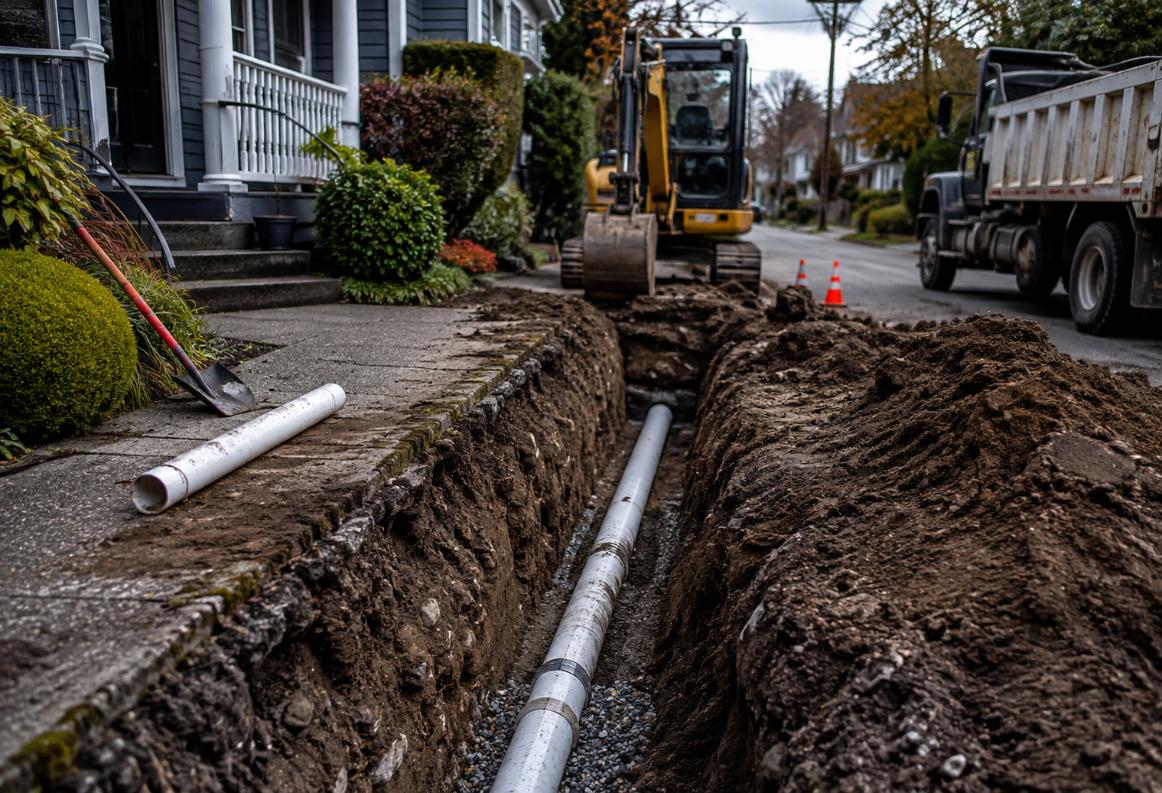
A failing side sewer can turn into an expensive property problem quickly, especially in older Seattle neighborhoods where sewer lines may run beneath landscaping, driveways, sidewalks, or mature trees. If you are dealing with recurring backups, slow drains, or a damaged sewer line, understanding replacement costs can help you plan before the problem becomes more disruptive.
Quick answer: Side sewer replacement in Seattle does not have one reliable flat price because the final cost depends heavily on the pipe’s length, depth, condition, location, access, and replacement method. Excavation beneath a driveway or other hardscape can add substantial work, while trenchless options may reduce surface disruption when site and pipe conditions allow. A sewer camera inspection and site-specific estimate are the best ways to determine your actual cost.
What local property owners should know
-
Sewer replacement costs can increase when the damaged line is deep, difficult to access, or located beneath concrete, pavement, retaining features, or established landscaping.
-
Older neighborhoods such as Ballard, Queen Anne, Capitol Hill, and Wallingford can have aging sewer infrastructure and mature trees that complicate sewer work.
-
A camera inspection can help identify breaks, root intrusion, offsets, deterioration, and other conditions before deciding whether repair or replacement makes sense.
-
Seattle property owners may need to account for permits, inspections, and restoration requirements depending on where the work occurs.
-
Trenchless replacement can reduce excavation in some situations, but it is not automatically the right solution for every side sewer.
Why Does Side Sewer Replacement Cost Vary So Much in Seattle?
Side sewer replacement cost in Seattle varies because every property has a different combination of pipe length, depth, access, surface conditions, and existing sewer damage. A relatively accessible line through an open yard can be very different from one running beneath a driveway, retaining wall, mature landscaping, or other difficult-to-disturb areas.
Seattle’s housing stock adds another layer. Properties in established neighborhoods may have older piping materials, mature trees, additions, remodeled outdoor spaces, and tight access between neighboring homes.
Where the damaged section sits also matters. A contractor needs to determine what portion of the sewer is affected, how it can be reached, and what surfaces must be restored afterward.
Goldstar Plumbing can help property owners evaluate the condition of a side sewer and understand the available repair or replacement approaches. From this point forward, we focus on what the inspection shows and which option makes practical sense for the property.
What Should Seattle Homeowners Know About Local Side Sewers?
Seattle homeowners should know that the side sewer generally connects a property’s plumbing system to the public sewer system, making its condition an important part of reliable wastewater drainage. Problems along this line can affect multiple fixtures inside the home rather than just one sink, toilet, or shower.
Seattle Public Utilities provides information for property owners regarding side sewers, including resources related to records and responsibilities. City requirements can also affect work involving public areas or connections to the municipal system.
Because requirements and individual property conditions can change, homeowners should confirm current permit and inspection requirements for their specific project rather than assuming that one replacement process applies everywhere.
What Factors Have the Biggest Impact on Side Sewer Replacement Cost?
The biggest side sewer replacement cost factors are pipe length, excavation depth, accessibility, replacement method, surface restoration, and the extent of the damage. These factors determine how much labor, equipment, material, and restoration may be involved in completing the work.
1. Length of the sewer line
A longer replacement generally requires more pipe, labor, and site work. The location of the failed section can therefore make a major difference.
2. Depth
Deep sewer lines typically require more excavation and additional jobsite considerations than shallow lines.
3. Access
A sewer running through an open portion of a yard may be easier to reach than one between structures or beneath hardscaping.
4. Surface conditions
Concrete, driveways, patios, landscaping, and other improvements may need to be removed or protected during conventional excavation. Restoration can become a meaningful part of the overall project.
5. Replacement method
Traditional excavation and trenchless techniques involve different equipment, site requirements, and restoration needs. The least disruptive method is not necessarily available on every property.
6. Existing pipe condition
A camera inspection may reveal isolated damage, widespread deterioration, root intrusion, separated joints, or other conditions. Those findings help determine whether a limited repair is reasonable or broader replacement should be considered.
What Are the Warning Signs of a Failing Side Sewer?
Common warning signs of side sewer trouble include recurring drain backups, multiple slow fixtures, sewage odors, unusual yard conditions, and problems that return after routine drain clearing. One clogged fixture does not necessarily indicate sewer failure, but repeated whole-house drainage problems deserve closer investigation.
Watch for:
-
Multiple drains backing up around the same time
-
Toilets bubbling when other fixtures drain
-
Recurring sewer or drain backups
-
Sewage odors indoors or around the property
-
Unusually wet or sunken areas along the sewer route
-
Drain problems that return soon after cleaning
-
Evidence of roots or damaged piping during a camera inspection
A professional inspection can distinguish a blockage that may be cleared from structural damage that may require repair.
When Should You Call a Sewer Professional in Seattle?
You should call a sewer professional when backups affect multiple fixtures, problems repeatedly return, sewage appears inside the property, or an inspection indicates structural pipe damage. Those conditions can point to a problem beyond a normal fixture or branch-line clog.
Homeowners can safely watch how individual fixtures drain and note when symptoms occur. Sewer excavation, pipe replacement, and work involving municipal connections are different matters.
Prompt diagnosis is particularly useful when wastewater is backing up into living areas or when continued sewer use could cause additional property damage.
What Commonly Causes Side Sewer Problems in Seattle?
Common local side sewer problems can involve aging pipe, tree-root intrusion, deteriorated joints, shifting or damaged sections, and obstructions inside the line. The actual cause should be confirmed through inspection because similar symptoms can result from very different sewer conditions.
Mature trees are common throughout neighborhoods such as Green Lake, Ravenna, West Seattle, and Beacon Hill. Roots can exploit openings in compromised sewer joints or damaged piping.
Older properties may also have sewer materials and connections that have been in service for decades. Age alone does not prove that replacement is necessary, but recurring problems combined with documented pipe deterioration can make replacement worth evaluating.
Can Side Sewer Problems Be Prevented?
Some side sewer problems can be reduced through careful drain use, timely inspections, and early attention to recurring symptoms, although homeowners cannot prevent every form of pipe deterioration. The most useful maintenance strategy is recognizing a developing problem before a severe backup or failure forces an emergency response.
Avoid flushing wipes and other materials that do not belong in the sewer system. Be cautious about sending grease and problematic debris down kitchen drains.
If your property has a history of root intrusion or recurring main-line blockages, ask a professional whether periodic inspection or maintenance is appropriate. DIY work should stop when the problem involves suspected pipe damage, excavation, or sewage exposure.
What Results Should You Expect From Side Sewer Replacement?
A properly planned side sewer replacement should address the damaged or deteriorated portion of the sewer and restore a dependable wastewater path from the property toward the municipal system. The exact project outcome and amount of surface disruption depend on the replacement method and conditions discovered during inspection.
Before work begins, property owners should understand which section is being replaced, the planned access method, expected excavation, restoration responsibilities, and applicable permit or inspection steps.
After replacement, ask what documentation is available regarding the completed work and what maintenance is appropriate for the new line.
What Mistakes Can Make a Seattle Sewer Problem More Expensive?
The costliest sewer mistakes usually involve repeatedly treating symptoms without identifying the underlying problem, delaying known structural repairs, or choosing a replacement approach before the line has been properly evaluated. A diagnosis-first approach gives property owners better information for comparing solutions.
Mistake: Paying repeatedly to clear the same blockage.
Consequence: Temporary flow may return while damaged piping remains unresolved.
Better approach: Investigate why the blockage keeps returning.
Mistake: Assuming every sewer problem requires full replacement.
Consequence: You may consider more work than the actual pipe condition requires.
Better approach: Determine the location and severity of damage first.
Mistake: Comparing estimates only by total price.
Consequence: Two proposals may include very different excavation, restoration, permitting, or replacement scopes.
Better approach: Compare what each estimate actually includes.
What Is a Common Side Sewer Scenario in Seattle?
A common Seattle side sewer scenario is an older property with recurring backups that continue even after the line has been cleared. A camera inspection may reveal roots, damaged joints, deterioration, or another structural condition that explains why the problem keeps returning.
This is a general local scenario, not a Goldstar Plumbing case study. The correct solution could range from maintenance or a localized repair to replacement, depending on what the inspection reveals.
The key is separating a removable obstruction from a damaged sewer that is likely to continue causing trouble.
What Services Can Help Solve a Side Sewer Problem?
Side sewer problems are best addressed by matching the service to the actual condition of the pipe, beginning with diagnosis and moving to cleaning, repair, or replacement when appropriate. This avoids treating every sewer symptom as the same problem.
Depending on the findings, relevant services may include sewer camera inspection, sewer and drain cleaning, targeted sewer repair, conventional sewer replacement, or trenchless solutions where conditions allow.
Is Sewer Repair or Replacement the Better Option?
Sewer repair is generally more appropriate for limited, repairable damage, while replacement becomes more practical when deterioration is extensive or recurring problems affect a larger portion of the line. The decision should be based on the pipe’s actual condition rather than age or symptoms alone.
A localized repair can make sense when damage is confined to a specific section. Replacement may deserve consideration when inspection shows multiple significant defects or deterioration that makes repeated repairs less practical.
Traditional excavation and trenchless replacement should also be compared based on access, existing pipe conditions, excavation requirements, and the surfaces above the sewer route.
What Areas Around Seattle Can Face Similar Sewer Issues?
Properties throughout Seattle and surrounding King County communities can experience sewer problems related to aging infrastructure, roots, difficult access, and established landscaping. Conditions vary significantly by individual property, even between neighboring homes.
Within the city, areas such as Ballard, Queen Anne, Capitol Hill, Wallingford, Green Lake, Ravenna, Beacon Hill, and West Seattle illustrate the range of older housing, mature vegetation, slopes, and dense development that can influence sewer projects.
What Can Happen If You Delay a Damaged Side Sewer?
Delaying a structurally damaged side sewer can lead to recurring backups, additional service calls, wastewater damage, and a more disruptive repair if the pipe continues to deteriorate. Not every sewer issue is an emergency, but documented structural damage should not be treated like an ordinary clog indefinitely.
Repeated backups can disrupt kitchens, bathrooms, laundry areas, and other parts of the property. If sewage is entering the home or the sewer is no longer functioning reliably, the need for professional evaluation becomes more urgent.
FAQ About Side Sewer Replacement in Seattle
How much does side sewer replacement cost in Seattle?
Side sewer replacement cost in Seattle must be estimated for the individual property because pipe length, depth, access, excavation, replacement method, and restoration can vary significantly. A camera inspection and site evaluation provide much more useful pricing information than a broad generic average that may not reflect your property.
Does Seattle require a permit for side sewer replacement?
Permit requirements can apply to side sewer work in Seattle depending on the scope and location of the project. Because requirements can change and projects differ, property owners should verify current rules with the appropriate City of Seattle department and make sure required approvals and inspections are included when planning the work.
Who is responsible for a side sewer in Seattle?
Responsibility depends on where the problem is located and how the property’s sewer connects to the public system. Seattle Public Utilities provides information about side sewers and property-owner responsibilities. Identifying the location of a defect is therefore an important early step when determining who should address the problem.
Can tree roots damage sewer lines in Seattle?
Tree roots can contribute to sewer problems when they enter openings in compromised pipes or joints. Mature vegetation throughout King County makes root intrusion a relevant concern, particularly when a line already has cracks, separations, or deteriorated connections. A sewer camera inspection can help determine whether roots are present and why they entered.
Is trenchless sewer replacement available in Seattle?
Trenchless sewer replacement may be an option for some Seattle properties, but suitability depends on the existing pipe, access, alignment, damage, and proposed replacement technique. It can reduce extensive surface excavation in appropriate situations. An inspection is necessary before deciding whether trenchless or conventional replacement is the better approach.
How do I know whether my sewer needs replacement or cleaning?
A sewer that simply contains a removable obstruction may need cleaning, while a line with significant structural deterioration may require repair or replacement. If backups repeatedly return after cleaning, a camera inspection can help identify roots, damaged sections, joint problems, or other conditions that explain the recurring trouble.
How long does side sewer replacement take?
Side sewer replacement time varies with the project’s length, depth, access, method, permitting needs, and restoration requirements. A straightforward accessible project may require substantially different scheduling than a deep line beneath hardscape or a difficult site. Ask for a project-specific timeline once the sewer has been inspected and the scope established.
Should I get a sewer inspection before buying an older Seattle home?
A sewer inspection can provide useful information when evaluating an older Seattle property, particularly if the condition of the side sewer is unknown. A camera inspection may identify defects or obstructions that are not visible during a standard walkthrough, helping buyers understand potential sewer-related maintenance or repair needs before making decisions.
Get Clear Answers About Your Seattle Side Sewer
Understanding the condition of your sewer is the first step toward making a sensible repair or replacement decision. We can help you identify the problem, understand the available options, and determine the appropriate next step for your property.
Protect Your Property With the Right Sewer Solution
Get a professional evaluation so you can make your decision based on the actual condition of your side sewer, not guesswork.
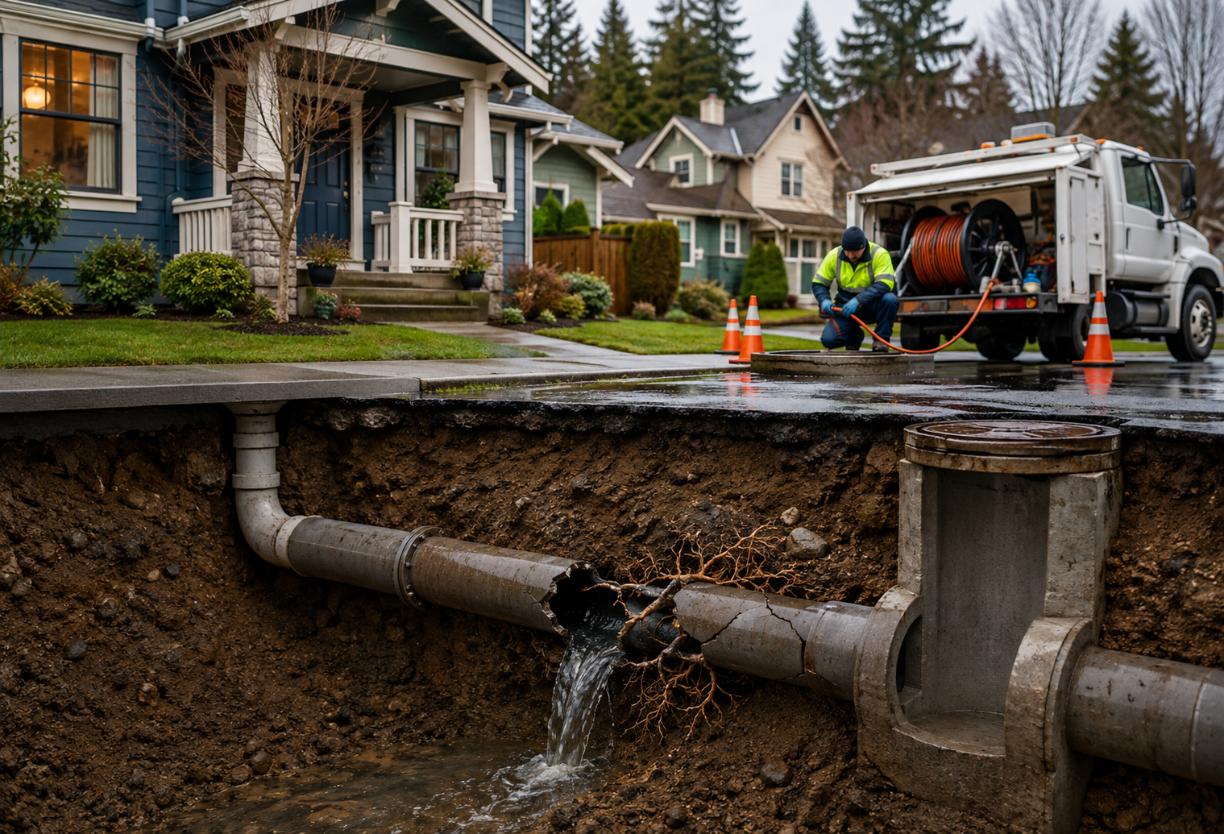
A backed-up or damaged side sewer can quickly turn into a major concern for Seattle homeowners, especially in older neighborhoods where sewer lines may have been in service for decades. Between mature tree roots, aging pipes, wet-season conditions, and the expense of excavating around a home, one of the first questions property owners often ask is whether homeowners insurance will help pay for the damage.
Quick answer: Homeowners insurance may cover some damage associated with a side sewer problem, but coverage depends on the cause of the loss and the terms, exclusions, endorsements, and limits in your specific policy. Standard policies do not necessarily pay to repair or replace the damaged sewer line itself. Sewer or drain backup coverage and service line coverage may provide additional protection when included in a policy.
What Seattle homeowners should know
-
A homeowners policy may treat damage inside your house differently from the cost of repairing the side sewer that caused it.
-
Sewer or drain backup coverage is often separate from the basic protections in a homeowners policy.
-
Service line coverage may apply to certain underground utility-line damage, depending on the policy and cause.
-
In Seattle, property owners are generally responsible for their side sewer, making it important to determine where a problem is located.
-
Older homes in neighborhoods such as Ballard, Queen Anne, Capitol Hill, and Wallingford may have sewer systems where age, roots, or previous repairs warrant closer investigation.
Why Does Side Sewer Insurance Coverage Matter in Seattle?
Side sewer insurance coverage matters in Seattle because homeowners can be responsible for underground sewer piping serving their property, while an insurance policy may cover only certain causes or portions of the resulting loss. Knowing the difference before approving repairs can help homeowners communicate more clearly with both their plumber and insurance carrier.
Seattle Public Utilities uses the term “side sewer” for the privately owned and maintained pipe carrying wastewater from a building toward the public sewer system. Responsibility for a particular repair can depend on where the defect is located and the circumstances involved.
That distinction can become especially important in established residential areas. Properties around Green Lake, Beacon Hill, West Seattle, and other older parts of King County can have landscaping, mature trees, retaining walls, driveways, or other features that complicate access to an underground sewer line.
Goldstar Plumbing works with local property owners facing plumbing and sewer concerns. When insurance may be involved, we can focus on identifying the plumbing problem and explaining the repair options while homeowners confirm coverage directly with their insurer.
What Local Data and Field Conditions Affect Side Sewers?
Seattle’s established housing stock, mature vegetation, and wet regional climate can all make side sewer condition an important property-maintenance issue. These conditions do not prove that a particular sewer has failed, but they provide good reasons to investigate recurring drainage symptoms instead of assuming every clog is a routine plumbing problem.
A side sewer can develop problems because of pipe deterioration, root intrusion, separated connections, cracks, obstructions, or movement around the pipe. The exact condition cannot reliably be determined from a home’s age or neighborhood alone.
A sewer camera inspection can provide more direct information about what is happening inside an accessible line. That information may also help a homeowner have a more specific conversation with an insurance company about the cause and location of damage.
How Can Side Sewer Damage Affect a Seattle Home?
Side sewer damage can affect a Seattle home through slow drainage, sewage backups, unusable plumbing fixtures, water damage, excavation needs, and disruption around the property. The severity depends on the location and type of failure as well as how quickly the problem is identified.
A blockage that is caught early may have a very different outcome from a collapsed or badly deteriorated line. If wastewater backs up into a basement or lower-level living area, the homeowner may face both a plumbing repair and cleanup or restoration work.
This is also where insurance questions become more complicated. A policy could potentially treat resulting interior damage differently from the failed underground pipe. Homeowners should avoid assuming that coverage for one automatically means coverage for the other.
What Are the Warning Signs of a Side Sewer Problem?
Common warning signs of a side sewer problem include recurring backups, multiple slow drains, sewage odors, unusual drain noises, and wastewater appearing at low plumbing fixtures. Seattle homeowners who notice several symptoms at once should consider having the sewer line evaluated rather than repeatedly treating individual drains.
Watch for:
-
Several fixtures draining slowly at the same time.
-
Toilets bubbling or gurgling when another fixture drains.
-
Recurring backups after a drain has already been cleared.
-
Sewage odors around drains, a basement, or the yard.
-
Wastewater backing up through a basement drain or other low fixture.
-
Unusually wet or sunken areas along a suspected sewer route.
-
A sudden change in drainage performance throughout the house.
-
Evidence of roots or structural pipe damage found during a camera inspection.
When Should You Call a Professional for a Side Sewer Problem?
You should call a plumbing professional when sewer symptoms affect multiple fixtures, repeatedly return after clearing, involve sewage, or suggest that the problem is in the main building drain or side sewer. A professional evaluation can help distinguish a localized fixture clog from a larger underground drainage problem.
Homeowners can safely note which fixtures are affected, when symptoms occur, and whether there has been a previous sewer problem. If sewage is actively backing up, limit unnecessary water use until the source is evaluated.
For insurance purposes, homeowners should also contact their carrier or agent promptly when a potentially covered loss occurs. A plumber can diagnose plumbing conditions, but the insurance company determines whether a loss is covered under the policy.
What Commonly Causes Side Sewer Damage in Seattle?
Common causes of side sewer problems in Seattle include root intrusion, aging pipe materials, cracks or separated joints, blockages, and structural deterioration. The most likely cause varies by property, so inspection is more reliable than guessing based solely on the age of the house.
1. Tree roots
Mature trees are part of many Seattle neighborhoods. Roots can enter an existing opening or vulnerable joint and create increasingly serious drainage restrictions.
2. Aging or deteriorated piping
Older properties may have sewer piping that has experienced decades of wear. Age alone does not mean a line requires replacement, but deterioration can increase the likelihood of defects.
3. Cracked or separated sections
Pipe movement or deterioration can create openings, offsets, or separations that interfere with normal flow.
4. Obstructions
Grease, debris, roots, and other materials can restrict a sewer line. Repeated obstructions may justify further investigation into the underlying pipe condition.
5. Structural failure
A severely damaged section may partially or completely lose its ability to carry wastewater properly. The appropriate repair depends on the location and extent of the damage.
How Can Seattle Homeowners Reduce the Risk of Sewer Problems?
Seattle homeowners can reduce sewer problems by paying attention to recurring drainage symptoms, using drains appropriately, and investigating known or suspected side sewer defects before they become more disruptive. Preventive attention is especially useful for older properties or homes with a history of sewer trouble.
Avoid sending grease, wipes, and inappropriate materials down household drains. Even products marketed as flushable can contribute to drainage problems.
If a home has recurring main-line blockages, consider asking whether a camera inspection would help identify the reason. Clearing the obstruction may restore flow, but it does not necessarily address a cracked, root-damaged, or deteriorated pipe.
Homeowners can also review their insurance before an emergency. Ask specifically about sewer or drain backup coverage and service line coverage rather than relying on the general phrase “homeowners insurance.”
What Results Can You Expect From a Side Sewer Inspection or Repair?
A side sewer inspection can help identify the location and visible nature of a sewer problem, while the appropriate repair can restore reliable wastewater flow when the diagnosed defect is addressed. The exact result and repair method depend on pipe condition, accessibility, location, and the extent of damage.
Some problems may involve clearing an obstruction. Others may require repairing or replacing damaged piping. A camera inspection can sometimes reveal roots, offsets, cracks, or other visible conditions, although additional investigation may be needed in some situations.
For an insurance claim, keep invoices, inspection findings, photographs, videos, and other documentation available. Your insurer can explain what documentation it requires and whether the diagnosed loss falls within your policy.
What Mistakes Should Homeowners Avoid With Sewer Damage?
The biggest mistakes with sewer damage are assuming insurance automatically covers it, repeatedly clearing a recurring problem without investigating the cause, and delaying action when sewage is backing up. A better approach is to diagnose the plumbing issue and verify policy coverage separately.
Mistake: Assuming all sewer damage is covered.
Consequence: A homeowner may approve work expecting reimbursement that the policy does not provide.
Better approach: Contact the insurer and ask what causes, resulting damage, service lines, and sewer backups are covered.
Mistake: Assuming no sewer damage is covered.
Consequence: A homeowner could overlook coverage or an endorsement that may apply.
Better approach: Have the carrier review the actual policy and circumstances.
Mistake: Treating every recurring backup as a simple clog.
Consequence: The immediate blockage may return if an underlying pipe defect remains.
Better approach: Consider further inspection when the same problem keeps happening.
What Is a Common Seattle Side Sewer Scenario?
A common Seattle side sewer scenario is an older home experiencing repeated main-drain backups that eventually lead the owner to investigate the underground sewer line. This is an illustrative local scenario, not a Goldstar Plumbing case study or a claim that every recurring backup indicates pipe damage.
Imagine a homeowner in Ballard who has had the main line cleared more than once. Another backup occurs, and a camera inspection identifies a damaged section with root intrusion.
At that point, two separate questions need answers. First, what plumbing work is appropriate to correct the sewer problem? Second, does the homeowner’s insurance policy cover the pipe damage, resulting property damage, cleanup, or any combination of those expenses?
The plumber addresses the first question. The insurance carrier addresses the second.
What Services Can Help Resolve a Side Sewer Problem?
Side sewer services can help locate blockages or damage, determine the condition of accessible piping, and identify appropriate repair options. The specific service a Seattle property needs should be based on diagnosis rather than choosing a repair method before the condition of the line is known.
Depending on the problem, professional plumbing assistance may include sewer and drain evaluation, camera inspection, clearing, repair, or replacement options.
How Should You Compare Your Side Sewer Options?
The best way to compare side sewer options is to match the solution to the diagnosed condition rather than automatically choosing the least expensive immediate fix or the most extensive repair. Seattle homeowners should consider whether the issue is a removable blockage, recurring root intrusion, localized pipe damage, or broader deterioration.
A straightforward obstruction may require a different response from a broken or collapsed pipe. Likewise, repeated clearing can become a short-term approach when a structural problem is causing the blockage to return.
Insurance should be considered separately. Ask your carrier whether the policy includes relevant coverage, what deductible applies, what documentation is required, and whether there are limits or exclusions that affect the claim.
Where Can Seattle-Area Homeowners Get Side Sewer Help?
Seattle-area homeowners can seek professional plumbing help when recurring backups or other drainage symptoms point to a possible side sewer problem. Property conditions can differ considerably between neighborhoods such as Capitol Hill, Queen Anne, Wallingford, West Seattle, Beacon Hill, and Ballard.
For properties elsewhere in King County, confirm service availability and local sewer responsibility requirements before scheduling work.
What Can Happen If You Ignore Side Sewer Damage?
Ignoring side sewer damage can allow recurring backups, drainage restrictions, or structural pipe problems to continue and potentially become more disruptive. For a Seattle household, that can mean lost use of plumbing fixtures, sewage entering lower areas of the home, additional cleanup, or a repair becoming more complicated.
Waiting can also make documentation harder if several unrelated plumbing events occur over time. When insurance might apply, report a potential loss according to the requirements of your policy and insurer.
FAQ
Does homeowners insurance cover side sewer repair in Seattle?
Homeowners insurance may cover certain side sewer losses in Seattle, but coverage depends on the policy and cause of damage. The pipe repair itself may be treated differently from resulting damage inside the home. Ask your insurer specifically about service line coverage, sewer backup coverage, exclusions, deductibles, and coverage limits.
Does homeowners insurance cover a sewer backup in Seattle?
A sewer backup may be covered when the homeowners policy includes applicable sewer or drain backup coverage. Standard coverage should not be assumed. Seattle homeowners should review their declarations and endorsements or contact their insurance carrier to determine whether backup damage and associated cleanup are covered.
Who is responsible for a side sewer in Seattle?
Property owners are generally responsible for their private side sewer, while Seattle Public Utilities maintains the public sewer system. The precise location of a defect can therefore matter when determining responsibility. If there is uncertainty about where the problem lies, identifying the location of the blockage or damage is an important first step.
Can insurance cover tree-root damage to a sewer line?
Insurance coverage for tree-root sewer damage depends on the specific policy, endorsements, and circumstances. Service line coverage may apply to certain underground line losses, but homeowners should not assume root intrusion is automatically covered. Have the plumbing condition documented, then ask the insurance carrier whether the diagnosed cause qualifies under the policy.
Are older Seattle homes more likely to need sewer inspections?
An older Seattle home may benefit from a sewer inspection when there are recurring backups, unknown sewer history, or other signs of a problem, but age alone does not prove the pipe is defective. Established neighborhoods can contain homes and underground infrastructure from many different periods, so the actual line condition should guide repair decisions.
Is a sewer camera inspection useful for an insurance claim?
A sewer camera inspection can be useful because it may document visible conditions and help identify the location and nature of a side sewer problem. Whether an insurer accepts or requires that documentation is up to the carrier. Keep inspection footage, findings, invoices, and available photographs when pursuing a potential claim.
What should I do if sewage backs up into my Seattle basement?
If sewage backs up into your Seattle basement, limit unnecessary water use and arrange for the drainage problem to be evaluated promptly. Avoid direct contact with sewage. If property damage has occurred and insurance may apply, contact your carrier promptly as well and follow its instructions regarding documentation and cleanup.
Should I call my plumber or insurance company first?
If there is an active plumbing emergency, contact a plumber to address the immediate sewer problem and your insurer promptly if property damage may be covered. The plumber can identify and document plumbing conditions, while the insurer determines coverage. Keep records from both so the cause, repair, and resulting damage remain clearly documented.
Protect Your Seattle Home From Recurring Sewer Problems
A side sewer problem does not automatically mean homeowners insurance will pay for every repair, but it also should not be assumed that no coverage exists. The cause of the damage, resulting loss, policy language, and optional endorsements all matter.
Get Clear Answers About Your Side Sewer Problem
We can help identify the plumbing issue so you can make informed repair decisions and discuss potential coverage with your insurance provider.
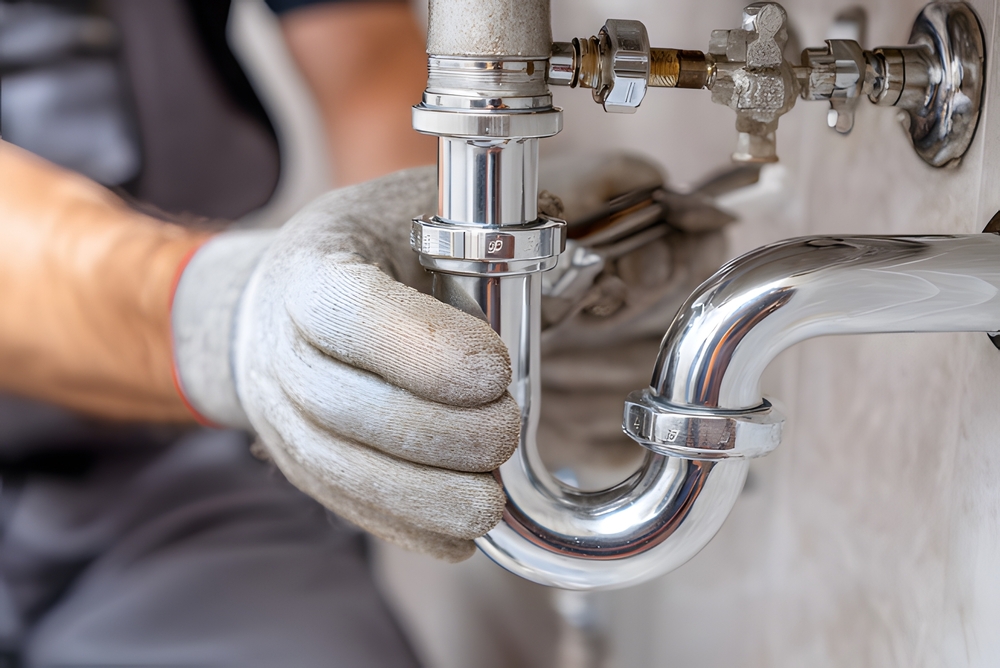
Spring is a season of renewal, growth, and warmer weather. As flowers bloom and the snow melts, homeowners often turn their attention to cleaning and home maintenance. However, spring also brings a unique set of challenges to your plumbing system. The shift in temperature, increased rainfall, and natural ground movement can all affect your pipes, drains, and outdoor plumbing. Understanding what spring brings to your plumbing can help you prepare, prevent costly repairs, and keep your system running smoothly.
Sump Pump Activation and the Risk of Flooding
One of the most immediate concerns in spring is sump pump activation. With heavy spring rains, your basement may be at risk of flooding if your sump pump is not working correctly. The ground becomes saturated as snow melts and rain falls frequently, and that excess water needs a place to go. For homes with basements, sump pumps serve as the last line of defense against water intrusion.
Testing your sump pump early in the season is crucial. Simply pouring a bucket of water into the pit and making sure the pump activates can help you determine whether it is functioning properly. If the pump fails to start or is slow to remove water, that is a strong sign it may need cleaning, repairs, or even replacement. Since it is the most critical component to test during the spring season, overlooking your sump pump could result in extensive water damage and mold growth in your basement.
Pipe Expansion and Hidden Leaks
As the ground begins to thaw and temperatures rise, pipe expansion becomes another pressing concern. During winter, pipes often contract in the cold, especially those located underground or near external walls. When spring arrives, the warming temperatures cause these pipes to expand. This process of contraction and expansion can stress pipe joints and seals, which may already be weakened from the freeze-thaw cycle of winter.
The result can be newly formed leaks that were not evident during the colder months. These leaks might appear in hidden areas like crawl spaces, basements, or behind walls, making them hard to detect immediately. Homeowners should monitor their water bills closely in spring. A sudden spike in usage may indicate a leak somewhere in the system. Additionally, any signs of moisture, musty odors, or mildew indoors should be investigated, as they might stem from stressed plumbing connections.
Drain Clogging from Spring Cleaning and Runoff
Spring cleaning is not just about dusting and decluttering. It often involves washing winter grime, salt, and grit off vehicles, driveways, and even indoor floors. All this debris finds its way into your home’s drains, and if not handled carefully, it can lead to drain clogging. Floor drains, in particular, may become overwhelmed or blocked if too much sand or residue enters the system.
This kind of buildup can reduce water flow, cause slow drains, and even result in backflow if left unaddressed. Sink and shower drains also suffer during spring, especially when homeowners clean out garages and basements, sending large volumes of water and particles down the pipes. Taking the time to install drain screens and conducting a quick inspection of floor drains can help prevent larger problems. It is also wise to schedule a professional drain cleaning if you suspect persistent clogging issues.
Root Intrusion and Sewer Line Damage
Trees and plants come to life in the spring, sending out new roots in search of moisture and nutrients. While this growth is a welcome sign of the season, it can wreak havoc on your underground plumbing. Root intrusion becomes a serious concern during this time, as aggressive roots may seek out even the tiniest cracks or joints in your sewer lines.
Once inside the pipe, these roots can expand and create blockages, slowing down drainage or causing total backups. In severe cases, they can even lead to pipe collapse. Homeowners with older clay or cast iron sewer lines are especially vulnerable, as these materials are more likely to have gaps or imperfections. Warning signs include slow drains in multiple areas of the house, gurgling toilets, or unpleasant odors coming from the yard. A camera inspection from a plumbing professional can identify root intrusion early, helping avoid costly excavation later.
Outdoor Spigot Stress and Frozen Pipe Damage
When temperatures dip below freezing during winter, water left in outdoor faucets or hose bibbs can freeze, expand, and crack the pipes. However, this damage often goes unnoticed until spring, when homeowners turn the spigots back on for gardening, washing cars, or outdoor chores. This is where outdoor spigot stress becomes a hidden issue.
The first time you use your outdoor faucet in the spring, watch carefully for signs of leaks inside the wall or along the pipe leading to the spigot. Even a small crack can result in water damage behind siding or in the basement. It is good practice to inspect the faucet before and after use. If you see water dripping or pooling near the foundation, turn it off immediately and have a plumber evaluate the damage. Installing frost-free hose bibbs can also help prevent this problem in future seasons.
Increased Water Pressure and Municipal Effects
Another unexpected effect of spring is increased water pressure. As rainfall becomes more frequent and the soil becomes saturated, it can influence the performance of water mains and local plumbing infrastructure. In some cases, this may affect the water pressure in your home.
Excessively high pressure can stress your pipes and fixtures, leading to premature wear or even burst pipes. If your home has a pressure regulator, spring is a good time to check that it is functioning properly. A failing regulator may allow pressure to spike unexpectedly. Signs of high pressure include banging pipes, dripping faucets, or toilets that continue to run. Installing a water pressure gauge on an outdoor spigot can help you monitor the system and ensure it remains within a safe range, typically between 40 and 60 psi.
Gutter and Downspout Runoff Management
With spring showers and melting snow, managing gutter and downspout runoff becomes a priority. If downspouts are not correctly directing water away from your foundation, the soil surrounding your home can become oversaturated. This puts unnecessary pressure on your foundation walls and main waste line, increasing the risk of basement leaks and sewage backups.
Make sure your gutters are free of debris and that downspouts extend at least several feet away from the base of your home. Adding splash blocks or flexible extensions can help guide water toward areas where it can safely drain. This not only protects your foundation but also helps maintain the stability of your yard and landscaping. Poor drainage can contribute to erosion or settling, which may further damage buried pipes.
Water Heater Sediment and Efficiency Loss
During the colder months, your water heater works harder to supply warm water for showers, laundry, and dishwashing. This heavy use often leads to the buildup of mineral sediment at the bottom of the tank. As spring rolls in and the demand slightly decreases, it becomes the perfect time to perform maintenance on your unit.
Flushing the tank removes sediment that can interfere with heating efficiency and reduce the lifespan of the appliance. A noisy water heater, particularly one that makes popping or rumbling sounds, is a common sign that sediment has accumulated. Regular flushing not only improves energy efficiency but also helps reduce the chance of tank corrosion or leaks later in the year.
Conclusion
Spring is a season full of promise, but it also carries its own plumbing risks. From sump pump activation due to heavy rain to root intrusion and outdoor spigot stress, each aspect of your system faces different seasonal challenges. Pipe expansion, drain clogging, and increased water pressure are additional issues that homeowners often overlook until they become emergencies. Even routine tasks like cleaning gutters or flushing a water heater can make a significant difference in the health and longevity of your plumbing.
Being proactive about your plumbing maintenance in the spring helps you avoid bigger problems down the line. Keep an eye out for subtle warning signs, and don’t hesitate to consult a professional if something seems off. By addressing these seasonal concerns early, you ensure a smooth transition into the warmer months ahead, with fewer headaches and more peace of mind.
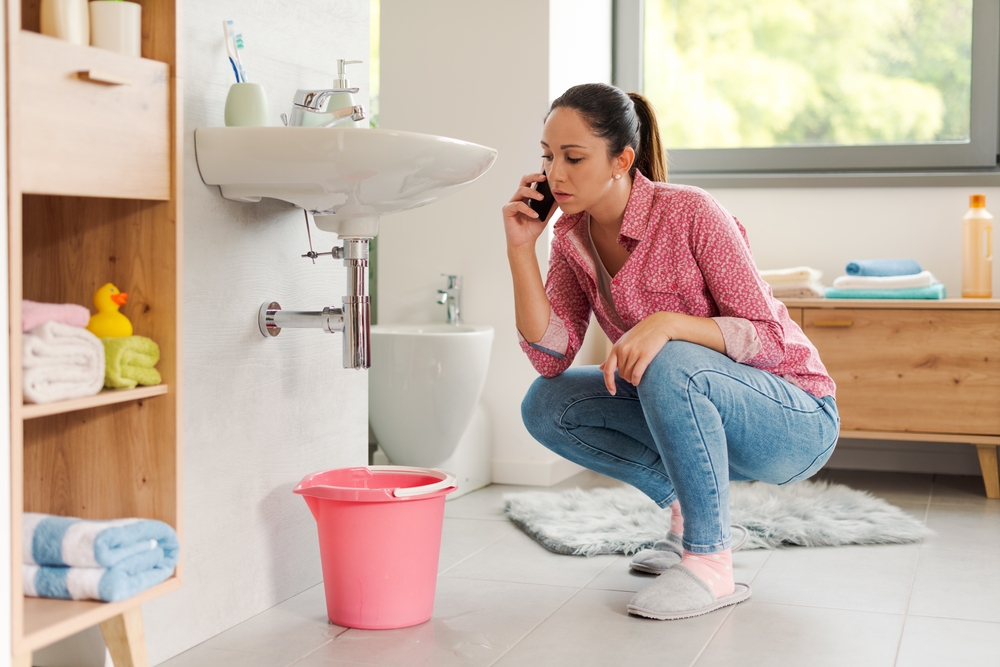
The holidays bring warmth, celebration, and often, a house full of guests. While it’s a joyful season, it’s also one of the most stressful times of the year for your home’s plumbing system. From extra dishes and showers to more frequent toilet use and colder temperatures, your pipes, drains, and appliances get put to the test.
Making smart choices about how you prepare and maintain your plumbing can mean the difference between a smooth holiday season and an expensive emergency. Below, we dive into the best (and worst) things you can do for your home plumbing during the holidays, from grease disposal habits to water heater tune-ups.
Practice Proper Grease Disposal (Best) vs. Pouring Grease Down the Drain (Worst)
One of the most common and damaging holiday plumbing mistakes happens right in the kitchen: pouring grease down the sink. When you cook those delicious roasts, fry bacon for breakfast, or prepare holiday sides with butter and oil, it’s tempting to rinse pans in the sink. However, pouring grease down the drain is a surefire way to clog pipes. As fats, oils, and grease cool, they solidify, sticking to the interior of your pipes and collecting debris, eventually leading to stubborn, pipe-choking blockages.
Instead, the best method of grease disposal is to let it cool in a disposable container and toss it in the trash. Wipe down greasy pans with paper towels before washing, and educate your guests or helpers in the kitchen. Avoiding this mistake alone can save you from an untimely holiday plumbing emergency.
Schedule a Water Heater Tune-Up (Best) vs. Turning Off the Heat When Traveling (Worst)
The demand for hot water spikes during the holidays, especially when your home is full of family and guests. Showers, dishwashing, and laundry can all put stress on your water heater. To avoid cold showers and overworked systems, a water heater tune-up before the holidays is a wise move. This includes checking the temperature and pressure relief (TPR) valve, flushing the tank of sediment buildup, and setting the thermostat to 120°F. This ensures your system runs efficiently while meeting the demand for warm water without overheating or posing a scalding hazard.
In contrast, a major mistake homeowners make when leaving town is turning off the heat entirely to save on utility bills. While it may seem harmless, this can cause water in your pipes to freeze, expand, and burst—leading to flooding and costly repairs. Instead of shutting off the heat, keep your thermostat at a minimum of 55°F and consider installing a smart thermostat that allows remote monitoring. This small step can prevent frozen pipes and plumbing disasters while you’re away enjoying the holidays.
Perform Drain Maintenance (Best) vs. Ignoring a Slow Drain (Worst)
With more people using the showers, sinks, and toilets in your home, slow drains can quickly turn into serious clogs. Ignoring a slow drain is risky, especially when your house is full. A sink or tub that’s sluggish to empty today can become completely backed up tomorrow under the added stress of guests and frequent use.
That’s why proactive drain maintenance is essential. Before the holidays arrive, test all your household drains and address any signs of blockage. Use a plunger, plumber’s snake, or natural enzyme cleaner to clear minor buildups, or call in a plumbing professional for more stubborn issues. Making sure your drains are clear before the crowd arrives will help your plumbing system handle the holiday load without issue.
Provide Toilet Education (Best) vs. Flushing Wipes and Other Items (Worst)
Guests may not know your home’s plumbing system the way you do. That’s why a little toilet education can go a long way. The best practice is to ensure only toilet paper goes down the toilet—no wipes, paper towels, feminine products, or anything labeled “flushable.” These items do not break down like toilet paper and can quickly clog pipes and even damage septic systems.
Consider placing a small sign in the guest bathroom that kindly reminds users to only flush toilet paper. Keep a trash can nearby and clearly visible to provide an easy alternative. This minor addition can prevent embarrassing backups and plumbing emergencies, keeping your holiday gathering running smoothly.
Install Exposed Pipe Insulation (Best) vs. Leaving Pipes Vulnerable During Cold Snaps (Worst)
As temperatures drop, pipes located near exterior walls or in unheated areas of your home are at high risk of freezing. Frozen pipes can burst and cause severe water damage, especially if they go unnoticed during a busy holiday weekend. Insulating exposed pipes is one of the best preventative measures you can take during the colder months.
Use foam pipe insulation or heat tape on pipes in basements, garages, crawl spaces, or attics. Pay special attention to those in areas that aren’t heated or that run along outside-facing walls. This exposed pipe insulation can keep your plumbing safe during a sudden freeze and give you peace of mind throughout the holiday season.
Neglecting to insulate these vulnerable pipes—or turning off your home’s heat while traveling—can be a recipe for disaster. Not only could you return to a flooded home, but the damage may be extensive enough to require major repairs just when you’d rather be enjoying a restful start to the new year.
Don’t Overwork the Garbage Disposal (Worst)
While the garbage disposal may seem like a miracle appliance, it is not designed to handle everything. Overworking the disposal is one of the worst things you can do for your kitchen plumbing, especially during the holidays when you’re generating more food waste than usual. Stringy vegetables like celery, starchy potato peels, bones, coffee grounds, and eggshells are all notorious for damaging or jamming garbage disposals.
Even more dangerous is trying to stuff too much food waste into the disposal at once. This not only causes jams but can also strain your plumbing and lead to clogs further down the line. Instead, feed scraps into the disposal slowly with running cold water, and avoid putting in anything that should go in the trash or compost.
If you’re preparing large meals, consider scraping plates into the trash before rinsing and encourage guests to do the same. This keeps your disposal running smoothly and protects your drains from unnecessary strain.
Conclusion
Your plumbing system works overtime during the holidays, and small mistakes can quickly lead to costly and inconvenient problems. By focusing on the best habits—such as proper grease disposal, drain maintenance, water heater tune-ups, toilet education, and pipe insulation—you can keep your home running efficiently and avoid calling a plumber during your celebration.
At the same time, avoiding the worst practices—like pouring grease down the drain, overworking the garbage disposal, flushing wipes, ignoring slow drains, and turning off the heat—will protect your plumbing and prevent emergencies that could ruin the holiday spirit.
A little preparation goes a long way. Your guests (and your wallet) will thank you for taking these smart steps to safeguard your plumbing system during the most wonderful time of the year.
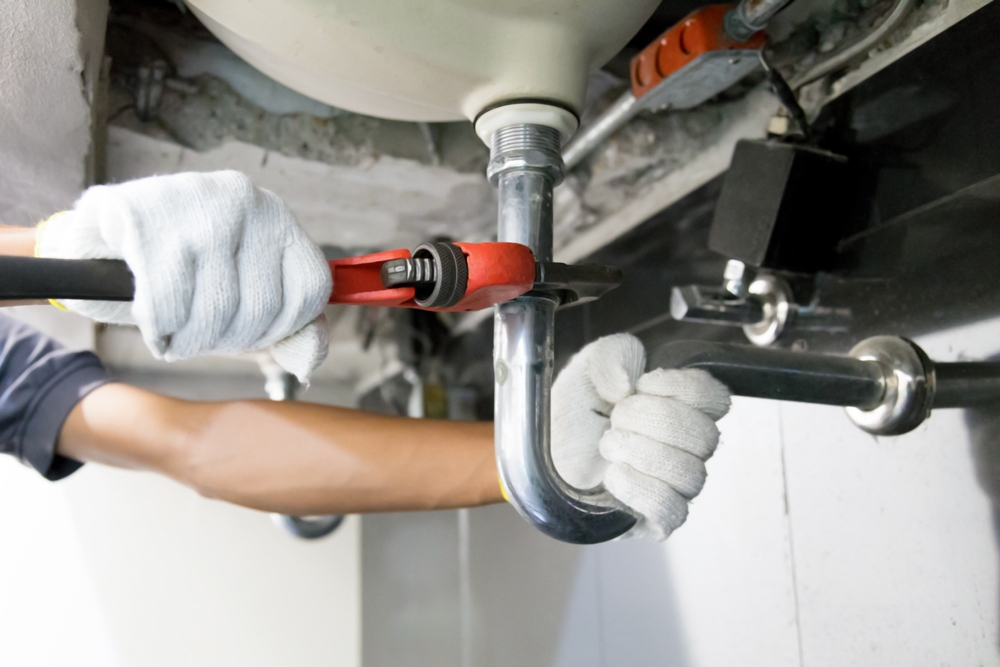
As the sun intensifies and temperatures soar, many homeowners eagerly anticipate backyard barbecues, pool parties, and long days outdoors. But with the joys of summer come specific maintenance needs that shouldn’t be overlooked. One critical, often forgotten area is your home’s drainage system. Ensuring your drains are prepped for summer can protect your property, health, and wallet. The heat and increased water usage during these months can strain your plumbing and sewage infrastructure, making drainage maintenance in summer not just a recommendation, but a necessity.
Why Summer Puts Extra Pressure on Your Drainage System
Summertime introduces a variety of stressors on your drainage and sewage systems. First, there’s the issue of increased water usage. Whether you’re watering lawns, filling up pools, or entertaining more guests than usual, your home’s plumbing experiences heavier demand. That means more strain on both indoor drains and external systems like gutters and storm drains.
High temperatures can exacerbate issues that may otherwise remain dormant. For example, tree roots—searching for moisture—often invade older or cracked sewer lines. Once inside, they can grow rapidly, causing serious blockages and even bursting pipes. If your property relies on clay or cast iron pipes, which are more susceptible to cracking under intense heat, the risk is even higher.
Additionally, the dryness of summer ground can cause the soil to shift, especially after heavy irrigation or rainfall, leading to pipe misalignment or damage. Without drain and sewer repair in summer, these small structural issues can evolve into expensive emergencies.
Common Drainage Issues During the Summer
One of the most common summertime drainage issues is slow or clogged indoor drains. Showers, sinks, and toilets may begin to drain sluggishly, often due to a buildup of hair, soap scum, or grease. The problem may seem benign at first, but it can quickly lead to more serious issues, especially if your plumbing is older or if there’s an underlying issue like a collapsed pipe.
Another seasonal concern is stormwater drainage. Summer storms, though often brief, can be intense. Without proper preparation, storm drains can become overwhelmed, resulting in localized flooding. If your outdoor drainage system is cluttered with debris such as leaves, sticks, or grass clippings, it won’t function effectively. That’s why drainage maintenance in summer includes clearing these entry points to prevent blockage and ensure the free flow of water.
Insects and pests are another factor. Mosquitoes, for example, are drawn to standing water. Blocked or poorly functioning outdoor drains can become breeding grounds for these pests, creating not only discomfort but also potential health risks. Rodents and other vermin may also exploit gaps in damaged drainage lines for shelter and water access.
Lastly, odor issues often arise in the summer. Heat causes gases in the sewer to expand, pushing them through any weak seals or vents. If you detect a foul smell indoors or outdoors, it’s likely a sign that your system needs a checkup. Ignoring such signs can lead to sanitation problems and reduce the comfort and safety of your home.
The Importance of Preventive Drain and Sewer Maintenance
The key to avoiding drainage disasters during the summer is proactive maintenance. Before the full heat of summer hits, homeowners should inspect and clean their drains, especially if the system has shown signs of wear or inefficiency in the past. Regular inspections can identify issues like root intrusions, pipe corrosion, or buildup before they lead to backups or overflows.
Hiring professionals for drain and sewer repair in summer is often more efficient and cost-effective than waiting for an emergency. Professional plumbers use cameras to inspect drain lines, allowing them to pinpoint blockages and damage without digging up your yard. High-pressure water jetting can clear out even stubborn clogs, restoring flow and preventing future obstructions.
Summer is also a great time to update old systems. If your home still relies on outdated materials like galvanized steel or clay pipes, replacing them with modern, more durable alternatives can improve performance and increase property value. In the long run, this can save you money and headaches.
Routine tasks like cleaning out gutters, checking downspouts for obstructions, and ensuring that all external drains are free of debris are simple but critical components of drainage maintenance in summer. They help mitigate flooding risks and maintain the integrity of your property’s foundation.
Preparing Your Sewage System for the Heat of Summer
Sewage systems are particularly vulnerable in hot weather, especially in older homes or regions with extreme summer climates. Preparing your sewage systems for the heat of summer starts with understanding how they work. Wastewater from your home is carried through a series of pipes to the main sewer line. If any part of this chain is compromised—whether due to heat-related expansion, root intrusion, or clogging—the entire system can be affected.
Begin your preparation by scheduling a full sewage system inspection. Many service providers offer seasonal maintenance packages that include line flushing, root removal, and leak detection. This is especially important if your property has experienced foul odors, slow drainage, or gurgling noises from toilets or sinks.
During your inspection, make sure that vent pipes are unobstructed. These allow sewer gases to escape above your roofline rather than backing up into your home. Summer storms can blow debris into these vents, and animals sometimes build nests inside them. A clogged vent pipe can lead to pressure imbalances, causing water to siphon out of traps and sewer smells to enter your home.
It’s also wise to check for signs of septic system overload if your property isn’t connected to a municipal sewer. Increased summer water use can overwhelm a small or aging septic tank. Have your tank pumped and inspected if it hasn’t been serviced in the last three to five years. Be mindful of surface pooling in the yard, which may indicate a saturated drain field.
Implementing water conservation practices—like spacing out laundry loads, fixing leaky faucets, and installing low-flow fixtures—can reduce stress on your sewage system. This not only improves performance but also extends the life of your pipes and septic components.
Long-Term Benefits of Summer Drainage Care
Taking the time to prepare your drains and sewage system for summer pays off significantly in the long run. First and foremost, you avoid the high costs associated with emergency repairs. Fixing a burst pipe or clearing a major sewer backup can cost thousands of dollars, not including the potential damage to your home’s interior or landscape.
Regular summer maintenance also enhances your property’s value. A well-maintained drainage system is a strong selling point for prospective buyers and reflects the overall care you’ve taken with the home. On the flip side, neglecting drainage can lead to foundation issues, mold problems, and even structural damage—all red flags during home inspections.
There’s also the health factor. Proper drainage maintenance in summer helps prevent the spread of bacteria and disease by eliminating standing water, controlling pests, and ensuring that waste is disposed of safely. For families with young children, elderly members, or individuals with compromised immune systems, this peace of mind is invaluable.
Environmentally, clean and functioning drains reduce contamination risks to local waterways and groundwater sources. Ensuring that your property doesn’t contribute to runoff pollution is part of being a responsible homeowner.
Lastly, well-maintained drains and sewer systems reduce your environmental footprint. Energy and water usage are closely tied to plumbing efficiency. A leaky pipe or inefficient drainage system requires more energy to manage and more water to perform basic tasks. By preparing your systems now, you’re also making your home more sustainable.
Conclusion
Drain and sewer repair in summer and proactive preparing your sewage systems for the heat of summer aren’t just chores—they’re investments in your home’s safety, efficiency, and longevity. As you plan your summer activities, take a moment to look down—into your drains—and make sure they’re ready to handle everything the season has to offer.

