

Can You DIY Install a Pressure Reducing Valve?
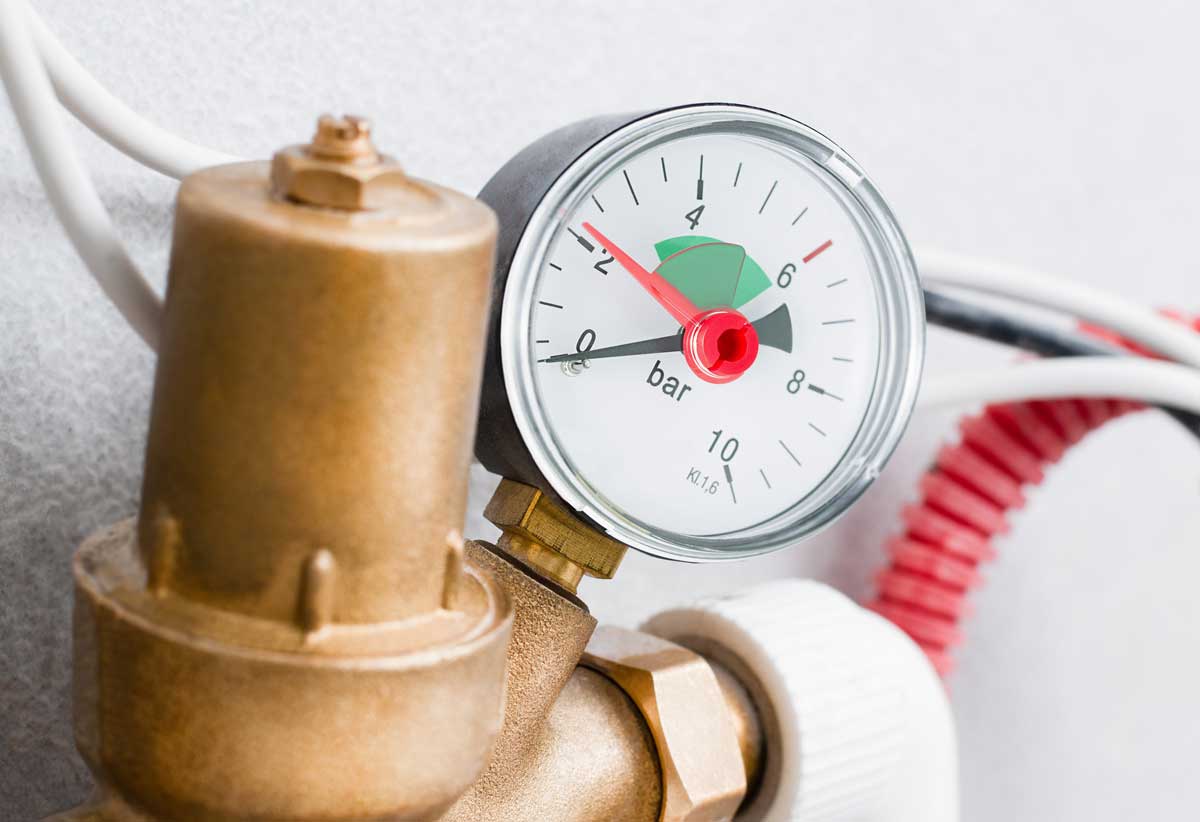
High water pressure can quietly damage plumbing systems long before homeowners notice a problem. In Seattle, WA, where neighborhoods feature everything from historic homes in Queen Anne to newer developments in Ballard and West Seattle, protecting pipes and fixtures is an important part of maintaining a reliable plumbing system.
Quick Answer
Yes, you can technically DIY install a pressure reducing valve (PRV) if you have advanced plumbing experience, the proper tools, and understand local plumbing codes. However, for most homeowners in Seattle, WA, installing a PRV is best left to a licensed plumber because the installation involves cutting into the main water line, selecting the correct valve size, adjusting pressure settings, and ensuring the system remains safe and leak-free.
What Local Readers Should Know
-
Many homes in Seattle experience varying municipal water pressure depending on elevation, neighborhood, and proximity to water infrastructure.
-
Installing a pressure reducing valve requires shutting off the home’s main water supply and modifying the incoming service line.
-
Incorrect installation can lead to leaks, water pressure issues, or premature valve failure.
-
Older homes in neighborhoods like Capitol Hill, Fremont, and Wallingford may have aging plumbing materials that require additional care during installation.
-
King County homeowners should always ensure plumbing work complies with applicable local plumbing regulations.
Why This Matters Locally
Pressure reducing valves are especially valuable in Seattle because of the area’s diverse elevations and wide range of home ages. Some neighborhoods receive naturally higher water pressure due to municipal distribution systems, while older plumbing found throughout Beacon Hill, Green Lake, and Magnolia may be less tolerant of excessive pressure. Managing water pressure helps protect appliances, water heaters, fixtures, and the home’s plumbing infrastructure.
Goldstar Plumbing helps homeowners throughout Seattle, WA evaluate whether a pressure reducing valve is needed and install it correctly. After this introduction, we’ll simply refer to ourselves as we because our focus is helping local homeowners make informed plumbing decisions.
Local Field Observations
Professional plumbers frequently encounter homes with water pressure well above the recommended operating range. While every property is different, excessive pressure often goes unnoticed until homeowners begin experiencing leaking faucets, running toilets, noisy pipes, or premature appliance failures.
In our experience serving the Seattle area, pressure concerns are especially common after municipal water system changes, neighborhood infrastructure upgrades, or in homes that have never had a pressure reducing valve installed.
How High Water Pressure Affects Seattle Homes
High water pressure creates extra stress throughout your plumbing system. Although stronger pressure may seem beneficial, it can shorten the lifespan of nearly every water-using fixture.
Potential impacts include:
-
Increased wear on pipe joints
-
More frequent faucet leaks
-
Water heater strain
-
Washing machine hose failures
-
Higher water bills from hidden leaks
-
Reduced lifespan of dishwashers and ice makers
-
Noisy plumbing inside walls
Over time, these small issues can become expensive repairs if excessive pressure isn’t addressed.
Warning Signs You May Need a Pressure Reducing Valve
Several symptoms suggest your home may have excessively high water pressure.
Common warning signs include:
-
Faucets that spray water unusually hard
-
Loud banging or vibrating pipes
-
Frequently leaking faucets
-
Running toilets that require repeated repairs
-
Water heater pressure relief valve dripping
-
Appliances wearing out earlier than expected
-
Multiple plumbing leaks developing within a short period
If several of these symptoms occur together, it’s worth having your water pressure professionally tested.
Can You Install a Pressure Reducing Valve Yourself?
Yes, DIY installation is possible, but it is not considered a beginner plumbing project.
A pressure reducing valve is typically installed on the home’s main water supply line immediately after the main shutoff valve. Proper installation requires:
-
Turning off the municipal water supply
-
Draining the home’s plumbing system
-
Cutting the main water line
-
Installing properly sized fittings
-
Ensuring the valve faces the correct flow direction
-
Adjusting outlet pressure
-
Testing for leaks
-
Verifying consistent pressure throughout the home
Even a minor installation mistake can create water damage or leave the home’s pressure improperly regulated.
When to Call a Professional
Homeowners can safely monitor water pressure using an inexpensive pressure gauge attached to an outdoor hose bib. If readings consistently exceed approximately 80 PSI or fluctuate significantly throughout the day, professional evaluation is recommended.
Professional installation becomes especially important when:
-
Copper pipes require soldering
-
PEX or galvanized piping needs modification
-
The main shutoff valve also needs replacement
-
Multiple plumbing upgrades are performed together
-
Pressure problems continue after installation
Licensed plumbers also ensure the valve is adjusted correctly for the home’s plumbing system.
Common Local Causes of High Water Pressure
Several factors contribute to excessive water pressure throughout Seattle.
Municipal Water Supply
Some neighborhoods naturally receive higher incoming pressure due to the design of the city’s water distribution system.
Elevation Differences
Seattle’s hills create pressure differences across neighborhoods such as Queen Anne, Capitol Hill, and West Seattle.
Older Plumbing Systems
Many older homes were built before pressure reducing valves became common, leaving plumbing vulnerable to today’s operating conditions.
Infrastructure Improvements
Utility upgrades can occasionally change neighborhood water pressure without homeowners immediately noticing.
Prevention and Maintenance
Pressure reducing valves generally require little maintenance, but periodic inspections help ensure reliable performance.
Helpful maintenance practices include:
-
Test household water pressure annually.
-
Watch for new plumbing leaks.
-
Replace aging shutoff valves when necessary.
-
Have the PRV inspected if pressure begins fluctuating.
-
Schedule plumbing inspections for older homes every few years.
Routine maintenance helps identify problems before they become expensive repairs.
What Results Should You Expect?
A properly installed pressure reducing valve helps maintain more consistent water pressure throughout the home.
Many homeowners notice:
-
Quieter plumbing
-
Reduced fixture leaks
-
Longer appliance lifespan
-
Improved plumbing reliability
-
Less stress on water heaters and supply lines
While a PRV will not solve every plumbing issue, it provides long-term protection against damage caused by excessive pressure.
Common DIY Mistakes
Mistake: Installing the Valve Backward
Consequence: Water flow becomes restricted or the valve fails to regulate pressure.
Better Approach: Always verify the manufacturer’s flow direction markings before installation.
Mistake: Choosing the Wrong Valve Size
Consequence: Poor water flow or ineffective pressure regulation.
Better Approach: Match the valve to the home’s water service size and expected flow demand.
Mistake: Skipping Pressure Adjustment
Consequence: Pressure remains too high or becomes unnecessarily low.
Better Approach: Adjust the valve after installation using a pressure gauge.
Mistake: Ignoring Existing Plumbing Issues
Consequence: Hidden leaks or aging pipes may worsen after installation.
Better Approach: Inspect the overall plumbing system before modifying the main supply line.
Common Local Scenario
A homeowner in North Seattle notices increasingly noisy pipes whenever the washing machine runs. After testing the home’s water pressure, it measures well above recommended levels. Rather than replacing multiple leaking fixtures one at a time, installing a properly adjusted pressure reducing valve helps stabilize the entire plumbing system and reduces ongoing wear.
Related Plumbing Services
Pressure reducing valve installation often goes hand in hand with:
-
Water pressure testing
-
Main water line repairs
-
Shutoff valve replacement
-
Water heater inspections
-
Leak detection
-
Whole-home plumbing inspections
Comparing Your Options
| Option | Advantages | Considerations |
|---|---|---|
| DIY Installation | Lower upfront cost if experienced | Requires advanced plumbing knowledge and specialized tools |
| Professional Installation | Proper sizing, adjustment, and code compliance | Higher initial investment but reduced installation risk |
| Wait Until Problems Develop | No immediate expense | Greater chance of plumbing damage and costly repairs |
Service Areas
We proudly serve homeowners throughout Seattle, WA, as well as nearby communities including Shoreline, Burien, Bellevue, Mercer Island, and other areas throughout King County. Our goal is to provide practical plumbing solutions tailored to local homes and water systems.
The Cost of Ignoring High Water Pressure
Ignoring excessive water pressure can gradually damage pipes, fixtures, appliances, and water heaters. Small leaks often develop into larger repairs, while appliances may wear out years earlier than expected. Addressing pressure issues early is usually far less expensive than repairing widespread plumbing damage.
Frequently Asked Questions
Can I install a pressure reducing valve myself in Seattle, WA?
Yes, but only if you have significant plumbing experience. Because installation involves modifying the main water line and ensuring proper pressure adjustment, most homeowners benefit from professional installation.
How do I know if my Seattle home has high water pressure?
The best way is to test it with a water pressure gauge. Persistent fixture leaks, noisy pipes, or dripping water heater relief valves can also indicate excessive pressure.
Does every home in Seattle need a pressure reducing valve?
No. Homes with incoming water pressure within recommended limits may not require one. Testing is the best way to determine whether installation is necessary.
Can high water pressure damage appliances?
Yes. Water heaters, dishwashers, washing machines, refrigerators, and plumbing fixtures all experience additional wear when pressure remains consistently high.
How long does a pressure reducing valve last?
Most quality pressure reducing valves provide many years of reliable service, although lifespan depends on water quality, usage, and maintenance.
Will a pressure reducing valve lower my water bill?
It can help reduce water waste caused by leaks and excessive flow, although savings vary depending on your home’s plumbing condition.
Closing
Managing water pressure is one of the simplest ways to protect your home’s plumbing system for years to come. Whether you’re experiencing signs of high pressure or simply want peace of mind, having your plumbing evaluated can prevent unnecessary repairs and improve overall system performance.
Protect Your Seattle Plumbing with the Right Water Pressure
Our experienced team is ready to help you determine whether a pressure reducing valve is the right solution for your home.