Much of Seattle’s character comes from neighborhoods, streets, and homes that have developed over many decades. Beneath those properties is an equally complex network of sewer pipes, side sewers, pump stations, storage facilities, and drainage infrastructure. As these systems age, corrosion, cracks, root intrusion, shifting soil, and limited capacity can lead to backups and other problems. This guide explains what homeowners should know about Seattle’s aging sewer infrastructure, how the city’s sewer system works, and where private property responsibilities begin.
Key Takeaways
Seattle has a mix of combined, separated, and partially separated sewer systems.
In a combined sewer system, wastewater and stormwater travel through the same pipes.
Older public sewer mains and privately owned side sewers may develop cracks, corrosion, separated joints, root intrusion, and structural deterioration.
Seattle Public Utilities maintains public sewer infrastructure, while property owners are generally responsible for their private side sewer connections.
Recurring clogs, sewage odors, gurgling fixtures, and basement backups may indicate damage within a private side sewer.
Regular inspections and timely sewer maintenance can help identify problems before a complete failure occurs.
Why Seattle’s Aging Sewer Infrastructure Matters
Seattle’s aging sewer infrastructure matters because homes, businesses, streets, and waterways depend on an underground network that is largely invisible during normal operation. When that network functions properly, wastewater moves away from buildings and toward treatment facilities without much attention from property owners.
Problems become more noticeable when pipes crack, clog, settle, or lose capacity. A damaged or clogged sewer may cause slow drains, recurring backups, sewage odors, wet soil, or wastewater entering lower-level fixtures. Public infrastructure problems can affect a larger area, while defects in a private side sewer may only affect one home or building.
Seattle’s wet climate adds another layer of pressure. During periods of heavy rain, stormwater enters drainage systems and, in some parts of the city, the sewer system. Older pipes must continue carrying wastewater while portions of the network also manage rainfall flowing from roofs, streets, sidewalks, and other hard surfaces.
Aging infrastructure does not mean every old pipe is failing. Many older sewer lines continue functioning with regular inspection, cleaning, lining, and targeted sewer repairs. The challenge is identifying which pipes still perform reliably and which ones are approaching structural failure.
Seattle aging sewer infrastructure includes older public sewer mains, private side sewers, maintenance access points, pump stations, storage facilities, and related drainage components. Different parts of this network were installed at different times and may use different pipe materials.
Seattle Public Utilities manages the smaller public sewer pipes, pump stations, storage facilities, and other municipal wastewater assets. Larger regional pipes and wastewater treatment facilities are generally managed by King County.
A property’s side sewer connects the plumbing inside a home or building to the public sewer main beneath or near the street. Although it connects to the public system, the side sewer is generally the property owner’s responsibility up to the connection with the sewer main.
This distinction becomes important when a backup occurs. A blockage or damaged pipe beneath a yard may be the owner’s responsibility, while a problem inside the public sewer main may require a response from Seattle Public Utilities.
Concerned About an Older Side Sewer?
Goldstar Plumbing can inspect recurring sewer problems and help determine whether the issue involves a blockage, roots, damaged pipe, or deterioration within the private side sewer.
Seattle’s sewer network carries wastewater away from sinks, toilets, showers, washing machines, dishwashers, floor drains, and other plumbing fixtures. That wastewater travels through private building drains and side sewers before entering the public sewer system.
The city does not rely on one uniform design. Seattle has combined sewer systems, separated sewer systems, and partially separated systems. The type of system serving a neighborhood affects how wastewater and stormwater move during normal conditions and heavy rainfall.
Combined Sewer Systems
In a combined sewer system, wastewater and stormwater travel through the same pipes toward treatment facilities. These systems were commonly built before separate drainage networks became standard.
During dry weather, the pipes primarily carry wastewater. During heavy rain, runoff entering the system can greatly increase the volume moving through those same pipes. If the system reaches capacity, a combined sewer overflow may occur at a designated outfall.
Separated Sewer Systems
In a separated system, wastewater and stormwater travel through different networks. Wastewater flows toward treatment facilities, while stormwater travels through drainage infrastructure toward approved discharge locations.
Keeping the two flows separate can reduce the amount of rainwater entering wastewater pipes. However, separated systems still require maintenance to address damaged pipes, blockages, incorrect connections, and groundwater entering through cracks or joints.
Partially Separated Systems
A partially separated system includes characteristics of both designs. Wastewater and some roof drainage may share pipes, while street runoff travels through a separate drainage network.
Because Seattle contains all three system types, infrastructure conditions and capacity concerns can differ between neighborhoods and even between nearby properties.
What Is a Combined Sewer Overflow?
A combined sewer overflow occurs when the amount of stormwater and wastewater entering a combined system exceeds the capacity available in the pipes or storage infrastructure. During these events, diluted wastewater may be released through an overflow point into a nearby waterway.
Combined sewer overflows are different from a sewage backup inside a home. An overflow is part of how certain portions of the public system manage excess volume during intense rainfall. A home backup occurs when wastewater cannot move away from the property and instead returns through a toilet, tub, shower, sink, or floor drain.
Seattle Public Utilities continues working on projects and planning efforts intended to reduce combined sewer overflows, protect local waterways, and improve system performance during wet weather.
Private property maintenance still matters. Grease, wipes, roots, damaged side sewers, and improper drainage connections can create localized problems even when the public system is operating normally.
Common Sewer Infrastructure Problems in Seattle
Common sewer infrastructure problems include corrosion, cracked pipes, separated joints, root intrusion, sagging sections, sediment buildup, infiltration, and complete pipe collapse. Several defects may develop in the same line as it ages.
1. Cracked or Fractured Pipes
Cracks can form because of aging materials, poor soil support, ground movement, root pressure, construction activity, or installation problems. Minor cracks may initially have little effect on drainage, but they can grow and weaken the pipe over time.
2. Separated or Offset Joints
Older pipes were often installed in short sections joined together underground. Soil movement can cause those joints to separate or shift out of alignment. Waste and paper may catch on the exposed edge, while surrounding soil may enter through larger openings.
3. Tree Root Intrusion
Roots naturally grow toward moisture and nutrients. Small openings in clay, concrete, or other older pipes can provide entry points. Once roots enter, they may develop into thick masses that restrict wastewater flow and contribute to recurring clogs.
4. Pipe Sags and Bellies
Sewer pipes rely on a consistent downward slope to move wastewater by gravity. When soil settles or pipe support fails, a low section may form. Wastewater slows in this area, allowing solids and debris to collect.
5. Internal Pipe Deterioration
Concrete, cast iron, and other materials can deteriorate internally. Rough surfaces catch debris more easily, while advanced deterioration can weaken the pipe and create holes or missing sections.
6. Groundwater Infiltration
Groundwater may enter through cracks, failed joints, or other openings. This additional water consumes capacity within the sewer system and may carry surrounding soil into the pipe.
7. Complete Pipe Collapse
A severely deteriorated pipe may eventually lose its shape or collapse. Once the pathway is blocked, routine drain cleaning may provide little or no relief. The failed section may need to be repaired, relined, or replaced.
How Aging Sewer Systems Affect Seattle Properties
Aging utility systems can affect individual properties even when the larger public system continues operating. The most direct concern for homeowners is often the private side sewer connecting their building to the public main.
In older neighborhoods such as Ballard, Fremont, Wallingford, Queen Anne, Magnolia, Greenwood, and Capitol Hill, side sewers may run beneath mature landscaping, retaining walls, driveways, basement floors, or narrow spaces between buildings.
If an older side sewer cracks or becomes filled with roots, wastewater may drain slowly or back up into the lowest fixture. Basement floor drains, lower-level showers, toilets, and laundry areas are often among the first locations where a deeper sewer problem becomes visible.
Businesses may experience restroom closures, sewer odors, repeated drain clogs, or interruptions to kitchens and cleaning areas. In multifamily buildings, a problem in a shared line may affect several units.
The location of a damaged pipe also affects the repair. Sewer lines beneath open soil may be accessible through excavation, while pipes beneath concrete or finished surfaces may require more careful planning or a trenchless repair method.
Signs of a Private Side Sewer Problem
Signs of a private side sewer problem often appear in multiple fixtures or return after an ordinary drain cleaning. One isolated slow sink may involve a local fixture drain, but several affected drains can point to a deeper restriction.
Multiple drains become slow at the same time.
Toilets gurgle when a shower, sink, or washing machine drains.
Water backs up into a bathtub, shower, toilet, or floor drain.
A sewer clog returns shortly after the line is cleared.
Sewage odors appear in a basement or near an exterior cleanout.
A section of the yard becomes unusually wet, soft, or sunken.
Wastewater appears around a cleanout or lower-level drain.
Large trees grow near the route of an older side sewer.
The sewer line has a history of root removal or repeated cleaning.
An older property has never had a sewer camera inspection.
If wastewater is actively backing up or several fixtures are affected, Goldstar Plumbing’s clogged sewer line service can help determine whether the problem involves a blockage or damaged sewer pipe.
Who Is Responsible for Sewer Repairs in Seattle?
Responsibility generally depends on whether the problem is located in the privately owned side sewer or the public sewer main. Property owners are typically responsible for maintaining and repairing the side sewer that carries wastewater from their building to the public main.
That responsibility may extend beyond the property line to the point where the side sewer connects with the public sewer main. This can surprise homeowners who assume that every pipe beneath a public street belongs entirely to the city.
Seattle Public Utilities is generally responsible for the public sewer main and other publicly owned wastewater infrastructure. When a plumber suspects that the blockage or defect is within the public main or the connection area, the utility may need to investigate.
A sewer camera inspection can help document the location and nature of the problem. Identifying where the defect sits is important before deciding who should perform the repair or whether a city review is needed.
When to Call a Plumber About a Sewer Problem
Call a plumber when a backup affects multiple fixtures, sewage enters the building, odors persist, or the same clog keeps returning. These signs suggest the problem may be located beyond an individual fixture drain.
A plumber can begin by checking accessible drains and cleanouts. If the symptoms point toward the side sewer, a camera may be used to inspect the interior of the line for roots, cracks, separated joints, buildup, sags, or collapse.
Immediate attention is especially important when wastewater enters living areas. Sewage may contain harmful contaminants and should not be handled like ordinary household water.
If a contractor determines that the private line is open but the public sewer may be blocked, Seattle Public Utilities may need to inspect its portion of the system.
Repeated Sewer Backups in Your Seattle Property?
Goldstar Plumbing can inspect the line and help determine whether you are dealing with a routine clog, tree roots, a damaged side sewer, or a possible public sewer issue.
How Seattle Maintains Its Public Sewer Infrastructure
Public sewer maintenance includes inspecting pipes, clearing obstructions, performing emergency repairs, replacing failed sections, rehabilitating older lines, and improving pump stations and storage facilities.
Seattle Public Utilities uses several methods to maintain and rehabilitate municipal sewer pipes. Spot repairs may replace a short damaged section, while full-line replacement addresses a longer stretch of deteriorated pipe.
Sewer lining may also be used when a pipe can be rehabilitated without excavating its full length. A cured-in-place liner is installed inside the existing pipe, creating a new interior surface while leaving the original host pipe in place.
Larger public works projects may address capacity, combined sewer overflows, pump station performance, natural drainage, or other long-term infrastructure needs. These projects may require street access, traffic changes, excavation, or temporary disruptions while work is completed.
What Seattle Public Works Planning Means for Homeowners
The phrase Seattle public works can refer broadly to the city projects and services that maintain streets, drainage, sewer infrastructure, water systems, and other public assets. Seattle Public Utilities is the city department that manages Seattle’s public drainage and wastewater systems.
Long-term utility planning considers more than the age of an individual pipe. Seattle must also account for population, development, rainfall, water quality, regulatory requirements, seismic risks, construction access, and the connection between city and regional wastewater systems.
For homeowners, municipal infrastructure improvements may reduce the risk of public sewer failures and overflows. However, city projects do not replace the need to maintain a privately owned side sewer.
A new or rehabilitated public sewer main cannot correct roots, cracks, grease buildup, or collapse inside the line connecting an individual property to that main.
How Heavy Rain Affects Seattle’s Sewer Network
Heavy rain can place additional demand on Seattle’s drainage and wastewater infrastructure. The effect depends partly on whether the area uses a combined, separated, or partially separated system.
In combined sewer areas, stormwater and wastewater share the same pipes. A strong storm can rapidly increase the volume in the system as rain flows from rooftops, streets, parking areas, and other hard surfaces.
Rain can also expose defects in private side sewers. Groundwater may enter through cracks or separated joints, increasing the amount of water moving through the line. Saturated soil may also shift around older pipes or enter through structural openings.
A basement drain that smells or backs up during wet weather should not automatically be dismissed as a seasonal inconvenience. Repeated wet-weather symptoms may indicate a damaged side sewer, improper drainage connection, or capacity issue that deserves inspection.
Can Aging Sewer Pipes Be Relined?
Some aging sewer pipes can be relined if they retain enough structure and alignment to support a new interior liner. Relining may seal qualifying cracks, worn joints, small openings, and areas of internal deterioration.
The line must usually be cleaned and inspected before relining. Roots, scale, buildup, and debris may prevent the liner from fitting correctly against the existing pipe wall.
Relining cannot correct every sewer defect. A completely collapsed pipe, severe sag, major joint displacement, or missing section may require excavation and replacement.
Goldstar Plumbing’s trenchless pipe relining may be an option when an aging pipe is structurally suitable and conventional excavation would cause significant disruption.
How Homeowners Can Maintain Older Side Sewers
Homeowners can support older side sewers by keeping damaging materials out of drains, responding to recurring symptoms, and inspecting lines that have a history of roots or blockages.
Be Careful About What Goes Down Drains
Avoid flushing wipes, paper towels, hygiene products, grease, cooking oil, and other materials that do not break down easily. These items can catch on roots, rough pipe surfaces, offset joints, or existing buildup.
Address Recurring Clogs
A one-time clog may be caused by ordinary debris. A blockage that repeatedly returns may indicate a damaged or restricted side sewer. Repeated cleaning without inspection can leave the underlying problem unresolved.
Watch Mature Trees Near the Sewer Route
Tree roots are especially relevant when older clay or concrete pipes have joints that are no longer watertight. Root maintenance may keep the line open temporarily, but cracks or separated joints may eventually need repair.
Schedule a Camera Inspection
A sewer camera can document the condition of the line and show whether a defect is minor, stable, worsening, or already interfering with wastewater flow.
Keep Plumbing Records
Save inspection videos, repair invoices, permits, and information about the side sewer route. These records can help with future maintenance, property sales, and repair planning.
When Sewer Repair or Replacement May Be Necessary
Sewer repair may be necessary when cracks, roots, joint separation, or deterioration begin affecting the operation or structural stability of the pipe. The appropriate method depends on the severity and location of the defect.
A small accessible section may be repaired directly. A longer line with qualifying damage may be suitable for trenchless relining. A collapsed, badly sagging, or severely misaligned pipe may require excavation and replacement.
Replacement may also make sense when several sections have failed or the pipe has reached widespread structural deterioration. In those situations, repeated cleaning or isolated repairs may provide only temporary relief.
The goal is to match the repair to the condition of the pipe. A professional inspection can help avoid both unnecessary replacement and temporary repairs that fail to address serious damage.
Related Sewer and Pipe Solutions in Seattle
Understanding whether a problem is inside a fixture drain, private side sewer, or public sewer main is the first step toward choosing the correct solution.
At Goldstar Plumbing, our plumbers help homeowners and businesses evaluate recurring sewer clogs, damaged side sewers, aging pipes, backups, and other plumbing concerns. We serve properties in Ballard, Fremont, Wallingford, Greenwood, Magnolia, Queen Anne, Capitol Hill, Beacon Hill, and nearby Seattle communities.
Frequently Asked Questions
How old is Seattle’s sewer infrastructure?
Seattle’s sewer network developed over many decades, so pipe age varies by neighborhood and system component. Some areas contain older combined infrastructure and side sewers, while other portions have been replaced, rehabilitated, or constructed more recently.
What is Seattle’s combined sewer system?
A combined sewer system carries wastewater and stormwater through the same pipes. During heavy rain, the amount of water entering the system can increase significantly and may contribute to combined sewer overflows.
Does all of Seattle use combined sewers?
No. Seattle contains combined, separated, and partially separated sewer systems. The type of system serving a particular property depends on its location and the infrastructure installed in that area.
Who maintains Seattle’s public sewer pipes?
Seattle Public Utilities manages the city’s smaller public sewer pipes, pump stations, storage facilities, and related wastewater assets. King County manages many of the larger regional pipes and wastewater treatment plants.
Who is responsible for a side sewer in Seattle?
The property owner is generally responsible for the private side sewer connecting the building to the public sewer main. This responsibility may extend beyond the property line to the connection with the public main.
Why do older Seattle side sewers develop root problems?
Older clay, concrete, and other segmented pipes may have joints or cracks that allow roots to reach moisture and nutrients inside the sewer. Root growth can restrict flow, separate joints, and contribute to recurring backups.
How do I know whether a sewer problem is private or public?
A plumber can inspect the private drains and side sewer to identify the location of a blockage or defect. If the private line is clear and the problem appears to involve the public main or connection, Seattle Public Utilities may need to investigate.
Can an old sewer pipe be relined instead of replaced?
Some older pipes can be relined when they retain enough structure and alignment to support a liner. Collapsed pipes, severe sags, major offsets, and missing sections may require direct repair or replacement instead.
When should I schedule a sewer camera inspection?
Consider an inspection when clogs repeatedly return, several drains slow down together, sewage odors persist, roots have previously entered the line, or an older property has no available side sewer condition records.
Understand the Condition of Your Seattle Side Sewer
Seattle’s public sewer system is only one part of the infrastructure carrying wastewater away from your property. Contact Goldstar Plumbing or call 425-300-9900 to schedule an inspection for recurring clogs, sewer backups, damaged pipes, or other side sewer concerns.
When a pipe cracks, corrodes, or begins causing repeated backups, Seattle property owners may face an important decision: repair the damaged section, reline the existing pipe, or replace the line entirely. The right choice depends on the pipe material, location, condition, and accessibility. This guide compares pipe repair vs. pipe relining in Seattle, explains how each method works, and helps homeowners understand which solution may be best for their plumbing system.
Key Takeaways
Traditional pipe repair usually requires direct access to the damaged section, which may involve opening walls, floors, landscaping, or pavement.
Trenchless pipe repair can restore certain damaged pipes with less excavation and disruption.
Sewer pipe relining creates a new interior lining inside an existing pipe but cannot correct every type of damage.
Severely collapsed, misaligned, or undersized pipes may require conventional repair or full sewer line replacement.
A plumbing inspection can help determine whether the pipe is a good candidate for relining or needs a different repair method.
Why the Repair Method Matters for Seattle Properties
The repair method matters because underground and concealed pipes can be difficult to reach. A damaged line may run beneath a basement floor, driveway, patio, landscaped yard, or other finished area. The method used to reach and restore the pipe can affect the project timeline, disruption, cost, and long-term result.
Seattle properties present additional challenges. Older homes in Ballard, Wallingford, Fremont, Queen Anne, Greenwood, and Magnolia may contain aging cast iron, clay, galvanized steel, or other pipe materials. Wet soil, mature trees, shifting ground, and sloped lots can also contribute to cracks, corrosion, separated joints, root intrusion, and sagging pipe sections.
Traditional repair may be the most dependable option when a pipe has collapsed or lost its proper alignment. However, when the existing pipe remains structurally stable, trenchless pipe relining may restore the line without removing large sections of flooring, pavement, or landscaping.
Choosing between repair and relining should begin with an accurate diagnosis. The least disruptive method is not automatically the best method if it does not address the actual condition of the pipe.
Pipe Repair vs. Pipe Relining in Seattle: Core Explanation
Pipe repair vs. pipe relining in Seattle comes down to whether the damaged pipe should be opened and repaired directly or restored internally with a new liner. Both methods can be effective, but they solve different types of plumbing problems.
Traditional pipe repair involves exposing the damaged section and replacing or repairing it. This method gives the plumber direct access to the pipe and may be necessary when the line is collapsed, severely offset, improperly pitched, or too deteriorated to support a liner.
Pipe relining is a trenchless method that places a resin-coated liner inside the existing pipe. Once cured, the liner creates a new interior surface that seals cracks, small gaps, and certain areas of corrosion. The original pipe remains in place and acts as a host for the new lining.
Relining can reduce excavation, but it requires a pipe with enough structural integrity and a clear pathway for the liner. It cannot lift a collapsed section, eliminate a major pipe belly, or correct severe misalignment.
Not Sure Whether Your Pipe Can Be Relined?
Goldstar Plumbing can inspect the damaged line and explain whether traditional repair, trenchless relining, or replacement is the better option for your Seattle property.
Traditional pipe repair is a direct plumbing repair method that requires access to the damaged section. Depending on the location of the line, a plumber may need to open a wall, remove flooring, excavate soil, cut concrete, or access the pipe through a crawl space or basement.
Once the pipe is exposed, the damaged portion can be removed and replaced with new material. This allows the plumber to correct cracks, broken fittings, collapsed sections, severe corrosion, poor alignment, or improper slope.
Traditional repair is often used when the damage is limited to one accessible area. For example, a short leaking section inside a wall may be easier to replace directly than to reline. It may also be necessary when the surrounding plumbing components need to be reconfigured.
The primary disadvantage is disruption. Excavating a sewer line may affect landscaping, walkways, driveways, or finished interior surfaces. Restoration work may be needed after the plumbing repair is complete.
What Is Trenchless Pipe Relining?
Trenchless pipe relining is a method of restoring a damaged pipe from the inside. Instead of excavating the full length of the line, the plumber typically accesses the pipe through an existing cleanout or a smaller entry point.
The line must first be inspected and cleaned. Roots, buildup, scale, and other obstructions may need to be removed so the liner can fit against the existing pipe wall. A flexible liner coated with resin is then inserted into the pipe and positioned over the damaged section.
Once the liner cures, it creates a smooth and durable interior pipe surface. This new lining can seal certain cracks, small openings, worn joints, and areas of internal deterioration.
Sewer pipe relining is commonly considered for lines beneath landscaping, concrete, finished basements, or other areas where conventional excavation would be especially disruptive. However, the pipe must still meet the structural and dimensional requirements for relining.
How Pipe Damage Affects Seattle Homeowners and Businesses
Damaged pipes can cause leaks, recurring clogs, sewer odors, slow drainage, water damage, mold concerns, and interruptions to everyday plumbing use. The symptoms may begin gradually and worsen as cracks spread, corrosion builds, or soil enters the line.
For homeowners in Ballard, Fremont, Wallingford, or Greenwood, a damaged sewer pipe may cause basement drain backups, gurgling toilets, or recurring clogs that return shortly after cleaning. A leaking water line may appear as damp drywall, staining, low water pressure, or an unexplained increase in water use.
For Seattle businesses, pipe problems can interrupt restrooms, kitchens, cleaning stations, and other essential operations. A recurring sewer backup or active leak may also affect customers, tenants, staff, and neighboring spaces.
The correct repair method can reduce the chance of repeated service calls. Treating only the visible symptom may provide temporary relief, while the damaged pipe continues to deteriorate.
Signs You May Have a Damaged Pipe
You may have a damaged pipe if the same plumbing problem keeps returning or if several fixtures begin showing symptoms at the same time. The exact signs depend on whether the affected line carries clean water or wastewater.
Multiple drains are slow at the same time.
A sewer clog returns soon after the line is cleared.
Toilets gurgle when another fixture drains.
Sewage backs up into a tub, shower, toilet, or floor drain.
Sewer odors appear indoors or near an exterior cleanout.
A section of the yard becomes wet, sunken, or foul-smelling.
Water pressure drops without an obvious fixture problem.
Water stains, damp flooring, or musty odors appear indoors.
The sound of running water continues when fixtures are off.
An older property has never had its concealed pipes inspected.
If you have an active or recurring sewer blockage, Goldstar Plumbing’s clogged sewer line service can help identify whether the problem is a blockage or a damaged section of pipe.
When Pipe Relining May Be the Better Option
Pipe relining may be the better option when the existing pipe remains structurally stable but has cracks, small openings, worn joints, or internal corrosion. It is particularly useful when reaching the pipe through traditional excavation would damage finished surfaces or require extensive restoration.
A line beneath a driveway, patio, landscaped yard, or finished basement may be a strong candidate for relining if the pipe retains its basic shape. Relining can also be useful when damage extends across a longer section rather than one isolated fitting.
Other situations where relining may be considered include:
The pipe has cracks but has not collapsed.
Older joints allow minor root intrusion.
The interior surface is rough or deteriorated.
The damaged pipe runs beneath a difficult-to-access area.
Excavation would require extensive property restoration.
The existing pipe has enough diameter and stability to support a liner.
A camera inspection and professional evaluation are necessary because surface symptoms alone cannot show whether the pipe can support a liner.
When Traditional Pipe Repair May Be Better
Traditional pipe repair may be better when the plumber needs direct access to correct severe or localized damage. It is often the more appropriate method when the pipe has lost its shape, alignment, slope, or structural integrity.
Traditional repair may be necessary when:
A section of pipe has completely collapsed.
Pipe joints are severely separated or offset.
The line has a significant belly or improper slope.
The damaged section must be enlarged or rerouted.
The pipe is too deteriorated to support a liner.
A broken fitting or connection requires direct replacement.
The damaged section is short and easy to access.
The line contains obstructions that cannot be removed.
Although direct repair may involve more disruption, it allows the plumber to remove failed material and correct physical problems that relining cannot solve.
When Sewer Line Replacement Is Necessary
Sewer line replacement may be necessary when damage affects most of the line or when the existing pipe can no longer function as a reliable host for repairs. A replacement installs a new pipe rather than attempting to preserve the old one.
Replacement may be recommended for extensively collapsed clay pipe, severely deteriorated cast iron, widespread joint separation, repeated failures, or lines with major grading problems. It may also make sense when the pipe is undersized for the building’s current needs.
Some sewer lines have several different problems at once. Roots may have entered separated joints, the pipe may contain a low spot, and one section may already be partially collapsed. In these situations, repeated cleaning or spot repairs may not provide a dependable long-term result.
The goal is not to choose the most extensive method automatically. It is to select the repair that addresses the full condition of the line and reduces the chance of recurring damage.
Dealing With Repeated Sewer Line Problems?
Goldstar Plumbing can evaluate whether your line needs clearing, trenchless relining, a targeted repair, or more complete replacement.
Relining restores the interior of an existing pipe, while replacement removes or bypasses the failed line and installs new pipe. The best option depends on the severity and type of damage.
Excavation and Property Disruption
Relining usually requires less excavation because the liner is inserted through an access point. Traditional replacement may require a longer trench or greater access to the damaged pipe.
Condition of the Existing Pipe
Relining depends on the existing pipe retaining enough structure to hold the liner. Replacement does not rely on the old pipe remaining functional.
Ability to Correct Alignment
A liner follows the path and shape of the existing pipe. It generally cannot correct a severe belly, collapse, or major offset. Replacement allows the plumber to establish a new path, slope, or alignment.
Interior Pipe Diameter
Relining adds material to the inside of the existing pipe, which slightly reduces its interior diameter. A professional must confirm that the remaining opening will be suitable for the building’s plumbing demands.
Access Requirements
Relining can be useful beneath concrete, finished rooms, and landscaped areas. Replacement may require direct excavation unless another trenchless replacement method is suitable.
Repair Scope
A targeted repair may address one damaged section. Relining may restore a longer continuous section, while replacement may be better when deterioration is extensive or the system needs to be redesigned.
How Plumbers Determine the Best Repair Method
Plumbers determine the best repair method by identifying the pipe material, location, diameter, depth, damage type, and overall structural condition. The process often begins with a plumbing or sewer camera inspection.
A camera can reveal cracks, corrosion, root intrusion, separated joints, buildup, low spots, and collapsed sections. It can also show whether the pipe remains open enough for cleaning equipment or a liner to pass through.
The plumber may also consider access points, nearby utilities, landscaping, concrete surfaces, and the route of the pipe. A line beneath an open yard may be easier to repair traditionally than one beneath a finished basement or heavily used driveway.
For water lines, pressure testing and leak detection may be needed instead of a sewer camera. Goldstar Plumbing’s pipe and water line services can help identify problems involving damaged supply pipes, valves, leaks, and water service lines.
Can Every Sewer Pipe Be Relined?
No, not every sewer pipe can be relined. The existing pipe must generally retain its shape and provide a stable pathway for the liner. Severe collapse, extensive deformation, major offsets, or large missing sections can prevent successful relining.
The pipe must also be cleaned well enough for the liner to bond and cure properly. Heavy scale, hardened debris, or obstructions may need to be removed before relining can be considered.
Pipe diameter and access also matter. The plumber must confirm that equipment can reach the damaged section and that the finished liner will leave adequate space for wastewater to move through the line.
A camera inspection is the most reliable way to determine whether a sewer line is suitable for relining. Without an inspection, it is difficult to know whether the method will address the actual damage.
Can Relining Stop Tree Root Intrusion?
Relining can seal cracks and joints that allow tree roots to enter a sewer pipe. Once the damaged area is lined, the new interior surface can remove many of the openings roots previously used to reach moisture inside the line.
However, roots must usually be removed before the liner is installed. The line also needs to be checked for collapse, severe joint displacement, or other damage caused by long-term root growth.
Relining does not remove trees or prevent roots from growing elsewhere around the plumbing system. It restores the lined section and seals qualifying entry points inside that portion of the pipe.
If roots have caused the pipe to shift or collapse, conventional repair or replacement may be necessary instead.
How to Reduce the Risk of Future Pipe Damage
The best way to reduce future pipe damage is to address recurring symptoms early and maintain the plumbing system based on its age, material, and previous repair history.
Avoid flushing wipes, paper towels, hygiene products, grease, and other materials that can catch inside rough or damaged sewer pipes. Even products labeled flushable may contribute to blockages in older lines.
Pay attention to recurring clogs, water pressure changes, unusual odors, damp areas, and unexplained increases in water use. These symptoms may indicate a problem beyond an individual fixture.
Older Seattle properties can also benefit from periodic plumbing inspections. A professional inspection may identify corrosion, weak valves, concealed leaks, or sewer damage before the system reaches the point of failure.
Related Pipe and Sewer Solutions in Seattle
Choosing the right plumbing repair method begins with understanding the condition of the damaged line. Goldstar Plumbing can evaluate the pipe and explain whether it needs cleaning, direct repair, relining, or replacement.
Learn more about restoring qualifying pipes with less excavation:
At Goldstar Plumbing, our plumbing company in Seattle help homeowners and businesses evaluate damaged pipes, recurring sewer problems, water line concerns, and aging plumbing systems. We serve properties in Ballard, Fremont, Wallingford, Greenwood, Magnolia, Queen Anne, Capitol Hill, Beacon Hill, and nearby Seattle communities.
Frequently Asked Questions
Is pipe relining better than traditional pipe repair?
Pipe relining may be better when the pipe remains structurally stable and excavation would be highly disruptive. Traditional pipe repair may be better when the line is collapsed, severely misaligned, improperly sloped, or too deteriorated to support a liner.
How does trenchless pipe relining work?
Trenchless pipe relining involves cleaning the existing pipe, inserting a resin-coated liner, and curing it inside the damaged line. The cured liner forms a new interior surface that can seal qualifying cracks, joints, and areas of deterioration.
Can a collapsed sewer pipe be relined?
A completely collapsed sewer pipe usually cannot be relined because there is no stable pathway for the liner. The collapsed section may need to be excavated, repaired, or replaced before the rest of the line can be evaluated.
Does sewer pipe relining fix pipe bellies?
No. A liner follows the existing shape and slope of the pipe, so it generally cannot correct a significant belly or low spot. A pipe with improper grading may require excavation and replacement to restore the correct slope.
Can pipe relining stop sewer roots?
Pipe relining can seal qualifying cracks and joints that allow roots to enter. Roots must first be removed, and the line must be inspected to confirm that root growth has not caused collapse, severe separation, or other structural damage.
When is sewer line replacement necessary?
Sewer line replacement may be necessary when the pipe has extensive collapse, widespread deterioration, major joint separation, severe grading problems, or repeated failures that cannot be reliably corrected with cleaning, spot repair, or relining.
How do I know which plumbing repair method I need?
A plumbing or sewer inspection is the best starting point. The plumber can identify the pipe material, location, structural condition, and type of damage before recommending traditional repair, trenchless relining, or replacement.
Find the Right Pipe Repair Method for Your Seattle Property
Do not choose between repair, relining, and replacement without first understanding the condition of the pipe. Contact Goldstar Plumbing or call 425-300-9900 to schedule an inspection for damaged pipes, recurring sewer issues, or other plumbing concerns.
Low water pressure can turn everyday tasks into small battles. Showers feel weak, faucets take longer to fill a sink, and appliances may not perform as expected. In Seattle neighborhoods such as Ballard, Queen Anne, Magnolia, Wallingford, Fremont, and Capitol Hill, water pressure problems may be connected to aging pipes, elevation changes, plumbing restrictions, or issues inside the property. This guide explains why low water pressure in Seattle happens, how to identify the likely cause, and when to call Goldstar Plumbing.
Key Takeaways
Low water pressure in Seattle may be caused by aging pipes, mineral buildup, leaks, failing pressure regulators, or partially closed valves.
Seattle’s hills and elevation changes can affect how water pressure feels from one neighborhood or property to another.
Older homes may still have galvanized steel pipes that have narrowed internally because of corrosion and buildup.
Low pressure at one fixture usually points to a localized problem, while low pressure throughout the property may indicate a larger plumbing issue.
A professional plumbing inspection can help distinguish between a problem with the home’s plumbing and a temporary issue involving the Seattle water supply.
Why Water Pressure Problems Matter in Seattle Homes
Water pressure problems matter because they can interfere with showers, faucets, toilets, washing machines, dishwashers, irrigation systems, and other fixtures. In some cases, weak water flow is simply inconvenient. In others, it can be an early warning sign of a hidden leak, deteriorating pipe, damaged valve, or failing pressure regulator.
Seattle has a diverse mix of historic homes, mid-century properties, apartment buildings, townhomes, and newer construction. A renovated home in Ballard or Wallingford may have modern fixtures while portions of the original plumbing remain behind the walls. Those older components can restrict water flow even when the visible parts of the home look completely updated.
The city’s hills also make water pressure more complicated. Properties in Queen Anne, Magnolia, Beacon Hill, Capitol Hill, and other elevated areas may experience different pressure conditions based on their location, the building’s height, and the plumbing system serving the property.
When pressure suddenly drops, homeowners may assume the problem is connected to the municipal system. However, many Seattle plumbing issues begin inside the property, especially when only one fixture, one room, or one section of the building is affected.
Low Water Pressure in Seattle: Core Explanation
Low water pressure in Seattle occurs when water cannot move through the plumbing system at the expected rate or force. The restriction may happen at a faucet, inside an aging supply pipe, near the main shutoff valve, at the pressure regulator, or somewhere between the street connection and the building.
If pressure is weak at only one sink or shower, the cause may be a clogged aerator, blocked showerhead, worn cartridge, or fixture-specific valve. These smaller problems are often easier to isolate and repair.
If water pressure is low throughout the entire home, the issue may involve the main water line, pressure-reducing valve, main shutoff valve, corrosion inside older pipes, or an active leak. A whole-house pressure problem generally deserves a more complete plumbing inspection.
Timing can also provide clues. Pressure that drops only when multiple fixtures are running may point to undersized or restricted pipes. Pressure that changes suddenly could indicate a valve problem, leak, utility interruption, or recent plumbing work.
Weak Water Pressure Throughout Your Seattle Home?
Goldstar Plumbing can inspect your plumbing system, identify flow restrictions, and explain whether the problem involves a fixture, valve, pipe, regulator, or main water connection.
How Low Water Pressure Affects Seattle Homeowners and Businesses
Low water pressure can affect Seattle homeowners and businesses by slowing down daily tasks and making plumbing fixtures less effective. A weak shower may be the first noticeable symptom, but the same pressure problem can also affect appliances, restroom fixtures, commercial sinks, and water-dependent equipment.
For homeowners in Fremont, Greenwood, Ballard, or Magnolia, poor pressure may make it difficult to run a shower and washing machine at the same time. Toilets may refill slowly, outdoor hoses may have limited reach, and upper-floor fixtures may feel weaker than those on the ground level.
For restaurants, salons, offices, clinics, and other Seattle businesses, inconsistent water flow can disrupt operations. Restroom faucets may run slowly, cleaning tasks can take longer, and equipment that depends on a steady water supply may not function properly.
Pressure problems can also conceal larger issues. A corroded pipe or hidden plumbing leak may worsen gradually while the property owner adjusts to weaker flow. Diagnosing the cause early can help prevent further damage and more disruptive repairs.
Signs You Have a Water Pressure Problem
You may have a water pressure problem if water flow feels noticeably weaker than it once did, fixtures perform inconsistently, or pressure changes throughout the day. The location and timing of the symptoms can help narrow down the cause.
Showers produce a weak or uneven spray.
Faucets take longer than usual to fill sinks or containers.
Water pressure drops sharply when another fixture turns on.
Upper-floor bathrooms have weaker flow than lower-level fixtures.
The washing machine or dishwasher takes longer to fill.
Toilets refill slowly after flushing.
Outdoor faucets and hoses have limited pressure.
Water pressure suddenly changes without an obvious reason.
One fixture has poor flow while the rest of the home appears normal.
Multiple fixtures throughout the property have weak pressure.
A sudden pressure change should receive particular attention. It may be caused by a partially closed valve, failed regulator, hidden leak, damaged supply line, or temporary water service issue.
When to Call a Plumber for Low Water Pressure in Seattle
Call a plumber for low water pressure in Seattle when the issue affects multiple fixtures, continues after cleaning faucet aerators, appears suddenly, or is accompanied by signs of a leak. Whole-house pressure problems usually require testing beyond the individual fixture.
A single weak bathroom faucet may have debris in the aerator. A showerhead may be restricted by mineral buildup. These are reasonable items for a homeowner to inspect before scheduling service.
Professional help becomes more important when pressure is weak throughout the home, the main shutoff valve appears damaged, pipes show signs of corrosion and need to be pipe relined or entirely replaced, or the pressure changes whenever appliances operate. A plumber can test the actual water pressure and compare static pressure with pressure under active flow.
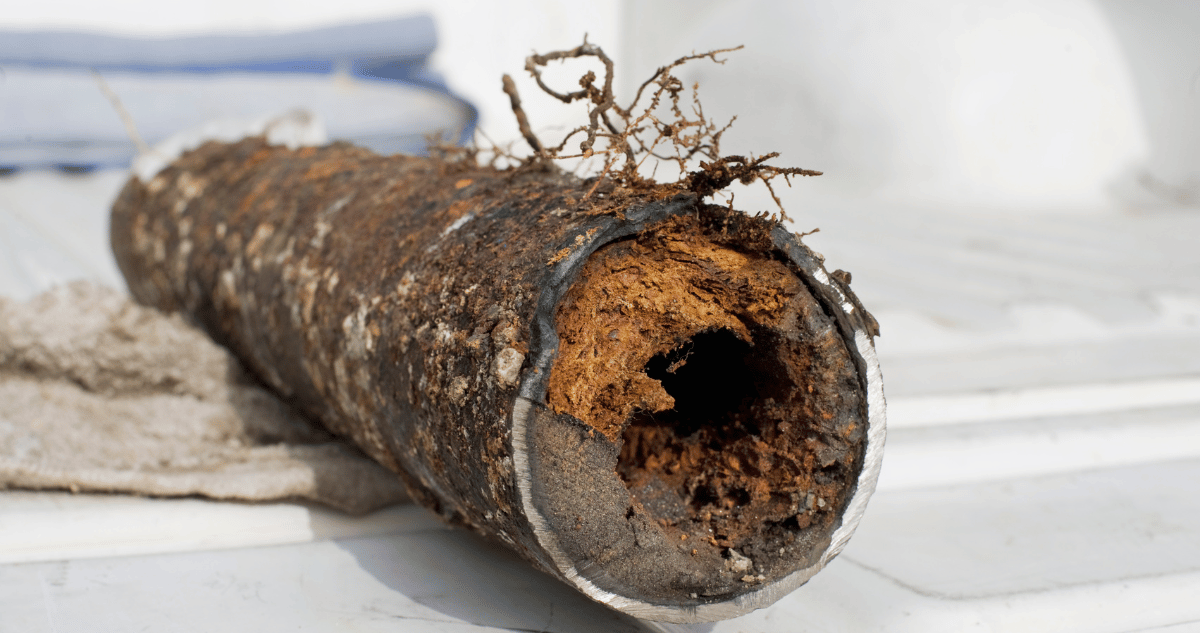
Homes with old plumbing systems may need additional evaluation. Galvanized pipes can appear normal from the outside while corrosion gradually narrows the opening inside. By the time pressure becomes noticeably weak, the usable diameter of the pipe may be much smaller than it was originally.
Not Sure What Is Causing the Pressure Drop?
Goldstar Plumbing can test your system and determine whether your low pressure is caused by a fixture restriction, aging pipe, faulty valve, pressure regulator, leak, or main water line issue.
The most common low water pressure causes in Seattle include aging galvanized pipes, clogged fixtures, failing pressure regulators, partially closed valves, hidden leaks, undersized plumbing, and temporary changes in the public water system. More than one cause may be present in an older property.
1. Corrosion Inside Older Galvanized Pipes
Many older Seattle homes were built with galvanized steel water lines. These pipes corrode internally over time, allowing rust and mineral deposits to narrow the passage where water flows. Homes in Ballard, Wallingford, Fremont, Queen Anne, and other established neighborhoods may still contain sections of galvanized plumbing.
2. Clogged Faucet Aerators or Showerheads
If only one fixture has weak flow, sediment or mineral buildup may be blocking the aerator or showerhead. Cleaning or replacing the affected component may restore normal flow without requiring a larger repair.
3. A Failing Pressure-Reducing Valve
Some properties use a pressure-reducing valve to control the pressure entering the building. When the valve wears out or becomes stuck, pressure may become unusually low, high, or inconsistent throughout the property.
4. A Partially Closed Main Shutoff Valve
The main water valve may not have been reopened completely after plumbing work, maintenance, or an emergency shutoff. Even a partially closed valve can restrict water flow to every fixture in the home.
5. Hidden Plumbing Leaks
A leaking supply pipe allows water to escape before it reaches the fixtures. In addition to low pressure, homeowners may notice damp drywall, water stains, musty odors, unusually high water bills, or the sound of running water when fixtures are off.
6. Undersized or Poorly Designed Supply Lines
Some older homes have pipes that are too small for modern water use. Remodels, added bathrooms, larger appliances, and simultaneous fixture use can place more demand on the system than the original piping was designed to support.
7. Main Water Line Restrictions
The pipe that carries water from the municipal connection into the property may be corroded, damaged, leaking, or restricted. A problem in this line can reduce pressure throughout the building and may worsen gradually over time.
8. Temporary Seattle Water Supply Issues
Utility maintenance, nearby construction, water main work, or an emergency interruption can temporarily affect the Seattle water supply. If neighboring properties experience the same sudden pressure drop, the cause may be outside your plumbing system.
9. Elevation and Building Height
Seattle’s varied elevation can influence water pressure, particularly in hillside neighborhoods and multistory buildings. Upper floors may receive weaker pressure when the plumbing system lacks adequate pipe sizing, pressure controls, or boosting equipment.
How to Diagnose Low Water Pressure at Home
Homeowners can perform a few simple checks before calling a plumber. Start by determining whether the problem affects one fixture, one room, the hot-water system, or the entire property.
Remove and clean the aerator on a weak faucet. Check the showerhead for buildup. Make sure the fixture’s local shutoff valves are fully open. If the problem remains isolated to that fixture, the faucet cartridge or internal valve may need repair.
Next, run several fixtures and observe how the pressure changes. If one shower works normally until a toilet flushes or washing machine fills, the plumbing system may have restricted or undersized supply lines.
You can also ask a nearby neighbor whether they are experiencing a similar pressure change. Multiple affected properties may indicate work or disruption involving the local water system. Pressure problems limited to your property are more likely to involve your plumbing.
Do not force old shutoff valves or attempt to adjust an unfamiliar pressure regulator. Aging valves can break or begin leaking when disturbed. A plumber can test the pressure safely and inspect components without turning a mild inconvenience into a watery indoor fountain.
Can Old Plumbing Systems Be Repaired?
Some old plumbing systems can be repaired in sections, while others may need partial or complete repiping. The right solution depends on the pipe material, location of the restriction, condition of the system, and number of fixtures affected.
A clogged aerator, faulty cartridge, or damaged valve may only require a localized repair. A failing pressure regulator can often be replaced without changing the rest of the plumbing.
When galvanized pipes are heavily corroded throughout the home, replacing one short section may not solve the larger problem. Pressure may improve temporarily in one area while restrictions remain elsewhere. In these cases, a repiping evaluation can help determine whether replacing the aging supply lines would provide a more reliable long-term solution.
A plumbing inspection gives homeowners a clearer picture before they commit to a repair. Pressure testing and visual evaluation can help identify whether the issue is isolated, widespread, or connected to the main water service.
Related Plumbing Solutions in Seattle
Resolving water pressure problems starts with identifying where the restriction or pressure loss occurs. Goldstar Plumbing can evaluate fixtures, valves, supply pipes, pressure regulators, and water service lines to recommend the right repair.
If you want a broader assessment of an older home or inconsistent plumbing system, schedule maintenance or an inspection:
At Goldstar Plumbing, as a local Seattle plumber, we help homeowners and businesses diagnose low water pressure, leaks, aging pipes, damaged valves, and other plumbing concerns. We serve properties in Ballard, Fremont, Wallingford, Greenwood, Magnolia, Queen Anne, Capitol Hill, Beacon Hill, and nearby Seattle communities.
Frequently Asked Questions
Why is my water pressure suddenly low in Seattle?
Sudden low water pressure may be caused by a partially closed valve, plumbing leak, failed pressure regulator, damaged water service line, or temporary work involving the Seattle water supply. Check whether neighboring properties are also affected and call a plumber if the problem is limited to your home.
Why is the water pressure low in only one faucet?
Low pressure at one faucet is commonly caused by a clogged aerator, mineral buildup, a worn cartridge, or a partially closed fixture valve. Cleaning the aerator is a reasonable first step, but the fixture may need repair if the problem continues.
Do older Seattle homes commonly have low water pressure?
Older Seattle homes may experience low water pressure because galvanized supply pipes can corrode and narrow internally. Original valves, undersized plumbing, aging water service lines, and multiple renovations can also affect water flow.
Can a hidden leak cause low water pressure?
Yes. A hidden leak can reduce the amount of water reaching your fixtures. Other warning signs may include damp areas, water stains, unusually high water bills, musty odors, or the sound of water running when no fixtures are in use.
Why does my water pressure drop when two fixtures are running?
Pressure that drops when multiple fixtures operate may indicate restricted, corroded, or undersized supply pipes. It can also occur when the main water line or pressure regulator cannot maintain adequate flow under increased demand.
Can I increase my home’s water pressure myself?
You can clean faucet aerators, inspect showerheads, and confirm that accessible fixture valves are open. Avoid adjusting a pressure regulator or forcing an old main valve without professional guidance because excessive pressure or damaged components can cause leaks.
How does a plumber test water pressure?
A plumber can connect a pressure gauge to the plumbing system and measure both static pressure and pressure while fixtures are running. Comparing those readings helps identify restrictions, regulator problems, supply issues, or pressure loss under demand.
Restore Reliable Water Pressure in Your Seattle Property
Do not let weak water flow become the new normal. Contact Goldstar Plumbing or call 425-300-9900 to schedule an inspection for low water pressure, aging pipes, leaks, or other Seattle plumbing issues.
Seattle’s reputation for rain is well-earned. With an average of 150 rainy days per year and approximately 38 inches of annual precipitation, the Pacific Northwest climate creates unique challenges for residential plumbing systems. Understanding how this consistent moisture affects your home’s plumbing infrastructure can help you identify potential problems before they become costly repairs.
The Relationship Between Heavy Rainfall and Home Plumbing
When significant rainfall occurs, water doesn’t just affect your roof and gutters—it interacts with your entire plumbing system in several ways. The excess water entering the ground, flowing across surfaces, and filling municipal systems can create pressure on various components of your home’s plumbing infrastructure.
Foundation Drainage and Perimeter Systems
One of the primary concerns during Seattle’s rainy season is foundation drainage. Homes built on sloped terrain or with basements are particularly susceptible to water infiltration.
Footing Drains: Most Seattle homes have footing drains (also called foundation drains) installed around the perimeter of the foundation. These systems collect groundwater and direct it away from the structure. During extended rainy periods, these drains can become overwhelmed, leading to:
Backup of water into basement floors
Increased hydrostatic pressure against foundation walls
Saturated soil that remains in contact with the foundation longer than intended
Signs of Foundation Drainage Issues:
Damp spots on basement floors or walls
Musty odors in below-grade spaces
Visible water seepage along the foundation perimeter
Cracks in foundation walls that worsen during wet months
Sump Pump Performance During Wet Seasons
For homes equipped with sump pumps, Seattle’s rainy season represents the most demanding operational period. Sump pumps remove water that accumulates in sump basins, typically located in basements or crawl spaces.
Increased Workload: During heavy rainfall, sump pumps may cycle on and off more frequently than during dry months. A pump that runs continuously or cycles excessively may indicate:
Inadequate pump capacity for the volume of water entering the basin
A malfunctioning float switch
Insufficient drainage away from the home, causing water to recirculate back to the foundation
Pump Failure Risks: The additional strain during wet months increases the likelihood of mechanical failure. Components such as motors, impellers, and check valves experience more wear during periods of heavy use.
Backup Power Considerations: Power outages during winter storms can render electric sump pumps inoperable at the exact time they’re needed most. This creates a vulnerability that many homeowners don’t discover until flooding occurs.
Storm Drain and Exterior Drainage Systems
Storm drains on your property serve a different function than your home’s wastewater system, but they’re equally important during rainy periods.
Debris Accumulation: Seattle’s abundant trees shed leaves, needles, and branches throughout the year. This organic material can clog storm drains, particularly during fall and winter when rainfall is heaviest. Blocked storm drains can cause:
Surface water pooling near the foundation
Water flowing toward the home instead of away from it
Erosion of soil around drainage pathways
Ice formation when temperatures drop (during Seattle’s occasional freezing weather)
Downspout Discharge: Gutter downspouts that discharge too close to the foundation contribute to drainage problems. During heavy rainfall, the volume of water from roof runoff can be substantial—a 1,000 square foot roof section can produce over 600 gallons of water from just one inch of rain.
Municipal Sewer System Interactions
Seattle’s combined and separated sewer systems respond differently to heavy rainfall, and these responses can affect your home’s plumbing.
Inflow and Infiltration: In some Seattle neighborhoods, older sewer systems experience inflow and infiltration (I&I) during heavy rainfall. This occurs when rainwater enters the sewer system through various pathways:
Cracked or damaged sewer pipes
Improperly connected downspouts or sump pumps
Deteriorated pipe joints
Manhole covers and clean-out access points
When excessive rainwater enters the sewer system, the increased volume can reduce the system’s capacity to handle wastewater from homes.
Backup Risks: In severe cases, overwhelmed sewer systems can result in backups into residential properties. While this is relatively uncommon in most Seattle neighborhoods due to infrastructure improvements, it remains a possibility during extreme rainfall events, particularly in areas with:
Older sewer infrastructure
Combined sewer and stormwater systems
Properties at lower elevations relative to the sewer main
Water Pressure Fluctuations
Heavy rainfall can occasionally affect water pressure in residential plumbing systems, though the mechanisms vary.
Increased Demand: During and after significant rainfall events, municipal water usage may increase as sump pumps, irrigation systems (in some cases), and other water-dependent systems operate more frequently. This increased demand can cause temporary pressure reductions.
System Stress: The additional water moving through various drainage and sewer systems during wet weather can affect pressure relationships within plumbing systems, particularly in homes with older fixtures or inadequate pressure regulation.
Crawl Space Moisture and Plumbing Vulnerabilities
Many Seattle homes have crawl spaces rather than full basements. These areas are particularly vulnerable during rainy seasons.
Standing Water: Inadequate crawl space drainage or vapor barriers can result in standing water during prolonged rainfall. This creates several plumbing-related concerns:
Corrosion of metal pipes and fittings
Deterioration of pipe insulation
Increased humidity that may affect indoor plumbing fixtures
Foundation movement that can stress water and drain lines
Drainage Pipe Integrity: Drain pipes running through crawl spaces may develop leaks that go unnoticed during dry months but become evident when increased water flow reveals the deficiency.
Preventative Maintenance for Rainy Season
Regular maintenance of plumbing-related systems can reduce the risk of weather-related failures.
Pre-Season Inspection: Before Seattle’s wettest months (typically November through March), homeowners should consider:
Testing sump pump operation and ensuring the discharge line is clear
Inspecting foundation drains and ensuring proper drainage away from the home
Clearing gutters, downspouts, and exterior drains of debris
Verifying that crawl space vapor barriers are intact and properly positioned
Checking for any visible signs of water intrusion from previous seasons
During Wet Weather: When heavy rainfall occurs, monitoring certain indicators can help identify developing problems:
Listening for unusual sounds from sump pumps (grinding, squealing, or continuous running)
Checking basement and crawl space areas for moisture
Observing drainage patterns around the home’s perimeter
Being aware of any changes in water pressure or drain performance
When Professional Assessment Is Warranted
Certain symptoms suggest that professional evaluation of your plumbing system may be necessary:
Recurring water in basements or crawl spaces despite having drainage systems
Sump pumps that cycle unusually frequently or fail to keep up with water accumulation
Sewer odors that appear or worsen during rainy weather
Slow drains throughout the home that coincide with heavy rainfall
Visible water backing up from floor drains, toilets, or other fixtures
Water stains on foundation walls that appear or expand during wet months
Conclusion
Seattle’s climate creates a demanding environment for residential plumbing systems. The consistent rainfall that characterizes the region places continuous stress on drainage systems, sump pumps, and the broader plumbing infrastructure. By understanding how these systems interact with Seattle’s weather patterns, homeowners can take proactive steps to maintain their plumbing systems and address issues before they escalate into more significant problems.
Regular inspection and maintenance of drainage-related components, combined with awareness of how your home responds to heavy rainfall, provides the best approach to managing the unique plumbing challenges presented by life in the Pacific Northwest.
These days, we’re constantly looking for ways to make our homes more efficient and cost-effective. One area where homeowners are seeing significant benefits is in the realm of water heating. While traditional tank-style water heaters have been the standard for decades, many people are making the switch to tankless water heaters. If you’ve been considering upgrading your current water heating system, now might be the perfect time to explore the advantages of a tankless water heater. This article will delve into the benefits, energy efficiency, and reasons why upgrading your water heater could be a wise investment for your home.
What is a Tankless Water Heater?
A tankless water heater, also known as an on-demand water heater, is a modern solution that heats water only when you need it. Unlike traditional water heaters, which store and constantly maintain a reservoir of hot water, tankless systems heat water as it passes through the unit. This eliminates the need for a bulky tank, making the unit more compact and efficient. Tankless water heaters come in two main types: electric and gas-powered. Each type has its own benefits depending on your home’s needs, and they can be installed in a variety of locations, even in tight spaces.
The biggest draw of a tankless water heater is its ability to provide a continuous supply of hot water. This means no more waiting for the tank to refill and heat up after a shower or a load of dishes. The water is heated instantly, providing you with a virtually unlimited supply of hot water for as long as you need it. As an added bonus, tankless systems are generally more durable than their traditional counterparts and can last up to 20 years or more, depending on maintenance and usage.
Energy Efficiency: Why It Matters
One of the main reasons homeowners choose to upgrade to a tankless water heater is the impressive energy efficiency these systems offer. Unlike conventional water heaters, which continuously heat and store water, tankless models only use energy when water is being heated. This on-demand heating significantly reduces the amount of energy needed, leading to lower utility bills over time. In fact, studies show that a tankless water heater can reduce energy consumption by up to 30% compared to traditional systems.
The reduction in energy use is especially beneficial for households that use a lot of hot water, such as families with multiple bathrooms or households that frequently run dishwashers and washing machines. Since there’s no need to keep a large tank of water constantly heated, you won’t be wasting energy maintaining water at a specific temperature when it’s not in use. This translates to long-term savings, as well as a reduced carbon footprint. If you’re looking to make your home more eco-friendly, upgrading to a tankless water heater is an excellent step toward sustainability.
Space-Saving Design
In addition to being energy-efficient, tankless water heaters are also known for their compact size. Traditional water heaters can be bulky and take up a lot of space, especially if you have a large tank. Tankless systems, on the other hand, are much smaller and can be installed in a variety of locations. Whether you choose to install your tankless water heater in a closet, attic, or utility room, it’s likely that the unit will take up significantly less space than a traditional water heater.
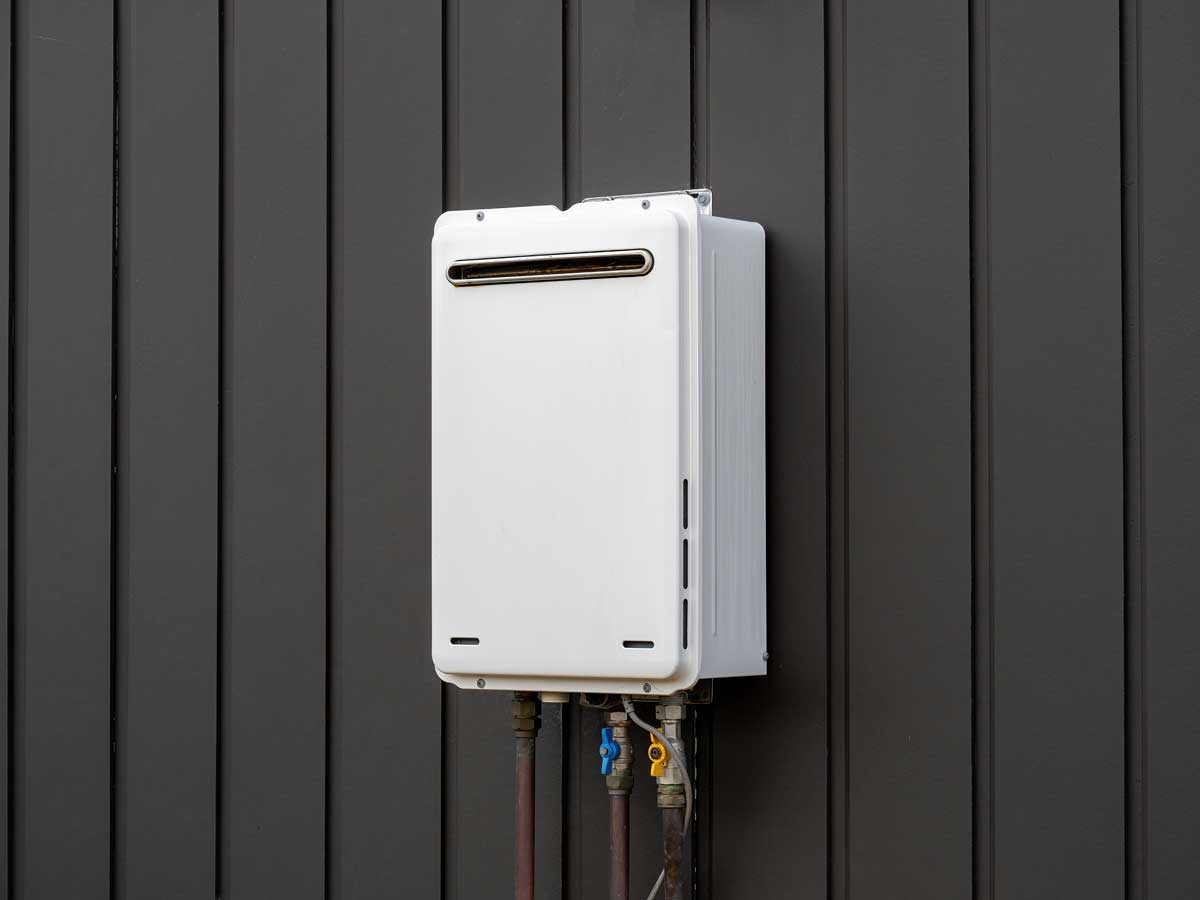
The smaller design of a tankless water heater is particularly appealing for homeowners with limited space. If your home has a cramped utility room, basement, or garage, a tankless system can be an ideal solution. Some models are even small enough to be installed on an exterior wall, saving you valuable indoor space. This space-saving advantage is also perfect for those who live in apartments or homes with minimal square footage.
The Benefits of Endless Hot Water
Perhaps the most appealing feature of upgrading to a tankless water heater is the endless supply of hot water it provides. With traditional tank-style heaters, once the hot water tank runs out, you’ll have to wait for it to refill and reheat before you can continue using hot water. This is a common problem in households with multiple users who all want to shower or use hot water at the same time. Tankless systems solve this issue by providing hot water on demand. Whether you’re taking a shower, running the dishwasher, or filling up a bathtub, a tankless water heater can provide a steady stream of hot water without interruption.
For large families or households with frequent guests, this feature can be particularly valuable. You won’t have to worry about running out of hot water during peak usage times, and the convenience of never having to wait for hot water can make a significant difference in your daily routine. The fact that you can enjoy endless hot water without worrying about the limitations of a storage tank is a major reason why so many people are making the switch to tankless models.
The Long-Term Savings of Upgrading
Upgrading to a tankless water heater is an investment that pays off in the long run. While the initial cost of purchasing and installing a tankless unit can be higher than that of a traditional water heater, the long-term savings make it a worthwhile investment. Not only will you save on energy bills due to the system’s efficiency, but you’ll also save money in maintenance and repairs. Tankless systems generally require less maintenance than tank-style water heaters, and with a longer lifespan, they can outlast their traditional counterparts by years.
In addition to energy savings, upgrading to a tankless water heater may increase the value of your home. Energy-efficient and modern features are attractive to potential buyers, and a tankless water heater can be a selling point if you ever decide to put your home on the market. The investment you make today could pay dividends in terms of home value and savings down the road.
Moreover, upgrading your water heater can prevent the costly repairs that often arise from issues with traditional tank heaters, such as leaks, corrosion, and sediment buildup. With fewer parts susceptible to wear and tear, tankless water heaters are generally more reliable and require fewer costly repairs over their lifespan. This means fewer worries about sudden breakdowns and the associated costs.
Is Upgrading to a Tankless Water Heater Right for You?
While tankless water heaters offer numerous advantages, they may not be the right choice for every household. One consideration is the upfront cost. While tankless systems can save you money in the long term, the initial installation can be more expensive than that of a traditional water heater. Additionally, some homes may need minor modifications to accommodate a tankless unit, especially if the water pressure or gas line needs to be adjusted.
Another factor to consider is the water usage habits of your household. While a tankless water heater can provide an endless supply of hot water, its performance can be impacted by multiple simultaneous uses. For instance, if multiple showers, washing machines, or dishwashers are running at the same time, the water heater might not be able to keep up with demand. Choosing the right size and model for your household’s needs is essential to getting the most out of your system.
Before making a decision, it’s wise to consult with a professional plumber or water heater expert who can assess your home’s water usage and recommend the best system for your needs. They can help you weigh the pros and cons, considering factors such as your budget, energy savings, and long-term goals.
Conclusion
Upgrading to a tankless water heater is a smart decision for many homeowners. Not only do these systems provide endless hot water, but they also offer significant energy savings, are space-efficient, and require less maintenance over time. The initial cost of installation can be higher, but the long-term benefits—both financial and environmental—make it a worthwhile investment. If you’re looking to improve your home’s efficiency and enjoy reliable hot water on demand, upgrading to a tankless water heater could be the perfect solution.