

What Is CIPP Pipe Repair and How Does It Work?
A damaged sewer line does not always require digging a long trench through a yard, driveway, sidewalk, or landscaped area. For Seattle property owners dealing with aging side sewers, root intrusion, cracks, or leaking joints, cured-in-place pipe repair may offer a less disruptive alternative.
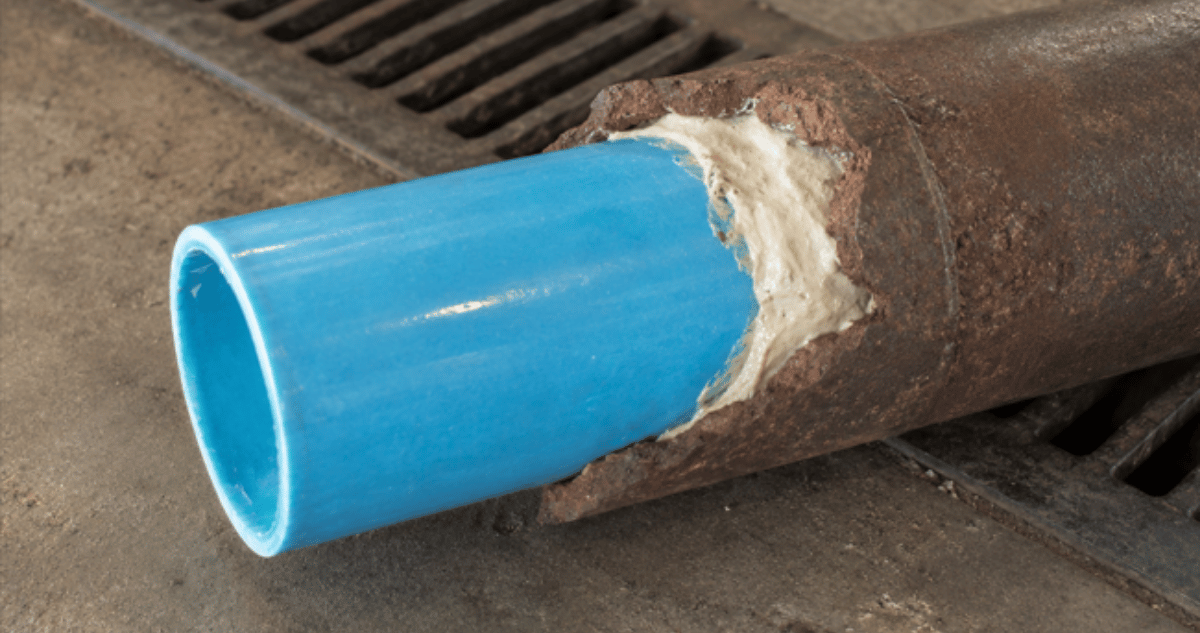
Quick answer: CIPP, or cured-in-place pipe, is a trenchless repair method that creates a new pipe lining inside an existing sewer line. A resin-saturated liner is inserted into the damaged pipe, expanded against the interior walls, and cured until it hardens into a seamless pipe within the original line. Whether CIPP is appropriate depends on the pipe’s condition, alignment, and type of damage.
What local readers should know
-
CIPP repairs an existing sewer pipe from the inside rather than replacing the entire line through open excavation.
-
Seattle Public Utilities identifies CIPP lining as one of the structural repair options available for private side sewers.
-
The method can reduce surface disturbance around landscaping, driveways, walkways, and other improvements.
-
Tree roots, damaged joints, cracks, and aging sewer materials can all contribute to side sewer problems in established neighborhoods such as Ballard, Queen Anne, Greenwood, and Wallingford.
-
A sewer camera inspection is normally needed to determine whether a damaged line is a good candidate for lining.
Why Does CIPP Pipe Repair Matter in Seattle?
CIPP pipe repair matters in Seattle because many properties have private side sewers running beneath established yards, mature landscaping, driveways, sidewalks, and other areas that owners may prefer not to excavate unnecessarily.
Seattle Public Utilities defines a side sewer as the private pipe carrying wastewater from a building to the public sewer main. Property owners are generally responsible for their side sewer up to its connection with the public main.
In established areas such as Capitol Hill, Beacon Hill, Rainier Valley, and West Seattle, sewer lines may also pass near mature trees and long-developed landscaping. When a structurally repairable pipe has cracks or joints that allow root intrusion, lining can provide a continuous interior surface without requiring a full-length trench.
At Goldstar Plumbing, we can help property owners evaluate sewer problems and determine which repair approach fits the actual condition of the line. From this point forward, our focus is on choosing the method that addresses the defect rather than assuming every sewer problem needs the same repair.
How Does the CIPP Pipe Repair Process Work?
The CIPP pipe repair process works by inserting a resin-saturated liner into an existing sewer pipe and curing it against the pipe wall until it becomes a hardened, seamless interior pipe.
The process generally begins with an inspection. A sewer camera helps identify cracks, root intrusion, offsets, deterioration, obstructions, or sections that may be too damaged for lining.
The line typically must then be cleaned so the liner can fit properly against the existing pipe. Depending on conditions, roots and accumulated debris may need to be removed.
A flexible liner saturated with resin is inserted into the sewer. The liner is expanded so it conforms to the inside of the existing pipe. Once positioned, the resin is cured and hardened.
After curing, the result is essentially a pipe within the existing pipe. A follow-up camera inspection can help verify the completed lining and confirm that wastewater has a clear path through the repaired section.
What Do Local Sewer Guidelines Say About CIPP?
Seattle Public Utilities specifically describes CIPP as a repair method in which a resin-soaked felt tube is inserted into an existing pipe, expanded to its shape, and cured until it forms a new pipe inside the old one.
The utility also notes that CIPP involves less surface disturbance than an open-cut repair. According to Seattle Public Utilities, the seamless lining can help prevent root infiltration and extend the useful life of a side sewer.
Local requirements still matter. Seattle Public Utilities states that permits are required when repair work is performed on side sewers, including work on private property or in the public right-of-way. Cleaning or root-removal work by itself is treated differently from structural repair.
What Problems Can CIPP Pipe Repair Address?
CIPP can address certain cracks, leaking joints, root-entry points, and deterioration when the existing sewer still provides a suitable pathway for a liner.
Common conditions that may lead property owners to investigate lining include:
-
Recurring root intrusion
-
Cracks visible during a camera inspection
-
Deteriorated pipe walls
-
Leaking or vulnerable joints
-
Repeated sewer blockages connected to structural defects
-
Aging sewer pipe that remains reasonably aligned
-
Areas where major excavation would cause significant surface disruption
CIPP is not automatically appropriate for every damaged sewer. A badly collapsed line, severe alignment problem, or major sag may require another repair method.
What Are the Warning Signs of a Damaged Side Sewer?
Warning signs of side sewer trouble include recurring backups, slow drains throughout the building, sewage odors, repeated root problems, and defects found during a camera inspection.
Property owners should pay particular attention to:
-
Multiple drains becoming slow at the same time
-
Toilets bubbling when other fixtures drain
-
Recurring sewer backups
-
Frequent need for root cutting or drain clearing
-
Sewage odors around drains or outdoors
-
Unusual wet or soft areas over a sewer route
-
Camera footage showing cracks, offsets, roots, or deteriorated sections
One clogged sink does not necessarily mean the underground sewer needs repair. Problems affecting several fixtures or returning after repeated cleaning deserve closer investigation.
When Should You Call a Sewer Professional?
You should call a sewer professional when backups repeat, multiple fixtures are affected, roots keep returning, or a camera inspection reveals structural pipe defects.
Basic prevention, such as keeping grease and inappropriate materials out of drains, is something property owners can handle themselves. Diagnosing an underground sewer line is different.
A professional camera inspection can distinguish between a blockage that needs cleaning and a structural defect that may need CIPP, pipe bursting, excavation, or another repair.
For Seattle property owners, this distinction also matters because structural side sewer repairs are subject to local permitting and inspection requirements.
What Common Conditions Damage Seattle Side Sewers?
Common Seattle side sewer problems include root intrusion, offset joints, deteriorating pipe materials, cracks, and sagging sections that allow debris to collect.
1. Tree root intrusion
Mature trees are part of the character of neighborhoods from Greenwood to Rainier Valley, but roots can enter sewer lines through vulnerable cracks and joints. Removing roots may restore flow temporarily without correcting the opening that allowed them inside.
2. Offset or separated joints
Seattle Public Utilities identifies offset joints as a common side sewer defect. More significant offsets can collect debris or expose surrounding soil, increasing the need for repair.
3. Aging pipe materials
Older properties may have sewer materials and connections that have deteriorated over decades. A camera inspection is the best way to evaluate the actual condition instead of judging a sewer only by the age of the building.
4. Pipe sags
A sag can allow wastewater and debris to settle rather than flow properly downhill. CIPP follows the shape of the existing pipe, so lining generally does not correct a significant grade or alignment problem.
How Can Property Owners Help Prevent Sewer Problems?
Property owners can reduce sewer problems by controlling what enters the drain system, addressing recurring roots early, and having suspicious or older lines inspected before a minor defect becomes a larger problem.
Seattle Public Utilities recommends flushing only toilet paper and disposing of grease properly rather than sending it into the sewer system.
A camera inspection can also be useful when purchasing a property or when a sewer requires repeated cleaning. Knowing whether the problem is grease, roots, an offset, a crack, or a sag helps avoid paying repeatedly for a temporary solution to a structural problem.
DIY maintenance should stop before aggressive mechanical or high-pressure cleaning of a damaged pipe. Seattle Public Utilities cautions that high-pressure cleaning equipment can further damage some pipes.
What Results Can You Expect From CIPP Lining?
A successful CIPP repair creates a hardened, continuous lining inside the existing sewer, reducing reliance on the damaged pipe wall and eliminating joints within the lined section where roots might otherwise enter.
The primary practical benefit is structural rehabilitation with less excavation than conventional open-cut replacement.
Results depend on the original sewer’s condition and whether the defect is suitable for lining. Proper inspection and preparation are critical because CIPP cannot solve every type of sewer failure.
What Are Common Mistakes When Considering CIPP?
The most common mistake is assuming CIPP is automatically the best repair simply because it is trenchless.
Mistake: Choosing a repair before inspecting the pipe.
Consequence: A liner may not address a collapse, severe sag, or other unsuitable defect.
Better approach: Start with camera inspection and diagnosis.
Mistake: Repeatedly removing roots without finding their entry point.
Consequence: Roots can return if cracks or open joints remain.
Better approach: Determine whether structural repair is needed.
Mistake: Comparing only the amount of digging.
Consequence: The least disruptive method may not be the method that best repairs the defect.
Better approach: Compare CIPP, pipe bursting, spot repair, and open excavation based on pipe condition.
Mistake: Ignoring local permit requirements.
Consequence: Structural sewer repair may not comply with Seattle requirements.
Better approach: Confirm required permits and inspections before work begins.
What Is a Common Local CIPP Scenario?
A common local scenario involves an established property where roots repeatedly enter an older side sewer beneath landscaping or other finished surfaces, but the pipe has not completely collapsed.
For example, a homeowner near Queen Anne or Ballard might have the line cleaned several times only to experience another blockage. A camera inspection could reveal cracks or joints where roots continue entering.
If the pipe remains suitable for lining, CIPP may allow the defective section to be rehabilitated without excavating the entire route. If the camera instead shows severe collapse or grade problems, another repair method may make more sense.
This is a representative scenario, not a specific Goldstar Plumbing project.
What Sewer Repair Solutions Should Be Compared?
The main sewer repair options to compare are CIPP lining, pipe bursting, localized excavation, and conventional open-cut replacement.
CIPP is designed to rehabilitate an existing pipe from the inside. Pipe bursting installs a replacement pipe along the existing route and typically requires access pits. Spot excavation can address a localized defect. Open-cut replacement exposes and replaces longer sections of pipe.
The right choice depends on what the camera inspection shows.
How Does CIPP Compare With Traditional Sewer Replacement?
CIPP usually causes less surface disturbance than traditional open-cut replacement, while excavation may be necessary when the existing sewer is collapsed, badly misaligned, or otherwise unsuitable for lining.
For a property owner with a sewer beneath a lawn, driveway, walkway, or established landscaping, surface disruption can be an important consideration. Still, avoiding excavation should not override the need to correct the actual defect.
Our recommendation should be based on the condition and alignment of the pipe, access, permit requirements, and the type of failure found during inspection.
Where Can CIPP Be Considered Around the Seattle Area?
CIPP may be considered for qualifying side sewer problems throughout Seattle and nearby communities where trenchless rehabilitation is appropriate for the existing pipe.
Properties in neighborhoods such as Wallingford, Greenwood, Beacon Hill, Capitol Hill, West Seattle, and Rainier Valley can all face sewer conditions where a camera inspection is useful before selecting a repair method. Availability and requirements outside the city can differ by jurisdiction.
What Can Happen If a Damaged Sewer Is Ignored?
Ignoring a structurally damaged sewer can lead to recurring blockages, additional root intrusion, wastewater backups, soil loss around serious defects, and eventually a more complicated repair.
Seattle Public Utilities notes that severe offset joints can expose surrounding soil and contribute to void formation, while sagging sections can collect debris and increase backup risk.
Early diagnosis gives a property owner more information and potentially more repair choices before the sewer deteriorates further.
Frequently Asked Questions About CIPP Pipe Repair
Is CIPP pipe repair allowed in Seattle?
CIPP is recognized by Seattle Public Utilities as one of the structural methods used to repair side sewers. Structural side sewer work is subject to local permitting and inspection requirements, so property owners should make sure the repair is planned and completed under the applicable city process.
Does CIPP require digging up my Seattle yard?
CIPP generally requires less excavation than open-cut sewer replacement because the new lining is installed inside the existing pipe. Some access may still be necessary depending on the sewer layout and condition. The exact amount of excavation can only be determined after the line and available access points are evaluated.
Can CIPP stop tree roots from entering a sewer line?
A properly installed seamless CIPP liner can eliminate joints and openings within the lined section where roots previously entered. Seattle Public Utilities specifically notes root prevention as one potential benefit. Existing roots must first be removed, and the pipe needs to be suitable for lining.
Who is responsible for a side sewer in Seattle?
Property owners generally own and are responsible for the private side sewer from their building to its connection with the public sewer main. Seattle Public Utilities is responsible for the public main. Shared side sewers can involve responsibility between neighboring property owners.
Can CIPP repair a collapsed sewer pipe?
CIPP generally cannot restore a severely collapsed pipe when there is no usable pathway for the liner. Pipe alignment and structural condition must be evaluated first. Depending on what an inspection finds, pipe bursting, spot excavation, or conventional replacement may be more appropriate.
How do I know whether my Seattle sewer needs lining or cleaning?
A sewer camera inspection is the clearest way to distinguish between a blockage and a structural problem. Cleaning may address grease, debris, or roots temporarily, while visible cracks, damaged joints, deterioration, or repeated root intrusion may justify evaluating structural repair options.
Does Seattle require permits for sewer lining?
Seattle Public Utilities states that permits are required for side sewer repair work on private property and in the public right-of-way. Cleaning or root removal without structural repair is treated differently. Permit requirements should be confirmed for the specific scope before repair begins.
Is CIPP better than pipe bursting?
Neither method is automatically better. CIPP rehabilitates the existing pipe by installing a liner inside it, while pipe bursting replaces the old line with another pipe along the same route. Pipe condition, alignment, access, diameter, surface disruption, and the specific defect determine which method is more appropriate.
Protect Your Property With the Right Sewer Repair
CIPP can be a valuable option when a damaged side sewer needs structural repair but the existing pipe remains suitable for lining. The key is determining what is actually happening underground before deciding how to fix it.
For Seattle homeowners and property managers, Goldstar Plumbing can help evaluate sewer concerns and explain the repair options that fit the condition of the line.
Find the Right Sewer Repair With Less Guesswork
Start with a clear diagnosis so you can choose a repair based on the condition of your sewer, not assumptions.