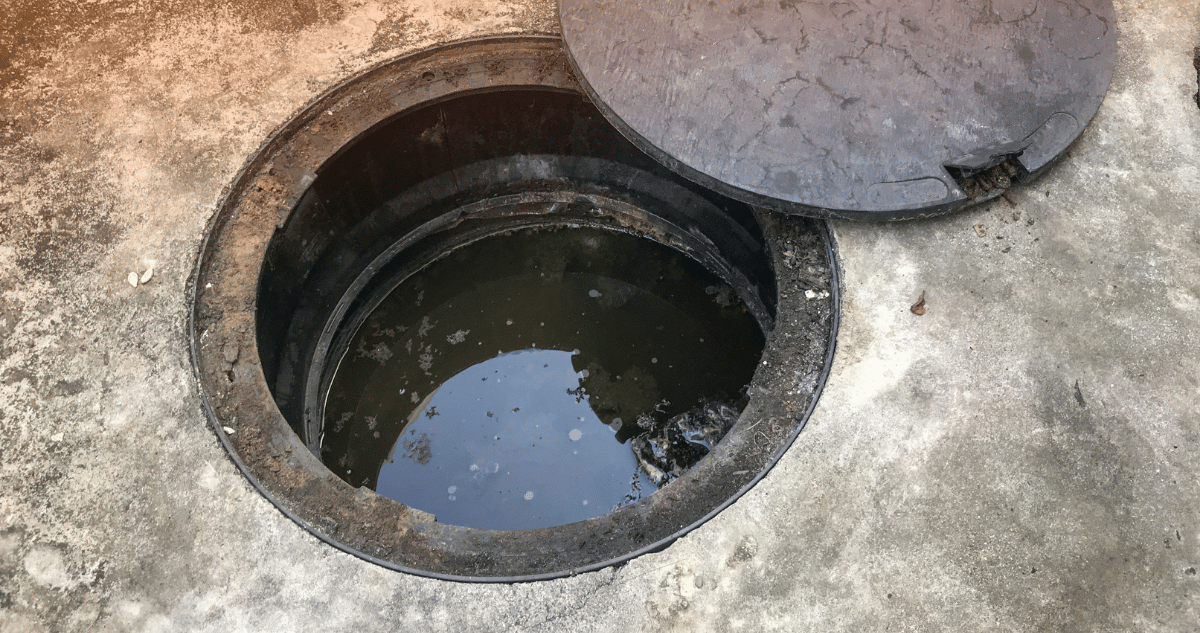
Heavy rain is part of life around Puget Sound, but in older parts of Seattle, a strong storm can create a problem most property owners rarely see. Stormwater and wastewater can share the same sewer pipes, and when those pipes exceed capacity, polluted water can overflow into nearby waterways.
In 2026, combined sewer overflows remain especially relevant because major infrastructure improvements are underway while property owners still need to manage the plumbing and drainage systems on their side of the equation.
Quick answer:Combined sewer overflows matter because roughly one-third of Seattle uses a combined sewer system, according to Seattle Public Utilities. During heavy rainfall, these pipes can become overwhelmed and release a mixture of stormwater and wastewater into local waters. Public projects are reducing these overflows, but homeowners and businesses can also benefit from understanding how drainage, sewer condition, and improper stormwater connections affect their properties.
What local readers should know
Roughly one-third of the city is served by combined sewer infrastructure where wastewater and stormwater travel through the same system.
Heavy rainfall can overwhelm combined systems and result in discharges to waterways such as Lake Union, Salmon Bay, and the Lake Washington Ship Canal.
Ballard, Fremont, Queen Anne, Wallingford, and other older neighborhoods are connected to major ongoing overflow-control efforts.
A municipal combined sewer overflow is different from a sewer backup inside a home or business, although wet weather can reveal problems with private plumbing.
Keeping private drains and sewer lines in good condition can help property owners reduce their own risk during periods of heavy rainfall.
Why Combined Sewer Overflows Matter in Seattle
Combined sewer overflows matter in Seattle because heavy rain can put enormous amounts of stormwater into an older wastewater network that was designed to carry both sewage and runoff in many neighborhoods. When capacity is exceeded, overflow points protect the system from becoming overloaded by releasing combined flows into receiving waters.
This is particularly relevant around the Lake Washington Ship Canal, Lake Union, Salmon Bay, Elliott Bay, and other local waterways.
The issue is also tied closely to the city’s development history. Older neighborhoods were built when combined sewer systems were a common approach. Modern drainage practices are different, but replacing or modifying an underground network serving a dense city takes major long-term investment.
For local property owners, the important distinction is that a city CSO does not automatically mean something is wrong with the plumbing inside a building. Still, the same wet weather that strains public infrastructure can expose blocked drains, deteriorated sewer laterals, root intrusion, and other private-side problems.
At Goldstar Plumbing, we encourage property owners to treat recurring drainage or sewer symptoms during storms as something worth investigating rather than assuming the municipal system is always responsible.
What 2026 Data and Projects Tell Local Property Owners
Seattle’s public infrastructure work shows that combined sewer overflows remain an active water-quality and capacity issue in 2026, even after years of investment. Seattle Public Utilities reports that approximately one-third of the city has combined sewer infrastructure and says nearly $1 billion has been invested in CSO reduction since 2008.
One of the most visible projects is the Ship Canal Water Quality Project, a joint effort involving Seattle Public Utilities and King County Wastewater Treatment Division.
Its centerpiece is a 2.7-mile underground storage tunnel extending from Ballard to Wallingford. During major storms, the tunnel is designed to temporarily hold more than 30 million gallons of combined stormwater and sewage until treatment capacity becomes available.
Seattle Public Utilities estimates the overall project will keep more than 75 million gallons of polluted stormwater and sewage out of Lake Union, Salmon Bay, and the Lake Washington Ship Canal in an average year.
Work remains active in 2026. Ballard conveyance construction and pump station work are among the project components continuing as the larger system moves toward operation.
The city is also developing its Seattle Overflow Action Plan, with preliminary planning extending through 2026 and future design and implementation work planned through 2037.
How Wet Weather Can Affect Your Plumbing
Wet weather can affect local plumbing by exposing drainage and sewer problems that remain less noticeable during dry conditions. Slow pipes, damaged sewer laterals, inappropriate stormwater connections, roots, or existing obstructions may become much more apparent when prolonged Pacific Northwest rain places additional demands on drainage systems.
Property owners might notice a drain that works normally most of the year but slows during extended rain. Others may hear toilets gurgle or notice water appearing around a basement or lower-level drain.
Those symptoms deserve attention because a private plumbing problem and a public-system capacity problem require different responses.
A plumber can investigate accessible portions of the private plumbing and sewer system to determine whether there is evidence of a blockage, damaged line, or another condition on the property.
Warning Signs of a Private Sewer or Drain Problem
Warning signs of a private sewer or drain problem include recurring backups, multiple slow fixtures, sewage odors, and symptoms that become worse during rainy weather. These clues are particularly worth investigating when they affect several drains instead of one isolated sink or tub.
Watch for:
Several drains becoming slow at the same time
Toilets bubbling or gurgling when another fixture drains
Wastewater appearing in a basement or lower-level drain
Persistent sewage odors indoors or around the property
Recurring clogs after previous drain clearing
Drainage problems that consistently appear during heavy rain
Unusually wet or sunken areas near a buried sewer route
Water backing up at the lowest plumbing fixtures in the building
A single slow sink may simply have a localized clog. Multiple affected fixtures can indicate a problem farther downstream.
When to Call a Plumber
Call a plumber when drainage problems affect multiple fixtures, repeatedly return, produce sewage indoors, or become noticeably worse during storms. These conditions can point to an obstruction or sewer-line issue that cannot be diagnosed reliably from the surface.
Homeowners can safely monitor individual fixtures, keep outdoor drainage areas clear where appropriate, and note when symptoms occur.
DIY troubleshooting should stop when wastewater is backing into occupied areas or the source of a recurring sewer problem is unclear. Sewer work can involve sanitation hazards and buried infrastructure, so determining the location and cause of the problem is an important first step.
If a problem appears to involve the public sewer system rather than private plumbing, the appropriate local utility may also need to be contacted.
Common Causes of Local Sewer and Drain Problems
Common local sewer and drain problems include buildup, tree-root intrusion, aging piping, damaged sewer laterals, and stormwater entering places it should not. The mix varies considerably by property, which is why diagnosing the actual cause is more useful than assuming every rainy-day backup has the same explanation.
1. Blockages and buildup
Grease, debris, wipes, and other materials can reduce the usable diameter of a drain or sewer line. A partially restricted line may seem adequate until higher flows expose the problem.
2. Tree roots
Mature trees are part of neighborhoods from Ballard to Queen Anne, but roots can exploit openings in some buried sewer lines. Root intrusion can contribute to recurring restrictions.
3. Aging sewer laterals
Older properties may have sewer piping that has deteriorated, shifted, cracked, or otherwise developed defects over time.
4. Improper drainage connections
Roof and surface drainage should be managed according to the property’s approved drainage configuration. Improper connections can contribute unnecessary water to plumbing or sewer systems.
5. Low spots or damaged piping
A sewer line that has settled or been damaged can hold waste and debris, increasing the likelihood of recurring drainage trouble.
How to Reduce Wet-Weather Plumbing Problems
Reducing wet-weather plumbing problems starts with keeping drains clear, addressing recurring sewer symptoms early, and making sure stormwater is managed correctly for the property. Late summer and early fall can be useful times for Seattle property owners to address known drainage issues before the wetter part of the year.
Avoid flushing wipes, hygiene products, grease, or other materials that can contribute to restrictions.
Pay attention to recurring slow drains instead of repeatedly treating them as isolated clogs. If several fixtures are affected, determining what is happening in the main drainage path may prevent repeated surprises.
Property owners should also visually check accessible outdoor drainage areas and keep leaves and debris from creating obvious surface obstructions where it is safe to do so.
Changes to sewer or stormwater connections should be left to qualified professionals and handled according to applicable local requirements.
What to Expect From Professional Sewer Service
Professional sewer service should identify the likely location and nature of a private plumbing problem before recommending the appropriate next step. Depending on the symptoms and accessible plumbing, that could involve drain clearing, sewer inspection, targeted repair, or further evaluation of a damaged line.
The goal is not to promise that every wet-weather problem can be eliminated. Public sewer conditions, rainfall, private plumbing design, pipe condition, and property drainage can all affect what happens during a major storm.
A useful diagnosis helps separate conditions that can be corrected on the property from problems that may involve public infrastructure.
Common Mistakes During Heavy Rain
The most common wet-weather plumbing mistakes are ignoring recurring symptoms, assuming every backup is caused by the public sewer, and relying on repeated temporary fixes without finding the cause.
Mistake: Treating every slow drain as an isolated clog. Consequence: A developing main-line restriction may continue getting worse. Better approach: Look for patterns involving multiple fixtures or repeated problems.
Mistake: Assuming the city system caused an indoor backup. Consequence: A private sewer defect may go undiagnosed. Better approach: Have the private plumbing evaluated when symptoms point toward a property-side issue.
Mistake: Waiting until the next major storm. Consequence: A manageable drainage problem can become far more disruptive when rainfall increases. Better approach: Investigate recurring warning signs during normal conditions when possible.
A Common Local Scenario
A common local scenario is an older home that drains normally in dry weather but develops gurgling toilets or a slow lower-level drain during prolonged rain. That pattern does not prove that the municipal combined sewer is causing the problem.
For example, a property in Ballard, Wallingford, or another established neighborhood could also have a partially blocked or deteriorated private sewer lateral.
Instead of repeatedly clearing the nearest fixture, evaluating the larger drainage system can help identify whether there is a recurring private-side problem.
Plumbing Services That Can Help
Plumbing services can help determine whether rainy-day drainage symptoms originate in the private sewer or drain system and what corrective work may be appropriate. Depending on the problem, that may include drain cleaning, sewer-line evaluation, plumbing repairs, or other work based on the condition discovered.
The key is diagnosis first. Public CSO projects address regional infrastructure, while plumbers address the private systems serving individual properties.
DIY monitoring works for minor observations, while recurring backups, multiple slow drains, and sewage entering the building warrant professional evaluation. Knowing where that line falls can help property owners avoid unnecessary service calls without ignoring potentially significant sewer problems.
You can note which fixtures are affected, whether problems coincide with rain, and how frequently symptoms return.
Professional evaluation becomes more appropriate when the problem involves multiple fixtures, sanitation concerns, a buried sewer line, or repeated failures after previous clearing.
Service Areas
Local plumbing support is most useful when it reflects the housing, rainfall, and infrastructure conditions found throughout the Seattle area. We serve customers in Seattle and surrounding communities within our service area.
The Cost of Ignoring Recurring Sewer Problems
Ignoring recurring sewer problems can increase the risk of wastewater backups, water damage, disrupted plumbing use, and more complicated repairs. During the Puget Sound rainy season, a partially restricted or damaged private sewer may have less room for error when drainage conditions become demanding.
The point is not to panic every time it rains. Instead, pay attention to patterns.
A drain that has backed up several times, a toilet that repeatedly gurgles during storms, or wastewater appearing at the lowest fixture deserves investigation before the next stretch of heavy weather.
A combined sewer overflow occurs when heavy rain causes a combined wastewater and stormwater system to exceed its available capacity. The excess mixture can then discharge through designated overflow points into local waterways. Roughly one-third of Seattle is served by combined sewer infrastructure, according to Seattle Public Utilities.
Does a Seattle CSO mean sewage will back up into my house?
No, a municipal CSO does not automatically mean sewage will back up into your house. Overflow points are part of the public wastewater system, while indoor backups can result from private blockages, damaged sewer laterals, or other plumbing conditions. Recurring indoor symptoms should be investigated separately.
Which Seattle waterways are affected by combined sewer overflows?
Combined sewer overflows can affect several local waterways depending on the overflow location and drainage basin. Lake Union, Salmon Bay, the Lake Washington Ship Canal, Elliott Bay, and other receiving waters are part of the broader regional CSO issue addressed by Seattle Public Utilities and King County projects.
Why is the Ship Canal project important in 2026?
The Ship Canal Water Quality Project is important in 2026 because work is still underway on infrastructure needed to put the major storage system into service. The project includes a tunnel running from Ballard to Wallingford plus conveyance and pumping infrastructure designed to reduce polluted discharges during heavy storms.
Are combined sewer overflows more common during Seattle’s rainy season?
Yes, CSOs are associated with periods of heavy rainfall, with King County noting that overflows usually occur during the wetter months from October through May. Residents planning swimming, wading, fishing, or boating near CSO locations should check current public overflow information and follow posted warnings.
Should I call a plumber if my drains slow down when it rains?
Yes, recurring rain-related drainage problems can justify a plumbing evaluation, especially when several fixtures are affected. Rain may simply coincide with a developing private sewer problem rather than being its sole cause. Identifying blockages or pipe defects can help distinguish private plumbing trouble from public-system conditions.
Can I prevent Seattle’s combined sewer overflows at my property?
An individual property owner cannot prevent the regional CSO problem, but responsible private drainage and sewer maintenance can still matter. Avoiding improper disposal, correcting private sewer defects, and maintaining appropriate drainage connections can help keep the property’s plumbing functioning as intended while public agencies address larger infrastructure.
Is it safe to enter local water after a combined sewer overflow?
King County advises staying out of affected water for 48 hours after a sewage and stormwater overflow. The county maintains current CSO status information for people considering swimming, wading, fishing, or boating near overflow locations. Posted warnings and current public-agency guidance should always take priority.
Protect Your Property Before the Next Stretch of Heavy Rain
Understanding the region’s combined sewer system helps homeowners separate a major public infrastructure challenge from plumbing problems that may exist on their own property. If drains repeatedly slow, gurgle, or back up during wet weather, identifying the cause early can make the next storm less disruptive.
Get Your Sewer and Drains Ready for Seattle’s Wet Weather
We can help evaluate recurring drain and sewer symptoms so you have a clearer picture of what is happening on your property.
High water pressure can quietly damage plumbing systems long before homeowners notice a problem. In Seattle, WA, where neighborhoods feature everything from historic homes in Queen Anne to newer developments in Ballard and West Seattle, protecting pipes and fixtures is an important part of maintaining a reliable plumbing system.
Quick Answer
Yes, you can technically DIY install a pressure reducing valve (PRV) if you have advanced plumbing experience, the proper tools, and understand local plumbing codes. However, for most homeowners in Seattle, WA, installing a PRV is best left to a licensed plumber because the installation involves cutting into the main water line, selecting the correct valve size, adjusting pressure settings, and ensuring the system remains safe and leak-free.
What Local Readers Should Know
Many homes in Seattle experience varying municipal water pressure depending on elevation, neighborhood, and proximity to water infrastructure.
Installing a pressure reducing valve requires shutting off the home’s main water supply and modifying the incoming service line.
Incorrect installation can lead to leaks, water pressure issues, or premature valve failure.
Older homes in neighborhoods like Capitol Hill, Fremont, and Wallingford may have aging plumbing materials that require additional care during installation.
King County homeowners should always ensure plumbing work complies with applicable local plumbing regulations.
Why This Matters Locally
Pressure reducing valves are especially valuable in Seattle because of the area’s diverse elevations and wide range of home ages. Some neighborhoods receive naturally higher water pressure due to municipal distribution systems, while older plumbing found throughout Beacon Hill, Green Lake, and Magnolia may be less tolerant of excessive pressure. Managing water pressure helps protect appliances, water heaters, fixtures, and the home’s plumbing infrastructure.
Goldstar Plumbing helps homeowners throughout Seattle, WA evaluate whether a pressure reducing valve is needed and install it correctly. After this introduction, we’ll simply refer to ourselves as we because our focus is helping local homeowners make informed plumbing decisions.
Local Field Observations
Professional plumbers frequently encounter homes with water pressure well above the recommended operating range. While every property is different, excessive pressure often goes unnoticed until homeowners begin experiencing leaking faucets, running toilets, noisy pipes, or premature appliance failures.
In our experience serving the Seattle area, pressure concerns are especially common after municipal water system changes, neighborhood infrastructure upgrades, or in homes that have never had a pressure reducing valve installed.
How High Water Pressure Affects Seattle Homes
High water pressure creates extra stress throughout your plumbing system. Although stronger pressure may seem beneficial, it can shorten the lifespan of nearly every water-using fixture.
Potential impacts include:
Increased wear on pipe joints
More frequent faucet leaks
Water heater strain
Washing machine hose failures
Higher water bills from hidden leaks
Reduced lifespan of dishwashers and ice makers
Noisy plumbing inside walls
Over time, these small issues can become expensive repairs if excessive pressure isn’t addressed.
Warning Signs You May Need a Pressure Reducing Valve
Several symptoms suggest your home may have excessively high water pressure.
Common warning signs include:
Faucets that spray water unusually hard
Loud banging or vibrating pipes
Frequently leaking faucets
Running toilets that require repeated repairs
Water heater pressure relief valve dripping
Appliances wearing out earlier than expected
Multiple plumbing leaks developing within a short period
If several of these symptoms occur together, it’s worth having your water pressure professionally tested.
Can You Install a Pressure Reducing Valve Yourself?
Yes, DIY installation is possible, but it is not considered a beginner plumbing project.
A pressure reducing valve is typically installed on the home’s main water supply line immediately after the main shutoff valve. Proper installation requires:
Turning off the municipal water supply
Draining the home’s plumbing system
Cutting the main water line
Installing properly sized fittings
Ensuring the valve faces the correct flow direction
Adjusting outlet pressure
Testing for leaks
Verifying consistent pressure throughout the home
Even a minor installation mistake can create water damage or leave the home’s pressure improperly regulated.
When to Call a Professional
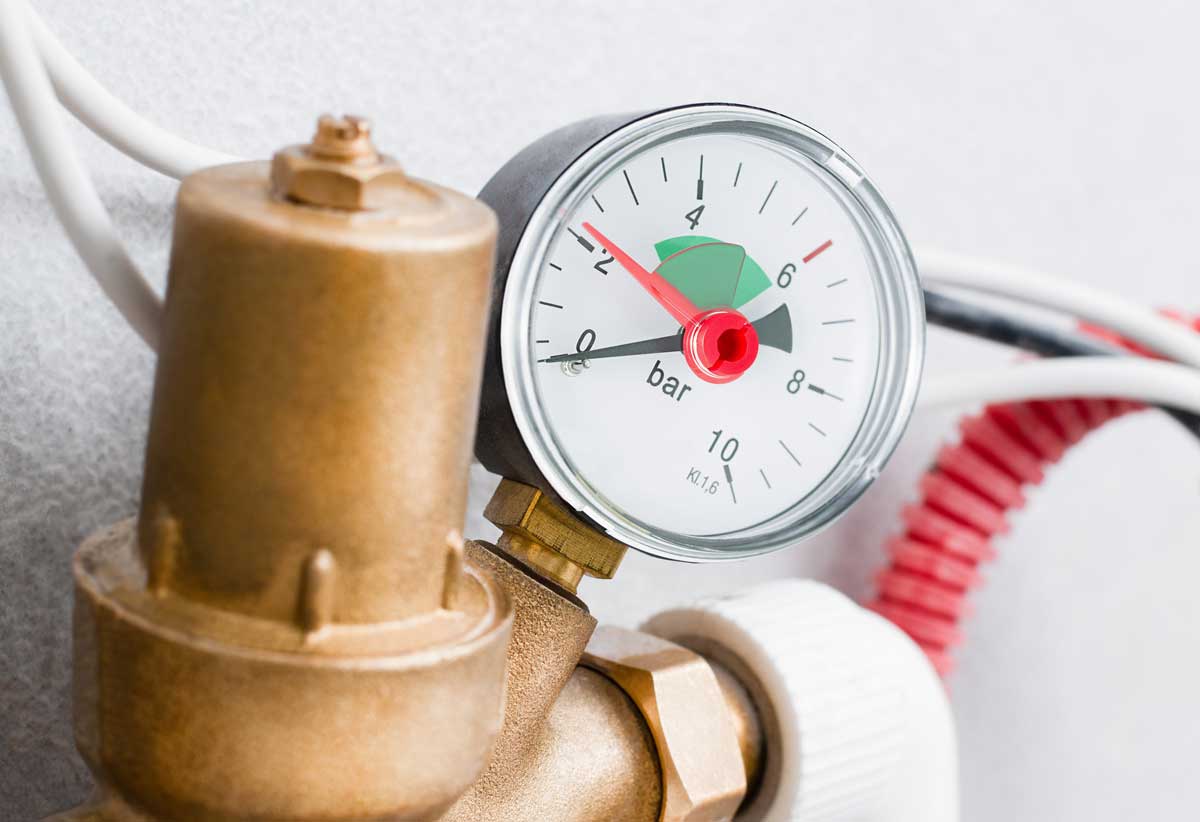
Homeowners can safely monitor water pressure using an inexpensive pressure gauge attached to an outdoor hose bib. If readings consistently exceed approximately 80 PSI or fluctuate significantly throughout the day, professional evaluation is recommended.
Professional installation becomes especially important when:
Copper pipes require soldering
PEX or galvanized piping needs modification
The main shutoff valve also needs replacement
Multiple plumbing upgrades are performed together
Pressure problems continue after installation
Licensed plumbers also ensure the valve is adjusted correctly for the home’s plumbing system.
Common Local Causes of High Water Pressure
Several factors contribute to excessive water pressure throughout Seattle.
Municipal Water Supply
Some neighborhoods naturally receive higher incoming pressure due to the design of the city’s water distribution system.
Elevation Differences
Seattle’s hills create pressure differences across neighborhoods such as Queen Anne, Capitol Hill, and West Seattle.
Older Plumbing Systems
Many older homes were built before pressure reducing valves became common, leaving plumbing vulnerable to today’s operating conditions.
Infrastructure Improvements
Utility upgrades can occasionally change neighborhood water pressure without homeowners immediately noticing.
Prevention and Maintenance
Pressure reducing valves generally require little maintenance, but periodic inspections help ensure reliable performance.
Helpful maintenance practices include:
Test household water pressure annually.
Watch for new plumbing leaks.
Replace aging shutoff valves when necessary.
Have the PRV inspected if pressure begins fluctuating.
Schedule plumbing inspections for older homes every few years.
Routine maintenance helps identify problems before they become expensive repairs.
What Results Should You Expect?
A properly installed pressure reducing valve helps maintain more consistent water pressure throughout the home.
Many homeowners notice:
Quieter plumbing
Reduced fixture leaks
Longer appliance lifespan
Improved plumbing reliability
Less stress on water heaters and supply lines
While a PRV will not solve every plumbing issue, it provides long-term protection against damage caused by excessive pressure.
Common DIY Mistakes
Mistake: Installing the Valve Backward
Consequence: Water flow becomes restricted or the valve fails to regulate pressure.
Better Approach: Always verify the manufacturer’s flow direction markings before installation.
Mistake: Choosing the Wrong Valve Size
Consequence: Poor water flow or ineffective pressure regulation.
Better Approach: Match the valve to the home’s water service size and expected flow demand.
Mistake: Skipping Pressure Adjustment
Consequence: Pressure remains too high or becomes unnecessarily low.
Better Approach: Adjust the valve after installation using a pressure gauge.
Mistake: Ignoring Existing Plumbing Issues
Consequence: Hidden leaks or aging pipes may worsen after installation.
Better Approach: Inspect the overall plumbing system before modifying the main supply line.
Common Local Scenario
A homeowner in North Seattle notices increasingly noisy pipes whenever the washing machine runs. After testing the home’s water pressure, it measures well above recommended levels. Rather than replacing multiple leaking fixtures one at a time, installing a properly adjusted pressure reducing valve helps stabilize the entire plumbing system and reduces ongoing wear.
Related Plumbing Services
Pressure reducing valve installation often goes hand in hand with:
Requires advanced plumbing knowledge and specialized tools
Professional Installation
Proper sizing, adjustment, and code compliance
Higher initial investment but reduced installation risk
Wait Until Problems Develop
No immediate expense
Greater chance of plumbing damage and costly repairs
Service Areas
We proudly serve homeowners throughout Seattle, WA, as well as nearby communities including Shoreline, Burien, Bellevue, Mercer Island, and other areas throughout King County. Our goal is to provide practical plumbing solutions tailored to local homes and water systems.
The Cost of Ignoring High Water Pressure
Ignoring excessive water pressure can gradually damage pipes, fixtures, appliances, and water heaters. Small leaks often develop into larger repairs, while appliances may wear out years earlier than expected. Addressing pressure issues early is usually far less expensive than repairing widespread plumbing damage.
Can I install a pressure reducing valve myself in Seattle, WA?
Yes, but only if you have significant plumbing experience. Because installation involves modifying the main water line and ensuring proper pressure adjustment, most homeowners benefit from professional installation.
How do I know if my Seattle home has high water pressure?
The best way is to test it with a water pressure gauge. Persistent fixture leaks, noisy pipes, or dripping water heater relief valves can also indicate excessive pressure.
Does every home in Seattle need a pressure reducing valve?
No. Homes with incoming water pressure within recommended limits may not require one. Testing is the best way to determine whether installation is necessary.
Can high water pressure damage appliances?
Yes. Water heaters, dishwashers, washing machines, refrigerators, and plumbing fixtures all experience additional wear when pressure remains consistently high.
How long does a pressure reducing valve last?
Most quality pressure reducing valves provide many years of reliable service, although lifespan depends on water quality, usage, and maintenance.
Will a pressure reducing valve lower my water bill?
It can help reduce water waste caused by leaks and excessive flow, although savings vary depending on your home’s plumbing condition.
Closing
Managing water pressure is one of the simplest ways to protect your home’s plumbing system for years to come. Whether you’re experiencing signs of high pressure or simply want peace of mind, having your plumbing evaluated can prevent unnecessary repairs and improve overall system performance.
Protect Your Seattle Plumbing with the Right Water Pressure
Our experienced team is ready to help you determine whether a pressure reducing valve is the right solution for your home.
Older homes give West Woodland much of its character, but they also come with plumbing systems that need extra attention. From aging galvanized pipes to worn fixtures and hidden leaks, homeowners in this Seattle neighborhood often face repair issues that are common in houses built decades ago. Understanding what tends to go wrong can help you catch problems early and avoid more expensive damage.
Quick Answer
The most common plumbing repairs in West Woodland Seattle homes include leaking pipes, clogged drains, dripping faucets, running toilets, water heater issues, sewer line concerns, and deteriorating water supply lines. Many homes in this part of Seattle were built before modern plumbing materials became standard, making regular inspections and timely repairs especially valuable.
What Local Readers Should Know
Many West Woodland homes were built in the early to mid-1900s and may still contain aging plumbing components.
Seattle’s rainy climate can contribute to soil movement and moisture conditions that affect underground plumbing.
Mature trees throughout neighborhoods like Ballard, Fremont, and Phinney Ridge can impact older sewer lines through root intrusion.
Small plumbing issues often become more expensive when water damage spreads behind walls or beneath flooring.
Regular inspections help identify aging components before they develop into emergency repairs.
Why This Matters Locally
Common plumbing repairs in West Woodland are often tied to the neighborhood’s older housing stock. Many homes feature original plumbing systems or materials that have reached the end of their expected lifespan. Seattle Public Utilities provides reliable municipal water, but decades of daily use naturally wear down pipes, valves, fixtures, and water heaters.
Homes throughout Ballard, Green Lake, Crown Hill, and surrounding neighborhoods often experience similar plumbing concerns because many properties were built during the same periods using similar materials and construction methods.
At Goldstar Plumbing, we regularly help homeowners throughout Seattle identify plumbing issues before they become larger and more costly repairs.
Local Field Observations
Based on our professional experience serving Seattle homeowners, the most frequent repair calls in older neighborhoods involve gradual plumbing deterioration rather than sudden failures. Small leaks beneath sinks, aging shutoff valves, partially clogged drains, worn toilet components, and older water heaters account for many service visits.
Homes with galvanized steel supply lines frequently experience reduced water pressure as mineral buildup narrows the inside of the pipes over time. Older cast iron drain lines can also develop corrosion that affects drainage performance.
Local Impact
Plumbing problems affect more than convenience. Even a slow leak can damage hardwood flooring, drywall, insulation, or cabinetry if left unnoticed. In Seattle’s damp climate, excess moisture also increases the potential for mold growth inside walls and crawl spaces.
Unexpected plumbing failures may interrupt daily routines, increase utility bills, and require emergency service when repairs could have been planned earlier.
Warning Signs
Common warning signs include:
Water pressure that has gradually decreased throughout the home.
Water stains appearing on ceilings, walls, or flooring.
Slow drains in multiple fixtures.
Unexplained increases in water bills.
Dripping faucets that continue after being tightened.
Toilets that run long after flushing.
Rust-colored water from older plumbing systems.
Unpleasant odors coming from drains or crawl spaces.
When to Call a Professional
Professional plumbing service is recommended whenever leaks involve hidden piping, water pressure changes affect multiple fixtures, or drainage issues continue after basic maintenance.
Homeowners can safely monitor visible leaks, clean sink strainers, and watch for changes in water usage. However, repairs involving water supply lines, sewer systems, water heaters, or plumbing behind finished walls should be handled by licensed professionals to reduce the risk of additional damage.
Common Local Causes
Several factors contribute to plumbing repairs in West Woodland homes.
Aging Plumbing Materials
Many older homes still contain galvanized steel or aging copper piping that naturally deteriorates over time.
Tree Root Intrusion
Large established trees throughout Ballard and nearby neighborhoods can send roots toward older sewer lines searching for moisture.
Fixture Wear
Daily use eventually wears out cartridges, seals, flappers, valves, and supply lines throughout kitchens and bathrooms.
Water Heater Age
Most residential water heaters eventually develop sediment buildup that reduces efficiency and increases wear on internal components.
Pipe Movement
Seasonal soil moisture changes and decades of natural settling may place stress on plumbing connections beneath homes.
Flush water heaters according to manufacturer recommendations.
Address slow drains before complete blockages develop.
Schedule periodic plumbing inspections for older homes.
Monitor water pressure for noticeable changes.
Preventive maintenance is often less expensive than repairing water damage after a plumbing failure.
Expected Results
Timely plumbing repairs restore normal water flow, improve fixture performance, reduce water waste, and help prevent additional damage to the home’s structure.
If aging components are replaced before failure occurs, homeowners can often avoid emergency repairs while extending the life of the overall plumbing system.
Common Mistakes
Ignoring Small Leaks
Small leaks often become larger repairs after damaging surrounding materials.
Better approach: Repair leaks promptly before water damage spreads.
Using Chemical Drain Cleaners Repeatedly
Harsh chemicals may damage older plumbing materials.
Better approach: Have recurring drain issues professionally evaluated.
Waiting Until Water Pressure Is Extremely Low
Reduced pressure may indicate deteriorating supply lines.
Better approach: Schedule an inspection when pressure first begins to decline.
Postponing Water Heater Maintenance
Sediment buildup reduces efficiency and increases wear.
A homeowner in West Woodland notices lower water pressure in several fixtures and occasional rusty water after returning from vacation. An inspection reveals aging galvanized supply lines that have accumulated decades of internal corrosion. Replacing the deteriorated piping restores normal water flow while reducing the likelihood of future leaks.
Situations like this are common throughout older Seattle neighborhoods where original plumbing materials remain in service.
Related Service Solutions
Depending on the issue, homeowners may benefit from services such as:
Higher upfront investment but fewer recurring repairs
Wait Until Failure
No immediate expense
Greater risk of water damage and emergency costs
Service Areas
We proudly serve homeowners throughout Seattle, including West Woodland, Ballard, Fremont, Crown Hill, Green Lake, Phinney Ridge, Magnolia, and nearby communities. Our team understands the plumbing systems commonly found throughout these established neighborhoods.
Cost of Ignoring the Issue
Delaying plumbing repairs often allows minor problems to become major ones. Hidden leaks can damage flooring, framing, drywall, and insulation long before visible signs appear. Older plumbing components are also more likely to fail unexpectedly as they continue to age.
What plumbing repairs are most common in West Woodland Seattle homes?
The most common plumbing repairs include leaking pipes, clogged drains, faucet repairs, toilet repairs, water heater service, and replacing aging water supply lines. Older homes throughout West Woodland often experience these issues because original plumbing materials naturally wear over time.
Why do older Seattle homes experience more plumbing problems?
Older Seattle homes frequently contain plumbing systems that have been in service for several decades. Pipes, valves, fixtures, and water heaters eventually deteriorate through normal use, making repairs more common than in newer construction.
Can tree roots damage sewer lines in Seattle?
Yes. Mature trees throughout neighborhoods like Ballard and West Woodland may send roots into small openings in older sewer lines. Professional inspections can identify root intrusion before significant blockages develop.
How do I know if my home has galvanized pipes?
Galvanized pipes often appear gray or dull silver and are commonly found in homes built before modern copper or PEX plumbing became standard. A plumbing inspection can confirm the pipe material and its condition.
Should I replace old plumbing before it leaks?
Replacing aging plumbing before failure can reduce the risk of water damage and emergency repairs. A professional evaluation helps determine whether repairs or replacement are the most practical option.
Does Seattle’s weather affect plumbing systems?
Yes. Seattle’s frequent rainfall, seasonal soil moisture changes, and older infrastructure can contribute to shifting underground conditions that affect buried plumbing lines over many years.
How often should plumbing be inspected in an older Seattle home?
Homes with older plumbing generally benefit from periodic inspections, especially if they contain original supply lines, older water heaters, or recurring drainage issues. Regular evaluations help identify developing problems before they become emergencies.
Keep Your West Woodland Plumbing Working Reliably
Older homes deserve plumbing systems that perform reliably every day. Regular maintenance, prompt repairs, and professional inspections help protect your home from unnecessary water damage while extending the life of your plumbing.
Need Trusted Plumbing Service in Seattle?
Whether you’re dealing with a small leak or planning updates for an older plumbing system, we’re here to help homeowners throughout West Woodland and the surrounding Seattle area.
Seattle’s approach to water conservation continues to evolve, and many homeowners are exploring greywater systems as a way to reduce water waste. If you live in Ravenna or another established Seattle neighborhood, understanding the city’s regulations before starting a project can help you avoid costly mistakes, permit issues, and unnecessary delays.
Quick Answer
Seattle allows certain greywater systems under Washington State regulations, but installations must meet state and local plumbing code requirements. Depending on the type of system, permits, approved materials, proper design, and professional installation may be required. Homeowners should always verify current requirements with the City of Seattle before beginning a greywater project.
What Local Readers Should Know
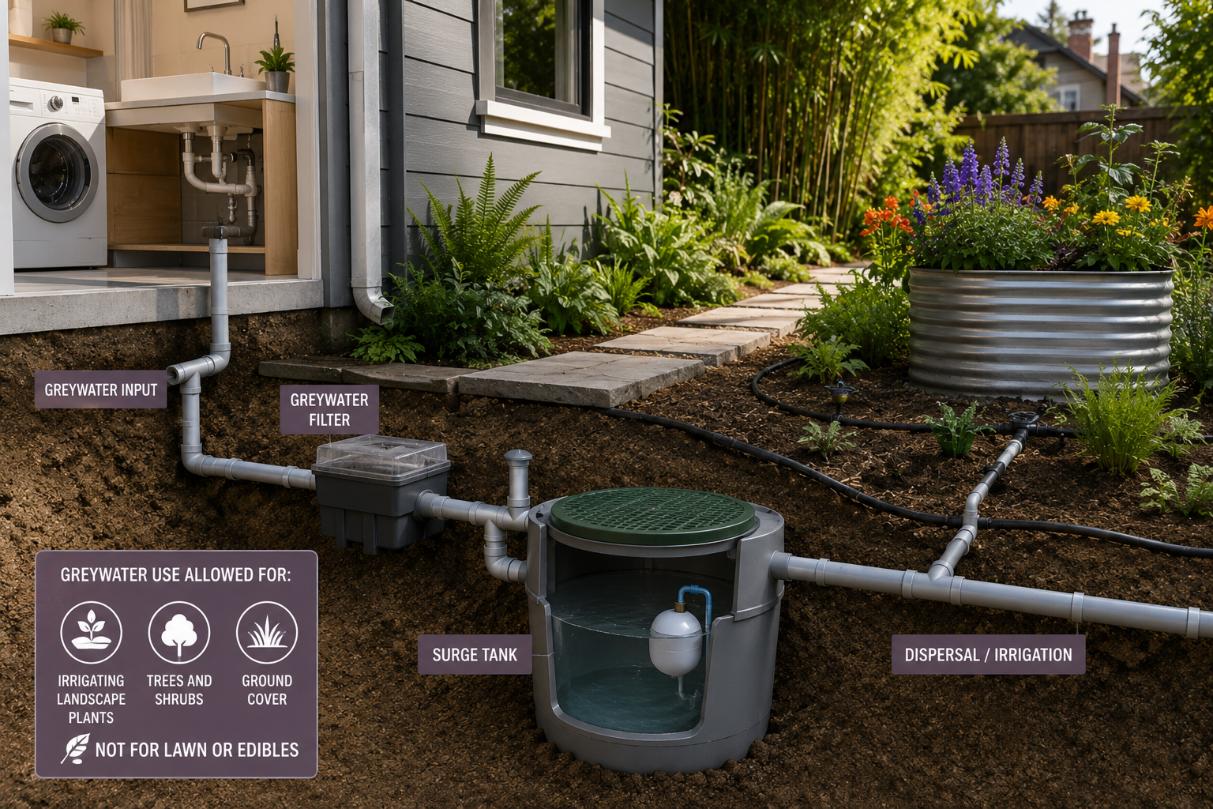
Greywater systems reuse water from sources such as bathroom sinks, showers, and washing machines, but not from toilets or kitchen sinks.
Older homes in Ravenna often require plumbing modifications before a greywater system can be installed safely.
Local regulations are based on Washington State plumbing rules and are enforced through the City of Seattle permitting process.
Soil conditions, lot size, landscaping, and drainage all affect whether a greywater system is appropriate for your property.
Proper installation helps protect public health while conserving water for landscape irrigation where permitted.
Why This Matters Locally
Greywater regulations matter because Seattle homeowners often live in neighborhoods with mature landscaping, aging infrastructure, and homes built decades before modern water reuse standards existed. Ravenna, Bryant, Green Lake, Wedgwood, Maple Leaf, and the University District all feature many older properties where plumbing layouts can present unique challenges.
Seattle Public Utilities encourages responsible water use, but every reuse system must also protect drinking water supplies and prevent contamination. Homeowners considering remodeling projects or landscape improvements should understand how greywater regulations fit into their overall plumbing plans.
Goldstar Plumbing helps homeowners throughout Seattle understand plumbing requirements for renovation projects and water system upgrades. We believe every project should begin with accurate information so homeowners can make confident decisions.
Local Regulations and Code Considerations
Seattle greywater system regulations are designed to balance water conservation with public health protection. Washington State plumbing regulations establish the framework for greywater reuse, while the City of Seattle administers permitting and local enforcement.
Depending on the project, homeowners may need to consider:
Whether permits are required for the proposed installation
Approved plumbing materials and pipe labeling
Proper separation between potable water and greywater systems
Approved discharge methods
Cross connection prevention requirements
Inspection requirements before the system is placed into service
Requirements may vary depending on the size and complexity of the system, making early planning especially valuable.
Local Field Observations
Based on our experience working with plumbing systems throughout Seattle, many homeowners first ask about greywater while planning bathroom remodels, laundry room upgrades, or landscape improvements. In neighborhoods like Ravenna, existing plumbing configurations often determine how practical a greywater system will be.
Older homes frequently have limited access to drain lines, making thoughtful system design especially important before construction begins.
Local Impact
Greywater systems can reduce potable water use while supporting landscaping during Seattle’s drier summer months. They may also become part of larger home improvement projects focused on sustainability and efficiency.
However, improperly installed systems can create drainage problems, plumbing code violations, or contamination risks. Taking time to understand regulations before installation helps avoid expensive corrections later.
Warning Signs Your Project Needs Professional Guidance
You should consult a plumbing professional if you notice any of the following:
Your home was built several decades ago with original plumbing.
You’re planning a major bathroom or laundry renovation.
Your landscape irrigation plans involve reused household water.
Existing drain lines are difficult to access.
You’re unsure whether permits are required.
Your property has drainage concerns or steep slopes.
You want to combine plumbing improvements with other remodeling work.
When to Call a Professional
Professional guidance is recommended before purchasing equipment or beginning construction. While homeowners can research greywater concepts and gather information about their property, system design, code compliance, permit requirements, and final plumbing connections often require experienced evaluation.
This is especially true for older homes throughout Ravenna and nearby North Seattle neighborhoods where plumbing layouts may differ significantly from newer construction.
Common Local Causes for Greywater Questions
Several factors lead Seattle homeowners to explore greywater systems.
1. Water Conservation Goals
Many homeowners want to reduce overall water consumption while maintaining healthy landscaping.
2. Home Renovations
Bathroom remodels and laundry room upgrades provide convenient opportunities to evaluate greywater options.
3. Older Plumbing Systems
Historic homes often require plumbing modernization before new reuse systems can be integrated safely.
4. Sustainable Landscaping
Many residents are interested in reducing irrigation demand while supporting drought tolerant landscaping.
Prevention and Maintenance
Proper maintenance begins with following approved installation practices.
Helpful recommendations include:
Schedule plumbing inspections before major remodeling.
Keep greywater systems separate from drinking water plumbing.
Follow manufacturer maintenance recommendations.
Inspect irrigation components regularly.
Address plumbing leaks promptly.
Avoid introducing prohibited materials into the greywater system.
DIY maintenance should generally be limited to routine observation and basic upkeep. Plumbing modifications should be performed in accordance with applicable code requirements.
Expected Results
A properly designed greywater system can support responsible water reuse while operating safely within applicable regulations. Homeowners should expect professional planning, careful installation, inspections when required, and ongoing maintenance to help keep the system functioning effectively.
Every property is different, so results depend on the home’s plumbing configuration, landscape design, and local approval requirements.
Common Mistakes
Starting work before understanding permit requirements
Consequence: Construction delays or required corrections.
Better approach: Verify applicable regulations before beginning the project.
Assuming every home can support a greywater system
Consequence: Unexpected plumbing limitations.
Better approach: Evaluate the home’s existing plumbing layout first.
Installing without considering irrigation needs
Consequence: Poor system performance.
Better approach: Coordinate plumbing and landscape planning together.
Treating greywater like regular irrigation water
Consequence: Potential code or health concerns.
Better approach: Follow approved use guidelines and system requirements.
Common Local Scenario
A Ravenna homeowner begins planning a laundry room renovation and wants to capture washing machine water for landscape irrigation. During the planning process, they discover the existing plumbing configuration requires additional modifications before a compliant greywater system can be installed. By reviewing code requirements early, the homeowner avoids redesigning the project midway through construction.
Related Service Solutions
Greywater planning often overlaps with several plumbing services, including:
We proudly serve homeowners throughout Seattle, including Ravenna, Bryant, Green Lake, Maple Leaf, Wedgwood, Laurelhurst, Northgate, and surrounding King County communities. Our team understands the unique plumbing challenges found in both historic and modern homes across the area.
Cost of Ignoring the Issue
Waiting until construction begins to understand greywater regulations can lead to project delays, redesign costs, permit complications, and additional plumbing work. Planning ahead helps homeowners make informed decisions before materials are purchased or construction starts.
Yes. Greywater systems are permitted under applicable Washington State and local regulations when installed according to approved plumbing requirements and any required permitting processes.
Do Ravenna homes need permits for greywater systems?
Many projects may require permits depending on their design and scope. The City of Seattle can determine applicable permit requirements for your specific project.
Can I use kitchen sink water as greywater?
No. Kitchen sink wastewater is generally not considered greywater because it contains food waste and other contaminants requiring different handling.
Are older Seattle homes harder to retrofit?
Yes. Older homes often have plumbing layouts that require additional planning before a compliant greywater system can be integrated.
Can greywater reduce water use?
Yes. Properly designed systems can reduce potable water demand by reusing qualifying household water for approved purposes.
Should I have my plumbing inspected before installing a greywater system in Seattle?
Yes. An inspection helps identify plumbing limitations, code considerations, and opportunities to integrate the system efficiently during remodeling.
Closing
Greywater systems offer exciting opportunities for responsible water reuse, but successful projects begin with understanding Seattle’s plumbing regulations. Whether you’re remodeling an older Ravenna home or planning a sustainability upgrade, careful planning helps protect both your investment and your property’s plumbing system.
Ready to Plan Your Greywater Project?
We help Seattle homeowners understand plumbing requirements before construction begins, making projects smoother from start to finish.
Water conservation is becoming an even bigger priority for homeowners in Fauntleroy as utility costs, aging plumbing systems, and sustainability goals continue to shape home improvement decisions. If you’re planning plumbing upgrades in 2026, understanding available water conservation rebates can help reduce project costs while improving your home’s efficiency.
Quick Answer
Water conservation rebates for Fauntleroy Seattle homeowners in 2026 may be available through local utility programs and regional conservation initiatives for qualifying high efficiency plumbing fixtures and water-saving upgrades. Eligibility, rebate amounts, and approved products can change throughout the year, so homeowners should verify current program requirements before purchasing equipment.
What Local Readers Should Know
Seattle Public Utilities periodically offers conservation programs that encourage water efficient plumbing upgrades for eligible customers.
Older homes in Fauntleroy, West Seattle, and nearby neighborhoods often benefit the most from replacing outdated plumbing fixtures.
Water efficient toilets, faucets, showerheads, and leak repairs can reduce household water consumption without sacrificing performance.
Rebates typically require approved products and documentation, so checking current requirements before installation can help avoid surprises.
Professional installation can help ensure new fixtures perform properly and meet local plumbing code requirements.
Why This Matters Locally
Water conservation is especially important throughout Seattle because many neighborhoods include homes built decades ago with original plumbing fixtures that use significantly more water than today’s high efficiency alternatives. Communities like Fauntleroy, Admiral, Arbor Heights, Gatewood, and Alki feature a mix of historic homes and newer construction, each with different plumbing needs.
Reducing unnecessary water use helps homeowners lower monthly utility costs while supporting regional conservation efforts throughout King County. Replacing inefficient fixtures can also improve comfort and reliability without requiring major plumbing renovations.
At Goldstar Plumbing, we regularly help homeowners understand which plumbing improvements make the most sense for their homes while ensuring installations are completed safely and according to current plumbing standards.
Local Data and Utility Programs
Water conservation programs can change from year to year. Seattle Public Utilities remains one of the primary sources for residential water conservation information, while some regional programs may also provide incentives for qualifying water efficient fixtures or leak reduction projects.
Homeowners should review current program requirements before purchasing products because rebate eligibility often depends on:
Approved fixture models
Installation deadlines
Customer eligibility
Required documentation
Available program funding
Checking these details first helps avoid purchasing products that may not qualify.
How Water Conservation Impacts Fauntleroy Homes
Water conservation upgrades offer benefits beyond reducing water use. Many homeowners also notice improved fixture performance, fewer plumbing issues, and lower utility expenses over time.
Older plumbing fixtures can:
Waste thousands of gallons annually
Develop hidden leaks
Deliver inconsistent water flow
Require more frequent maintenance
Increase overall utility bills
Replacing outdated fixtures during planned plumbing work can improve efficiency while minimizing future repairs.
Warning Signs Your Home Could Benefit from Water Saving Upgrades
Several signs indicate it may be time to evaluate your plumbing fixtures:
Toilets that use noticeably more water than newer models
Dripping faucets that continue leaking after simple repairs
Showerheads with inconsistent spray patterns
Rising water bills without increased household usage
Fixtures that are decades old
Frequent toilet repairs
Visible corrosion on older plumbing fixtures
Even small leaks can waste a significant amount of water over time if left unaddressed.
When to Call a Professional
Homeowners can monitor visible leaks, compare utility bills, and inspect plumbing fixtures for obvious wear. Professional service becomes valuable when replacing toilets, relocating plumbing, installing new fixtures, diagnosing hidden leaks, or ensuring work complies with local plumbing requirements.
Professional installation may also help homeowners avoid installation errors that reduce efficiency or create future leaks.
Common Local Causes of Water Waste
Several factors contribute to unnecessary water use in Seattle area homes.
Aging Plumbing Fixtures
Many homes throughout West Seattle still contain original fixtures installed decades ago that use substantially more water than modern alternatives.
Small Undetected Leaks
Minor toilet leaks or dripping faucets often go unnoticed while continuously increasing water usage.
Outdated Toilets
Older toilets generally use considerably more water per flush than today’s high efficiency models.
Worn Faucet Components
Washers, cartridges, and seals naturally wear over time, allowing slow leaks to develop.
Deferred Plumbing Maintenance
Routine inspections often identify small issues before they become larger sources of wasted water.
Prevention and Maintenance
Simple maintenance can help maximize water efficiency throughout the year.
Check toilets periodically for silent leaks.
Repair dripping faucets promptly.
Replace worn plumbing fixtures before failures occur.
Install water efficient fixtures when remodeling bathrooms or kitchens.
Schedule plumbing inspections if your home has older plumbing.
Verify rebate eligibility before purchasing qualifying products.
Regular maintenance helps extend fixture life while reducing unnecessary water waste.
Expected Results
Homeowners who replace outdated fixtures with efficient alternatives can generally expect:
Lower household water consumption
Improved fixture performance
Reduced likelihood of ongoing leaks
Better overall plumbing reliability
Potential utility savings depending on household water use
Actual savings vary based on fixture condition, household size, and water usage habits.
Common Mistakes
Replacing Fixtures Before Checking Rebates
Consequence: Eligible incentives may be missed.
Better approach: Review current rebate requirements before purchasing fixtures.
Choosing Non Qualified Products
Consequence: Products may not qualify for available rebate programs.
Better approach: Confirm approved product lists before buying.
Ignoring Small Leaks
Consequence: Water waste continues month after month.
Better approach: Repair leaks early before they become larger plumbing problems.
Installing Fixtures Incorrectly
Consequence: Reduced performance or future plumbing issues.
Better approach: Have complex plumbing installations completed professionally.
Common Local Scenario
A homeowner in Fauntleroy decides to remodel an older bathroom. During planning, they discover their existing toilet and shower fixtures are significantly less efficient than modern alternatives. By verifying current rebate eligibility before purchasing new fixtures, they can make informed decisions that improve water efficiency while potentially reducing overall project costs.
Related Plumbing Services
Water conservation often overlaps with several plumbing services, including:
Toilet replacement
Faucet installation
Shower fixture upgrades
Leak detection
Plumbing inspections
Water line repairs
Bathroom remodeling plumbing
Whole home plumbing upgrades
Choosing the right combination of services depends on your home’s age, plumbing condition, and long-term goals.
Best suited for simple fixture changes and experienced homeowners
Professional installation
Proper installation, code compliance, reduced risk of leaks
Higher initial cost but often fewer future issues
Replace individual fixtures
Lower project cost
Improvements occur gradually
Complete plumbing upgrade
Maximum efficiency improvements
Larger upfront investment
Service Areas
We proudly serve homeowners throughout Seattle, including Fauntleroy, West Seattle, Admiral, Arbor Heights, Gatewood, Alki, White Center, Burien, and surrounding King County communities.
Because every neighborhood includes a unique mix of home ages and plumbing systems, we tailor recommendations to each property’s specific needs.
Cost of Ignoring Water Waste
Waiting to replace inefficient plumbing fixtures can gradually increase utility costs while allowing small leaks to become larger repairs. Older fixtures may also become more difficult to repair as replacement parts become less available.
Addressing efficiency improvements during planned plumbing projects often provides better long-term value than waiting for emergency repairs.
Are there water conservation rebates available in Seattle for 2026?
Yes. Water conservation incentives may be available through Seattle Public Utilities and other regional programs. Homeowners should verify current eligibility requirements because rebate offerings and funding can change throughout the year.
Do older Fauntleroy homes benefit more from water efficient fixtures?
Yes. Many older homes contain plumbing fixtures that use substantially more water than current high efficiency models. Replacing aging fixtures often delivers noticeable improvements in efficiency and reliability.
Which plumbing fixtures usually qualify for water conservation rebates?
Qualifying products often include high efficiency toilets, select faucets, showerheads, and other approved water saving fixtures. Eligibility depends on current program requirements and approved product lists.
Can replacing a leaking toilet reduce water usage?
Yes. Even a slow toilet leak can waste a considerable amount of water over time. Repairing or replacing the fixture can improve efficiency while preventing higher utility bills.
Should I check rebate requirements before buying plumbing fixtures?
Yes. Reviewing current rebate requirements before purchasing fixtures helps ensure products meet eligibility guidelines and required documentation is available.
Why are water efficient plumbing upgrades popular in West Seattle?
Many homes throughout West Seattle were built before modern water efficiency standards. Upgrading plumbing fixtures can improve performance while reducing unnecessary water consumption.
Can professional installation help with rebate projects?
Yes. Professional installation helps ensure plumbing fixtures operate correctly, comply with local plumbing codes, and minimize the risk of leaks or performance issues.
Is replacing plumbing fixtures only about saving water?
No. Water efficient fixtures can also improve comfort, reduce maintenance needs, enhance fixture reliability, and modernize older bathrooms and kitchens.
Helping Fauntleroy Homeowners Make Smart Plumbing Decisions
Water conservation upgrades offer practical benefits for homeowners looking to improve efficiency while maintaining reliable plumbing performance. Whether you’re planning a bathroom remodel or simply replacing aging fixtures, understanding available rebate opportunities can help you make informed decisions that fit your home’s needs.
Upgrade Your Home’s Water Efficiency with Confidence
Our team is here to help you evaluate plumbing improvements that support long-term efficiency and dependable performance.