If you own a home in Greenwood, you may be wondering whether your water service line contains lead and what the local replacement program means for your property. Many homes in North Seattle were built decades ago, making it worthwhile to understand how lead service line identification and replacement works before planning future plumbing improvements.
Quick Answer
The Lead Pipe Replacement Program helps identify and replace lead service lines that may affect drinking water quality. In Greenwood and other older Seattle neighborhoods, homeowners should determine whether their property has a lead service line, understand who is responsible for each section of the pipe, and know what to expect if replacement work is needed.
What Local Readers Should Know
Seattle Public Utilities offers information and resources to help property owners determine whether their water service line may contain lead.
Many older homes in Greenwood, Phinney Ridge, Ballard, and Wallingford were built before modern plumbing materials became standard.
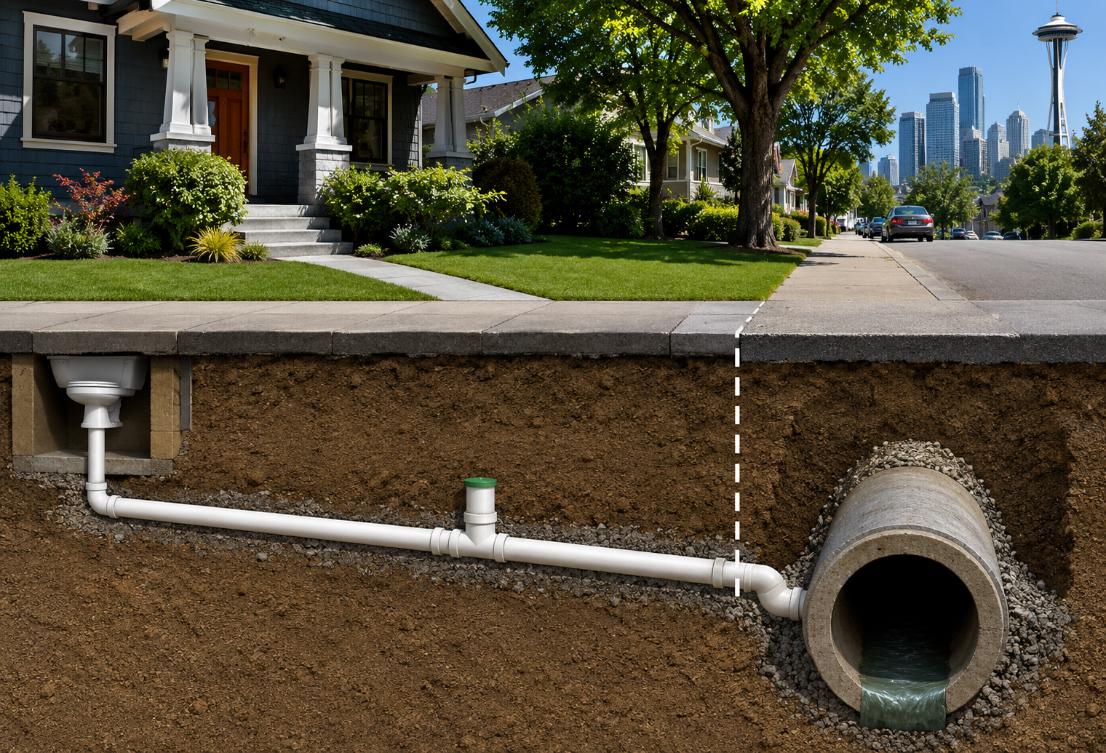
The portion of the service line under public ownership may be handled differently than the privately owned section on your property.
Replacing aging service lines can improve long-term plumbing reliability while reducing concerns about older piping materials.
If your home is undergoing renovations or plumbing work, it may be a good time to inspect the service line as well.
Why the Lead Pipe Replacement Program Matters in Greenwood
The Lead Pipe Replacement Program is especially relevant for neighborhoods with older housing stock. Greenwood features many homes built throughout the early and mid-1900s, and while not every property has lead service lines, understanding your home’s plumbing history can help you make informed decisions.
Seattle Public Utilities continues efforts to identify and address lead service lines where they exist. Property owners may also need to evaluate privately owned plumbing components during inspections, remodeling projects, or planned water service upgrades.
Goldstar Plumbing serves homeowners throughout Seattle, and we often help residents understand the condition of their existing plumbing systems before they move forward with repairs or replacement projects.
Local Field Observations
Professional field experience shows that older plumbing systems in North Seattle often contain a mix of materials installed over many decades. It is common to find copper piping connected to galvanized steel or other older materials, particularly in neighborhoods like Greenwood, Crown Hill, Fremont, and Green Lake.
While every property is different, identifying the service line material is often the first step before any replacement decisions are made.
How the Program Affects Local Homeowners
The Lead Pipe Replacement Program can influence future plumbing projects in several ways.
If lead piping is identified, homeowners may need to coordinate work involving both public infrastructure and privately owned plumbing. Planning ahead can reduce delays during remodeling projects or emergency plumbing repairs.
Replacing older service lines may also improve water flow reliability while eliminating concerns associated with aging pipe materials.
Warning Signs Your Service Line May Need Inspection
The best way to know your service line material is through inspection, but these signs may indicate it’s worth investigating:
Your home was built before the 1950s.
Plumbing records are unavailable or incomplete.
You have older galvanized plumbing connected to newer copper piping.
Your water service has never been upgraded.
You’re planning a major kitchen or bathroom remodel.
You’re replacing the main water line for another reason.
These signs do not confirm the presence of lead but may justify a professional evaluation.
When to Call a Professional
A plumbing professional should inspect your service line if you’re unsure what material connects your home to the municipal water system.
While homeowners can review available property records and visually inspect accessible plumbing, identifying underground service line materials often requires specialized experience. Professional inspections can also help determine whether replacement is recommended and explain how local utility responsibilities apply to your property.
Common Local Causes of Service Line Replacement
Several factors commonly lead to water service line replacement in Seattle.
Aging Infrastructure
Older homes throughout Greenwood and nearby neighborhoods may still contain original plumbing components that have reached the end of their expected service life.
Home Renovations
Major remodeling projects often uncover aging plumbing that homeowners choose to replace while walls, landscaping, or driveways are already being disturbed.
Corrosion
Decades of use can contribute to deterioration in older piping materials, even if no major leaks have occurred.
Water Service Upgrades
Some homeowners replace aging service lines while improving water pressure or modernizing their plumbing systems.
Prevention and Maintenance
Homeowners can take several practical steps to stay informed about their plumbing system.
Review available home inspection reports.
Ask about service line materials before purchasing an older home.
Keep records of plumbing upgrades.
Schedule inspections before major remodeling projects.
Address water line issues before they become emergency repairs.
Routine inspections can help identify aging components before they require urgent replacement.
What to Expect During Service Line Replacement
A professional replacement project typically begins with identifying existing pipe materials and confirming ownership responsibilities.
The replacement process may involve excavation, removal of outdated piping, installation of new approved materials, pressure testing, and restoration of affected landscaping or hardscaping where applicable.
Project timelines vary depending on property layout, permitting requirements, and the location of the existing service line.
Common Mistakes Homeowners Make
Assuming Every Older Home Has Lead Pipes
Older construction alone does not confirm the presence of lead. Professional identification is the most reliable approach.
Waiting Until an Emergency Occurs
Replacing a deteriorating service line during an emergency can limit scheduling flexibility and increase disruption.
Ignoring Partial Plumbing Upgrades
Replacing only visible interior plumbing may leave older underground service lines untouched.
Skipping Documentation
Keeping records of inspections and replacements can simplify future home sales and renovation planning.
A Common Greenwood Scenario
A homeowner purchases a 1940s house near Greenwood Avenue North and begins planning a kitchen remodel. During the project, questions arise about the age of the water service line.
Rather than waiting until construction begins, the homeowner schedules a plumbing inspection to identify existing materials and determine whether replacement should be coordinated with the remodel. Addressing the issue during planned construction helps reduce future disruption.
Related Plumbing Services
Several plumbing services may be recommended alongside service line evaluations.
We proudly serve homeowners throughout Seattle, including Greenwood, Ballard, Phinney Ridge, Green Lake, Crown Hill, Fremont, and nearby communities across King County. Our team understands the plumbing systems commonly found in older Seattle neighborhoods.
The Cost of Waiting
Delaying evaluation of an aging service line can make future plumbing projects more complicated. If replacement eventually becomes necessary, addressing it during planned renovations may be more convenient than waiting for unexpected plumbing problems to develop.
Does every older home in Greenwood have a lead service line?
No. Older homes in Greenwood do not automatically have lead service lines. A professional inspection or available utility records can help determine the material serving your specific property.
How do I know if my Seattle home qualifies for the Lead Pipe Replacement Program?
The answer depends on your property’s existing service line material and local utility information. Seattle Public Utilities provides guidance for homeowners seeking more information about potential lead service lines.
Who owns the water service line in Seattle?
Ownership is typically divided between the public utility and the property owner. The exact responsibility depends on where the service line is located, making it important to verify ownership before replacement work begins.
Should I replace my water service line during a remodel?
Yes, many homeowners choose to evaluate or replace aging service lines during remodeling because excavation and plumbing access may already be part of the project.
Are inspections worthwhile for older Greenwood homes?
Yes. Homes built many decades ago can benefit from understanding the condition and material of their underground water service line before future plumbing work is needed.
Can replacing an aging service line improve plumbing reliability?
Yes. Replacing deteriorating or outdated service lines may improve long-term reliability and reduce the likelihood of future plumbing issues associated with aging materials.
Stay Ahead of Plumbing Problems in Greenwood
Understanding your home’s water service line today can help you make better decisions about future plumbing projects. Whether you’re purchasing an older home, planning renovations, or simply want peace of mind, knowing what lies beneath your property is a valuable first step.
Schedule Your Plumbing Inspection Today
Our experienced team helps Seattle homeowners understand their plumbing systems and explore practical service line solutions.
Side sewer lines are one of the most overlooked parts of a property’s plumbing system until something goes wrong. For homeowners and property buyers in Roosevelt, Seattle, WA, understanding local side sewer line requirements can help prevent unexpected repair costs, avoid delays during real estate transactions, and keep wastewater flowing safely to the public sewer system.
Quick Answer
Side sewer line requirements in Roosevelt, Seattle, WA generally involve ensuring that the privately owned sewer line connecting your home to the public sewer main is functioning properly and complies with City of Seattle regulations. Property owners are typically responsible for maintaining, repairing, and replacing this line when necessary. Inspections may also be required during certain property sales or when sewer issues are suspected.
What Local Readers Should Know
Property owners are generally responsible for the side sewer from the building to the connection with the public sewer main.
Older Roosevelt homes may have aging sewer lines made from clay, concrete, cast iron, or Orangeburg pipe that can deteriorate over time.
The City of Seattle may require side sewer inspections under specific circumstances, including some property transfers and permit-related work.
Tree-lined neighborhoods such as Roosevelt, Green Lake, and Ravenna commonly experience root intrusion into older sewer lines.
Heavy Pacific Northwest rainfall can expose existing sewer defects by allowing groundwater infiltration into damaged pipes.
Why This Matters Locally
Understanding side sewer requirements matters because many homes throughout Roosevelt were built decades ago, long before modern piping materials became standard. Mature landscaping, large street trees, seasonal rainfall, and aging underground infrastructure can all affect the condition of private sewer lines.
Whether you live near Roosevelt Way NE, NE 65th Street, Green Lake, Maple Leaf, Ravenna, Northgate, or the University District, maintaining your side sewer helps protect your property from backups, costly emergency repairs, and potential code compliance issues.
Goldstar Plumbing helps Seattle property owners understand their plumbing systems and make informed decisions about inspections, repairs, and replacements. After this introduction, we’ll simply refer to ourselves as we.
Local Data and Field Observations
According to Seattle Public Utilities, property owners are generally responsible for maintaining the private side sewer that connects their building to the public sewer system. While the utility maintains the public sewer mains, repairs to private side sewers typically fall to the property owner.
From our field observations, older Seattle neighborhoods frequently experience issues caused by aging pipe materials, invasive tree roots, shifting soil, and years of normal wear. These conditions often remain unnoticed until a blockage or leak develops.
Local Impact
A damaged side sewer can affect much more than wastewater drainage.
Local homeowners may experience:
Slow household drains
Recurring backups
Sewage odors around the property
Wet areas in the yard
Unexpected repair expenses
Delays during home sales or remodeling projects
Because many Roosevelt homes have mature landscaping and older underground utilities, early detection can often reduce both disruption and repair costs.
Warning Signs
A side sewer problem often produces noticeable symptoms before complete failure occurs.
Watch for these warning signs:
Multiple drains backing up simultaneously
Gurgling sounds from toilets or drains
Sewage odors inside or outside the home
Water pooling in the yard without an obvious source
Frequent drain clogs despite cleaning
Unusually lush patches of grass over the sewer line
Slow drainage throughout the home
Foundation or basement moisture associated with sewer leaks
When to Call a Professional
Professional evaluation is recommended whenever multiple plumbing fixtures begin backing up, sewage odors appear, or recurring drainage problems continue after routine drain cleaning.
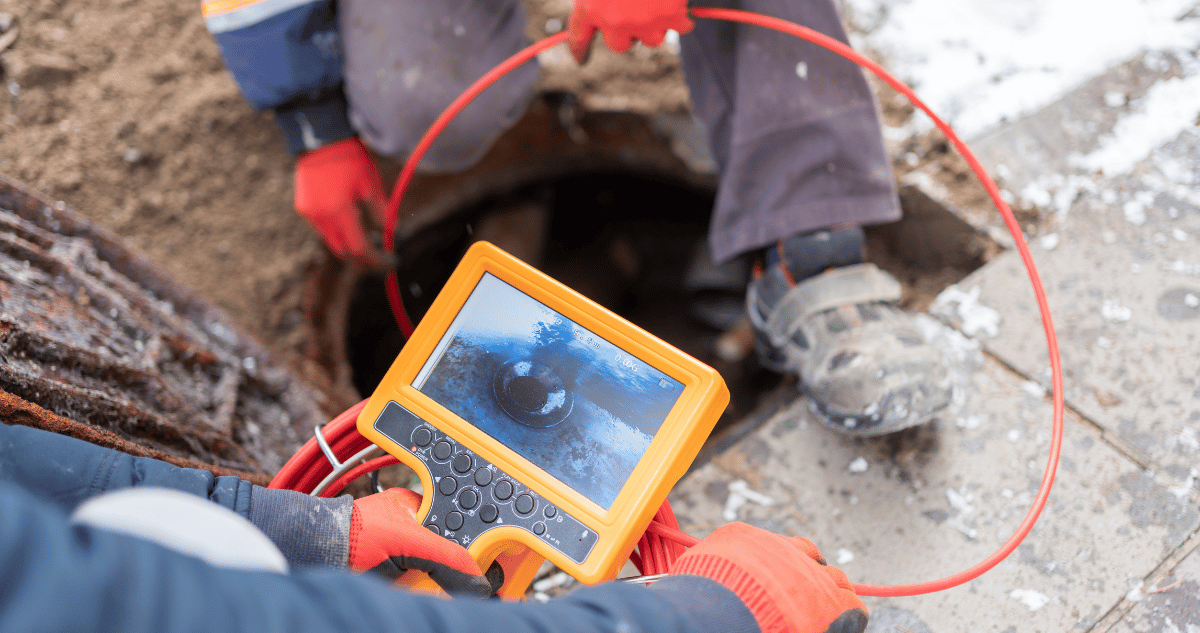
Homeowners can safely monitor drain performance, avoid flushing inappropriate materials, and observe outdoor conditions. However, locating underground sewer damage typically requires specialized inspection equipment, including sewer camera technology.
Prompt inspection is especially valuable before purchasing older homes or beginning major remodeling projects.
Common Local Causes
Several factors contribute to side sewer problems in Roosevelt.
1. Aging Pipe Materials
Many older homes still have original sewer lines that have reached or exceeded their expected service life.
2. Tree Root Intrusion
Large trees throughout Roosevelt, Green Lake, and Ravenna naturally seek moisture, allowing roots to enter even small pipe openings.
3. Soil Movement
Seasonal moisture changes can gradually shift underground pipes, creating offsets or cracks.
4. Pipe Corrosion
Older cast iron sewer lines may corrode internally, restricting flow and increasing blockage risks.
5. Debris and Grease Accumulation
Improper disposal of grease, wipes, and other non-flushable items contributes to recurring blockages.
Prevention and Maintenance
Routine maintenance helps extend the life of a side sewer.
Helpful preventive practices include:
Schedule periodic sewer camera inspections for older homes.
Avoid planting large trees directly above sewer lines.
Never flush wipes, grease, or hygiene products.
Address slow drains before they become complete blockages.
Consider preventive root management where appropriate.
Keep records of previous repairs and inspections.
Routine inspections may be particularly valuable before purchasing older Seattle properties.
Expected Results
Professional inspection provides a clear understanding of your sewer line’s condition. Depending on the findings, solutions may include routine cleaning, localized repairs, trenchless rehabilitation, or full replacement.
Early identification often allows homeowners to address smaller issues before they develop into emergency situations.
Common Mistakes
Mistake: Ignoring occasional slow drains. Consequence: Small blockages can develop into complete sewer backups. Better Approach: Schedule an inspection when symptoms first appear.
Mistake: Assuming the city owns the side sewer. Consequence: Unexpected repair costs and delayed action. Better Approach: Understand where private ownership begins and ends.
Mistake: Waiting until a real estate transaction. Consequence: Inspection issues may delay closing. Better Approach: Evaluate older sewer lines well before listing or purchasing property.
Common Local Scenario
A homeowner in Roosevelt notices occasional gurgling toilets and slow drains after heavy rainfall. Initially, the symptoms disappear after a day or two. Months later, multiple fixtures begin backing up simultaneously. A sewer camera inspection identifies tree root intrusion into an aging clay sewer line. Addressing the problem early could have reduced disruption and prevented more extensive damage.
Related Service Solutions
Several plumbing services may help resolve side sewer concerns:
Suitable when the remainder of the line is in good condition
Full replacement
Extensive deterioration
May provide a longer-term solution for aging systems
Service Areas
We proudly serve homeowners throughout Seattle, including Roosevelt, Green Lake, Ravenna, Maple Leaf, Northgate, the University District, Wallingford, and surrounding communities throughout King County.
Cost of Ignoring the Issue
Delaying sewer repairs can allow minor defects to become significant failures. Continued deterioration may result in property damage, emergency plumbing calls, landscaping disruption, or more extensive repairs than would have been necessary with earlier intervention.
Property owners are generally responsible for maintaining the private side sewer that connects their building to the public sewer system. Seattle Public Utilities maintains the public sewer mains.
Are side sewer inspections required in Roosevelt, Seattle, WA?
Side sewer inspections may be required under certain circumstances, including some property sales, permits, or when sewer concerns are identified. Requirements depend on the specific project and local regulations.
How long do sewer lines last in older Seattle neighborhoods?
The lifespan depends on the pipe material, installation quality, soil conditions, and maintenance history. Older clay, cast iron, and Orangeburg pipes may require evaluation as they age.
Can tree roots damage sewer lines in Roosevelt?
Yes. Mature trees commonly found throughout Roosevelt and nearby neighborhoods can invade older sewer lines through cracks or joints, leading to blockages and structural damage.
What are signs my Seattle side sewer needs inspection?
Recurring drain backups, multiple clogged fixtures, sewage odors, slow drainage, or wet spots in the yard are common indicators that a professional inspection may be appropriate.
Is a sewer camera inspection worth it before buying an older Seattle home?
Yes. A sewer camera inspection can identify hidden defects that may not be visible during a standard home inspection, helping buyers better understand potential future repair needs.
Closing
Understanding side sewer line requirements helps Roosevelt homeowners make informed decisions before plumbing problems become expensive emergencies. Knowing your responsibilities, recognizing early warning signs, and scheduling inspections when appropriate can help protect both your property and your investment.
Protect Your Seattle Property with Professional Sewer Expertise
Our team is here to help you understand your side sewer, identify potential problems, and recommend practical solutions for your home.
A clogged main sewer line is one of the most disruptive plumbing problems a property owner can face. In Seattle, older neighborhoods, mature tree-lined streets, and frequent rainfall can all contribute to sewer line issues that quickly escalate from a slow drain to a plumbing emergency.
Quick Answer
If your main sewer line is clogged, stop using water immediately, avoid chemical drain cleaners, and determine whether multiple drains throughout your home are backing up. A main sewer blockage can cause wastewater to return through floor drains, tubs, or toilets, so prompt professional inspection is the safest way to identify the cause and prevent further damage.
What Seattle Homeowners Should Know
If multiple drains are slow or backing up at the same time, the problem is often in the main sewer line rather than an individual fixture.
Seattle’s mature trees in neighborhoods like Ballard, Queen Anne, Capitol Hill, and West Seattle commonly send roots into aging sewer pipes.
Heavy rainfall throughout King County can expose drainage weaknesses and worsen existing sewer line problems.
Older homes with clay or cast iron sewer pipes may be more susceptible to cracks, corrosion, and root intrusion.
Waiting too long to address a sewer backup can increase cleanup costs and potentially damage flooring, drywall, and personal belongings.
Why This Matters Locally
Main sewer line problems deserve immediate attention because many homes throughout Seattle were built decades ago using materials that naturally deteriorate over time. Combined with the region’s wet climate, shifting soil, and extensive tree canopy, these aging systems often experience root intrusion, pipe separation, or blockages.
Goldstar Plumbing helps local homeowners identify the source of sewer problems with professional inspections and practical repair recommendations. Once you’ve met us, you’ll notice we focus on solving the underlying issue instead of treating only the symptoms.
Local Field Observations
Based on common field experience throughout Seattle and surrounding communities, tree root intrusion remains one of the most frequent causes of sewer line blockages. We also regularly encounter grease accumulation, deteriorating clay pipes, and sections of pipe that have shifted because of natural soil movement.
Neighborhoods with older infrastructure often experience these problems more frequently than newer developments.
How a Main Sewer Line Clog Affects Your Home
A blocked main sewer line affects every drain connected to your home’s plumbing system. Instead of wastewater flowing toward the municipal sewer, it can begin backing up into the lowest plumbing fixtures.
This may result in:
Overflowing floor drains
Water backing up into showers or tubs
Toilets gurgling or overflowing
Unpleasant sewer odors
Water damage requiring expensive restoration
Because Seattle homes often include finished basements or lower-level living spaces, sewer backups can become especially costly if not addressed promptly.
Warning Signs of a Main Sewer Line Clog
A main sewer line clog usually gives several warning signs before a complete backup occurs.
Common indicators include:
Multiple drains slowing down simultaneously
Toilets gurgling when sinks or washing machines drain
Water backing up into tubs or showers
Sewer odors inside or outside the home
Frequent toilet clogs throughout the house
Water appearing around basement floor drains
Standing water near your sewer cleanout
These symptoms generally indicate a larger plumbing issue rather than a single clogged fixture.
When to Call a Professional
If several plumbing fixtures are affected at once, it’s time to call a professional. While homeowners may safely remove simple sink or tub clogs near the drain opening, a suspected main sewer blockage requires specialized equipment and proper diagnosis.
Professional sewer camera inspections can determine whether the blockage is caused by roots, grease buildup, collapsed piping, or another issue. Identifying the exact cause helps avoid unnecessary excavation or repeated drain cleaning.
Common Causes of Sewer Line Clogs in Seattle
1. Tree Root Intrusion
Tree roots naturally seek moisture and can enter tiny cracks in aging sewer pipes. Once inside, roots continue growing until they restrict or completely block wastewater flow.
2. Aging Clay or Cast Iron Pipes
Many older homes throughout Seattle still have original sewer piping. Over time, these materials may crack, corrode, or develop joint separation.
3. Grease and Food Waste
Cooking grease may leave the sink as a liquid but eventually cools and hardens inside the sewer line. Combined with food particles, this creates stubborn blockages.
4. Flushing Non-Flushable Items
Paper towels, wipes labeled as flushable, hygiene products, and other debris can accumulate inside the sewer line and create significant obstructions.
5. Soil Movement
Natural settling and seasonal ground movement can shift underground pipes, creating low spots where debris collects.
Prevention and Maintenance
Routine maintenance can significantly reduce the likelihood of a major sewer blockage.
Helpful preventative measures include:
Schedule periodic sewer camera inspections for older homes.
Dispose of grease in the trash instead of pouring it down drains.
Avoid flushing wipes, paper towels, or hygiene products.
Consider preventative root treatments if your property has large mature trees.
Address slow drains early before they become complete blockages.
Have suspicious sewer odors investigated promptly.
Regular inspections are especially valuable for homeowners in older Seattle neighborhoods where sewer systems have been in service for decades.
What Results Should You Expect?
Professional sewer service should provide a clear diagnosis along with recommendations based on the pipe’s actual condition.
Depending on the findings, you may need:
Professional drain cleaning
Hydro jetting
Root removal
Spot repairs
Partial pipe replacement
Full sewer line replacement if the pipe has significantly deteriorated
The appropriate solution depends on the severity and location of the problem.
Common Mistakes to Avoid
Mistake: Continuing to run water after noticing backups. Consequence: Additional wastewater may back up into your home. Better Approach: Stop using plumbing fixtures until the blockage is evaluated.
Mistake: Using chemical drain cleaners repeatedly. Consequence: Chemicals rarely clear main sewer blockages and may damage older pipes. Better Approach: Schedule a professional inspection.
Mistake: Ignoring occasional slow drains. Consequence: Minor restrictions often become complete blockages over time. Better Approach: Investigate recurring drainage issues early.
Common Local Scenario
A homeowner in North Seattle notices the downstairs shower backing up whenever the washing machine drains. Shortly afterward, the toilets begin gurgling and a sewer odor develops near the basement floor drain.
A sewer camera inspection reveals tree roots growing through an older clay sewer line. After clearing the roots and evaluating the pipe’s condition, the homeowner can make an informed decision about repair or replacement before a complete sewer backup occurs.
Related Plumbing Services
Several plumbing services may resolve or prevent sewer line problems:
Preserves sections of pipe that remain in good condition
Sewer replacement
Extensive deterioration
Long-term solution when repairs are no longer practical
Service Areas
We proudly help homeowners throughout Seattle and nearby communities including Shoreline, Burien, Bellevue, Mercer Island, and other areas across King County. Local knowledge helps us understand the unique plumbing challenges associated with older homes and regional conditions.
The Cost of Waiting
Ignoring a sewer line clog often allows the problem to worsen. What begins as slow drainage can eventually lead to wastewater backups, property damage, mold concerns, and more extensive plumbing repairs.
How do I know if my main sewer line is clogged in Seattle?
The clearest sign is multiple plumbing fixtures backing up at the same time. Toilets, sinks, tubs, and floor drains may all experience slow drainage or backups, indicating the blockage is likely in the main sewer line.
Are tree roots a common sewer problem in Seattle?
Yes. Mature trees throughout many Seattle neighborhoods frequently send roots toward underground sewer pipes. Older clay pipes are especially vulnerable to root intrusion.
Can heavy rain cause sewer line problems?
Heavy rainfall typically does not create a blockage by itself, but it can expose existing drainage problems and place additional stress on compromised sewer systems.
Should I use chemical drain cleaners for a sewer clog?
No. Chemical drain cleaners are generally ineffective against main sewer blockages and may damage older plumbing materials. Professional diagnosis is usually the safer approach.
How is a sewer blockage diagnosed?
A sewer camera inspection allows plumbers to see the interior of the pipe and identify the exact cause of the blockage, whether it’s roots, grease, pipe damage, or another issue.
Can older homes in King County have more sewer issues?
Yes. Homes with aging clay or cast iron sewer pipes may experience more frequent blockages, corrosion, or structural deterioration than newer plumbing systems.
Closing
A clogged main sewer line is not a problem to ignore. Acting quickly can help minimize property damage, reduce repair costs, and restore safe, reliable plumbing. Understanding the warning signs and seeking professional evaluation early gives homeowners the best opportunity to address the issue before it becomes a major emergency.
Get Professional Sewer Line Help in Seattle
Protect your home with prompt, accurate sewer line diagnosis and dependable plumbing solutions.
If you’ve ever turned on the shower only to find a weak trickle or noticed your kitchen faucet suddenly blasting water with unusual force, you’re not alone. Water pressure problems are common in Ballard homes, especially in older properties where aging plumbing systems, changing infrastructure, and everyday wear all play a role.
Quick Answer
Water pressure problems in Ballard Seattle homes are most commonly caused by aging pipes, partially closed valves, mineral buildup, leaks, pressure regulator issues, or changes within the municipal water system. Identifying the cause early helps prevent plumbing damage, improves water efficiency, and restores consistent water flow throughout your home.
What Local Readers Should Know
Many Ballard homes were built decades ago, making aging galvanized plumbing a common source of low water pressure.
Seasonal water demand and utility maintenance can temporarily affect pressure in parts of Seattle.
Corrosion inside older pipes often reduces flow gradually over time without obvious warning signs.
Pressure that is too high can be just as damaging as pressure that is too low, increasing wear on fixtures and appliances.
Addressing pressure issues early can help prevent leaks, pipe failures, and unnecessary water waste.
Why This Matters Locally
Water pressure concerns are especially relevant in Ballard because the neighborhood features a wide mix of historic homes, renovated properties, and newer developments. Older neighborhoods throughout Northwest Seattle, including Phinney Ridge, Crown Hill, Fremont, and Green Lake, often contain plumbing systems that have served homeowners for many decades.
Seattle Public Utilities maintains the city’s water distribution system, but pressure issues can also originate inside individual homes. Whether you live near the Ballard Locks, Sunset Hill, or Loyal Heights, understanding the source of pressure problems can help you determine when a simple adjustment is enough and when professional service is needed.
Goldstar Plumbing proudly serves homeowners throughout Seattle. Once you’ve identified signs of a water pressure problem, we can inspect your plumbing system, locate the underlying cause, and recommend practical repair options.
Local Data and Field Observations
Professional field observations show that homes throughout Ballard frequently experience water pressure issues related to aging plumbing materials. Older galvanized steel pipes gradually corrode from the inside, restricting water flow even when there are no visible leaks. Renovated homes may also experience pressure imbalances if newer plumbing has been connected to older sections that remain in service.
Areas with a combination of older infrastructure and modern plumbing upgrades often require a comprehensive inspection to determine whether the issue originates inside the home or elsewhere in the plumbing system.
Local Impact
Water pressure problems affect more than convenience. Weak pressure can make showers less comfortable, increase the time needed for washing dishes, and reduce appliance performance. Excessively high pressure can shorten the lifespan of water heaters, washing machines, dishwashers, faucets, and supply lines.
Ignoring these issues may lead to higher repair costs as small plumbing problems become larger ones over time.
Warning Signs
Watch for these common indicators of water pressure problems:
Weak water flow from one or more fixtures.
Pressure that changes suddenly throughout the day.
Sputtering faucets that release bursts of air.
Loud banging or vibrating pipes.
Fixtures that take much longer to fill sinks or tubs.
Appliances that perform poorly because of inconsistent water flow.
Water leaks appearing after pressure changes.
Multiple fixtures losing pressure at the same time.
When to Call a Professional
Water pressure problems that affect only one faucet may simply require cleaning an aerator or replacing a fixture component. However, if several fixtures throughout your home experience low or fluctuating pressure, professional diagnosis is recommended.
A licensed plumber can safely inspect shutoff valves, pressure regulators, supply lines, and hidden leaks while checking for signs of pipe corrosion that may not be visible without specialized equipment.
Common Local Causes
Several issues commonly contribute to water pressure problems in Ballard homes.
Aging Galvanized Pipes
Many older Seattle homes still contain galvanized steel plumbing. Internal corrosion gradually narrows the pipe opening, reducing water flow throughout the home.
Pressure Regulator Problems
Homes equipped with pressure reducing valves may experience either excessively high or unusually low pressure when the regulator begins to fail.
Hidden Plumbing Leaks
Leaks behind walls, beneath floors, or underground reduce available water pressure while increasing water usage.
Mineral Buildup
Mineral deposits inside fixtures and plumbing components restrict water flow over time.
Partially Closed Shutoff Valves
Main water valves or fixture valves that are not fully open can significantly reduce pressure throughout portions of the plumbing system.
Municipal Water System Changes
Occasional maintenance or operational adjustments within Seattle’s water distribution network may temporarily affect household water pressure.
Prevention and Maintenance
Preventive maintenance helps reduce the likelihood of recurring pressure problems.
Schedule periodic plumbing inspections for older homes.
Replace aging galvanized piping before severe corrosion develops.
Inspect visible plumbing for signs of leaks.
Clean faucet aerators and showerheads regularly.
Monitor changes in household water pressure instead of assuming they will resolve on their own.
Have pressure regulators tested if your home’s pressure fluctuates frequently.
While homeowners can safely clean fixtures and verify valve positions, repairs involving supply lines, regulators, or hidden leaks should be handled by a qualified plumbing professional.
Expected Results
Professional diagnosis identifies the true cause of water pressure problems instead of treating only the symptoms. Depending on the issue, homeowners may notice stronger fixture performance, improved appliance operation, more consistent showers, quieter plumbing, and reduced stress on the overall plumbing system after repairs are completed.
Common Mistakes
Mistake: Assuming every low-pressure problem is caused by the city’s water supply.
Consequence: The real issue inside the home continues to worsen.
Better Approach: Have the home’s plumbing system inspected to identify the actual source.
Mistake: Ignoring unusually high water pressure.
Consequence: Excessive pressure can damage pipes, fixtures, and appliances.
Better Approach: Test household water pressure and replace failing pressure regulators when necessary.
Mistake: Replacing fixtures before diagnosing the plumbing system.
Consequence: The underlying restriction remains unresolved.
Better Approach: Identify whether the issue originates with the fixture, supply piping, or main water service.
Common Local Scenario
A common situation involves a homeowner purchasing an older Ballard home with original galvanized plumbing. Initially, water pressure seems acceptable, but over several years the kitchen, bathroom, and laundry fixtures gradually lose performance. Inspection reveals internal pipe corrosion restricting flow throughout the system. Replacing affected sections restores consistent pressure and improves overall plumbing reliability.
Related Service Solutions
Several plumbing services may resolve water pressure concerns depending on the underlying cause.
We proudly serve homeowners throughout Ballard, Seattle, Magnolia, Queen Anne, Fremont, Greenwood, Crown Hill, and surrounding King County communities. Whether you own a historic home or a newly renovated property, we provide plumbing solutions tailored to your home’s needs.
Cost of Ignoring the Issue
Delaying repairs can allow small plumbing issues to become expensive problems. Persistent low pressure may signal pipe deterioration or hidden leaks, while excessive pressure can damage fixtures and appliances long before visible signs appear. Early diagnosis often helps prevent more extensive plumbing repairs.
Why is my water pressure suddenly low in my Ballard home?
Sudden low water pressure often results from a leak, partially closed valve, pressure regulator issue, or temporary utility maintenance. A plumbing inspection can determine whether the problem originates inside your home or elsewhere.
Are older Seattle homes more likely to have water pressure problems?
Yes. Older homes frequently contain aging galvanized pipes that gradually restrict water flow as corrosion builds inside the plumbing system.
Can high water pressure damage my plumbing?
Yes. Excessively high water pressure places additional stress on pipes, water heaters, appliances, and plumbing fixtures, increasing the likelihood of leaks and premature wear.
Does Seattle’s water system affect household water pressure?
Yes. Maintenance work or operational changes within the municipal water system can occasionally influence household pressure, although many problems originate inside individual homes.
Should I replace my pipes if water pressure keeps getting worse?
Not always. A professional inspection can determine whether pipe replacement, repairs, or another plumbing solution is the most appropriate option.
How can I tell if my pressure regulator has failed?
Pressure that fluctuates dramatically, unusually forceful water flow, or pressure changes throughout the day may indicate a failing pressure regulator. Professional testing provides an accurate diagnosis.
Closing
Water pressure problems rarely improve on their own. Identifying the source early helps protect your plumbing system, improve everyday comfort, and prevent unnecessary repair costs. Whether your home has aging pipes or a newer plumbing system, prompt inspection can save time and frustration.
Restore Reliable Water Pressure in Your Ballard Home
Our experienced team is ready to help identify the cause of your water pressure problems and recommend the right solution for your home.
If a pipe suddenly bursts or a plumbing fixture fails, shutting off the water quickly can prevent thousands of dollars in damage. But what happens if your home doesn’t have a clearly accessible main shutoff valve? For many homeowners in Seattle, especially those living in older neighborhoods, this is a more common situation than they might expect.
Quick Answer
If your house doesn’t have an accessible main shutoff valve, you should have a licensed plumber inspect your plumbing system and determine the safest way to isolate your home’s water supply. In some cases, the valve may be buried, hidden, outdated, or located near the water meter. Older homes may also require a new shutoff valve installation to meet current plumbing needs and improve emergency preparedness.
What Local Readers Should Know
Many older homes in Seattle were built before modern plumbing standards made easily accessible shutoff valves common.
Seattle Public Utilities controls the water meter and utility-side shutoff, but homeowners are responsible for maintaining the home’s main shutoff valve.
Neighborhoods with older housing stock, such as Ballard, Capitol Hill, Queen Anne, and Wallingford, often have plumbing systems that have been modified over several decades.
A functioning shutoff valve allows water to be stopped immediately during emergencies, reducing the risk of structural damage and mold.
Regular plumbing inspections can identify missing, damaged, or inaccessible shutoff valves before they become an emergency.
Why This Matters Locally
A missing or inaccessible main shutoff valve matters because water damage can spread quickly in Seattle’s damp climate. Once moisture enters walls, crawl spaces, or flooring, it can take longer to dry than in drier regions. Many homes throughout King County also have finished basements, older piping, or additions that make plumbing layouts more complicated.
Goldstar Plumbing helps local homeowners understand how their plumbing systems are configured so emergencies become easier to manage. Once we’ve introduced ourselves, our focus is helping you make informed decisions about protecting your property.
Local Data and Field Observations
Professional field observations show that many homes built before the 1960s have plumbing configurations that differ significantly from newer construction. Renovations completed over several decades may relocate water lines, conceal shutoff valves behind finished walls, or leave outdated valves in place that no longer operate properly.
Seattle Public Utilities provides guidance regarding customer responsibilities for plumbing on the property owner’s side of the water meter, making it worthwhile for homeowners to understand exactly where their water can be shut off before an emergency occurs.
Local Impact
A plumbing emergency can affect far more than your pipes. Without a working main shutoff valve, homeowners may experience:
Increased water damage to flooring, drywall, and insulation.
Longer emergency response times while locating the utility shutoff.
Higher repair costs from prolonged water exposure.
Greater potential for mold growth due to the Pacific Northwest’s naturally humid conditions.
Disruption to daily household activities until repairs are completed.
Warning Signs Your Home May Not Have a Usable Main Shutoff Valve
Yes, there are several signs that suggest your home may lack an accessible or functioning main shutoff valve.
You cannot identify where your home’s water supply enters the building.
The valve is painted over, rusted, or difficult to turn.
Previous owners finished a basement or remodeled without providing access.
Water continues flowing after attempting to close the suspected valve.
The only accessible shutoff appears to be at individual fixtures.
Your home has never had a plumbing inspection focused on emergency shutoffs.
The property is several decades old and retains much of its original plumbing.
When to Call a Professional
You can safely locate visible plumbing components and familiarize yourself with your home’s layout. However, if you cannot confidently identify the main shutoff valve or the valve appears damaged, professional service is recommended.
A plumber can safely trace the incoming water line, verify whether the valve functions correctly, recommend replacement if necessary, and ensure the installation complies with current plumbing practices.
Common Local Causes
Several factors commonly explain why homeowners cannot locate a main shutoff valve.
1. Older Home Construction
Many homes throughout Fremont, Green Lake, and Magnolia were constructed long before today’s plumbing expectations.
2. Multiple Remodeling Projects
Kitchen additions, basement finishing, and bathroom renovations sometimes conceal plumbing behind new walls.
3. Corrosion and Age
Moist conditions over many years can cause older gate valves to seize or become unreliable.
4. Previous Plumbing Changes
Utility upgrades or interior renovations may have relocated plumbing without clearly marking the new shutoff location.
Prevention and Maintenance
Yes, preventive maintenance makes plumbing emergencies much easier to manage.
Homeowners should:
Locate the main shutoff valve before an emergency occurs.
Test the valve periodically if it is safe to do so.
Keep the area around the valve accessible.
Schedule inspections if the valve appears corroded or difficult to operate.
Replace aging valves before they fail rather than waiting for an emergency.
DIY efforts should stop if the valve will not move or appears damaged, as forcing it can create a leak.
Expected Results
Installing or replacing a properly functioning main shutoff valve gives homeowners greater control during plumbing emergencies. While it does not prevent leaks from occurring, it allows water to be stopped much more quickly, reducing potential property damage and making repairs safer and more efficient.
Common Mistakes
Mistake: Assuming every home has an accessible shutoff valve. Consequence: Valuable time is lost during a plumbing emergency. Better Approach: Verify the valve’s location before an emergency happens.
Mistake: Ignoring a valve that is difficult to turn. Consequence: It may fail when you need it most. Better Approach: Have it inspected and replaced if necessary.
Mistake: Relying only on fixture shutoff valves. Consequence: Major pipe leaks continue flowing throughout the house. Better Approach: Know where the whole-home shutoff is located.
Common Local Scenario
A homeowner discovers water leaking from a burst supply line behind a washing machine. They quickly shut off the fixture valve but realize water continues flowing through the damaged pipe. After searching unsuccessfully for the home’s main shutoff, they must wait for assistance while water continues causing damage. Identifying and maintaining the main shutoff beforehand could significantly reduce the extent of repairs.
Related Service Solutions
Several plumbing services can help prevent or resolve this issue.
We proudly serve homeowners throughout Seattle as well as nearby communities including Shoreline, Burien, Mercer Island, Bellevue, and other surrounding areas in King County. Understanding the unique plumbing characteristics of local homes helps us provide practical recommendations for each property.
Cost of Ignoring the Issue
Waiting to address a missing or nonfunctional shutoff valve can increase repair costs if a plumbing emergency occurs. Water damage often extends beyond visible surfaces, affecting framing, insulation, flooring, and other building materials. Acting before an emergency provides greater control and can reduce the overall impact of unexpected leaks.
Does every home in Seattle have a main shutoff valve?
Yes, every home should have a way to stop the incoming water supply, but the valve may be hidden, outdated, difficult to access, or no longer functioning properly, particularly in older homes.
Where is the main shutoff valve usually located in Seattle homes?
The answer depends on the home’s age and plumbing layout. It is commonly found where the water service enters the home, near the water heater, in a basement, crawl space, utility room, or close to the water meter.
Can Seattle Public Utilities shut my water off during an emergency?
Yes, Seattle Public Utilities can control the utility-side shutoff, but homeowners remain responsible for plumbing on their side of the meter. Having an accessible main shutoff inside the home allows for much faster response.
Should I replace an old gate valve?
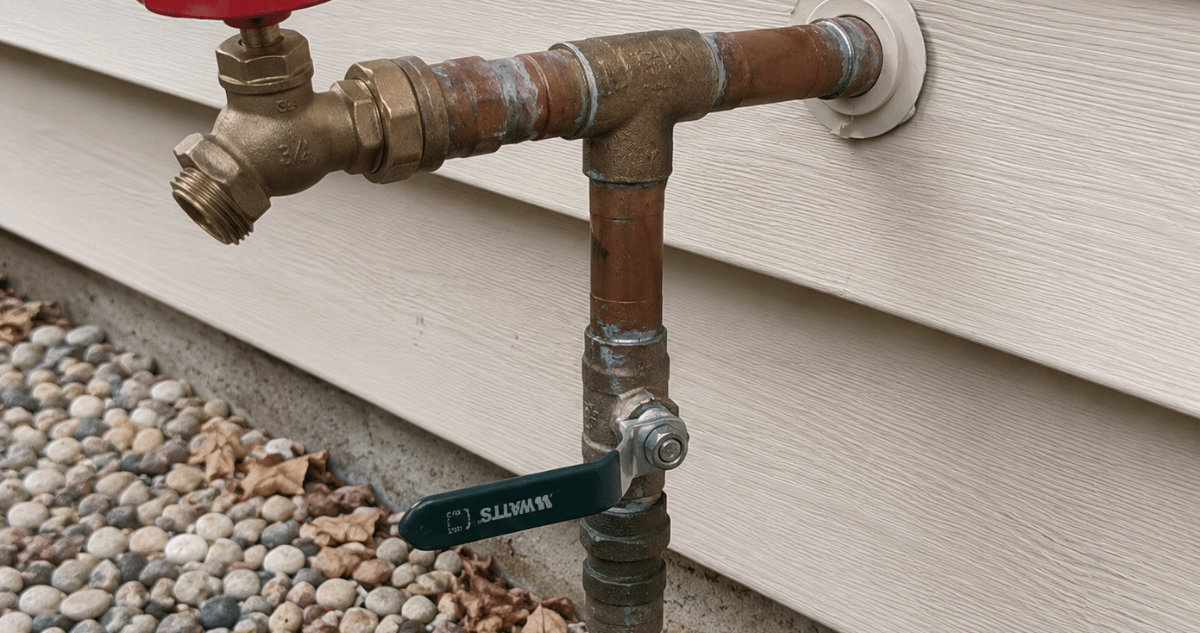
Yes, replacing an aging or difficult-to-operate valve can improve reliability. Many homeowners choose modern ball valves because they are generally easier to operate during emergencies.
Is replacing a main shutoff valve a DIY project?
No. Replacing the home’s primary water shutoff typically requires shutting off the water supply and working on the main service line. Professional installation helps ensure proper operation and compliance with applicable plumbing requirements.
How often should I check my main shutoff valve?
Checking the valve annually is a good practice. Verifying that it remains accessible and operational helps prevent surprises during an emergency.
Closing
Knowing whether your home has a working main shutoff valve is one of the simplest ways to prepare for an unexpected plumbing emergency. For homeowners throughout Seattle, especially those with older properties, taking time to identify and maintain this critical plumbing component can help reduce damage, simplify repairs, and provide peace of mind.
Make Sure You’re Ready Before the Next Plumbing Emergency
We’re here to help you locate, inspect, repair, or replace your home’s main shutoff valve so you’re prepared when it matters most.