

Seattle Greywater System Regulations for Ravenna Residents
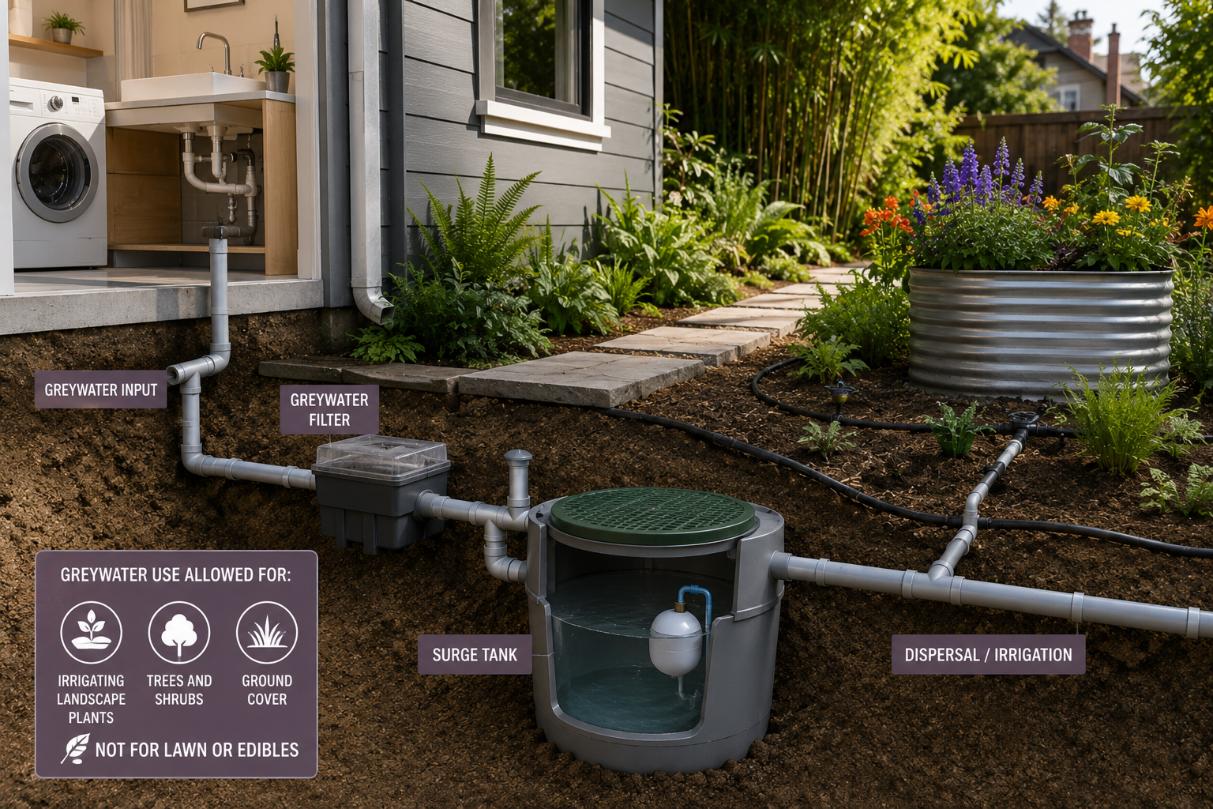
Seattle’s approach to water conservation continues to evolve, and many homeowners are exploring greywater systems as a way to reduce water waste. If you live in Ravenna or another established Seattle neighborhood, understanding the city’s regulations before starting a project can help you avoid costly mistakes, permit issues, and unnecessary delays.
Quick Answer
Seattle allows certain greywater systems under Washington State regulations, but installations must meet state and local plumbing code requirements. Depending on the type of system, permits, approved materials, proper design, and professional installation may be required. Homeowners should always verify current requirements with the City of Seattle before beginning a greywater project.
What Local Readers Should Know
-
Greywater systems reuse water from sources such as bathroom sinks, showers, and washing machines, but not from toilets or kitchen sinks.
-
Older homes in Ravenna often require plumbing modifications before a greywater system can be installed safely.
-
Local regulations are based on Washington State plumbing rules and are enforced through the City of Seattle permitting process.
-
Soil conditions, lot size, landscaping, and drainage all affect whether a greywater system is appropriate for your property.
-
Proper installation helps protect public health while conserving water for landscape irrigation where permitted.
Why This Matters Locally
Greywater regulations matter because Seattle homeowners often live in neighborhoods with mature landscaping, aging infrastructure, and homes built decades before modern water reuse standards existed. Ravenna, Bryant, Green Lake, Wedgwood, Maple Leaf, and the University District all feature many older properties where plumbing layouts can present unique challenges.
Seattle Public Utilities encourages responsible water use, but every reuse system must also protect drinking water supplies and prevent contamination. Homeowners considering remodeling projects or landscape improvements should understand how greywater regulations fit into their overall plumbing plans.
Goldstar Plumbing helps homeowners throughout Seattle understand plumbing requirements for renovation projects and water system upgrades. We believe every project should begin with accurate information so homeowners can make confident decisions.
Local Regulations and Code Considerations
Seattle greywater system regulations are designed to balance water conservation with public health protection. Washington State plumbing regulations establish the framework for greywater reuse, while the City of Seattle administers permitting and local enforcement.
Depending on the project, homeowners may need to consider:
-
Whether permits are required for the proposed installation
-
Approved plumbing materials and pipe labeling
-
Proper separation between potable water and greywater systems
-
Approved discharge methods
-
Cross connection prevention requirements
-
Inspection requirements before the system is placed into service
Requirements may vary depending on the size and complexity of the system, making early planning especially valuable.
Local Field Observations
Based on our experience working with plumbing systems throughout Seattle, many homeowners first ask about greywater while planning bathroom remodels, laundry room upgrades, or landscape improvements. In neighborhoods like Ravenna, existing plumbing configurations often determine how practical a greywater system will be.
Older homes frequently have limited access to drain lines, making thoughtful system design especially important before construction begins.
Local Impact
Greywater systems can reduce potable water use while supporting landscaping during Seattle’s drier summer months. They may also become part of larger home improvement projects focused on sustainability and efficiency.
However, improperly installed systems can create drainage problems, plumbing code violations, or contamination risks. Taking time to understand regulations before installation helps avoid expensive corrections later.
Warning Signs Your Project Needs Professional Guidance
You should consult a plumbing professional if you notice any of the following:
-
Your home was built several decades ago with original plumbing.
-
You’re planning a major bathroom or laundry renovation.
-
Your landscape irrigation plans involve reused household water.
-
Existing drain lines are difficult to access.
-
You’re unsure whether permits are required.
-
Your property has drainage concerns or steep slopes.
-
You want to combine plumbing improvements with other remodeling work.
When to Call a Professional
Professional guidance is recommended before purchasing equipment or beginning construction. While homeowners can research greywater concepts and gather information about their property, system design, code compliance, permit requirements, and final plumbing connections often require experienced evaluation.
This is especially true for older homes throughout Ravenna and nearby North Seattle neighborhoods where plumbing layouts may differ significantly from newer construction.
Common Local Causes for Greywater Questions
Several factors lead Seattle homeowners to explore greywater systems.
1. Water Conservation Goals
Many homeowners want to reduce overall water consumption while maintaining healthy landscaping.
2. Home Renovations
Bathroom remodels and laundry room upgrades provide convenient opportunities to evaluate greywater options.
3. Older Plumbing Systems
Historic homes often require plumbing modernization before new reuse systems can be integrated safely.
4. Sustainable Landscaping
Many residents are interested in reducing irrigation demand while supporting drought tolerant landscaping.
Prevention and Maintenance
Proper maintenance begins with following approved installation practices.
Helpful recommendations include:
-
Schedule plumbing inspections before major remodeling.
-
Keep greywater systems separate from drinking water plumbing.
-
Follow manufacturer maintenance recommendations.
-
Inspect irrigation components regularly.
-
Address plumbing leaks promptly.
-
Avoid introducing prohibited materials into the greywater system.
DIY maintenance should generally be limited to routine observation and basic upkeep. Plumbing modifications should be performed in accordance with applicable code requirements.
Expected Results
A properly designed greywater system can support responsible water reuse while operating safely within applicable regulations. Homeowners should expect professional planning, careful installation, inspections when required, and ongoing maintenance to help keep the system functioning effectively.
Every property is different, so results depend on the home’s plumbing configuration, landscape design, and local approval requirements.
Common Mistakes
Starting work before understanding permit requirements
Consequence: Construction delays or required corrections.
Better approach: Verify applicable regulations before beginning the project.
Assuming every home can support a greywater system
Consequence: Unexpected plumbing limitations.
Better approach: Evaluate the home’s existing plumbing layout first.
Installing without considering irrigation needs
Consequence: Poor system performance.
Better approach: Coordinate plumbing and landscape planning together.
Treating greywater like regular irrigation water
Consequence: Potential code or health concerns.
Better approach: Follow approved use guidelines and system requirements.
Common Local Scenario
A Ravenna homeowner begins planning a laundry room renovation and wants to capture washing machine water for landscape irrigation. During the planning process, they discover the existing plumbing configuration requires additional modifications before a compliant greywater system can be installed. By reviewing code requirements early, the homeowner avoids redesigning the project midway through construction.
Related Service Solutions
Greywater planning often overlaps with several plumbing services, including:
-
Plumbing inspections
-
Bathroom remodeling
-
Laundry room plumbing upgrades
-
Drain line modifications
-
Water supply improvements
-
Plumbing code compliance evaluations
Comparing Your Options
| Option | Benefits | Considerations |
|---|---|---|
| DIY Research | Helps you understand the basics | Does not replace professional code evaluation |
| Professional Planning | Identifies code requirements early | Requires an upfront consultation |
| Remodel Without Greywater | Simpler plumbing project | Misses future water reuse opportunities |
| Integrated Greywater Installation | Coordinates plumbing and conservation goals | May require permits and inspections |
Service Areas
We proudly serve homeowners throughout Seattle, including Ravenna, Bryant, Green Lake, Maple Leaf, Wedgwood, Laurelhurst, Northgate, and surrounding King County communities. Our team understands the unique plumbing challenges found in both historic and modern homes across the area.
Cost of Ignoring the Issue
Waiting until construction begins to understand greywater regulations can lead to project delays, redesign costs, permit complications, and additional plumbing work. Planning ahead helps homeowners make informed decisions before materials are purchased or construction starts.
Frequently Asked Questions
Are greywater systems legal in Seattle?
Yes. Greywater systems are permitted under applicable Washington State and local regulations when installed according to approved plumbing requirements and any required permitting processes.
Do Ravenna homes need permits for greywater systems?
Many projects may require permits depending on their design and scope. The City of Seattle can determine applicable permit requirements for your specific project.
Can I use kitchen sink water as greywater?
No. Kitchen sink wastewater is generally not considered greywater because it contains food waste and other contaminants requiring different handling.
Are older Seattle homes harder to retrofit?
Yes. Older homes often have plumbing layouts that require additional planning before a compliant greywater system can be integrated.
Can greywater reduce water use?
Yes. Properly designed systems can reduce potable water demand by reusing qualifying household water for approved purposes.
Should I have my plumbing inspected before installing a greywater system in Seattle?
Yes. An inspection helps identify plumbing limitations, code considerations, and opportunities to integrate the system efficiently during remodeling.
Closing
Greywater systems offer exciting opportunities for responsible water reuse, but successful projects begin with understanding Seattle’s plumbing regulations. Whether you’re remodeling an older Ravenna home or planning a sustainability upgrade, careful planning helps protect both your investment and your property’s plumbing system.
Ready to Plan Your Greywater Project?
We help Seattle homeowners understand plumbing requirements before construction begins, making projects smoother from start to finish.