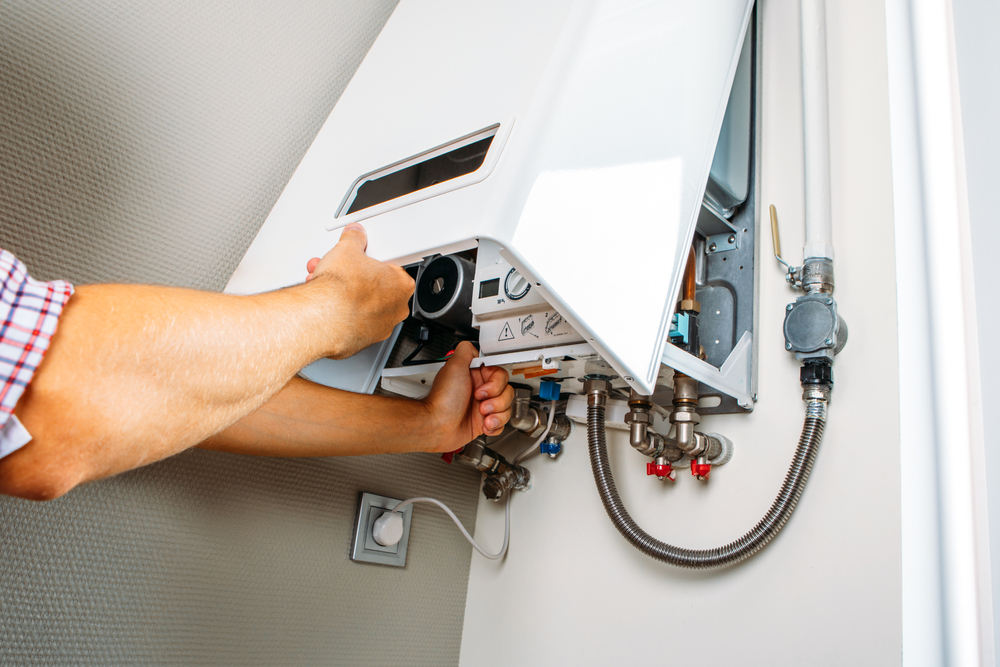
Replacing a water heater is a significant decision for any homeowner. Whether prompted by a sudden failure or a long-overdue upgrade, it’s essential to understand the full range of considerations that come with the process. A water heater is responsible for many daily household comforts, from hot showers to efficient dishwashing and laundry. Ensuring you select the right model involves more than just matching the size of your old unit. You’ll need to evaluate your household’s hot water usage, understand energy efficiency, and ensure compliance with local installation codes. With several different water heater types and fuel options available, the choices can quickly become overwhelming without a clear understanding of what each factor means. Here’s what you need to know before making that investment.
Fuel Source Compatibility (Gas, Electric, Propane)
Before choosing a new water heater, it’s crucial to determine your home’s fuel source compatibility. The majority of water heaters operate on gas or electricity, but propane is also an option in some homes. If your current heater runs on natural gas, sticking with gas is typically the most straightforward and cost-effective option. However, upgrading to a more efficient model within the same fuel category may bring significant energy savings.
Electric water heaters are often easier to install since they don’t require venting, but their operational cost can be higher depending on local utility rates. Propane models are less common and often used in rural areas without natural gas access. Transitioning from one fuel type to another is possible, but it usually involves additional work and cost such as upgrading gas lines, installing new vents, or updating your electrical panel. Understanding which fuel types your home supports, and the implications of switching, is a vital first step in choosing your new water heater.
Capacity Sizing (Matching Gallons or GPM to Household Need)
Choosing the correct size water heater is essential to avoid the frustration of running out of hot water or wasting energy by overheating more water than necessary. For storage tank models, capacity is measured in gallons. Most households find that a 40 to 50-gallon tank meets the needs of two to four people, but larger families may require 75 gallons or more.
For tankless systems, which heat water on demand, sizing is based on gallons per minute (GPM). A typical shower might use 2 GPM, so a household that expects to run two showers and a dishwasher simultaneously would require a unit rated for at least 6 GPM. Accurately estimating your home’s peak water usage ensures your system delivers consistent hot water without overworking. Consulting with a professional or using online calculators can help you assess the appropriate capacity sizing for your home and habits.
Tankless vs. Tank vs. Hybrid (Choosing the Technology)
Understanding the differences between tank, tankless, and hybrid water heaters helps clarify which type is best for your home. Traditional tank models store and continuously heat a reservoir of water. They are generally less expensive up front and simple to install, but they can lose heat over time, leading to higher energy bills.
Tankless systems, on the other hand, only heat water as needed. This on-demand system can lower your energy consumption significantly and provide endless hot water. However, they often have a higher upfront cost and may require upgrades to your home’s gas line or electrical system.
Hybrid water heaters combine elements of both, using a heat pump to extract warmth from the surrounding air and transfer it to the water. These systems offer high efficiency and lower operating costs but require more space and can be sensitive to their installation environment. Choosing the right technology involves weighing installation logistics, your household’s usage patterns, and your long-term energy savings goals.
Energy Efficiency Ratings (Energy Factor/UEF)
Energy efficiency is a top priority for many homeowners, both for cost savings and environmental impact. Water heaters are rated by metrics such as the Energy Factor (EF) or the newer Uniform Energy Factor (UEF). These numbers indicate how efficiently a unit converts fuel into hot water and how much heat is lost during storage or distribution.
Higher ratings mean better efficiency and lower monthly bills. Tankless models often score highly due to their on-demand nature, while heat pump hybrids also offer excellent performance. Although high-efficiency units may cost more initially, they can provide substantial savings over the lifespan of the appliance. Be sure to look for the ENERGY STAR label and compare UEF ratings within the same category of water heaters to make a well-informed choice that balances cost and performance.
Venting Requirements (Especially for Gas/Tankless Units)
Venting is a key consideration if you’re installing a gas or tankless water heater. These models emit combustion gases that must be safely expelled from your home. Traditional gas tank models typically use vertical venting through a chimney or flue. Modern high-efficiency models often require power venting or direct venting, which may necessitate wall modifications or electrical upgrades.
Tankless gas models frequently have stricter venting requirements because of their powerful burners and rapid operation. Improper venting can pose serious safety risks and affect the unit’s performance. Always check whether your home can accommodate the required venting system for your chosen model. Ensuring proper ventilation not only protects your household but also helps the unit run efficiently and last longer.
Installation Code Compliance (Local Permitting and Regulations)
Water heater installation is subject to local building codes and regulations. These codes are designed to ensure safety, energy efficiency, and environmental compliance. Many municipalities require a permit for replacement or new installation, and some areas have adopted specific standards for energy use or seismic strapping, particularly in earthquake-prone regions.
Licensed plumbers are typically familiar with these requirements and can help ensure your installation meets all legal and safety standards. DIY installations may be tempting for the handy homeowner, but failure to comply with code can result in fines, voided warranties, and safety hazards. Additionally, when selling your home, an improperly installed water heater can cause complications during inspection. Taking the time to research and follow all relevant codes and permit procedures is a critical part of the replacement process.
Recovery Rate (How Fast the Tank Heats a New Batch)
The recovery rate of a water heater indicates how quickly it can heat a fresh batch of cold water. This is especially important for larger households or those with high hot water demand. Gas water heaters generally have a faster recovery rate than electric models, making them more efficient at handling back-to-back showers or laundry loads.
For example, a standard 50-gallon gas heater might recover in about 30 to 40 minutes, while an equivalent electric unit could take over an hour. If your household frequently runs out of hot water, selecting a model with a higher recovery rate, or moving to a tankless system, can improve comfort and convenience. This factor is especially vital in homes with children or multiple bathrooms, where morning routines rely on a steady hot water supply.
Warranty and Lifespan (Protecting Your Investment)
Investing in a quality water heater also means considering the warranty and expected lifespan. Most standard tank water heaters last 8 to 12 years, while tankless models can operate for 15 to 20 years with proper maintenance. Hybrid models often fall somewhere in between. Manufacturer warranties typically range from 6 to 12 years, depending on the brand and model.
A longer warranty often reflects higher quality components and more durable construction. While extended warranties may add to the upfront cost, they provide peace of mind and can protect you from unexpected repair or replacement expenses. Keep in mind that proper maintenance, such as flushing the tank or descaling a tankless unit, plays a major role in maximizing your water heater’s longevity and keeping the warranty valid.
Conclusion
Replacing your water heater involves more than picking out a new tank and calling a plumber. It’s a decision that affects your home’s comfort, energy usage, and monthly bills for years to come. From understanding fuel source compatibility and capacity sizing to evaluating tankless vs. tank vs. hybrid technologies, every choice matters. Energy efficiency ratings help guide environmentally and budget-conscious decisions, while venting requirements and installation code compliance ensure safety and legality. Recovery rate determines how well your system can meet your family’s daily demands, and warranty and lifespan considerations protect your investment.
Taking the time to research and plan accordingly can save you from costly mistakes and ensure you choose a water heater that serves your household efficiently and reliably. When in doubt, consulting with a licensed professional can provide valuable guidance and help tailor your decision to your specific needs and local regulations. With the right approach, your next water heater will not only deliver consistent hot water but also offer peace of mind for years to come.
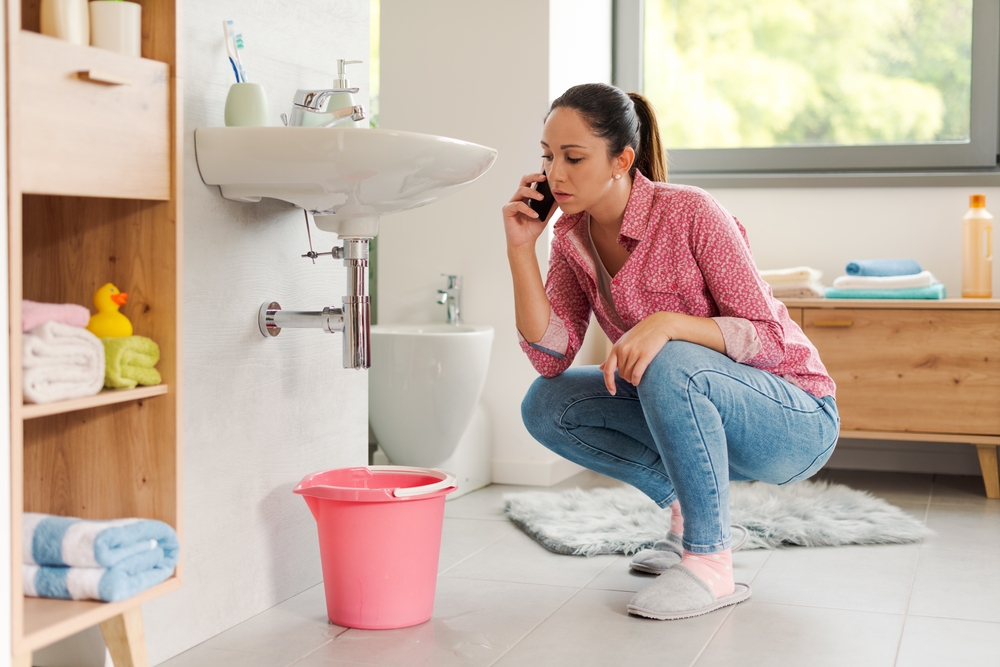
The holidays bring warmth, celebration, and often, a house full of guests. While it’s a joyful season, it’s also one of the most stressful times of the year for your home’s plumbing system. From extra dishes and showers to more frequent toilet use and colder temperatures, your pipes, drains, and appliances get put to the test.
Making smart choices about how you prepare and maintain your plumbing can mean the difference between a smooth holiday season and an expensive emergency. Below, we dive into the best (and worst) things you can do for your home plumbing during the holidays, from grease disposal habits to water heater tune-ups.
Practice Proper Grease Disposal (Best) vs. Pouring Grease Down the Drain (Worst)
One of the most common and damaging holiday plumbing mistakes happens right in the kitchen: pouring grease down the sink. When you cook those delicious roasts, fry bacon for breakfast, or prepare holiday sides with butter and oil, it’s tempting to rinse pans in the sink. However, pouring grease down the drain is a surefire way to clog pipes. As fats, oils, and grease cool, they solidify, sticking to the interior of your pipes and collecting debris, eventually leading to stubborn, pipe-choking blockages.
Instead, the best method of grease disposal is to let it cool in a disposable container and toss it in the trash. Wipe down greasy pans with paper towels before washing, and educate your guests or helpers in the kitchen. Avoiding this mistake alone can save you from an untimely holiday plumbing emergency.
Schedule a Water Heater Tune-Up (Best) vs. Turning Off the Heat When Traveling (Worst)
The demand for hot water spikes during the holidays, especially when your home is full of family and guests. Showers, dishwashing, and laundry can all put stress on your water heater. To avoid cold showers and overworked systems, a water heater tune-up before the holidays is a wise move. This includes checking the temperature and pressure relief (TPR) valve, flushing the tank of sediment buildup, and setting the thermostat to 120°F. This ensures your system runs efficiently while meeting the demand for warm water without overheating or posing a scalding hazard.
In contrast, a major mistake homeowners make when leaving town is turning off the heat entirely to save on utility bills. While it may seem harmless, this can cause water in your pipes to freeze, expand, and burst—leading to flooding and costly repairs. Instead of shutting off the heat, keep your thermostat at a minimum of 55°F and consider installing a smart thermostat that allows remote monitoring. This small step can prevent frozen pipes and plumbing disasters while you’re away enjoying the holidays.
Perform Drain Maintenance (Best) vs. Ignoring a Slow Drain (Worst)
With more people using the showers, sinks, and toilets in your home, slow drains can quickly turn into serious clogs. Ignoring a slow drain is risky, especially when your house is full. A sink or tub that’s sluggish to empty today can become completely backed up tomorrow under the added stress of guests and frequent use.
That’s why proactive drain maintenance is essential. Before the holidays arrive, test all your household drains and address any signs of blockage. Use a plunger, plumber’s snake, or natural enzyme cleaner to clear minor buildups, or call in a plumbing professional for more stubborn issues. Making sure your drains are clear before the crowd arrives will help your plumbing system handle the holiday load without issue.
Provide Toilet Education (Best) vs. Flushing Wipes and Other Items (Worst)
Guests may not know your home’s plumbing system the way you do. That’s why a little toilet education can go a long way. The best practice is to ensure only toilet paper goes down the toilet—no wipes, paper towels, feminine products, or anything labeled “flushable.” These items do not break down like toilet paper and can quickly clog pipes and even damage septic systems.
Consider placing a small sign in the guest bathroom that kindly reminds users to only flush toilet paper. Keep a trash can nearby and clearly visible to provide an easy alternative. This minor addition can prevent embarrassing backups and plumbing emergencies, keeping your holiday gathering running smoothly.
Install Exposed Pipe Insulation (Best) vs. Leaving Pipes Vulnerable During Cold Snaps (Worst)
As temperatures drop, pipes located near exterior walls or in unheated areas of your home are at high risk of freezing. Frozen pipes can burst and cause severe water damage, especially if they go unnoticed during a busy holiday weekend. Insulating exposed pipes is one of the best preventative measures you can take during the colder months.
Use foam pipe insulation or heat tape on pipes in basements, garages, crawl spaces, or attics. Pay special attention to those in areas that aren’t heated or that run along outside-facing walls. This exposed pipe insulation can keep your plumbing safe during a sudden freeze and give you peace of mind throughout the holiday season.
Neglecting to insulate these vulnerable pipes—or turning off your home’s heat while traveling—can be a recipe for disaster. Not only could you return to a flooded home, but the damage may be extensive enough to require major repairs just when you’d rather be enjoying a restful start to the new year.
Don’t Overwork the Garbage Disposal (Worst)
While the garbage disposal may seem like a miracle appliance, it is not designed to handle everything. Overworking the disposal is one of the worst things you can do for your kitchen plumbing, especially during the holidays when you’re generating more food waste than usual. Stringy vegetables like celery, starchy potato peels, bones, coffee grounds, and eggshells are all notorious for damaging or jamming garbage disposals.
Even more dangerous is trying to stuff too much food waste into the disposal at once. This not only causes jams but can also strain your plumbing and lead to clogs further down the line. Instead, feed scraps into the disposal slowly with running cold water, and avoid putting in anything that should go in the trash or compost.
If you’re preparing large meals, consider scraping plates into the trash before rinsing and encourage guests to do the same. This keeps your disposal running smoothly and protects your drains from unnecessary strain.
Conclusion
Your plumbing system works overtime during the holidays, and small mistakes can quickly lead to costly and inconvenient problems. By focusing on the best habits—such as proper grease disposal, drain maintenance, water heater tune-ups, toilet education, and pipe insulation—you can keep your home running efficiently and avoid calling a plumber during your celebration.
At the same time, avoiding the worst practices—like pouring grease down the drain, overworking the garbage disposal, flushing wipes, ignoring slow drains, and turning off the heat—will protect your plumbing and prevent emergencies that could ruin the holiday spirit.
A little preparation goes a long way. Your guests (and your wallet) will thank you for taking these smart steps to safeguard your plumbing system during the most wonderful time of the year.

A water heater is one of the most essential appliances in a household. From providing hot water for showers to washing dishes and cooking, it’s central to our daily routines. However, just like any other appliance in your home, your water heater can experience issues over time that reduce its effectiveness or lead to complete failure. When that happens, you could be faced with a major inconvenience, and in some cases, the cost of replacing your system could be significant.
Water heaters, whether traditional tank-style or tankless, are built to last for many years, but they do require regular maintenance to operate efficiently. Over time, wear and tear can cause performance issues, so it’s important to recognize the warning signs that indicate your water heater may need attention. By identifying these problems early on, you can avoid the hassle and high costs of major repairs or replacements.
In this blog, we’ll discuss the five common signs that your water heater needs attention. These signs will help you pinpoint potential problems and determine if it’s time to schedule a professional inspection, perform maintenance, or even replace your water heater.
1. Fluctuating Water Temperature
One of the most noticeable issues with any water heater is fluctuating water temperature. If your hot water seems to come and go unpredictably or if it’s too hot or not hot enough, it’s a clear indication that something’s wrong with the unit. In a traditional tank-style water heater, fluctuating temperatures are often caused by two factors: a failing heating element or a buildup of sediment at the bottom of the tank.
In a conventional water heater, sediment naturally collects over time, particularly if you have hard water. As the sediment accumulates, it can interfere with the heating process, making it difficult for the water to reach and maintain the desired temperature. In this case, the water may seem to be either too hot or too cold at different times, and sometimes you’ll notice that the hot water doesn’t last as long as it should. Regular maintenance, including tank flushing, can help remove sediment buildup and ensure that your water heater continues to function properly.
For those with a tankless water heater, fluctuating water temperatures can be caused by issues such as scaling, a malfunctioning thermostat, or problems with the flow sensor. Tankless water heaters are designed to heat water on demand, and if the flow rate is inconsistent, it can cause uneven heating. Regular cleaning and maintenance can help prevent scaling and ensure that your tankless system runs efficiently.
2. Strange Noises Coming from the Tank
Another common sign that your water heater is due for attention is strange noises coming from the tank. If you hear rumbling, popping, or hissing sounds, it’s often a result of sediment buildup inside the tank. As water heats up, the sediment can form pockets of trapped air, leading to the popping or rumbling noises. Over time, the accumulation of sediment forces the heating elements to work harder, causing inefficiency and increased energy consumption.
In a traditional tank-style water heater, these noises typically become more pronounced as the unit ages and the sediment thickens. Flushing the tank on a regular basis can help remove sediment and prevent these noises from occurring. In some cases, if the problem persists, it could be a sign of a deeper issue, such as a malfunctioning heating element, and you may need to replace parts or the entire unit.
Tankless water heaters can also make unusual sounds, though they may sound different from traditional water heaters. If you hear high-pitched squeals or hissing noises, it could be due to mineral deposits or scaling, which restrict the flow of water. This can affect the performance of your tankless unit, reducing its ability to heat water quickly. Regular descaling and cleaning of your tankless water heater can help reduce noise and keep the system running smoothly.
3. Rusty or Discolored Water
If you notice that your hot water is coming out rusty or discolored, this is a major red flag that your water heater requires attention. The reddish or brownish tint in the water is usually caused by corrosion inside the tank. In a traditional water heater, this corrosion is often the result of a failing anode rod. The anode rod is a metal rod that is inserted into the tank to prevent corrosion. Over time, the rod deteriorates, and the tank is left unprotected from rusting. As the tank corrodes, the rust enters the water supply, leading to discolored water.
Rusty or discolored water can also be a sign of a more severe problem, such as a cracked tank or deteriorating internal components. If the anode rod is still intact, replacing it might solve the problem. However, if the corrosion has spread too far, you may need to consider replacing the entire unit. For tankless systems, discolored water is less common, but if it happens, it could indicate internal corrosion or contamination due to mineral buildup. In this case, professional maintenance or an internal inspection is necessary.
4. Leaking Water Heater
A leaking water heater is a clear sign that something is wrong and needs immediate attention. If you notice water pooling around your water heater, it’s important to take action quickly, as a leak can lead to extensive water damage and the risk of electrical hazards if the water comes into contact with wiring.
Leaks in traditional tank-style water heaters can be caused by a variety of issues, including a cracked tank, a faulty valve, or a broken seal. Small leaks can sometimes be repaired, but larger leaks, especially those caused by a cracked tank, often require a full replacement. If you notice a leak, it’s essential to turn off the water supply to the heater and contact a professional plumber immediately to assess the situation.
Tankless water heaters can also develop leaks, though they’re generally less prone to this issue than tank-style models. However, leaks can occur in the connections or seals of the unit. If you notice a leak in your tankless water heater, it’s important to have it inspected by a professional as soon as possible to prevent further damage.
5. Age of the Water Heater
The age of your water heater plays a significant role in its efficiency and functionality. Traditional tank-style water heaters typically have a lifespan of about 10 to 15 years. After this period, the unit begins to experience a range of issues, from sediment buildup to corrosion, which can reduce its effectiveness. Older water heaters also become less energy-efficient, leading to higher utility bills as they work harder to maintain a steady temperature.
If your water heater is approaching or exceeding its expected lifespan, it’s important to be proactive about its maintenance. Even if it seems to be working well, you may want to consider replacing it before it develops major problems. Replacing an aging unit can save you from costly repairs and ensure that you continue to have reliable hot water.
For those considering an upgrade, a tankless water heater offers a great option. These systems have a longer lifespan than traditional units, often lasting 20 years or more with proper maintenance. Tankless water heaters also offer greater energy efficiency, as they only heat water when needed, leading to lower utility costs in the long run.
The Case for Upgrading to a Tankless Water Heater
If your water heater is showing signs of aging or frequent malfunctions, upgrading to a tankless system may be a good choice. Tankless water heaters provide numerous benefits over traditional units, including:
Endless Hot Water
One of the biggest advantages of a tankless water heater is the ability to provide endless hot water. Unlike traditional water heaters, which store and heat a limited supply of water in a tank, tankless systems heat water on demand. This means you don’t have to wait for a tank to refill and reheat after you’ve used hot water. Whether you have a large family or entertain frequently, this can be a game-changer, as you’ll never run out of hot water during peak usage times.
Energy Efficiency
Tankless water heaters are far more energy-efficient than traditional units. Since they only heat water when it’s needed, there’s no energy wasted maintaining a reservoir of hot water. This can reduce your energy consumption by up to 30%, especially if you have a large household or use a lot of hot water. Over time, the energy savings can offset the initial cost of installing a tankless unit.
Space-Saving Design
Tankless water heaters are significantly more compact than traditional models, which means they take up far less space in your home. Many homeowners choose to install their tankless systems in closets, attics, or even on exterior walls to save valuable indoor space. This is especially advantageous for homeowners with smaller homes or those who don’t have a large utility room or basement.
Lower Maintenance Costs
Tankless water heaters generally require less maintenance than traditional models. They don’t suffer from issues like sediment buildup, and with proper care, they can last longer than traditional tank-style heaters. This means fewer repairs and replacements, ultimately saving you money in the long run.
Conclusion
A malfunctioning water heater can cause significant disruptions to your daily routine, but by paying attention to the signs of trouble, you can often catch issues early and prevent costly repairs or replacements. Whether you have a traditional tank-style water heater or are considering an upgrade to a tankless system, recognizing the warning signs—like fluctuating water temperatures, strange noises, rusty water, leaks, and age—can help you maintain a reliable and efficient system.
If your water heater is showing any of these signs, it’s essential to contact a professional plumber or technician to assess the situation. Timely intervention can help extend the life of your unit and ensure you continue to enjoy the comfort and convenience of hot water whenever you need it.
Upgrading to a tankless water heater is a smart decision for many homeowners, offering benefits like endless hot water, energy savings, space efficiency, and lower maintenance costs. Whether you decide to stick with your current unit or make the switch to a tankless model, regular maintenance and prompt attention to issues will keep your home’s water heating system running smoothly for years to come.

