

What is Actually Happening When Your Pipes Freeze?
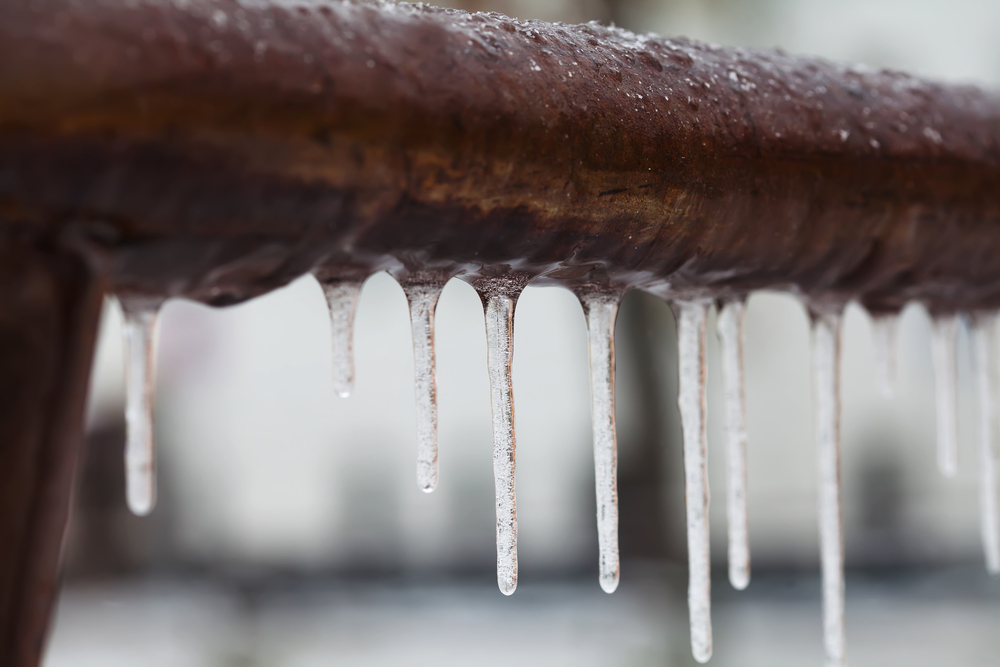
When winter arrives and temperatures drop below freezing, many homeowners are haunted by the possibility of frozen pipes. What seems like a simple inconvenience can quickly turn into a costly disaster. But what’s really happening inside your plumbing system when pipes freeze? The science behind it is not just about ice forming in a tube. It’s a complex process involving the unique physical properties of water and mechanical stress that leads to rupture and flooding. Understanding the mechanics of frozen pipes can help prevent damage and provide a sense of control during the harshest months of the year.
The Role of Water Expansion in Freezing Pipes
Water behaves differently from most other substances when it freezes. Instead of contracting like most liquids, it expands. This water expansion is a unique property where water volume increases by about 9% upon freezing. In confined spaces like a copper or PVC pipe, there’s nowhere for this expanded volume to go. As ice begins to form along the inside walls of the pipe, the volume of the freezing water increases, pressing outward against the pipe material.
It’s important to note that not all the water inside a pipe freezes simultaneously. The freezing process starts in the most exposed or least insulated section of the plumbing. As ice forms and expands in this initial area, it sets off a chain reaction. Because of water’s expansion, the pressure begins to climb, and any unfrozen water in the line is affected. This is where the situation starts to become dangerous.
Ice Blockage and Trapped Water: The Hidden Threat
The first sign of trouble in a freezing pipe is the formation of an ice blockage. This is the section of frozen water creating a plug within the pipe. It usually develops in a segment that is near an exterior wall or in an unheated crawl space where sub-freezing temperatures are persistent. Once an ice blockage forms, it traps liquid water between itself and any closed faucet or shut-off valve further down the line. This is known as trapped water.
Trapped water is deceptively calm. To the naked eye, the pipe might appear unthreatening. However, it is now under siege from both ends. On one side, there’s the ice plug, expanding and solidifying. On the other, the faucet prevents escape. The result is a sealed chamber where pressure begins to increase dramatically.
This pressure buildup is the real culprit in most pipe burst incidents. It’s not the ice itself that breaks the pipe, but the growing pressure from expanding ice pushing against trapped water. This surge of force doesn’t act evenly throughout the pipe. It begins at the ice plug and transmits backwards along the line, with pressure rising with every millimeter of additional ice formation.
The Mechanics of Pressure Buildup and Rupture
As freezing continues and more water turns to ice, the volume increase continues pushing the trapped water with increasing force. This leads to pressure buildup, which can rise beyond 2,000 psi in a sealed pipe — far beyond what standard residential plumbing is designed to withstand. While one might assume the rupture would occur at the site of the ice plug, that’s rarely the case. Pipes typically fail at a location further back, where the ice hasn’t formed but the pressure is greatest.
This location is referred to as the rupture point. It’s often some distance away from the visible ice plug, hidden within a wall or floor. Because this section of pipe contains liquid water under high pressure, when the rupture occurs, it does so with explosive force. Water doesn’t just leak — it jets out, soaking drywall, insulation, flooring, and anything else in its path.
The rupture point usually occurs at the weakest structural spot in the pipe. This could be a seam, a fitting, or an area with minor corrosion. And once that pipe breaks, the issue becomes a race against time. Water damage can escalate quickly, especially if the burst goes unnoticed for hours or days.
Tangential Stress and Pipe Wall Failure
To understand why the pipe fails where it does, we must look at tangential stress. This refers to the circumferential force that acts on the pipe wall, attempting to separate it lengthwise. In a pressurized pipe, tangential stress is one of the most critical forms of mechanical load. It is directly proportional to the internal pressure and the diameter of the pipe, and inversely proportional to the thickness of the pipe wall.
When trapped water is pressurized by the advancing ice, tangential stress increases. The pipe wall is forced to stretch in the circumferential direction. Materials like copper or PVC can withstand a certain amount of stress, but once that threshold is exceeded, the material fractures. The failure can manifest as a hairline crack or a gaping split, depending on the pressure at the moment of failure and the condition of the pipe.
The tangential stress is why even robust-looking pipes can fail. It’s not just about thickness or age; it’s about how pressure interacts with material limits. Cold weather, coupled with the physics of freezing water, can produce forces that exceed even the most conservative design estimates in older plumbing systems.
Thaw Cycle: When the Real Damage Begins
The final act in this icy drama is often the most destructive. Once the sub-freezing temperatures subside, the ice blockage begins to melt. This is known as the thaw cycle. While it might seem like a relief, this is often when the worst damage occurs. The ice melts, the pressure is released, and suddenly, water that was held back by the ice floods through the burst section of the pipe.
Homeowners may return to a house that appears fine from the outside, only to find ceilings caved in, carpets soaked, and walls ruined. The thaw cycle doesn’t release the pressure slowly. It happens all at once, unleashing a torrent through the rupture point. If the burst pipe is inside a wall or ceiling cavity, water can go unnoticed for hours, leading to mold, electrical hazards, and costly repairs.
Worse yet, because the rupture often occurs away from the original freeze point, homeowners might not know where to look. The damage is often hidden until it becomes severe. Water from a burst pipe can travel along beams and surfaces, making it difficult to pinpoint the actual break. By the time the leak is discovered, the structural integrity of the home may already be compromised.
Conclusion
When pipes freeze, the process is more than just water turning to ice. It’s a chain reaction of physical and mechanical events driven by water’s unusual expansion properties. An ice blockage forms, trapping water and building pressure until the pipe gives way at a rupture point. Tangential stress causes the pipe walls to split under the immense pressure, and when the thaw cycle begins, the result is often catastrophic water damage.
Understanding the science behind frozen pipes — from water expansion and ice blockage to pressure buildup and tangential stress — allows homeowners to appreciate the urgency of prevention. Insulation, heat tape, and vigilance during cold snaps are not just optional winter chores; they are essential practices to protect your home from a silent, invisible danger.
Ultimately, the best way to deal with a frozen pipe is to prevent it from happening in the first place. But if it does occur, recognizing the risks of trapped water and acting before the thaw cycle begins can make the difference between a minor inconvenience and a major disaster.