

What To Know Before Replacing Your Water Heater!
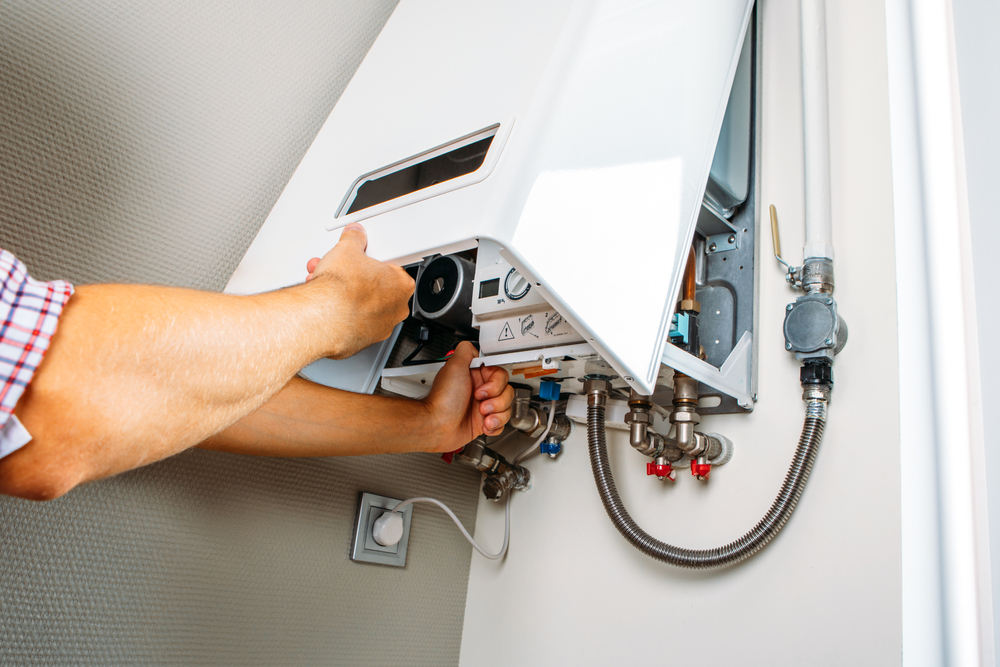
Replacing a water heater is a significant decision for any homeowner. Whether prompted by a sudden failure or a long-overdue upgrade, it’s essential to understand the full range of considerations that come with the process. A water heater is responsible for many daily household comforts, from hot showers to efficient dishwashing and laundry. Ensuring you select the right model involves more than just matching the size of your old unit. You’ll need to evaluate your household’s hot water usage, understand energy efficiency, and ensure compliance with local installation codes. With several different water heater types and fuel options available, the choices can quickly become overwhelming without a clear understanding of what each factor means. Here’s what you need to know before making that investment.
Fuel Source Compatibility (Gas, Electric, Propane)
Before choosing a new water heater, it’s crucial to determine your home’s fuel source compatibility. The majority of water heaters operate on gas or electricity, but propane is also an option in some homes. If your current heater runs on natural gas, sticking with gas is typically the most straightforward and cost-effective option. However, upgrading to a more efficient model within the same fuel category may bring significant energy savings.
Electric water heaters are often easier to install since they don’t require venting, but their operational cost can be higher depending on local utility rates. Propane models are less common and often used in rural areas without natural gas access. Transitioning from one fuel type to another is possible, but it usually involves additional work and cost such as upgrading gas lines, installing new vents, or updating your electrical panel. Understanding which fuel types your home supports, and the implications of switching, is a vital first step in choosing your new water heater.
Capacity Sizing (Matching Gallons or GPM to Household Need)
Choosing the correct size water heater is essential to avoid the frustration of running out of hot water or wasting energy by overheating more water than necessary. For storage tank models, capacity is measured in gallons. Most households find that a 40 to 50-gallon tank meets the needs of two to four people, but larger families may require 75 gallons or more.
For tankless systems, which heat water on demand, sizing is based on gallons per minute (GPM). A typical shower might use 2 GPM, so a household that expects to run two showers and a dishwasher simultaneously would require a unit rated for at least 6 GPM. Accurately estimating your home’s peak water usage ensures your system delivers consistent hot water without overworking. Consulting with a professional or using online calculators can help you assess the appropriate capacity sizing for your home and habits.
Tankless vs. Tank vs. Hybrid (Choosing the Technology)
Understanding the differences between tank, tankless, and hybrid water heaters helps clarify which type is best for your home. Traditional tank models store and continuously heat a reservoir of water. They are generally less expensive up front and simple to install, but they can lose heat over time, leading to higher energy bills.
Tankless systems, on the other hand, only heat water as needed. This on-demand system can lower your energy consumption significantly and provide endless hot water. However, they often have a higher upfront cost and may require upgrades to your home’s gas line or electrical system.
Hybrid water heaters combine elements of both, using a heat pump to extract warmth from the surrounding air and transfer it to the water. These systems offer high efficiency and lower operating costs but require more space and can be sensitive to their installation environment. Choosing the right technology involves weighing installation logistics, your household’s usage patterns, and your long-term energy savings goals.
Energy Efficiency Ratings (Energy Factor/UEF)
Energy efficiency is a top priority for many homeowners, both for cost savings and environmental impact. Water heaters are rated by metrics such as the Energy Factor (EF) or the newer Uniform Energy Factor (UEF). These numbers indicate how efficiently a unit converts fuel into hot water and how much heat is lost during storage or distribution.
Higher ratings mean better efficiency and lower monthly bills. Tankless models often score highly due to their on-demand nature, while heat pump hybrids also offer excellent performance. Although high-efficiency units may cost more initially, they can provide substantial savings over the lifespan of the appliance. Be sure to look for the ENERGY STAR label and compare UEF ratings within the same category of water heaters to make a well-informed choice that balances cost and performance.
Venting Requirements (Especially for Gas/Tankless Units)
Venting is a key consideration if you’re installing a gas or tankless water heater. These models emit combustion gases that must be safely expelled from your home. Traditional gas tank models typically use vertical venting through a chimney or flue. Modern high-efficiency models often require power venting or direct venting, which may necessitate wall modifications or electrical upgrades.
Tankless gas models frequently have stricter venting requirements because of their powerful burners and rapid operation. Improper venting can pose serious safety risks and affect the unit’s performance. Always check whether your home can accommodate the required venting system for your chosen model. Ensuring proper ventilation not only protects your household but also helps the unit run efficiently and last longer.
Installation Code Compliance (Local Permitting and Regulations)
Water heater installation is subject to local building codes and regulations. These codes are designed to ensure safety, energy efficiency, and environmental compliance. Many municipalities require a permit for replacement or new installation, and some areas have adopted specific standards for energy use or seismic strapping, particularly in earthquake-prone regions.
Licensed plumbers are typically familiar with these requirements and can help ensure your installation meets all legal and safety standards. DIY installations may be tempting for the handy homeowner, but failure to comply with code can result in fines, voided warranties, and safety hazards. Additionally, when selling your home, an improperly installed water heater can cause complications during inspection. Taking the time to research and follow all relevant codes and permit procedures is a critical part of the replacement process.
Recovery Rate (How Fast the Tank Heats a New Batch)
The recovery rate of a water heater indicates how quickly it can heat a fresh batch of cold water. This is especially important for larger households or those with high hot water demand. Gas water heaters generally have a faster recovery rate than electric models, making them more efficient at handling back-to-back showers or laundry loads.
For example, a standard 50-gallon gas heater might recover in about 30 to 40 minutes, while an equivalent electric unit could take over an hour. If your household frequently runs out of hot water, selecting a model with a higher recovery rate, or moving to a tankless system, can improve comfort and convenience. This factor is especially vital in homes with children or multiple bathrooms, where morning routines rely on a steady hot water supply.
Warranty and Lifespan (Protecting Your Investment)
Investing in a quality water heater also means considering the warranty and expected lifespan. Most standard tank water heaters last 8 to 12 years, while tankless models can operate for 15 to 20 years with proper maintenance. Hybrid models often fall somewhere in between. Manufacturer warranties typically range from 6 to 12 years, depending on the brand and model.
A longer warranty often reflects higher quality components and more durable construction. While extended warranties may add to the upfront cost, they provide peace of mind and can protect you from unexpected repair or replacement expenses. Keep in mind that proper maintenance, such as flushing the tank or descaling a tankless unit, plays a major role in maximizing your water heater’s longevity and keeping the warranty valid.
Conclusion
Replacing your water heater involves more than picking out a new tank and calling a plumber. It’s a decision that affects your home’s comfort, energy usage, and monthly bills for years to come. From understanding fuel source compatibility and capacity sizing to evaluating tankless vs. tank vs. hybrid technologies, every choice matters. Energy efficiency ratings help guide environmentally and budget-conscious decisions, while venting requirements and installation code compliance ensure safety and legality. Recovery rate determines how well your system can meet your family’s daily demands, and warranty and lifespan considerations protect your investment.
Taking the time to research and plan accordingly can save you from costly mistakes and ensure you choose a water heater that serves your household efficiently and reliably. When in doubt, consulting with a licensed professional can provide valuable guidance and help tailor your decision to your specific needs and local regulations. With the right approach, your next water heater will not only deliver consistent hot water but also offer peace of mind for years to come.