

What Spring Brings to Your Plumbing!
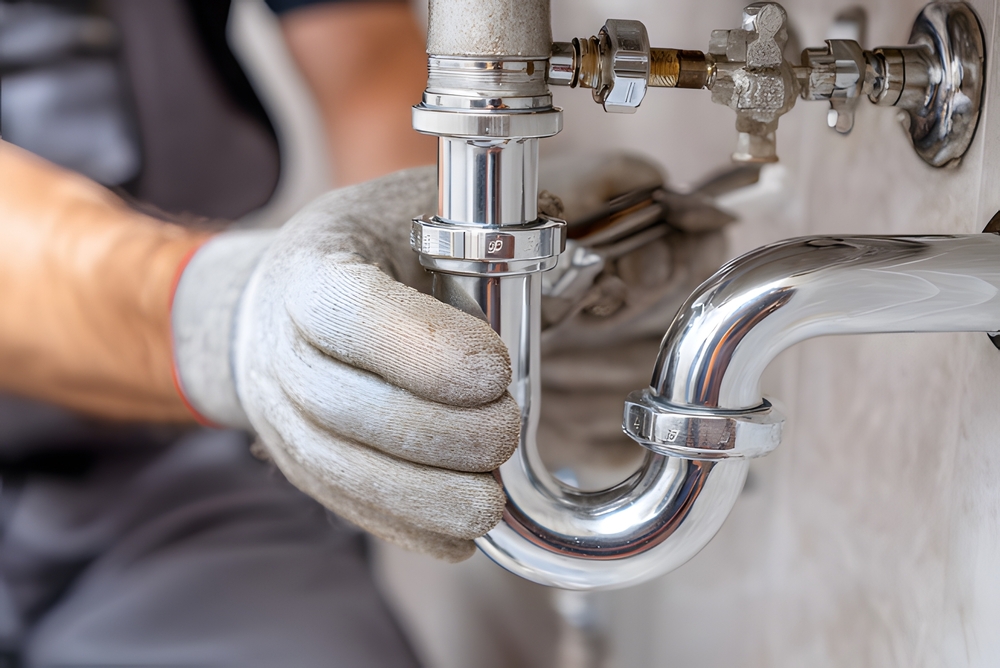
Spring is a season of renewal, growth, and warmer weather. As flowers bloom and the snow melts, homeowners often turn their attention to cleaning and home maintenance. However, spring also brings a unique set of challenges to your plumbing system. The shift in temperature, increased rainfall, and natural ground movement can all affect your pipes, drains, and outdoor plumbing. Understanding what spring brings to your plumbing can help you prepare, prevent costly repairs, and keep your system running smoothly.
Sump Pump Activation and the Risk of Flooding
One of the most immediate concerns in spring is sump pump activation. With heavy spring rains, your basement may be at risk of flooding if your sump pump is not working correctly. The ground becomes saturated as snow melts and rain falls frequently, and that excess water needs a place to go. For homes with basements, sump pumps serve as the last line of defense against water intrusion.
Testing your sump pump early in the season is crucial. Simply pouring a bucket of water into the pit and making sure the pump activates can help you determine whether it is functioning properly. If the pump fails to start or is slow to remove water, that is a strong sign it may need cleaning, repairs, or even replacement. Since it is the most critical component to test during the spring season, overlooking your sump pump could result in extensive water damage and mold growth in your basement.
Pipe Expansion and Hidden Leaks
As the ground begins to thaw and temperatures rise, pipe expansion becomes another pressing concern. During winter, pipes often contract in the cold, especially those located underground or near external walls. When spring arrives, the warming temperatures cause these pipes to expand. This process of contraction and expansion can stress pipe joints and seals, which may already be weakened from the freeze-thaw cycle of winter.
The result can be newly formed leaks that were not evident during the colder months. These leaks might appear in hidden areas like crawl spaces, basements, or behind walls, making them hard to detect immediately. Homeowners should monitor their water bills closely in spring. A sudden spike in usage may indicate a leak somewhere in the system. Additionally, any signs of moisture, musty odors, or mildew indoors should be investigated, as they might stem from stressed plumbing connections.
Drain Clogging from Spring Cleaning and Runoff
Spring cleaning is not just about dusting and decluttering. It often involves washing winter grime, salt, and grit off vehicles, driveways, and even indoor floors. All this debris finds its way into your home’s drains, and if not handled carefully, it can lead to drain clogging. Floor drains, in particular, may become overwhelmed or blocked if too much sand or residue enters the system.
This kind of buildup can reduce water flow, cause slow drains, and even result in backflow if left unaddressed. Sink and shower drains also suffer during spring, especially when homeowners clean out garages and basements, sending large volumes of water and particles down the pipes. Taking the time to install drain screens and conducting a quick inspection of floor drains can help prevent larger problems. It is also wise to schedule a professional drain cleaning if you suspect persistent clogging issues.
Root Intrusion and Sewer Line Damage
Trees and plants come to life in the spring, sending out new roots in search of moisture and nutrients. While this growth is a welcome sign of the season, it can wreak havoc on your underground plumbing. Root intrusion becomes a serious concern during this time, as aggressive roots may seek out even the tiniest cracks or joints in your sewer lines.
Once inside the pipe, these roots can expand and create blockages, slowing down drainage or causing total backups. In severe cases, they can even lead to pipe collapse. Homeowners with older clay or cast iron sewer lines are especially vulnerable, as these materials are more likely to have gaps or imperfections. Warning signs include slow drains in multiple areas of the house, gurgling toilets, or unpleasant odors coming from the yard. A camera inspection from a plumbing professional can identify root intrusion early, helping avoid costly excavation later.
Outdoor Spigot Stress and Frozen Pipe Damage
When temperatures dip below freezing during winter, water left in outdoor faucets or hose bibbs can freeze, expand, and crack the pipes. However, this damage often goes unnoticed until spring, when homeowners turn the spigots back on for gardening, washing cars, or outdoor chores. This is where outdoor spigot stress becomes a hidden issue.
The first time you use your outdoor faucet in the spring, watch carefully for signs of leaks inside the wall or along the pipe leading to the spigot. Even a small crack can result in water damage behind siding or in the basement. It is good practice to inspect the faucet before and after use. If you see water dripping or pooling near the foundation, turn it off immediately and have a plumber evaluate the damage. Installing frost-free hose bibbs can also help prevent this problem in future seasons.
Increased Water Pressure and Municipal Effects
Another unexpected effect of spring is increased water pressure. As rainfall becomes more frequent and the soil becomes saturated, it can influence the performance of water mains and local plumbing infrastructure. In some cases, this may affect the water pressure in your home.
Excessively high pressure can stress your pipes and fixtures, leading to premature wear or even burst pipes. If your home has a pressure regulator, spring is a good time to check that it is functioning properly. A failing regulator may allow pressure to spike unexpectedly. Signs of high pressure include banging pipes, dripping faucets, or toilets that continue to run. Installing a water pressure gauge on an outdoor spigot can help you monitor the system and ensure it remains within a safe range, typically between 40 and 60 psi.
Gutter and Downspout Runoff Management
With spring showers and melting snow, managing gutter and downspout runoff becomes a priority. If downspouts are not correctly directing water away from your foundation, the soil surrounding your home can become oversaturated. This puts unnecessary pressure on your foundation walls and main waste line, increasing the risk of basement leaks and sewage backups.
Make sure your gutters are free of debris and that downspouts extend at least several feet away from the base of your home. Adding splash blocks or flexible extensions can help guide water toward areas where it can safely drain. This not only protects your foundation but also helps maintain the stability of your yard and landscaping. Poor drainage can contribute to erosion or settling, which may further damage buried pipes.
Water Heater Sediment and Efficiency Loss
During the colder months, your water heater works harder to supply warm water for showers, laundry, and dishwashing. This heavy use often leads to the buildup of mineral sediment at the bottom of the tank. As spring rolls in and the demand slightly decreases, it becomes the perfect time to perform maintenance on your unit.
Flushing the tank removes sediment that can interfere with heating efficiency and reduce the lifespan of the appliance. A noisy water heater, particularly one that makes popping or rumbling sounds, is a common sign that sediment has accumulated. Regular flushing not only improves energy efficiency but also helps reduce the chance of tank corrosion or leaks later in the year.
Conclusion
Spring is a season full of promise, but it also carries its own plumbing risks. From sump pump activation due to heavy rain to root intrusion and outdoor spigot stress, each aspect of your system faces different seasonal challenges. Pipe expansion, drain clogging, and increased water pressure are additional issues that homeowners often overlook until they become emergencies. Even routine tasks like cleaning gutters or flushing a water heater can make a significant difference in the health and longevity of your plumbing.
Being proactive about your plumbing maintenance in the spring helps you avoid bigger problems down the line. Keep an eye out for subtle warning signs, and don’t hesitate to consult a professional if something seems off. By addressing these seasonal concerns early, you ensure a smooth transition into the warmer months ahead, with fewer headaches and more peace of mind.