

Should You Try To Fix A Home Plumbing Issue?
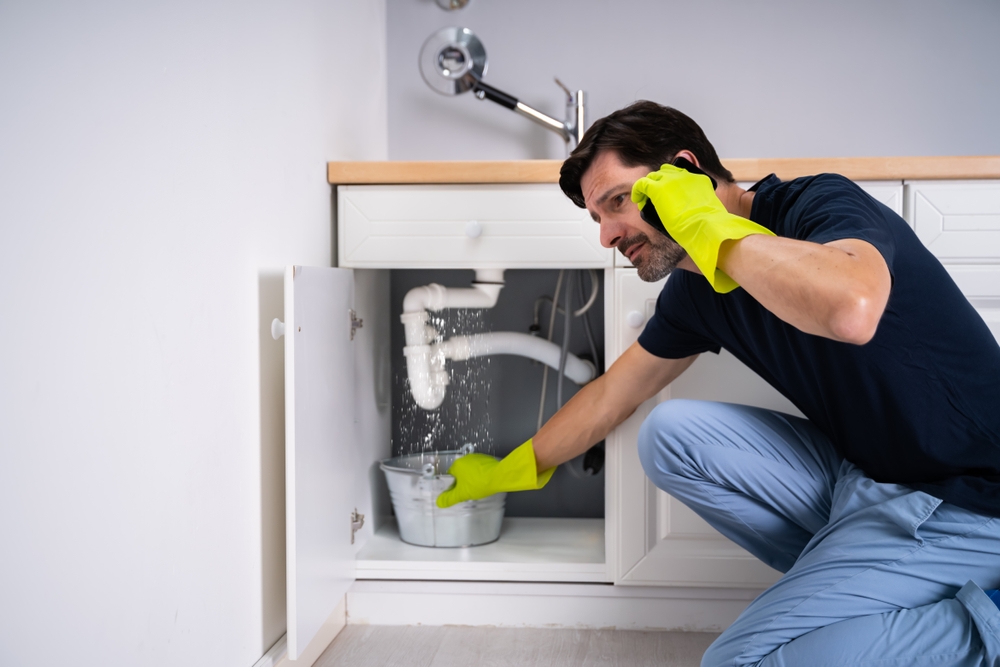
Plumbing issues can strike unexpectedly, from dripping faucets to burst pipes. The temptation to handle these problems yourself is strong, especially when countless online tutorials promise simple, step-by-step solutions. While taking on a repair yourself may save money upfront, it’s crucial to understand the limits of DIY plumbing and the potential pitfalls that come with overestimating your capabilities.
One of the primary concerns when dealing with plumbing on your own is the potential water damage risk. Water is a powerful and destructive force. A small misstep in tightening a pipe or incorrectly sealing a connection can result in slow leaks that go unnoticed for weeks. These leaks often cause mold, rot, and structural damage, which can be more expensive to repair than hiring a plumber would have been in the first place.
Additionally, not all plumbing issues are created equal. What seems like a minor leak might be a symptom of a deeper, hidden problem. This is why a clear understanding of the complexity assessment is vital. For instance, a clogged drain could be a simple blockage, or it could be a symptom of a failing sewer line. Attempting to resolve such issues without proper knowledge may lead to greater complications, turning a manageable situation into a costly disaster.
Evaluating the Complexity of the Plumbing Job
Before reaching for your wrench, assess the complexity of the problem. Not all repairs are suitable for amateur hands. Complexity assessment involves determining whether a task requires professional expertise. Some jobs, like replacing a washer in a faucet, fall within typical DIY boundaries. Others, such as installing a water heater or fixing a sewer main, require in-depth knowledge and advanced skills.
Differentiating between a minor leak vs. major repair is a key factor. A dripping sink faucet is usually a minor leak that might be fixed with a new gasket or O-ring. On the other hand, a leak coming from behind a wall, beneath a slab, or from a main water supply line qualifies as a major repair. These situations often require specialized equipment to locate and resolve the problem without causing further damage.
Matching the tool and skill set to the job is another step in determining if you should proceed with a DIY approach. Do you have the right tools to cut, solder, and seal pipes correctly? Are you familiar with modern plumbing systems, pressure valves, or venting? Attempting a job without adequate preparation may result in incomplete fixes that invite repeated issues down the line.
Legal and Regulatory Considerations
Many homeowners are unaware that plumbing work is regulated not just for quality, but for health and safety reasons. Every city and county has its own local plumbing code, and performing work that violates these regulations can result in fines, denied insurance claims, or even health hazards due to contamination or backflow.
One of the first things to verify before starting a plumbing project is the permit requirement check. In some areas, even replacing a water heater or rerouting a drainpipe requires a permit. Permits ensure that work is inspected and meets all safety standards. If your DIY project violates code or was done without a permit, you may be forced to undo it at your own expense if a future inspection, say during a home sale, reveals unauthorized modifications.
This also ties back to the complexity assessment. Licensed plumbers are familiar with the intricacies of the plumbing code and the necessary documentation required for each type of job. What may seem like a straightforward task might involve multiple code-related considerations, including pipe slope, venting, and spacing. Ignorance of the code does not absolve you from responsibility, and noncompliance can have lasting consequences.
Weighing Costs: Short-Term Savings vs. Long-Term Risks
The motivation to perform DIY plumbing usually comes down to saving money. Hiring a licensed plumber can be expensive, especially for larger jobs. However, those initial savings can be dwarfed by the long-term consequences of improper work. The water damage risk alone can multiply costs, particularly if mold remediation, drywall replacement, or flooring repairs are involved.
Even a seemingly successful DIY job can lead to unseen problems. A pipe may hold initially but spring a leak weeks later due to improper sealing. If a minor leak was treated as a simple fix but was actually masking a corroded or fractured pipe, the situation could worsen over time. Insurance companies may refuse to cover damage caused by unlicensed or unpermitted work, leaving homeowners to shoulder the full financial burden.
There is also the time investment to consider. Learning the ins and outs of a plumbing system, purchasing tools, and troubleshooting issues takes a considerable amount of time. For working professionals or busy families, this time may be more costly than hiring a plumber outright. In some cases, a professional can diagnose and fix an issue in a fraction of the time it would take a homeowner to do it independently.
When to Call in a Professional
If you’re unsure whether to tackle a plumbing issue yourself, asking the right questions can guide your decision. First, assess the severity: is it a minor leak vs. major repair? Next, consider your knowledge of the local plumbing code. Do you know what’s legally required for the job? Then, perform a permit requirement check to see if your project even qualifies for DIY under your local regulations.
Next, make an honest tool and skill set match. Having a few basic tools doesn’t mean you’re equipped for complex repairs. Some jobs demand specialized tools like pipe threaders, soldering kits, or even camera inspection equipment. Without these, you’re not just ill-equipped; you’re at risk of making things worse.
Finally, return to the core of complexity assessment. If the task feels too large, involves hidden components, or carries high stakes (like working with gas lines, sewage systems, or hot water heaters), it’s time to bring in a licensed plumber. They not only ensure that the work is done correctly but also provide peace of mind that your home’s plumbing is safe, compliant, and built to last.
Conclusion
Fixing a plumbing issue yourself can be rewarding, especially for simple, well-understood problems. However, it’s vital to recognize the boundaries of DIY plumbing limits. A leaky faucet or clogged drain might be within reach, but anything involving structural plumbing, compliance with local plumbing code, or high water damage risk should be left to professionals.
Always start with a proper complexity assessment to understand the severity of the issue and match it against your tool and skill set. Make sure you perform a permit requirement check to avoid costly legal complications. Differentiating between a minor leak vs. major repair can help prevent turning a small problem into a home-wide emergency.
Plumbing is an essential system that supports your home’s health and functionality. Mistakes can be costly, both financially and structurally. By knowing when to call in an expert, you not only protect your investment but also gain the assurance that the job is done right. In many cases, the wisest decision you can make is to put down the wrench and pick up the phone.