

How To Avoid Costly Home Repairs For Your Plumbing!
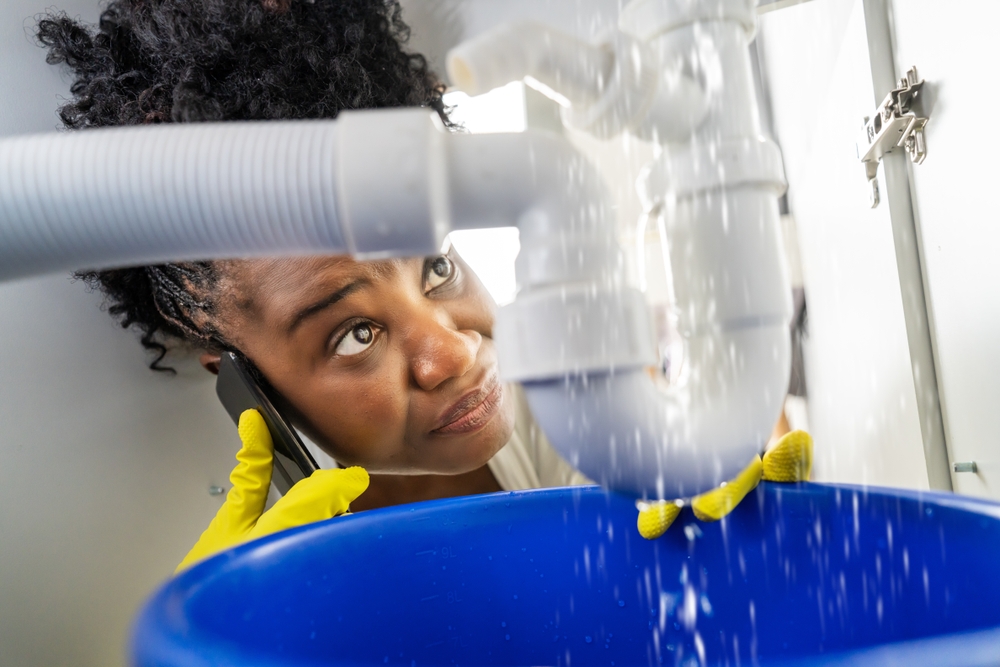
Plumbing systems are among the most critical components of any home. They bring in fresh water, remove waste, and make modern conveniences possible. Unfortunately, they’re also one of the most expensive systems to repair when things go wrong. Neglect or small oversights can lead to burst pipes, water damage, mold, or even structural issues. The good news is that with proper care and preventative plumbing maintenance, you can sidestep these issues before they become major headaches. Below are key areas of focus to help you avoid costly home repairs for your plumbing system.
Water Pressure Regulation: A Quiet but Crucial Factor
Many homeowners are unaware of the role that water pressure plays in the long-term health of their plumbing. Excessive pressure may seem like a good thing when you’re enjoying a strong shower, but over time, it wears down your pipes, joints, faucets, and appliances. High water pressure can lead to leaks, pipe bursts, or early appliance failure, particularly in dishwashers and washing machines.
Water pressure regulation is a simple fix that can save thousands in repair costs. A licensed plumber can install a pressure regulator valve to maintain safe levels throughout the home. Monitoring your water pressure annually and keeping it within the recommended 40-60 psi range is essential. If you hear banging noises in the walls or experience inconsistent pressure, it’s time to investigate. Don’t wait for a pipe to rupture in the middle of the night.
Annual Water Heater Flush: Prevent Sediment Buildup and Extend Life
Your water heater quietly serves you every day, but its efficiency and lifespan are threatened by sediment accumulation. Over time, minerals in the water, particularly calcium and magnesium, settle at the bottom of the tank. This buildup reduces heating efficiency and can cause overheating, strange noises, or premature failure. Left unchecked, the heater may leak or rupture, requiring an expensive replacement.
Scheduling an annual water heater flush is one of the most cost-effective maintenance tasks you can perform. This process clears out sediment, improves heating efficiency, and extends the life of the appliance. If you notice discolored hot water, a popping sound from the tank, or inconsistent temperatures, your heater likely needs attention. Don’t overlook this yearly maintenance; it’s simple but critical.
Drain Snake / Snaking Maintenance: Clearing Problems Before They Escalate
Clogged drains are among the most common household plumbing issues, and they rarely resolve themselves. Ignoring a slow-draining sink, tub, or shower can eventually lead to full blockages, backups, or burst pipes. Kitchen sinks are especially prone to clogging due to improper grease disposal and food waste buildup, while bathroom drains collect hair and soap residue.
Regular drain snake or snaking maintenance helps clear blockages before they escalate. This method is far safer for your plumbing than chemical drain cleaners, which can corrode pipes and cause more harm than good. If you notice any slowdown in drainage, act early. A plumbing snake is an affordable tool, and many minor clogs can be handled by homeowners. However, recurring issues may signal a larger problem in the main line, requiring professional assessment.
Leak Detection Routine: Catching Hidden Problems Early
Leaks are notorious for going undetected until significant damage has already occurred. A small drip behind a wall or beneath a sink can lead to mold, wood rot, or weakened structural elements. Worse, hidden leaks often increase water bills subtly enough to go unnoticed for months. To avoid these silent threats, a proactive leak detection routine is vital.
Conducting monthly inspections under sinks, around appliances, near toilets, and along visible piping can help you spot signs of trouble. Look for moisture, corrosion, warped wood, or mildew. Listening for unexplained hissing or dripping can also be revealing. New smart leak detectors can monitor water usage patterns and alert you to abnormalities via smartphone. Investing in this technology is a smart move for any homeowner, especially in older houses.
Seasonal Considerations: Winterization and Pipe Protection
When temperatures drop, water inside your pipes can freeze and expand, causing catastrophic bursts. Hose bibs and exposed piping are especially vulnerable during winter months. Hose bib winterization is a crucial seasonal task to prevent freezing. Disconnecting hoses, draining outdoor faucets, and installing insulated covers can prevent expensive damage to your home’s exterior plumbing.
Piping insulation is another line of defense. Basements, crawl spaces, garages, and attics often contain unprotected lines that need attention. Foam pipe insulation is affordable, easy to install, and highly effective at preventing freezing and condensation. If your region is prone to deep freezes, consider upgrading to heat tape or a thermostatically controlled heating cable for added protection. This simple preparation can spare you from an emergency plumbing call on a bitterly cold morning.
Grease Disposal Awareness: Keep Your Kitchen Flowing
Kitchen drains face daily abuse, much of which stems from improper grease disposal. Pouring fats, oils, and grease down the drain might seem harmless when the liquids are hot, but as they cool, they congeal and stick to pipe interiors. Over time, this leads to stubborn clogs that no plunger can clear. Worse, it can contribute to fatbergs in municipal systems and create backups in your own line.
Practicing grease disposal awareness is essential. Always pour grease into a sealable container and dispose of it in the trash once solidified. Wipe greasy pans with a paper towel before rinsing. Encourage everyone in the household to follow these habits. Avoiding kitchen clogs is far easier than dealing with an overflowing sink or a ruined holiday dinner due to a backed-up drain.
Sump Pump Testing: Guarding Against Basement Floods
Basement flooding is a nightmare that often results in extensive damage to flooring, walls, and possessions. The sump pump is your first line of defense, especially in flood-prone areas or homes with below-grade spaces. Yet many homeowners neglect to test their sump pump until it’s too late.
Sump pump testing should be part of your seasonal checklist, especially before the rainy season or snowmelt. To test, pour a bucket of water into the sump pit and ensure the pump activates and drains the water effectively. Also, inspect the discharge pipe outside to confirm it’s clear and positioned properly. If your system includes a battery backup, verify that it is charged and functional. Regular testing is your best protection against an expensive cleanup and insurance claim.
Conclusion
Maintaining your home’s plumbing system doesn’t require a professional license, just awareness and consistency. By addressing water pressure regulation, committing to an annual water heater flush, performing regular drain snake maintenance, and staying alert through a leak detection routine, you can prevent many issues before they surface. Seasonal steps like hose bib winterization and piping insulation will protect your system during cold months, while daily habits like grease disposal awareness keep your kitchen clear. Don’t forget the critical importance of sump pump testing, which can prevent devastating water damage in your basement.
Taking proactive steps now ensures that your plumbing system remains reliable, efficient, and cost-effective. Think of it not just as maintenance, but as an investment in your home’s value and your peace of mind.