

Should You Do Your Own Plumbing Repairs?
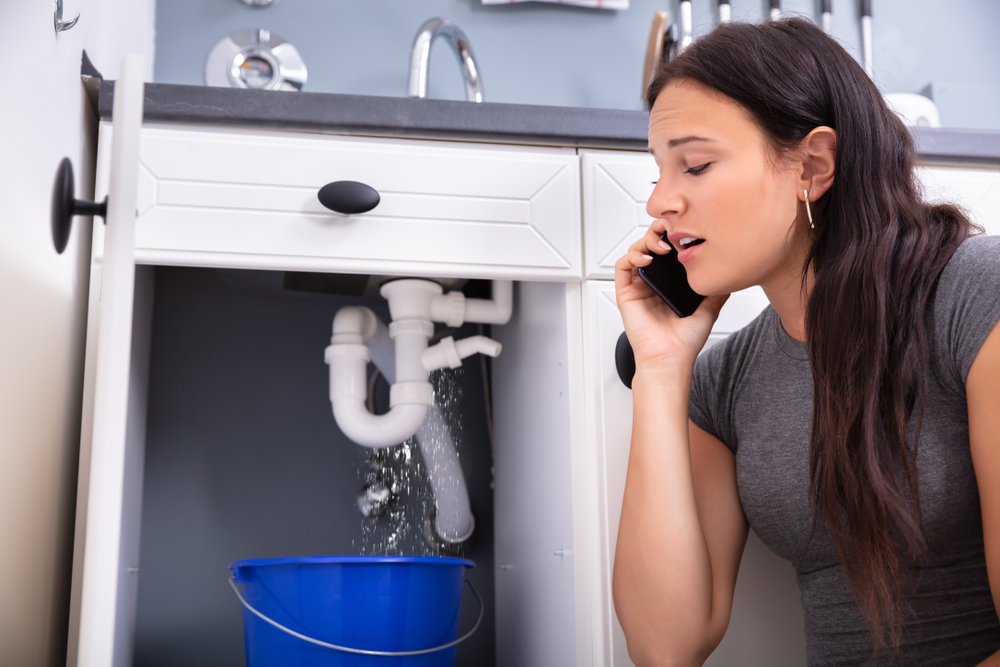
Tackling home repairs on your own can be a satisfying way to save money and gain a sense of accomplishment. Plumbing, however, is one of those areas where the do-it-yourself (DIY) route isn’t always the best or safest option. While tightening a faucet or replacing a showerhead is one thing, diving into more complex plumbing issues brings a host of risks and considerations. From legal requirements to the technical nature of the work, homeowners should carefully weigh their options before grabbing a wrench.
Understanding the Legal and Permit Implications
Before taking on plumbing repairs, it’s critical to understand the legal framework surrounding such work. In many regions, plumbing is not just a matter of practical knowledge; it’s regulated by local building codes. Permit requirements can vary widely depending on the type and scope of the work. For example, while minor fixes might not require oversight, major tasks like relocating gas lines, replacing water heaters, or altering the main sewer line typically demand a licensed professional.
Why is this important? Failing to comply with permit requirements can result in fines, failed inspections, and issues when trying to sell your home. Worse yet, if something goes wrong, your homeowner’s insurance may refuse to cover damages if it was determined that the work was unauthorized or performed without a qualified plumber. In short, doing your own plumbing might not just risk your pipes, it could risk your financial stability as well.
The Challenge of Lacking the Right Tools and Skills
Another major hurdle for DIY plumbers is the issue of equipment. Plumbing repairs often demand specialized tooling that goes far beyond the standard toolbox. Tools like high-end drain augers, pipe expanders, pex crimpers, or inspection cameras are costly and designed for professional use. Without them, even basic jobs like cutting and joining pipes or clearing a stubborn clog can become frustrating or impossible.
Some tasks also require a refined skill set, especially when it comes to working with copper piping. Soldering skills are essential for creating leak-proof joints, and using a propane torch comes with safety hazards that must not be underestimated. Incorrect soldering can lead to small, persistent leaks that may not be noticed until major damage has occurred. If you don’t already possess these abilities, learning them on the fly while water is leaking into your kitchen is not the best time.
DIY Risks and Potential Liability
There’s a reason why professional plumbers are in such demand: mistakes in plumbing can be costly. A small leak might initially appear insignificant, but it can quickly escalate into extensive water damage, mold growth, and even structural issues. This is where liability risk becomes a serious concern. Homeowners should know that insurance policies often contain clauses that deny coverage for damage caused by unlicensed work. So if your self-installed pipe bursts and floods your basement, you might be left footing the bill.
Water damage is notoriously difficult to remediate and can result in long-term health concerns, especially if mold takes hold. Even a minor oversight, like forgetting to properly tighten a fitting or using the wrong kind of tape on a thread, can result in slow leaks that go undetected for weeks. In plumbing, there is rarely such a thing as a small mistake. Every seal, joint, and angle needs to be perfect, or the consequences can be far-reaching.
The Hidden Complexities of Plumbing Systems
To the untrained eye, a leak under the sink might seem like a simple case of a loose pipe or worn washer. However, plumbing systems are interconnected in complex ways. A leak might actually be a symptom of a deeper issue such as high water pressure, backflow, or corrosion in the pipes. Without the right diagnostic experience, these root causes often go unnoticed. This diagnostic complexity is where DIY approaches frequently fall short.
Identifying and resolving these issues often requires more than just replacing a pipe. It involves analyzing the entire water system, from pressure regulators to pipe grading. Professionals are trained to notice signs that a DIYer might miss: subtle sounds, discoloration, or material fatigue. They also have access to diagnostic tools like infrared cameras and pressure gauges that help detect hidden problems. Guesswork in plumbing is dangerous and often expensive.
The Cost and Consequence of Poor Planning
Many homeowners choose DIY plumbing to save money. But when you add up the time spent researching, shopping for parts, fixing mistakes, and cleaning up, the savings may not be as significant as they hoped. There’s also the issue of shut-off accessibility. Before any plumbing task, it’s critical to know exactly where your main water shut-off valve is, whether it’s functional, and if you can access it quickly in an emergency. Not being prepared to shut off water in time is a common mistake that can lead to serious flooding.
Then there’s the question of time vs. cost. Is the time spent learning, prepping, and troubleshooting really worth it compared to hiring a professional who will do the job correctly and often provide a warranty on their work? Plumbers can usually complete in one hour what might take a homeowner an entire day. And if something goes wrong during or after the job, professionals are liable for the repair, not you.
Plumbing emergencies are also where DIY can be particularly hazardous. In a situation where a “quick fix” leads to a burst pipe or a backed-up sewer, immediate response is critical. If you’re not able to resolve the issue on your own, the delay in getting professional help could lead to thousands of dollars in damage. This is why having a trusted plumber in your contacts is essential. Emergency response is one of the biggest advantages of using a licensed professional.
Conclusion
There is a time and place for do-it-yourself projects, and for minor plumbing issues, a confident and prepared homeowner might be able to make a safe repair. However, once the work involves soldering, specialized tooling, or the potential for widespread water damage, the risks start to outweigh the rewards. Legal considerations, such as permit requirements, add another layer of complexity that can’t be ignored.
Furthermore, plumbing is rarely as simple as it seems. What looks like a straightforward leak may stem from a deeper problem, and without the right diagnostic approach, a temporary fix can hide a much larger issue. From the tools you don’t own to the liability risk you might be taking on, DIY plumbing should never be attempted without careful consideration and planning.
Ultimately, the best approach is to know your limits. Keep up with routine maintenance, understand your home’s shut-off systems, and learn to recognize the signs of a plumbing issue early. But when the job is big, complicated, or urgent, call a professional. Your home, your finances, and your peace of mind are all worth protecting.