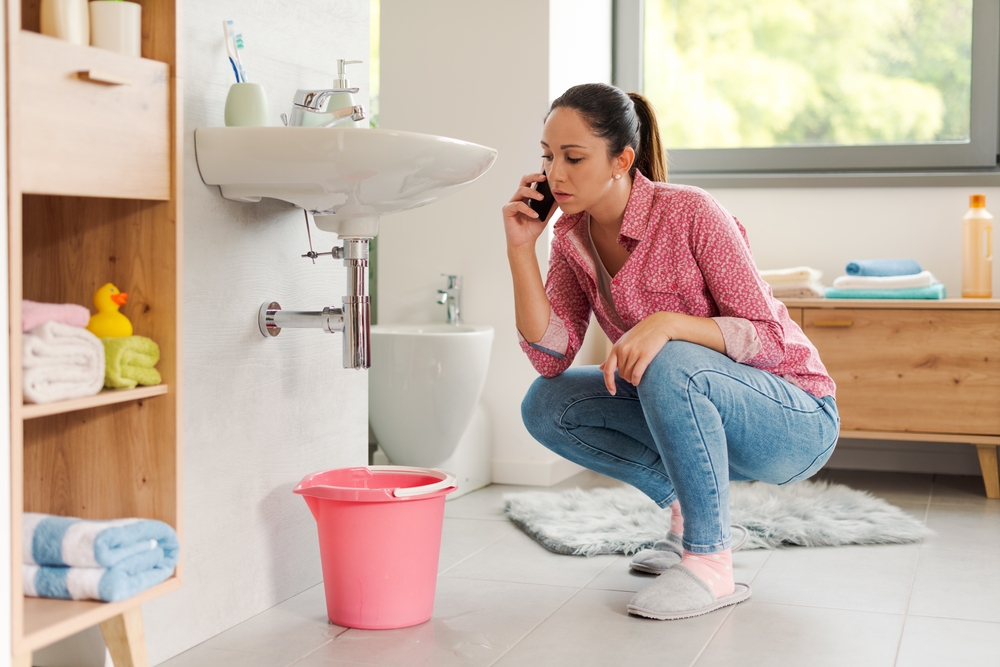
Plumbing systems are among the most critical components of any home. They bring in fresh water, remove waste, and make modern conveniences possible. Unfortunately, they’re also one of the most expensive systems to repair when things go wrong. Neglect or small oversights can lead to burst pipes, water damage, mold, or even structural issues. The good news is that with proper care and preventative plumbing maintenance, you can sidestep these issues before they become major headaches. Below are key areas of focus to help you avoid costly home repairs for your plumbing system.
Water Pressure Regulation: A Quiet but Crucial Factor
Many homeowners are unaware of the role that water pressure plays in the long-term health of their plumbing. Excessive pressure may seem like a good thing when you’re enjoying a strong shower, but over time, it wears down your pipes, joints, faucets, and appliances. High water pressure can lead to leaks, pipe bursts, or early appliance failure, particularly in dishwashers and washing machines.
Water pressure regulation is a simple fix that can save thousands in repair costs. A licensed plumber can install a pressure regulator valve to maintain safe levels throughout the home. Monitoring your water pressure annually and keeping it within the recommended 40-60 psi range is essential. If you hear banging noises in the walls or experience inconsistent pressure, it’s time to investigate. Don’t wait for a pipe to rupture in the middle of the night.
Annual Water Heater Flush: Prevent Sediment Buildup and Extend Life
Your water heater quietly serves you every day, but its efficiency and lifespan are threatened by sediment accumulation. Over time, minerals in the water, particularly calcium and magnesium, settle at the bottom of the tank. This buildup reduces heating efficiency and can cause overheating, strange noises, or premature failure. Left unchecked, the heater may leak or rupture, requiring an expensive replacement.
Scheduling an annual water heater flush is one of the most cost-effective maintenance tasks you can perform. This process clears out sediment, improves heating efficiency, and extends the life of the appliance. If you notice discolored hot water, a popping sound from the tank, or inconsistent temperatures, your heater likely needs attention. Don’t overlook this yearly maintenance; it’s simple but critical.
Drain Snake / Snaking Maintenance: Clearing Problems Before They Escalate
Clogged drains are among the most common household plumbing issues, and they rarely resolve themselves. Ignoring a slow-draining sink, tub, or shower can eventually lead to full blockages, backups, or burst pipes. Kitchen sinks are especially prone to clogging due to improper grease disposal and food waste buildup, while bathroom drains collect hair and soap residue.
Regular drain snake or snaking maintenance helps clear blockages before they escalate. This method is far safer for your plumbing than chemical drain cleaners, which can corrode pipes and cause more harm than good. If you notice any slowdown in drainage, act early. A plumbing snake is an affordable tool, and many minor clogs can be handled by homeowners. However, recurring issues may signal a larger problem in the main line, requiring professional assessment.
Leak Detection Routine: Catching Hidden Problems Early
Leaks are notorious for going undetected until significant damage has already occurred. A small drip behind a wall or beneath a sink can lead to mold, wood rot, or weakened structural elements. Worse, hidden leaks often increase water bills subtly enough to go unnoticed for months. To avoid these silent threats, a proactive leak detection routine is vital.
Conducting monthly inspections under sinks, around appliances, near toilets, and along visible piping can help you spot signs of trouble. Look for moisture, corrosion, warped wood, or mildew. Listening for unexplained hissing or dripping can also be revealing. New smart leak detectors can monitor water usage patterns and alert you to abnormalities via smartphone. Investing in this technology is a smart move for any homeowner, especially in older houses.
Seasonal Considerations: Winterization and Pipe Protection
When temperatures drop, water inside your pipes can freeze and expand, causing catastrophic bursts. Hose bibs and exposed piping are especially vulnerable during winter months. Hose bib winterization is a crucial seasonal task to prevent freezing. Disconnecting hoses, draining outdoor faucets, and installing insulated covers can prevent expensive damage to your home’s exterior plumbing.
Piping insulation is another line of defense. Basements, crawl spaces, garages, and attics often contain unprotected lines that need attention. Foam pipe insulation is affordable, easy to install, and highly effective at preventing freezing and condensation. If your region is prone to deep freezes, consider upgrading to heat tape or a thermostatically controlled heating cable for added protection. This simple preparation can spare you from an emergency plumbing call on a bitterly cold morning.
Grease Disposal Awareness: Keep Your Kitchen Flowing
Kitchen drains face daily abuse, much of which stems from improper grease disposal. Pouring fats, oils, and grease down the drain might seem harmless when the liquids are hot, but as they cool, they congeal and stick to pipe interiors. Over time, this leads to stubborn clogs that no plunger can clear. Worse, it can contribute to fatbergs in municipal systems and create backups in your own line.
Practicing grease disposal awareness is essential. Always pour grease into a sealable container and dispose of it in the trash once solidified. Wipe greasy pans with a paper towel before rinsing. Encourage everyone in the household to follow these habits. Avoiding kitchen clogs is far easier than dealing with an overflowing sink or a ruined holiday dinner due to a backed-up drain.
Sump Pump Testing: Guarding Against Basement Floods
Basement flooding is a nightmare that often results in extensive damage to flooring, walls, and possessions. The sump pump is your first line of defense, especially in flood-prone areas or homes with below-grade spaces. Yet many homeowners neglect to test their sump pump until it’s too late.
Sump pump testing should be part of your seasonal checklist, especially before the rainy season or snowmelt. To test, pour a bucket of water into the sump pit and ensure the pump activates and drains the water effectively. Also, inspect the discharge pipe outside to confirm it’s clear and positioned properly. If your system includes a battery backup, verify that it is charged and functional. Regular testing is your best protection against an expensive cleanup and insurance claim.
Conclusion
Maintaining your home’s plumbing system doesn’t require a professional license, just awareness and consistency. By addressing water pressure regulation, committing to an annual water heater flush, performing regular drain snake maintenance, and staying alert through a leak detection routine, you can prevent many issues before they surface. Seasonal steps like hose bib winterization and piping insulation will protect your system during cold months, while daily habits like grease disposal awareness keep your kitchen clear. Don’t forget the critical importance of sump pump testing, which can prevent devastating water damage in your basement.
Taking proactive steps now ensures that your plumbing system remains reliable, efficient, and cost-effective. Think of it not just as maintenance, but as an investment in your home’s value and your peace of mind.
Plumbing issues can strike unexpectedly, from dripping faucets to burst pipes. The temptation to handle these problems yourself is strong, especially when countless online tutorials promise simple, step-by-step solutions. While taking on a repair yourself may save money upfront, it’s crucial to understand the limits of DIY plumbing and the potential pitfalls that come with overestimating your capabilities.
One of the primary concerns when dealing with plumbing on your own is the potential water damage risk. Water is a powerful and destructive force. A small misstep in tightening a pipe or incorrectly sealing a connection can result in slow leaks that go unnoticed for weeks. These leaks often cause mold, rot, and structural damage, which can be more expensive to repair than hiring a plumber would have been in the first place.
Additionally, not all plumbing issues are created equal. What seems like a minor leak might be a symptom of a deeper, hidden problem. This is why a clear understanding of the complexity assessment is vital. For instance, a clogged drain could be a simple blockage, or it could be a symptom of a failing sewer line. Attempting to resolve such issues without proper knowledge may lead to greater complications, turning a manageable situation into a costly disaster.
Evaluating the Complexity of the Plumbing Job
Before reaching for your wrench, assess the complexity of the problem. Not all repairs are suitable for amateur hands. Complexity assessment involves determining whether a task requires professional expertise. Some jobs, like replacing a washer in a faucet, fall within typical DIY boundaries. Others, such as installing a water heater or fixing a sewer main, require in-depth knowledge and advanced skills.
Differentiating between a minor leak vs. major repair is a key factor. A dripping sink faucet is usually a minor leak that might be fixed with a new gasket or O-ring. On the other hand, a leak coming from behind a wall, beneath a slab, or from a main water supply line qualifies as a major repair. These situations often require specialized equipment to locate and resolve the problem without causing further damage.
Matching the tool and skill set to the job is another step in determining if you should proceed with a DIY approach. Do you have the right tools to cut, solder, and seal pipes correctly? Are you familiar with modern plumbing systems, pressure valves, or venting? Attempting a job without adequate preparation may result in incomplete fixes that invite repeated issues down the line.
Legal and Regulatory Considerations
Many homeowners are unaware that plumbing work is regulated not just for quality, but for health and safety reasons. Every city and county has its own local plumbing code, and performing work that violates these regulations can result in fines, denied insurance claims, or even health hazards due to contamination or backflow.
One of the first things to verify before starting a plumbing project is the permit requirement check. In some areas, even replacing a water heater or rerouting a drainpipe requires a permit. Permits ensure that work is inspected and meets all safety standards. If your DIY project violates code or was done without a permit, you may be forced to undo it at your own expense if a future inspection, say during a home sale, reveals unauthorized modifications.
This also ties back to the complexity assessment. Licensed plumbers are familiar with the intricacies of the plumbing code and the necessary documentation required for each type of job. What may seem like a straightforward task might involve multiple code-related considerations, including pipe slope, venting, and spacing. Ignorance of the code does not absolve you from responsibility, and noncompliance can have lasting consequences.
Weighing Costs: Short-Term Savings vs. Long-Term Risks
The motivation to perform DIY plumbing usually comes down to saving money. Hiring a licensed plumber can be expensive, especially for larger jobs. However, those initial savings can be dwarfed by the long-term consequences of improper work. The water damage risk alone can multiply costs, particularly if mold remediation, drywall replacement, or flooring repairs are involved.
Even a seemingly successful DIY job can lead to unseen problems. A pipe may hold initially but spring a leak weeks later due to improper sealing. If a minor leak was treated as a simple fix but was actually masking a corroded or fractured pipe, the situation could worsen over time. Insurance companies may refuse to cover damage caused by unlicensed or unpermitted work, leaving homeowners to shoulder the full financial burden.
There is also the time investment to consider. Learning the ins and outs of a plumbing system, purchasing tools, and troubleshooting issues takes a considerable amount of time. For working professionals or busy families, this time may be more costly than hiring a plumber outright. In some cases, a professional can diagnose and fix an issue in a fraction of the time it would take a homeowner to do it independently.
When to Call in a Professional
If you’re unsure whether to tackle a plumbing issue yourself, asking the right questions can guide your decision. First, assess the severity: is it a minor leak vs. major repair? Next, consider your knowledge of the local plumbing code. Do you know what’s legally required for the job? Then, perform a permit requirement check to see if your project even qualifies for DIY under your local regulations.
Next, make an honest tool and skill set match. Having a few basic tools doesn’t mean you’re equipped for complex repairs. Some jobs demand specialized tools like pipe threaders, soldering kits, or even camera inspection equipment. Without these, you’re not just ill-equipped; you’re at risk of making things worse.
Finally, return to the core of complexity assessment. If the task feels too large, involves hidden components, or carries high stakes (like working with gas lines, sewage systems, or hot water heaters), it’s time to bring in a licensed plumber. They not only ensure that the work is done correctly but also provide peace of mind that your home’s plumbing is safe, compliant, and built to last.
Conclusion
Fixing a plumbing issue yourself can be rewarding, especially for simple, well-understood problems. However, it’s vital to recognize the boundaries of DIY plumbing limits. A leaky faucet or clogged drain might be within reach, but anything involving structural plumbing, compliance with local plumbing code, or high water damage risk should be left to professionals.
Always start with a proper complexity assessment to understand the severity of the issue and match it against your tool and skill set. Make sure you perform a permit requirement check to avoid costly legal complications. Differentiating between a minor leak vs. major repair can help prevent turning a small problem into a home-wide emergency.
Plumbing is an essential system that supports your home’s health and functionality. Mistakes can be costly, both financially and structurally. By knowing when to call in an expert, you not only protect your investment but also gain the assurance that the job is done right. In many cases, the wisest decision you can make is to put down the wrench and pick up the phone.
As winter takes hold and temperatures plummet, one of the most common concerns for homeowners and building managers alike is the health of their plumbing systems. While water pipes are designed to deliver fresh water efficiently throughout a structure, they can become a liability under sustained freezing temperatures. Cold weather plumbing problems are not just about inconvenience. They can result in costly repairs, water damage, and significant disruption.
This article explores what truly happens to plumbing during the cold season. It unpacks the science behind freezing pipes and how various materials and conditions lead to damage, particularly pipe ruptures. Understanding the process step-by-step can help in planning preventative strategies that protect your plumbing and property.
Water Freezing Expansion: The First Step to Trouble
The freezing of water in plumbing systems is the root cause of most cold-weather plumbing problems. As temperatures drop below 32°F (0°C), water inside exposed or inadequately insulated pipes begins to freeze. Unlike most liquids, water expands as it freezes, approximately a 9% volume increase. This water freezing expansion places immense pressure on the inner walls of the pipe, particularly in enclosed systems where there’s no room for the ice to grow freely.
Pipes that are close to external walls, attics, basements, or crawl spaces are particularly vulnerable. Even a small amount of ice forming within a pipe can trigger a chain reaction. As the freezing continues, more water converts into ice, pushing the unfrozen water further along the pipe. As the ice occupies more volume, the pressure in the remaining liquid section increases dramatically.
It’s not just the freezing that causes the damage; it’s the pressure exerted by the ice and the displaced water that makes the real impact.
Ice Blockage Formation: When Flow Comes to a Halt
When a pipe freezes, the ice doesn’t typically form throughout the entire pipe length at once. Instead, it begins at a specific vulnerable location and gradually spreads. The initial formation of an ice blockage acts as a plug. Water upstream from the blockage remains in liquid form for a time but becomes trapped. This region where the ice forms and obstructs flow is critical because it transforms the pipe into a sealed container.
Ice blockage formation is dangerous not just because it stops water flow but because it initiates a hydraulic event within the pipe. The blockage acts like a barrier in a dam, trapping water behind it with no exit. With nowhere to go, any additional freezing expands the blockage and starts to create a pressure chamber between the ice plug and the nearest faucet or fixture.
This change in the system from open flow to isolated chamber sets the stage for mechanical failure. It’s a silent, invisible process, often happening in the dead of night when temperatures are lowest and water usage is minimal.
Pressure Build-Up Zone and Pipe Rupture Point
Once an ice blockage is established and water continues to freeze behind it, pressure in that section of the pipe begins to climb. This trapped region is known as the pressure build-up zone. It lies between the ice plug and any closed valve or faucet. The pressure continues to rise because the expanding ice behind it keeps pushing more water into a confined space.
Eventually, the pipe can no longer withstand the internal pressure. However, the pipe doesn’t usually burst at the location of the ice itself. Instead, the pipe rupture point is typically found in the pressurized zone downstream of the blockage. This is where the pressure has built up to the point that it exceeds the tensile strength of the pipe material.
This rupture can be sudden and violent. Depending on where the rupture occurs, the consequences can be disastrous, especially if the area is concealed within walls or ceilings. A pipe may rupture during the freeze but go unnoticed until temperatures rise and the thaw cycle begins, releasing all the stored water in a flood.
The Role of Material Science: Thermal Contraction Stress and Brittleness
Not all pipes respond to cold weather in the same way. The materials from which plumbing systems are made play a significant role in how they handle freezing conditions. One of the major stressors on piping is thermal contraction stress. When metal or plastic pipes are exposed to extreme cold, they contract slightly. While this is a normal physical reaction, repeated cycles of contraction and expansion, especially under load, can cause microfractures or stress fatigue in the material.
Moreover, piping material brittleness increases as temperatures drop. Plastics like PVC and PEX, which are otherwise flexible and resilient, can become brittle in severe cold. Similarly, copper and other metals may lose some of their ductility. This reduction in flexibility means that when pressure builds inside the pipe, the material is less able to absorb the stress, making it more prone to crack or burst.
This combination of thermal contraction stress and brittleness doesn’t cause damage on its own, but it significantly reduces the margin for error when ice starts forming. In older plumbing systems or those made with outdated materials, this risk is even higher.
Thaw Cycle Flooding: The Hidden Threat After the Freeze
One of the more deceptive aspects of cold weather plumbing damage is that the worst effects are often not visible until temperatures begin to rise. During the freeze, the ice inside the pipe prevents water from escaping even if the pipe has ruptured. But once the thaw begins and the ice melts, all the previously trapped and pressurized water is suddenly released.
This is known as thaw cycle flooding. It can release gallons of water into walls, floors, and ceilings within minutes. Homeowners may be completely unaware that their plumbing has suffered any damage until they notice wet spots, dripping ceilings, or pooled water. By that time, significant damage may have already occurred, potentially requiring not just pipe repairs but also restoration of drywall, flooring, and insulation.
The thaw cycle poses a double risk: first from the initial rupture and second from the delayed flooding. In extreme cold spells that are followed by sudden warm-ups, this cycle can repeat, causing cumulative damage over the course of the winter.
Conclusion
Understanding what actually happens to plumbing in the cold is essential for anyone looking to protect their home or property from winter damage. The process begins with the deceptively simple freezing of water, but it quickly escalates into a series of physical and mechanical failures involving water freezing expansion, ice blockage formation, and dangerous internal pressures. These forces can culminate at the pipe rupture point, especially in materials weakened by thermal contraction stress and increased brittleness.
Sustained freezing temperatures set the stage, but the true hazard often comes with the thaw cycle flooding that follows. It’s a complex, often hidden chain reaction that turns minor insulation oversights into major repair bills.
Preventing these issues requires a proactive approach: insulating pipes, maintaining indoor temperatures, allowing for slow faucet drips during cold nights, and knowing the vulnerable zones in a building’s plumbing system. Awareness of the full scope of what happens when pipes freeze can help avert disaster, minimize costs, and ensure peace of mind through even the harshest winters.
When winter arrives and temperatures drop below freezing, many homeowners are haunted by the possibility of frozen pipes. What seems like a simple inconvenience can quickly turn into a costly disaster. But what’s really happening inside your plumbing system when pipes freeze? The science behind it is not just about ice forming in a tube. It’s a complex process involving the unique physical properties of water and mechanical stress that leads to rupture and flooding. Understanding the mechanics of frozen pipes can help prevent damage and provide a sense of control during the harshest months of the year.
The Role of Water Expansion in Freezing Pipes
Water behaves differently from most other substances when it freezes. Instead of contracting like most liquids, it expands. This water expansion is a unique property where water volume increases by about 9% upon freezing. In confined spaces like a copper or PVC pipe, there’s nowhere for this expanded volume to go. As ice begins to form along the inside walls of the pipe, the volume of the freezing water increases, pressing outward against the pipe material.
It’s important to note that not all the water inside a pipe freezes simultaneously. The freezing process starts in the most exposed or least insulated section of the plumbing. As ice forms and expands in this initial area, it sets off a chain reaction. Because of water’s expansion, the pressure begins to climb, and any unfrozen water in the line is affected. This is where the situation starts to become dangerous.
Ice Blockage and Trapped Water: The Hidden Threat
The first sign of trouble in a freezing pipe is the formation of an ice blockage. This is the section of frozen water creating a plug within the pipe. It usually develops in a segment that is near an exterior wall or in an unheated crawl space where sub-freezing temperatures are persistent. Once an ice blockage forms, it traps liquid water between itself and any closed faucet or shut-off valve further down the line. This is known as trapped water.
Trapped water is deceptively calm. To the naked eye, the pipe might appear unthreatening. However, it is now under siege from both ends. On one side, there’s the ice plug, expanding and solidifying. On the other, the faucet prevents escape. The result is a sealed chamber where pressure begins to increase dramatically.
This pressure buildup is the real culprit in most pipe burst incidents. It’s not the ice itself that breaks the pipe, but the growing pressure from expanding ice pushing against trapped water. This surge of force doesn’t act evenly throughout the pipe. It begins at the ice plug and transmits backwards along the line, with pressure rising with every millimeter of additional ice formation.
The Mechanics of Pressure Buildup and Rupture
As freezing continues and more water turns to ice, the volume increase continues pushing the trapped water with increasing force. This leads to pressure buildup, which can rise beyond 2,000 psi in a sealed pipe — far beyond what standard residential plumbing is designed to withstand. While one might assume the rupture would occur at the site of the ice plug, that’s rarely the case. Pipes typically fail at a location further back, where the ice hasn’t formed but the pressure is greatest.
This location is referred to as the rupture point. It’s often some distance away from the visible ice plug, hidden within a wall or floor. Because this section of pipe contains liquid water under high pressure, when the rupture occurs, it does so with explosive force. Water doesn’t just leak — it jets out, soaking drywall, insulation, flooring, and anything else in its path.
The rupture point usually occurs at the weakest structural spot in the pipe. This could be a seam, a fitting, or an area with minor corrosion. And once that pipe breaks, the issue becomes a race against time. Water damage can escalate quickly, especially if the burst goes unnoticed for hours or days.
Tangential Stress and Pipe Wall Failure
To understand why the pipe fails where it does, we must look at tangential stress. This refers to the circumferential force that acts on the pipe wall, attempting to separate it lengthwise. In a pressurized pipe, tangential stress is one of the most critical forms of mechanical load. It is directly proportional to the internal pressure and the diameter of the pipe, and inversely proportional to the thickness of the pipe wall.
When trapped water is pressurized by the advancing ice, tangential stress increases. The pipe wall is forced to stretch in the circumferential direction. Materials like copper or PVC can withstand a certain amount of stress, but once that threshold is exceeded, the material fractures. The failure can manifest as a hairline crack or a gaping split, depending on the pressure at the moment of failure and the condition of the pipe.
The tangential stress is why even robust-looking pipes can fail. It’s not just about thickness or age; it’s about how pressure interacts with material limits. Cold weather, coupled with the physics of freezing water, can produce forces that exceed even the most conservative design estimates in older plumbing systems.
Thaw Cycle: When the Real Damage Begins
The final act in this icy drama is often the most destructive. Once the sub-freezing temperatures subside, the ice blockage begins to melt. This is known as the thaw cycle. While it might seem like a relief, this is often when the worst damage occurs. The ice melts, the pressure is released, and suddenly, water that was held back by the ice floods through the burst section of the pipe.
Homeowners may return to a house that appears fine from the outside, only to find ceilings caved in, carpets soaked, and walls ruined. The thaw cycle doesn’t release the pressure slowly. It happens all at once, unleashing a torrent through the rupture point. If the burst pipe is inside a wall or ceiling cavity, water can go unnoticed for hours, leading to mold, electrical hazards, and costly repairs.
Worse yet, because the rupture often occurs away from the original freeze point, homeowners might not know where to look. The damage is often hidden until it becomes severe. Water from a burst pipe can travel along beams and surfaces, making it difficult to pinpoint the actual break. By the time the leak is discovered, the structural integrity of the home may already be compromised.
Conclusion
When pipes freeze, the process is more than just water turning to ice. It’s a chain reaction of physical and mechanical events driven by water’s unusual expansion properties. An ice blockage forms, trapping water and building pressure until the pipe gives way at a rupture point. Tangential stress causes the pipe walls to split under the immense pressure, and when the thaw cycle begins, the result is often catastrophic water damage.
Understanding the science behind frozen pipes — from water expansion and ice blockage to pressure buildup and tangential stress — allows homeowners to appreciate the urgency of prevention. Insulation, heat tape, and vigilance during cold snaps are not just optional winter chores; they are essential practices to protect your home from a silent, invisible danger.
Ultimately, the best way to deal with a frozen pipe is to prevent it from happening in the first place. But if it does occur, recognizing the risks of trapped water and acting before the thaw cycle begins can make the difference between a minor inconvenience and a major disaster.
The holidays bring warmth, celebration, and often, a house full of guests. While it’s a joyful season, it’s also one of the most stressful times of the year for your home’s plumbing system. From extra dishes and showers to more frequent toilet use and colder temperatures, your pipes, drains, and appliances get put to the test.
Making smart choices about how you prepare and maintain your plumbing can mean the difference between a smooth holiday season and an expensive emergency. Below, we dive into the best (and worst) things you can do for your home plumbing during the holidays, from grease disposal habits to water heater tune-ups.
Practice Proper Grease Disposal (Best) vs. Pouring Grease Down the Drain (Worst)
One of the most common and damaging holiday plumbing mistakes happens right in the kitchen: pouring grease down the sink. When you cook those delicious roasts, fry bacon for breakfast, or prepare holiday sides with butter and oil, it’s tempting to rinse pans in the sink. However, pouring grease down the drain is a surefire way to clog pipes. As fats, oils, and grease cool, they solidify, sticking to the interior of your pipes and collecting debris, eventually leading to stubborn, pipe-choking blockages.
Instead, the best method of grease disposal is to let it cool in a disposable container and toss it in the trash. Wipe down greasy pans with paper towels before washing, and educate your guests or helpers in the kitchen. Avoiding this mistake alone can save you from an untimely holiday plumbing emergency.
Schedule a Water Heater Tune-Up (Best) vs. Turning Off the Heat When Traveling (Worst)
The demand for hot water spikes during the holidays, especially when your home is full of family and guests. Showers, dishwashing, and laundry can all put stress on your water heater. To avoid cold showers and overworked systems, a water heater tune-up before the holidays is a wise move. This includes checking the temperature and pressure relief (TPR) valve, flushing the tank of sediment buildup, and setting the thermostat to 120°F. This ensures your system runs efficiently while meeting the demand for warm water without overheating or posing a scalding hazard.
In contrast, a major mistake homeowners make when leaving town is turning off the heat entirely to save on utility bills. While it may seem harmless, this can cause water in your pipes to freeze, expand, and burst—leading to flooding and costly repairs. Instead of shutting off the heat, keep your thermostat at a minimum of 55°F and consider installing a smart thermostat that allows remote monitoring. This small step can prevent frozen pipes and plumbing disasters while you’re away enjoying the holidays.
Perform Drain Maintenance (Best) vs. Ignoring a Slow Drain (Worst)
With more people using the showers, sinks, and toilets in your home, slow drains can quickly turn into serious clogs. Ignoring a slow drain is risky, especially when your house is full. A sink or tub that’s sluggish to empty today can become completely backed up tomorrow under the added stress of guests and frequent use.
That’s why proactive drain maintenance is essential. Before the holidays arrive, test all your household drains and address any signs of blockage. Use a plunger, plumber’s snake, or natural enzyme cleaner to clear minor buildups, or call in a plumbing professional for more stubborn issues. Making sure your drains are clear before the crowd arrives will help your plumbing system handle the holiday load without issue.
Provide Toilet Education (Best) vs. Flushing Wipes and Other Items (Worst)
Guests may not know your home’s plumbing system the way you do. That’s why a little toilet education can go a long way. The best practice is to ensure only toilet paper goes down the toilet—no wipes, paper towels, feminine products, or anything labeled “flushable.” These items do not break down like toilet paper and can quickly clog pipes and even damage septic systems.
Consider placing a small sign in the guest bathroom that kindly reminds users to only flush toilet paper. Keep a trash can nearby and clearly visible to provide an easy alternative. This minor addition can prevent embarrassing backups and plumbing emergencies, keeping your holiday gathering running smoothly.
Install Exposed Pipe Insulation (Best) vs. Leaving Pipes Vulnerable During Cold Snaps (Worst)
As temperatures drop, pipes located near exterior walls or in unheated areas of your home are at high risk of freezing. Frozen pipes can burst and cause severe water damage, especially if they go unnoticed during a busy holiday weekend. Insulating exposed pipes is one of the best preventative measures you can take during the colder months.
Use foam pipe insulation or heat tape on pipes in basements, garages, crawl spaces, or attics. Pay special attention to those in areas that aren’t heated or that run along outside-facing walls. This exposed pipe insulation can keep your plumbing safe during a sudden freeze and give you peace of mind throughout the holiday season.
Neglecting to insulate these vulnerable pipes—or turning off your home’s heat while traveling—can be a recipe for disaster. Not only could you return to a flooded home, but the damage may be extensive enough to require major repairs just when you’d rather be enjoying a restful start to the new year.
Don’t Overwork the Garbage Disposal (Worst)
While the garbage disposal may seem like a miracle appliance, it is not designed to handle everything. Overworking the disposal is one of the worst things you can do for your kitchen plumbing, especially during the holidays when you’re generating more food waste than usual. Stringy vegetables like celery, starchy potato peels, bones, coffee grounds, and eggshells are all notorious for damaging or jamming garbage disposals.
Even more dangerous is trying to stuff too much food waste into the disposal at once. This not only causes jams but can also strain your plumbing and lead to clogs further down the line. Instead, feed scraps into the disposal slowly with running cold water, and avoid putting in anything that should go in the trash or compost.
If you’re preparing large meals, consider scraping plates into the trash before rinsing and encourage guests to do the same. This keeps your disposal running smoothly and protects your drains from unnecessary strain.
Conclusion
Your plumbing system works overtime during the holidays, and small mistakes can quickly lead to costly and inconvenient problems. By focusing on the best habits—such as proper grease disposal, drain maintenance, water heater tune-ups, toilet education, and pipe insulation—you can keep your home running efficiently and avoid calling a plumber during your celebration.
At the same time, avoiding the worst practices—like pouring grease down the drain, overworking the garbage disposal, flushing wipes, ignoring slow drains, and turning off the heat—will protect your plumbing and prevent emergencies that could ruin the holiday spirit.
A little preparation goes a long way. Your guests (and your wallet) will thank you for taking these smart steps to safeguard your plumbing system during the most wonderful time of the year.