

Why Older Seattle Homes Are Vulnerable to Sewer Line Failures
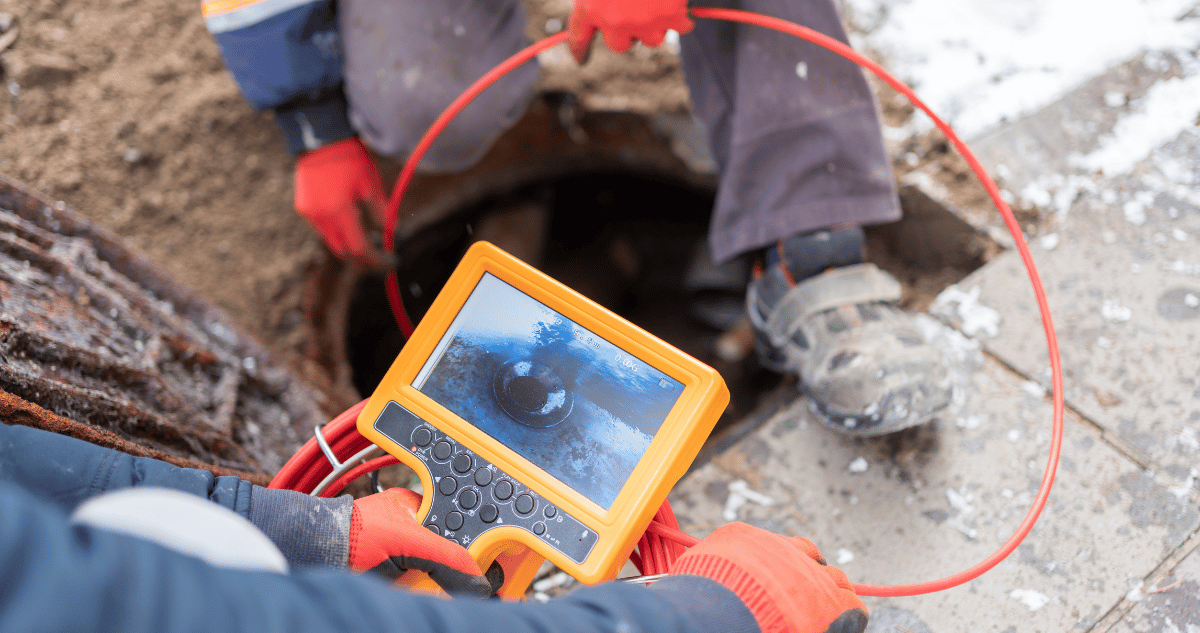
In Seattle neighborhoods like Ballard, Phinney Ridge, Fremont, Wallingford, and Magnolia, older homes often have more going on underground than owners realize. A charming Craftsman or mid-century house may still rely on aging clay, cast iron, or older sewer materials that were installed decades ago. This guide explains why sewer line failure in Seattle is so common in older properties, what warning signs to watch for, and when to book a sewer inspection.
Key Takeaways
- Older Seattle homes are more vulnerable to sewer line failure because many still have aging clay or cast iron side sewers.
- Seattle property owners are generally responsible for the private side sewer that connects their building to the public sewer main.
- Tree root intrusion is common in neighborhoods with mature landscaping, including Ballard, Wallingford, Greenwood, and Magnolia.
- Slow drains, sewage odors, soggy yard areas, and repeated backups can point to a failing sewer line.
- A sewer camera inspection can help Seattle homeowners find cracks, root intrusion, bellies, and collapse risks before a full emergency develops.
Why Sewer Line Failure Matters in Older Seattle Homes
Sewer line failure matters in older Seattle homes because many properties rely on private side sewers installed decades ago, often beneath mature trees, wet soil, and settled ground. When those lines crack, clog, or collapse, the property owner will likely be responsible for the emergency plumbing repair.
Seattle’s older housing stock, mature street trees, wet soil, hillsides, and dense neighborhoods all create tough conditions for private sewer lines. In the city, a side sewer carries wastewater from a building to the public sewer main, and property owners are generally responsible for that private connection.
Older sewer lines in Seattle often fail slowly before they fail suddenly. A homeowner near Sunset Hill might notice one basement floor drain gurgling after heavy rain. A small business near the University of Washington might deal with a restroom backup that keeps returning after snaking. In many cases, the real problem is not the fixture. It is the buried side sewer.
Seattle’s older neighborhoods were built in layers. Homes in Ballard, Phinney Ridge, Loyal Heights, Fremont, Wallingford, Greenwood, Lawton Park, Interbay, and Magnolia can have older pipe materials, mature tree roots, sloped lots, tight side yards, and years of ground movement around the line.
Sewer Line Failure in Seattle, Core Explanation
Sewer line failure in Seattle usually happens when an aging side sewer cracks, settles, clogs with roots, or collapses under years of soil pressure and water movement. Older homes are especially vulnerable because many were built with pipe materials that are now near or past their useful service life.
In neighborhoods such as Ballard, Fremont, and Wallingford, older clay and cast iron sewer lines may have joints, cracks, corrosion, or rough interior surfaces. Those weak points give roots a place to enter and waste a place to catch. Once a small obstruction forms, grease, wipes, paper, and soil can make the blockage worse.
Seattle’s wet climate also matters. Soil expands, shifts, and settles around buried lines. On sloped lots in Magnolia, Interbay, and Phinney Ridge, that movement can create low spots in the pipe, sometimes called bellies. Wastewater slows in those areas, solids collect, and backups become more likely.
Concerned About an Older Sewer Line in Seattle?
Goldstar Plumbing can help you understand what is happening underground before a small problem turns into an emergency.
How This Affects Homeowners and Businesses in Seattle
A failing sewer line can affect Seattle homeowners and small businesses through backups, property damage, health concerns, repair delays, and unexpected costs. Because the side sewer is usually the owner’s responsibility, waiting too long can make the repair more disruptive and expensive.
For homeowners in Sunset Hill, Loyal Heights, or Greenwood, a sewer issue may show up as a basement drain backup, a toilet that bubbles, or a soggy strip of yard. If the line is cracked or collapsed, the problem may keep returning even after a temporary cleaning. The drain may improve for a few weeks, then slow down again.
For small businesses near the University of Washington, Fremont, or Interbay, sewer problems can interrupt daily operations. A clogged restroom line, sewer odor near customers, or repeated drain backup can affect staff, customers, and building access. In older commercial spaces, a camera inspection can help separate a simple clog from a larger side sewer failure.
Signs You May Need Sewer Line Repair Around Ballard and Wallingford
You may need sewer line repair around Ballard, Wallingford, or nearby Seattle neighborhoods if drain problems affect more than one fixture or keep coming back after cleaning. Repeated symptoms usually mean the issue is deeper than a sink, toilet, or branch drain.
- Multiple drains slow down at the same time.
- Toilets gurgle when a shower, tub, or washing machine drains.
- Sewage odors appear near basement drains, lower-level bathrooms, or exterior cleanouts.
- Water backs up into a tub, shower, floor drain, or toilet.
- The same drain clog returns soon after snaking.
- A patch of yard becomes unusually wet, sunken, or foul-smelling.
- Mature trees sit near the likely path of the side sewer.
- An older home has never had a sewer camera inspection.
Waiting can allow roots to spread, cracks to widen, and soil to enter the line. Once a pipe loses shape or collapses, a routine clog can become a larger sewer repair.
When to Call a Professional for Sewer Line Repair in Seattle
Call a professional for sewer line repair in Seattle when backups involve multiple fixtures, sewage appears indoors, odors persist, or a sewer clog returns after cleaning. These signs suggest the issue may be in the side sewer, not just in a household drain.
Some issues can be monitored briefly. A single slow bathroom sink may need a trap cleaning. A slow shower may have hair buildup. A kitchen sink may be affected by grease inside the local branch line.
Professional help is different when the warning signs point underground. If a basement floor drain backs up in Magnolia, a toilet gurgles in Greenwood, or a small business in Fremont has recurring restroom clogs, the next step should be inspection. A sewer camera can show whether the line has roots, cracks, separated joints, a belly, or collapse.
Seattle conditions raise the stakes because many older properties have long side sewers, mature tree roots, wet soils, and tight access. The sooner you understand the condition of the line, the easier it is to plan the right next step.
Repeated Sewer Backups in Seattle?
If your Seattle home has repeated backups or sewer odors, do not keep guessing at the drain. Goldstar Plumbing can inspect the line and explain whether you are dealing with a clog, root intrusion, or a failing side sewer.
Common Causes in Seattle
The most common causes of sewer line failure in Seattle are aging pipe materials, tree root intrusion, shifting soil, pipe bellies, heavy use, and delayed maintenance. In older neighborhoods, several of these issues often happen together.
1. Aging Clay Sewer Pipes
Clay pipes were common in older homes, but their joints can separate and their sections can crack. In Ballard, Wallingford, and Loyal Heights, older homes with original lines may be more likely to have root entry points.
2. Cast Iron Corrosion
Cast iron can become rough, scaled, and weakened over time. Once the interior surface catches debris, clogs happen more often.
3. Tree Root Intrusion
Seattle’s mature trees are part of the city’s character, but roots naturally seek moisture. In areas such as Phinney Ridge, Greenwood, and Magnolia, roots can enter small pipe openings and grow into dense blockages.
4. Ground Settling and Pipe Bellies
Wet soil, slope, and decades of movement can cause sections of pipe to dip. Wastewater slows in the low spot, which allows solids to collect.
5. Collapsed or Separated Pipe Sections
Older pipe can lose alignment or fail completely. When that happens, cleaning the line may only provide temporary relief.
6. Modern Water Use on Older Plumbing
Older sewer systems were not always built for today’s fixture loads, remodels, basement bathrooms, and frequent laundry use. A historic home may look updated inside while the buried sewer line is still decades old.
How to Prevent Sewer Problems in Older Seattle Neighborhoods
The best way to prevent sewer problems in older Seattle neighborhoods is to inspect the line before symptoms become emergencies, keep roots and grease under control, and pay attention to seasonal changes. Prevention is especially important when a home has mature trees, an older side sewer, or a history of recurring clogs.
Homeowners in Fremont, Wallingford, and Greenwood should be careful with what goes down drains. Avoid flushing wipes, paper towels, hygiene products, and grease, even if the packaging claims they are flushable. These materials can catch on rough cast iron, root masses, or uneven clay pipe joints.
Seasonal timing matters in Seattle. Wet months can reveal drainage and sewer problems because soil is saturated and groundwater is higher. If a basement drain smells bad after heavy rain, or a toilet gurgles when the washing machine drains, it is a good time to schedule an inspection.
DIY maintenance has limits. You can keep drains clear, avoid grease, and monitor symptoms, but you cannot see cracks, root intrusion, or collapse without proper equipment. A sewer camera inspection gives a clearer answer and helps avoid repeated temporary fixes.
Related Sewer and Drain Solutions in Seattle
Related sewer and drain solutions in Seattle usually start with finding the cause of the backup, then choosing the right service for the condition of the line. A simple clog may only need clearing, while root intrusion, collapse, or aging pipe damage may require a more complete sewer line repair plan.
If you are dealing with an active backup or recurring clog, start with Goldstar Plumbing’s clogged sewer line service:
If your home is older, recently purchased, or showing early warning signs, a plumbing inspection can help you understand the condition of the system before a larger failure occurs:
Plumbing Maintenance & Inspections
For broader drain and sewer needs, including slow drains, sewer concerns, and recurring backups, visit Goldstar Plumbing’s drain and sewer service page:
Service Areas We Cover Near Seattle
At Goldstar Plumbing, our plumbers in Seattle serve homeowners and small business owners with local sewer, drain, and emergency plumbing support. Our team understands the conditions that affect older homes in Ballard, Fremont, Phinney Ridge, Wallingford, Greenwood, Magnolia, Interbay, and nearby communities.
Frequently Asked Questions
How much does sewer line repair cost in Seattle?
Why do older Seattle homes have sewer line problems?
Are Seattle homeowners responsible for side sewer repairs?
When is the best season to inspect a sewer line in Seattle?
Can I fix a clogged sewer line myself?
Protect Your Older Seattle Home From Sewer Line Failure
A sewer inspection can help you understand the risk before a backup damages your home or interrupts your business. Contact Goldstar Plumbing or call 425-300-9900 to book service.