

Why Does Seattle Have Low Water Pressure Problems?
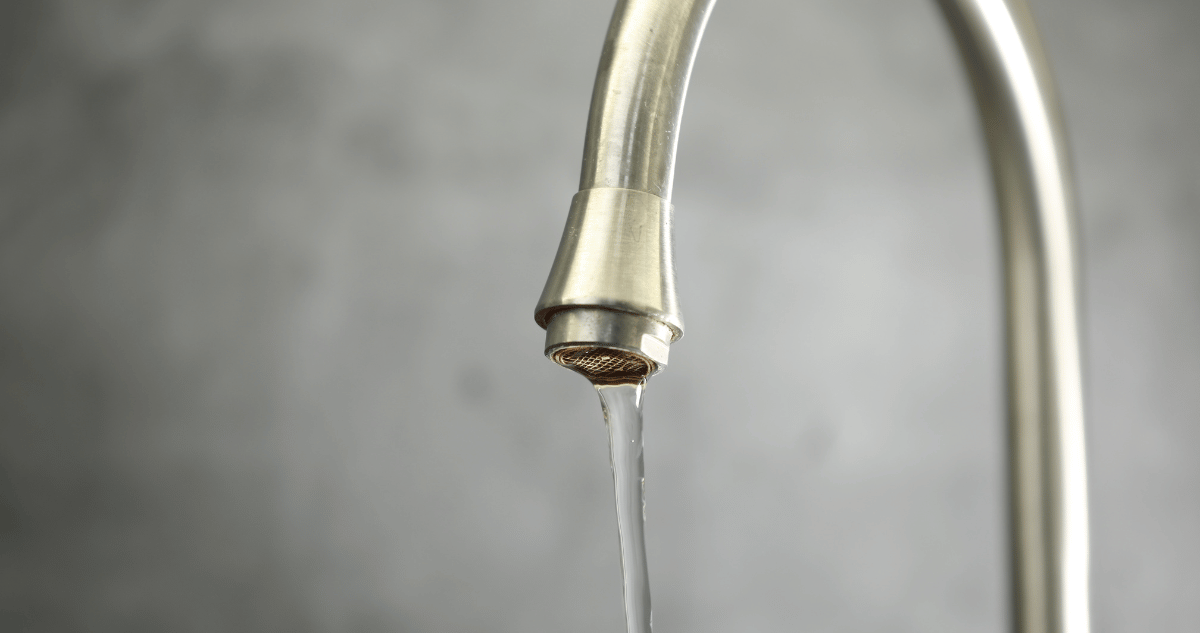
Low water pressure can turn everyday tasks into small battles. Showers feel weak, faucets take longer to fill a sink, and appliances may not perform as expected. In Seattle neighborhoods such as Ballard, Queen Anne, Magnolia, Wallingford, Fremont, and Capitol Hill, water pressure problems may be connected to aging pipes, elevation changes, plumbing restrictions, or issues inside the property. This guide explains why low water pressure in Seattle happens, how to identify the likely cause, and when to call Goldstar Plumbing.
Key Takeaways
- Low water pressure in Seattle may be caused by aging pipes, mineral buildup, leaks, failing pressure regulators, or partially closed valves.
- Seattle’s hills and elevation changes can affect how water pressure feels from one neighborhood or property to another.
- Older homes may still have galvanized steel pipes that have narrowed internally because of corrosion and buildup.
- Low pressure at one fixture usually points to a localized problem, while low pressure throughout the property may indicate a larger plumbing issue.
- A professional plumbing inspection can help distinguish between a problem with the home’s plumbing and a temporary issue involving the Seattle water supply.
Why Water Pressure Problems Matter in Seattle Homes
Water pressure problems matter because they can interfere with showers, faucets, toilets, washing machines, dishwashers, irrigation systems, and other fixtures. In some cases, weak water flow is simply inconvenient. In others, it can be an early warning sign of a hidden leak, deteriorating pipe, damaged valve, or failing pressure regulator.
Seattle has a diverse mix of historic homes, mid-century properties, apartment buildings, townhomes, and newer construction. A renovated home in Ballard or Wallingford may have modern fixtures while portions of the original plumbing remain behind the walls. Those older components can restrict water flow even when the visible parts of the home look completely updated.
The city’s hills also make water pressure more complicated. Properties in Queen Anne, Magnolia, Beacon Hill, Capitol Hill, and other elevated areas may experience different pressure conditions based on their location, the building’s height, and the plumbing system serving the property.
When pressure suddenly drops, homeowners may assume the problem is connected to the municipal system. However, many Seattle plumbing issues begin inside the property, especially when only one fixture, one room, or one section of the building is affected.
Low Water Pressure in Seattle: Core Explanation
Low water pressure in Seattle occurs when water cannot move through the plumbing system at the expected rate or force. The restriction may happen at a faucet, inside an aging supply pipe, near the main shutoff valve, at the pressure regulator, or somewhere between the street connection and the building.
If pressure is weak at only one sink or shower, the cause may be a clogged aerator, blocked showerhead, worn cartridge, or fixture-specific valve. These smaller problems are often easier to isolate and repair.
If water pressure is low throughout the entire home, the issue may involve the main water line, pressure-reducing valve, main shutoff valve, corrosion inside older pipes, or an active leak. A whole-house pressure problem generally deserves a more complete plumbing inspection.
Timing can also provide clues. Pressure that drops only when multiple fixtures are running may point to undersized or restricted pipes. Pressure that changes suddenly could indicate a valve problem, leak, utility interruption, or recent plumbing work.
Weak Water Pressure Throughout Your Seattle Home?
Goldstar Plumbing can inspect your plumbing system, identify flow restrictions, and explain whether the problem involves a fixture, valve, pipe, regulator, or main water connection.
How Low Water Pressure Affects Seattle Homeowners and Businesses
Low water pressure can affect Seattle homeowners and businesses by slowing down daily tasks and making plumbing fixtures less effective. A weak shower may be the first noticeable symptom, but the same pressure problem can also affect appliances, restroom fixtures, commercial sinks, and water-dependent equipment.
For homeowners in Fremont, Greenwood, Ballard, or Magnolia, poor pressure may make it difficult to run a shower and washing machine at the same time. Toilets may refill slowly, outdoor hoses may have limited reach, and upper-floor fixtures may feel weaker than those on the ground level.
For restaurants, salons, offices, clinics, and other Seattle businesses, inconsistent water flow can disrupt operations. Restroom faucets may run slowly, cleaning tasks can take longer, and equipment that depends on a steady water supply may not function properly.
Pressure problems can also conceal larger issues. A corroded pipe or hidden plumbing leak may worsen gradually while the property owner adjusts to weaker flow. Diagnosing the cause early can help prevent further damage and more disruptive repairs.
Signs You Have a Water Pressure Problem
You may have a water pressure problem if water flow feels noticeably weaker than it once did, fixtures perform inconsistently, or pressure changes throughout the day. The location and timing of the symptoms can help narrow down the cause.
- Showers produce a weak or uneven spray.
- Faucets take longer than usual to fill sinks or containers.
- Water pressure drops sharply when another fixture turns on.
- Upper-floor bathrooms have weaker flow than lower-level fixtures.
- The washing machine or dishwasher takes longer to fill.
- Toilets refill slowly after flushing.
- Outdoor faucets and hoses have limited pressure.
- Water pressure suddenly changes without an obvious reason.
- One fixture has poor flow while the rest of the home appears normal.
- Multiple fixtures throughout the property have weak pressure.
A sudden pressure change should receive particular attention. It may be caused by a partially closed valve, failed regulator, hidden leak, damaged supply line, or temporary water service issue.
When to Call a Plumber for Low Water Pressure in Seattle
Call a plumber for low water pressure in Seattle when the issue affects multiple fixtures, continues after cleaning faucet aerators, appears suddenly, or is accompanied by signs of a leak. Whole-house pressure problems usually require testing beyond the individual fixture.
A single weak bathroom faucet may have debris in the aerator. A showerhead may be restricted by mineral buildup. These are reasonable items for a homeowner to inspect before scheduling service.
Professional help becomes more important when pressure is weak throughout the home, the main shutoff valve appears damaged, pipes show signs of corrosion and need to be pipe relined or entirely replaced, or the pressure changes whenever appliances operate. A plumber can test the actual water pressure and compare static pressure with pressure under active flow.
Homes with old plumbing systems may need additional evaluation. Galvanized pipes can appear normal from the outside while corrosion gradually narrows the opening inside. By the time pressure becomes noticeably weak, the usable diameter of the pipe may be much smaller than it was originally.
Not Sure What Is Causing the Pressure Drop?
Goldstar Plumbing can test your system and determine whether your low pressure is caused by a fixture restriction, aging pipe, faulty valve, pressure regulator, leak, or main water line issue.
Common Causes of Low Water Pressure in Seattle
The most common low water pressure causes in Seattle include aging galvanized pipes, clogged fixtures, failing pressure regulators, partially closed valves, hidden leaks, undersized plumbing, and temporary changes in the public water system. More than one cause may be present in an older property.
1. Corrosion Inside Older Galvanized Pipes
Many older Seattle homes were built with galvanized steel water lines. These pipes corrode internally over time, allowing rust and mineral deposits to narrow the passage where water flows. Homes in Ballard, Wallingford, Fremont, Queen Anne, and other established neighborhoods may still contain sections of galvanized plumbing.
2. Clogged Faucet Aerators or Showerheads
If only one fixture has weak flow, sediment or mineral buildup may be blocking the aerator or showerhead. Cleaning or replacing the affected component may restore normal flow without requiring a larger repair.
3. A Failing Pressure-Reducing Valve
Some properties use a pressure-reducing valve to control the pressure entering the building. When the valve wears out or becomes stuck, pressure may become unusually low, high, or inconsistent throughout the property.
4. A Partially Closed Main Shutoff Valve
The main water valve may not have been reopened completely after plumbing work, maintenance, or an emergency shutoff. Even a partially closed valve can restrict water flow to every fixture in the home.
5. Hidden Plumbing Leaks
A leaking supply pipe allows water to escape before it reaches the fixtures. In addition to low pressure, homeowners may notice damp drywall, water stains, musty odors, unusually high water bills, or the sound of running water when fixtures are off.
6. Undersized or Poorly Designed Supply Lines
Some older homes have pipes that are too small for modern water use. Remodels, added bathrooms, larger appliances, and simultaneous fixture use can place more demand on the system than the original piping was designed to support.
7. Main Water Line Restrictions
The pipe that carries water from the municipal connection into the property may be corroded, damaged, leaking, or restricted. A problem in this line can reduce pressure throughout the building and may worsen gradually over time.
8. Temporary Seattle Water Supply Issues
Utility maintenance, nearby construction, water main work, or an emergency interruption can temporarily affect the Seattle water supply. If neighboring properties experience the same sudden pressure drop, the cause may be outside your plumbing system.
9. Elevation and Building Height
Seattle’s varied elevation can influence water pressure, particularly in hillside neighborhoods and multistory buildings. Upper floors may receive weaker pressure when the plumbing system lacks adequate pipe sizing, pressure controls, or boosting equipment.
How to Diagnose Low Water Pressure at Home
Homeowners can perform a few simple checks before calling a plumber. Start by determining whether the problem affects one fixture, one room, the hot-water system, or the entire property.
Remove and clean the aerator on a weak faucet. Check the showerhead for buildup. Make sure the fixture’s local shutoff valves are fully open. If the problem remains isolated to that fixture, the faucet cartridge or internal valve may need repair.
Next, run several fixtures and observe how the pressure changes. If one shower works normally until a toilet flushes or washing machine fills, the plumbing system may have restricted or undersized supply lines.
You can also ask a nearby neighbor whether they are experiencing a similar pressure change. Multiple affected properties may indicate work or disruption involving the local water system. Pressure problems limited to your property are more likely to involve your plumbing.
Do not force old shutoff valves or attempt to adjust an unfamiliar pressure regulator. Aging valves can break or begin leaking when disturbed. A plumber can test the pressure safely and inspect components without turning a mild inconvenience into a watery indoor fountain.
Can Old Plumbing Systems Be Repaired?
Some old plumbing systems can be repaired in sections, while others may need partial or complete repiping. The right solution depends on the pipe material, location of the restriction, condition of the system, and number of fixtures affected.
A clogged aerator, faulty cartridge, or damaged valve may only require a localized repair. A failing pressure regulator can often be replaced without changing the rest of the plumbing.
When galvanized pipes are heavily corroded throughout the home, replacing one short section may not solve the larger problem. Pressure may improve temporarily in one area while restrictions remain elsewhere. In these cases, a repiping evaluation can help determine whether replacing the aging supply lines would provide a more reliable long-term solution.
A plumbing inspection gives homeowners a clearer picture before they commit to a repair. Pressure testing and visual evaluation can help identify whether the issue is isolated, widespread, or connected to the main water service.
Related Plumbing Solutions in Seattle
Resolving water pressure problems starts with identifying where the restriction or pressure loss occurs. Goldstar Plumbing can evaluate fixtures, valves, supply pipes, pressure regulators, and water service lines to recommend the right repair.
If you want a broader assessment of an older home or inconsistent plumbing system, schedule maintenance or an inspection:
Plumbing Maintenance & Inspections
If you have a sudden pressure loss, active leak, or urgent plumbing concern, learn more about our emergency services:
Service Areas We Cover Near Seattle
At Goldstar Plumbing, as a local Seattle plumber, we help homeowners and businesses diagnose low water pressure, leaks, aging pipes, damaged valves, and other plumbing concerns. We serve properties in Ballard, Fremont, Wallingford, Greenwood, Magnolia, Queen Anne, Capitol Hill, Beacon Hill, and nearby Seattle communities.
Frequently Asked Questions
Why is my water pressure suddenly low in Seattle?
Why is the water pressure low in only one faucet?
Do older Seattle homes commonly have low water pressure?
Can a hidden leak cause low water pressure?
Why does my water pressure drop when two fixtures are running?
Can I increase my home’s water pressure myself?
How does a plumber test water pressure?
Restore Reliable Water Pressure in Your Seattle Property
Do not let weak water flow become the new normal. Contact Goldstar Plumbing or call 425-300-9900 to schedule an inspection for low water pressure, aging pipes, leaks, or other Seattle plumbing issues.