

Pipe Repair vs. Pipe Relining in Seattle: What’s Best?
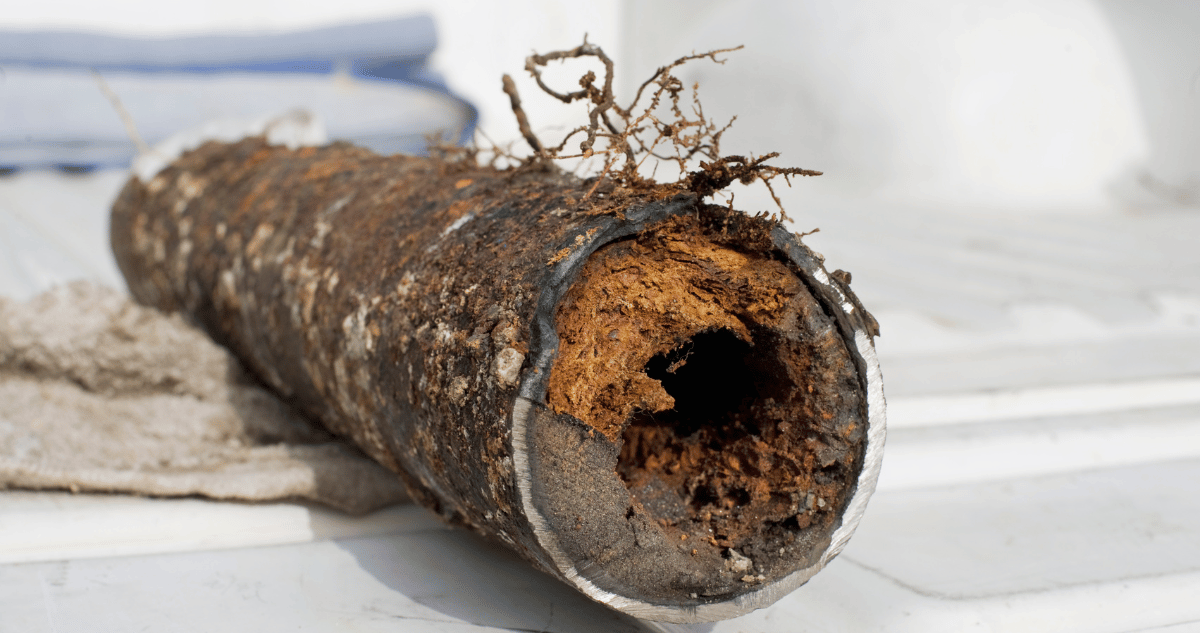
When a pipe cracks, corrodes, or begins causing repeated backups, Seattle property owners may face an important decision: repair the damaged section, reline the existing pipe, or replace the line entirely. The right choice depends on the pipe material, location, condition, and accessibility. This guide compares pipe repair vs. pipe relining in Seattle, explains how each method works, and helps homeowners understand which solution may be best for their plumbing system.
Key Takeaways
- Traditional pipe repair usually requires direct access to the damaged section, which may involve opening walls, floors, landscaping, or pavement.
- Trenchless pipe repair can restore certain damaged pipes with less excavation and disruption.
- Sewer pipe relining creates a new interior lining inside an existing pipe but cannot correct every type of damage.
- Severely collapsed, misaligned, or undersized pipes may require conventional repair or full sewer line replacement.
- A plumbing inspection can help determine whether the pipe is a good candidate for relining or needs a different repair method.
Why the Repair Method Matters for Seattle Properties
The repair method matters because underground and concealed pipes can be difficult to reach. A damaged line may run beneath a basement floor, driveway, patio, landscaped yard, or other finished area. The method used to reach and restore the pipe can affect the project timeline, disruption, cost, and long-term result.
Seattle properties present additional challenges. Older homes in Ballard, Wallingford, Fremont, Queen Anne, Greenwood, and Magnolia may contain aging cast iron, clay, galvanized steel, or other pipe materials. Wet soil, mature trees, shifting ground, and sloped lots can also contribute to cracks, corrosion, separated joints, root intrusion, and sagging pipe sections.
Traditional repair may be the most dependable option when a pipe has collapsed or lost its proper alignment. However, when the existing pipe remains structurally stable, trenchless pipe relining may restore the line without removing large sections of flooring, pavement, or landscaping.
Choosing between repair and relining should begin with an accurate diagnosis. The least disruptive method is not automatically the best method if it does not address the actual condition of the pipe.
Pipe Repair vs. Pipe Relining in Seattle: Core Explanation
Pipe repair vs. pipe relining in Seattle comes down to whether the damaged pipe should be opened and repaired directly or restored internally with a new liner. Both methods can be effective, but they solve different types of plumbing problems.
Traditional pipe repair involves exposing the damaged section and replacing or repairing it. This method gives the plumber direct access to the pipe and may be necessary when the line is collapsed, severely offset, improperly pitched, or too deteriorated to support a liner.
Pipe relining is a trenchless method that places a resin-coated liner inside the existing pipe. Once cured, the liner creates a new interior surface that seals cracks, small gaps, and certain areas of corrosion. The original pipe remains in place and acts as a host for the new lining.
Relining can reduce excavation, but it requires a pipe with enough structural integrity and a clear pathway for the liner. It cannot lift a collapsed section, eliminate a major pipe belly, or correct severe misalignment.
Not Sure Whether Your Pipe Can Be Relined?
Goldstar Plumbing can inspect the damaged line and explain whether traditional repair, trenchless relining, or replacement is the better option for your Seattle property.
What Is Traditional Pipe Repair?
Traditional pipe repair is a direct plumbing repair method that requires access to the damaged section. Depending on the location of the line, a plumber may need to open a wall, remove flooring, excavate soil, cut concrete, or access the pipe through a crawl space or basement.
Once the pipe is exposed, the damaged portion can be removed and replaced with new material. This allows the plumber to correct cracks, broken fittings, collapsed sections, severe corrosion, poor alignment, or improper slope.
Traditional repair is often used when the damage is limited to one accessible area. For example, a short leaking section inside a wall may be easier to replace directly than to reline. It may also be necessary when the surrounding plumbing components need to be reconfigured.
The primary disadvantage is disruption. Excavating a sewer line may affect landscaping, walkways, driveways, or finished interior surfaces. Restoration work may be needed after the plumbing repair is complete.
What Is Trenchless Pipe Relining?
Trenchless pipe relining is a method of restoring a damaged pipe from the inside. Instead of excavating the full length of the line, the plumber typically accesses the pipe through an existing cleanout or a smaller entry point.
The line must first be inspected and cleaned. Roots, buildup, scale, and other obstructions may need to be removed so the liner can fit against the existing pipe wall. A flexible liner coated with resin is then inserted into the pipe and positioned over the damaged section.
Once the liner cures, it creates a smooth and durable interior pipe surface. This new lining can seal certain cracks, small openings, worn joints, and areas of internal deterioration.
Sewer pipe relining is commonly considered for lines beneath landscaping, concrete, finished basements, or other areas where conventional excavation would be especially disruptive. However, the pipe must still meet the structural and dimensional requirements for relining.
How Pipe Damage Affects Seattle Homeowners and Businesses
Damaged pipes can cause leaks, recurring clogs, sewer odors, slow drainage, water damage, mold concerns, and interruptions to everyday plumbing use. The symptoms may begin gradually and worsen as cracks spread, corrosion builds, or soil enters the line.
For homeowners in Ballard, Fremont, Wallingford, or Greenwood, a damaged sewer pipe may cause basement drain backups, gurgling toilets, or recurring clogs that return shortly after cleaning. A leaking water line may appear as damp drywall, staining, low water pressure, or an unexplained increase in water use.
For Seattle businesses, pipe problems can interrupt restrooms, kitchens, cleaning stations, and other essential operations. A recurring sewer backup or active leak may also affect customers, tenants, staff, and neighboring spaces.
The correct repair method can reduce the chance of repeated service calls. Treating only the visible symptom may provide temporary relief, while the damaged pipe continues to deteriorate.
Signs You May Have a Damaged Pipe
You may have a damaged pipe if the same plumbing problem keeps returning or if several fixtures begin showing symptoms at the same time. The exact signs depend on whether the affected line carries clean water or wastewater.
- Multiple drains are slow at the same time.
- A sewer clog returns soon after the line is cleared.
- Toilets gurgle when another fixture drains.
- Sewage backs up into a tub, shower, toilet, or floor drain.
- Sewer odors appear indoors or near an exterior cleanout.
- A section of the yard becomes wet, sunken, or foul-smelling.
- Water pressure drops without an obvious fixture problem.
- Water stains, damp flooring, or musty odors appear indoors.
- The sound of running water continues when fixtures are off.
- An older property has never had its concealed pipes inspected.
If you have an active or recurring sewer blockage, Goldstar Plumbing’s clogged sewer line service can help identify whether the problem is a blockage or a damaged section of pipe.
When Pipe Relining May Be the Better Option
Pipe relining may be the better option when the existing pipe remains structurally stable but has cracks, small openings, worn joints, or internal corrosion. It is particularly useful when reaching the pipe through traditional excavation would damage finished surfaces or require extensive restoration.
A line beneath a driveway, patio, landscaped yard, or finished basement may be a strong candidate for relining if the pipe retains its basic shape. Relining can also be useful when damage extends across a longer section rather than one isolated fitting.
Other situations where relining may be considered include:
- The pipe has cracks but has not collapsed.
- Older joints allow minor root intrusion.
- The interior surface is rough or deteriorated.
- The damaged pipe runs beneath a difficult-to-access area.
- Excavation would require extensive property restoration.
- The existing pipe has enough diameter and stability to support a liner.
A camera inspection and professional evaluation are necessary because surface symptoms alone cannot show whether the pipe can support a liner.
When Traditional Pipe Repair May Be Better
Traditional pipe repair may be better when the plumber needs direct access to correct severe or localized damage. It is often the more appropriate method when the pipe has lost its shape, alignment, slope, or structural integrity.
Traditional repair may be necessary when:
- A section of pipe has completely collapsed.
- Pipe joints are severely separated or offset.
- The line has a significant belly or improper slope.
- The damaged section must be enlarged or rerouted.
- The pipe is too deteriorated to support a liner.
- A broken fitting or connection requires direct replacement.
- The damaged section is short and easy to access.
- The line contains obstructions that cannot be removed.
Although direct repair may involve more disruption, it allows the plumber to remove failed material and correct physical problems that relining cannot solve.
When Sewer Line Replacement Is Necessary
Sewer line replacement may be necessary when damage affects most of the line or when the existing pipe can no longer function as a reliable host for repairs. A replacement installs a new pipe rather than attempting to preserve the old one.
Replacement may be recommended for extensively collapsed clay pipe, severely deteriorated cast iron, widespread joint separation, repeated failures, or lines with major grading problems. It may also make sense when the pipe is undersized for the building’s current needs.
Some sewer lines have several different problems at once. Roots may have entered separated joints, the pipe may contain a low spot, and one section may already be partially collapsed. In these situations, repeated cleaning or spot repairs may not provide a dependable long-term result.
The goal is not to choose the most extensive method automatically. It is to select the repair that addresses the full condition of the line and reduces the chance of recurring damage.
Dealing With Repeated Sewer Line Problems?
Goldstar Plumbing can evaluate whether your line needs clearing, trenchless relining, a targeted repair, or more complete replacement.
Pipe Relining vs. Replacement: Main Differences
Relining restores the interior of an existing pipe, while replacement removes or bypasses the failed line and installs new pipe. The best option depends on the severity and type of damage.
Excavation and Property Disruption
Relining usually requires less excavation because the liner is inserted through an access point. Traditional replacement may require a longer trench or greater access to the damaged pipe.
Condition of the Existing Pipe
Relining depends on the existing pipe retaining enough structure to hold the liner. Replacement does not rely on the old pipe remaining functional.
Ability to Correct Alignment
A liner follows the path and shape of the existing pipe. It generally cannot correct a severe belly, collapse, or major offset. Replacement allows the plumber to establish a new path, slope, or alignment.
Interior Pipe Diameter
Relining adds material to the inside of the existing pipe, which slightly reduces its interior diameter. A professional must confirm that the remaining opening will be suitable for the building’s plumbing demands.
Access Requirements
Relining can be useful beneath concrete, finished rooms, and landscaped areas. Replacement may require direct excavation unless another trenchless replacement method is suitable.
Repair Scope
A targeted repair may address one damaged section. Relining may restore a longer continuous section, while replacement may be better when deterioration is extensive or the system needs to be redesigned.
How Plumbers Determine the Best Repair Method
Plumbers determine the best repair method by identifying the pipe material, location, diameter, depth, damage type, and overall structural condition. The process often begins with a plumbing or sewer camera inspection.
A camera can reveal cracks, corrosion, root intrusion, separated joints, buildup, low spots, and collapsed sections. It can also show whether the pipe remains open enough for cleaning equipment or a liner to pass through.
The plumber may also consider access points, nearby utilities, landscaping, concrete surfaces, and the route of the pipe. A line beneath an open yard may be easier to repair traditionally than one beneath a finished basement or heavily used driveway.
For water lines, pressure testing and leak detection may be needed instead of a sewer camera. Goldstar Plumbing’s pipe and water line services can help identify problems involving damaged supply pipes, valves, leaks, and water service lines.
Can Every Sewer Pipe Be Relined?
No, not every sewer pipe can be relined. The existing pipe must generally retain its shape and provide a stable pathway for the liner. Severe collapse, extensive deformation, major offsets, or large missing sections can prevent successful relining.
The pipe must also be cleaned well enough for the liner to bond and cure properly. Heavy scale, hardened debris, or obstructions may need to be removed before relining can be considered.
Pipe diameter and access also matter. The plumber must confirm that equipment can reach the damaged section and that the finished liner will leave adequate space for wastewater to move through the line.
A camera inspection is the most reliable way to determine whether a sewer line is suitable for relining. Without an inspection, it is difficult to know whether the method will address the actual damage.
Can Relining Stop Tree Root Intrusion?
Relining can seal cracks and joints that allow tree roots to enter a sewer pipe. Once the damaged area is lined, the new interior surface can remove many of the openings roots previously used to reach moisture inside the line.
However, roots must usually be removed before the liner is installed. The line also needs to be checked for collapse, severe joint displacement, or other damage caused by long-term root growth.
Relining does not remove trees or prevent roots from growing elsewhere around the plumbing system. It restores the lined section and seals qualifying entry points inside that portion of the pipe.
If roots have caused the pipe to shift or collapse, conventional repair or replacement may be necessary instead.
How to Reduce the Risk of Future Pipe Damage
The best way to reduce future pipe damage is to address recurring symptoms early and maintain the plumbing system based on its age, material, and previous repair history.
Avoid flushing wipes, paper towels, hygiene products, grease, and other materials that can catch inside rough or damaged sewer pipes. Even products labeled flushable may contribute to blockages in older lines.
Pay attention to recurring clogs, water pressure changes, unusual odors, damp areas, and unexplained increases in water use. These symptoms may indicate a problem beyond an individual fixture.
Older Seattle properties can also benefit from periodic plumbing inspections. A professional inspection may identify corrosion, weak valves, concealed leaks, or sewer damage before the system reaches the point of failure.
Related Pipe and Sewer Solutions in Seattle
Choosing the right plumbing repair method begins with understanding the condition of the damaged line. Goldstar Plumbing can evaluate the pipe and explain whether it needs cleaning, direct repair, relining, or replacement.
Learn more about restoring qualifying pipes with less excavation:
For water supply pipes, shutoff valves, and other pipe-related concerns:
For recurring backups, sewer damage, and drainage problems:
To schedule an evaluation before deciding on a repair method:
Service Areas We Cover Near Seattle
At Goldstar Plumbing, our plumbing company in Seattle help homeowners and businesses evaluate damaged pipes, recurring sewer problems, water line concerns, and aging plumbing systems. We serve properties in Ballard, Fremont, Wallingford, Greenwood, Magnolia, Queen Anne, Capitol Hill, Beacon Hill, and nearby Seattle communities.
Frequently Asked Questions
Is pipe relining better than traditional pipe repair?
How does trenchless pipe relining work?
Can a collapsed sewer pipe be relined?
Does sewer pipe relining fix pipe bellies?
Can pipe relining stop sewer roots?
When is sewer line replacement necessary?
How do I know which plumbing repair method I need?
Find the Right Pipe Repair Method for Your Seattle Property
Do not choose between repair, relining, and replacement without first understanding the condition of the pipe. Contact Goldstar Plumbing or call 425-300-9900 to schedule an inspection for damaged pipes, recurring sewer issues, or other plumbing concerns.