

What to Do if Your Main Sewer Line Is Clogged in Seattle
A clogged main sewer line is one of the most disruptive plumbing problems a property owner can face. In Seattle, older neighborhoods, mature tree-lined streets, and frequent rainfall can all contribute to sewer line issues that quickly escalate from a slow drain to a plumbing emergency.
Quick Answer
If your main sewer line is clogged, stop using water immediately, avoid chemical drain cleaners, and determine whether multiple drains throughout your home are backing up. A main sewer blockage can cause wastewater to return through floor drains, tubs, or toilets, so prompt professional inspection is the safest way to identify the cause and prevent further damage.
What Seattle Homeowners Should Know
-
If multiple drains are slow or backing up at the same time, the problem is often in the main sewer line rather than an individual fixture.
-
Seattle’s mature trees in neighborhoods like Ballard, Queen Anne, Capitol Hill, and West Seattle commonly send roots into aging sewer pipes.
-
Heavy rainfall throughout King County can expose drainage weaknesses and worsen existing sewer line problems.
-
Older homes with clay or cast iron sewer pipes may be more susceptible to cracks, corrosion, and root intrusion.
-
Waiting too long to address a sewer backup can increase cleanup costs and potentially damage flooring, drywall, and personal belongings.
Why This Matters Locally
Main sewer line problems deserve immediate attention because many homes throughout Seattle were built decades ago using materials that naturally deteriorate over time. Combined with the region’s wet climate, shifting soil, and extensive tree canopy, these aging systems often experience root intrusion, pipe separation, or blockages.
Goldstar Plumbing helps local homeowners identify the source of sewer problems with professional inspections and practical repair recommendations. Once you’ve met us, you’ll notice we focus on solving the underlying issue instead of treating only the symptoms.
Local Field Observations
Based on common field experience throughout Seattle and surrounding communities, tree root intrusion remains one of the most frequent causes of sewer line blockages. We also regularly encounter grease accumulation, deteriorating clay pipes, and sections of pipe that have shifted because of natural soil movement.
Neighborhoods with older infrastructure often experience these problems more frequently than newer developments.
How a Main Sewer Line Clog Affects Your Home
A blocked main sewer line affects every drain connected to your home’s plumbing system. Instead of wastewater flowing toward the municipal sewer, it can begin backing up into the lowest plumbing fixtures.
This may result in:
-
Overflowing floor drains
-
Water backing up into showers or tubs
-
Toilets gurgling or overflowing
-
Unpleasant sewer odors
-
Water damage requiring expensive restoration
Because Seattle homes often include finished basements or lower-level living spaces, sewer backups can become especially costly if not addressed promptly.
Warning Signs of a Main Sewer Line Clog
A main sewer line clog usually gives several warning signs before a complete backup occurs.
Common indicators include:
-
Multiple drains slowing down simultaneously
-
Toilets gurgling when sinks or washing machines drain
-
Water backing up into tubs or showers
-
Sewer odors inside or outside the home
-
Frequent toilet clogs throughout the house
-
Water appearing around basement floor drains
-
Standing water near your sewer cleanout
These symptoms generally indicate a larger plumbing issue rather than a single clogged fixture.
When to Call a Professional
If several plumbing fixtures are affected at once, it’s time to call a professional. While homeowners may safely remove simple sink or tub clogs near the drain opening, a suspected main sewer blockage requires specialized equipment and proper diagnosis.
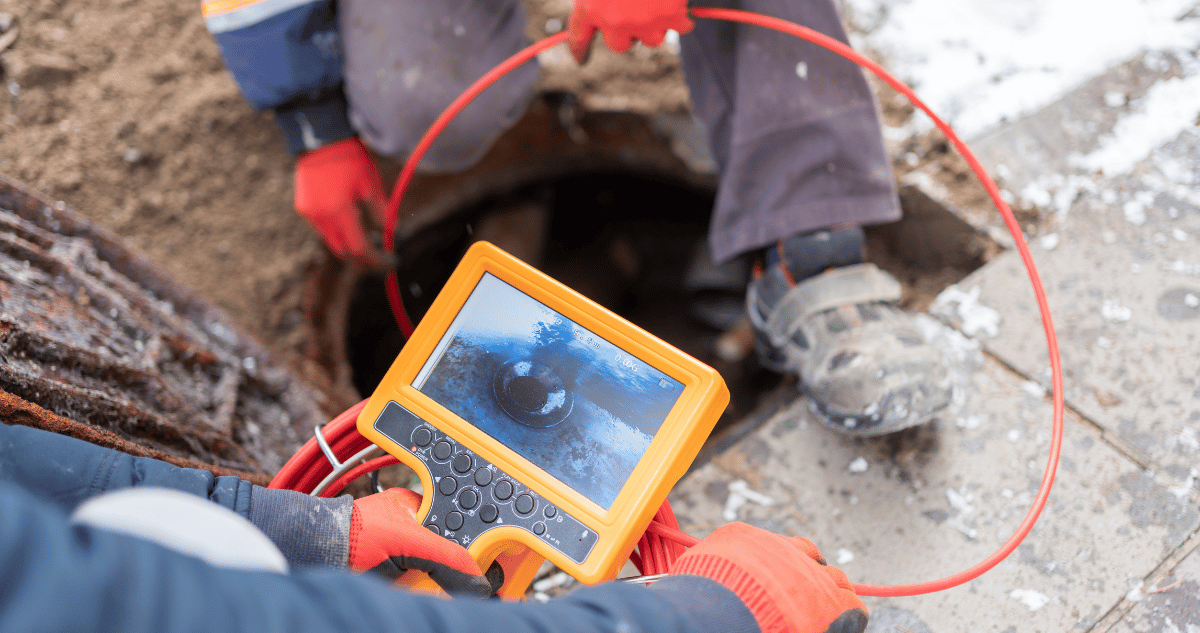
Professional sewer camera inspections can determine whether the blockage is caused by roots, grease buildup, collapsed piping, or another issue. Identifying the exact cause helps avoid unnecessary excavation or repeated drain cleaning.
Common Causes of Sewer Line Clogs in Seattle
1. Tree Root Intrusion
Tree roots naturally seek moisture and can enter tiny cracks in aging sewer pipes. Once inside, roots continue growing until they restrict or completely block wastewater flow.
2. Aging Clay or Cast Iron Pipes
Many older homes throughout Seattle still have original sewer piping. Over time, these materials may crack, corrode, or develop joint separation.
3. Grease and Food Waste
Cooking grease may leave the sink as a liquid but eventually cools and hardens inside the sewer line. Combined with food particles, this creates stubborn blockages.
4. Flushing Non-Flushable Items
Paper towels, wipes labeled as flushable, hygiene products, and other debris can accumulate inside the sewer line and create significant obstructions.
5. Soil Movement
Natural settling and seasonal ground movement can shift underground pipes, creating low spots where debris collects.
Prevention and Maintenance
Routine maintenance can significantly reduce the likelihood of a major sewer blockage.
Helpful preventative measures include:
-
Schedule periodic sewer camera inspections for older homes.
-
Dispose of grease in the trash instead of pouring it down drains.
-
Avoid flushing wipes, paper towels, or hygiene products.
-
Consider preventative root treatments if your property has large mature trees.
-
Address slow drains early before they become complete blockages.
-
Have suspicious sewer odors investigated promptly.
Regular inspections are especially valuable for homeowners in older Seattle neighborhoods where sewer systems have been in service for decades.
What Results Should You Expect?
Professional sewer service should provide a clear diagnosis along with recommendations based on the pipe’s actual condition.
Depending on the findings, you may need:
-
Professional drain cleaning
-
Hydro jetting
-
Root removal
-
Spot repairs
-
Partial pipe replacement
-
Full sewer line replacement if the pipe has significantly deteriorated
The appropriate solution depends on the severity and location of the problem.
Common Mistakes to Avoid
Mistake: Continuing to run water after noticing backups.
Consequence: Additional wastewater may back up into your home.
Better Approach: Stop using plumbing fixtures until the blockage is evaluated.
Mistake: Using chemical drain cleaners repeatedly.
Consequence: Chemicals rarely clear main sewer blockages and may damage older pipes.
Better Approach: Schedule a professional inspection.
Mistake: Ignoring occasional slow drains.
Consequence: Minor restrictions often become complete blockages over time.
Better Approach: Investigate recurring drainage issues early.
Common Local Scenario
A homeowner in North Seattle notices the downstairs shower backing up whenever the washing machine drains. Shortly afterward, the toilets begin gurgling and a sewer odor develops near the basement floor drain.
A sewer camera inspection reveals tree roots growing through an older clay sewer line. After clearing the roots and evaluating the pipe’s condition, the homeowner can make an informed decision about repair or replacement before a complete sewer backup occurs.
Related Plumbing Services
Several plumbing services may resolve or prevent sewer line problems:
-
Sewer camera inspections
-
Drain cleaning
-
Hydro jetting
-
Sewer line repair
-
Sewer line replacement
-
Preventative maintenance inspections
Comparing Your Options
| Option | Best For | Considerations |
|---|---|---|
| DIY drain clearing | Individual sink or tub clogs | Not effective for most main sewer blockages |
| Professional drain cleaning | Blockages caused by buildup | Removes many common obstructions |
| Hydro jetting | Heavy grease and root removal | Thorough cleaning for many sewer lines |
| Sewer repair | Localized pipe damage | Preserves sections of pipe that remain in good condition |
| Sewer replacement | Extensive deterioration | Long-term solution when repairs are no longer practical |
Service Areas
We proudly help homeowners throughout Seattle and nearby communities including Shoreline, Burien, Bellevue, Mercer Island, and other areas across King County. Local knowledge helps us understand the unique plumbing challenges associated with older homes and regional conditions.
The Cost of Waiting
Ignoring a sewer line clog often allows the problem to worsen. What begins as slow drainage can eventually lead to wastewater backups, property damage, mold concerns, and more extensive plumbing repairs.
Frequently Asked Questions
How do I know if my main sewer line is clogged in Seattle?
The clearest sign is multiple plumbing fixtures backing up at the same time. Toilets, sinks, tubs, and floor drains may all experience slow drainage or backups, indicating the blockage is likely in the main sewer line.
Are tree roots a common sewer problem in Seattle?
Yes. Mature trees throughout many Seattle neighborhoods frequently send roots toward underground sewer pipes. Older clay pipes are especially vulnerable to root intrusion.
Can heavy rain cause sewer line problems?
Heavy rainfall typically does not create a blockage by itself, but it can expose existing drainage problems and place additional stress on compromised sewer systems.
Should I use chemical drain cleaners for a sewer clog?
No. Chemical drain cleaners are generally ineffective against main sewer blockages and may damage older plumbing materials. Professional diagnosis is usually the safer approach.
How is a sewer blockage diagnosed?
A sewer camera inspection allows plumbers to see the interior of the pipe and identify the exact cause of the blockage, whether it’s roots, grease, pipe damage, or another issue.
Can older homes in King County have more sewer issues?
Yes. Homes with aging clay or cast iron sewer pipes may experience more frequent blockages, corrosion, or structural deterioration than newer plumbing systems.
Closing
A clogged main sewer line is not a problem to ignore. Acting quickly can help minimize property damage, reduce repair costs, and restore safe, reliable plumbing. Understanding the warning signs and seeking professional evaluation early gives homeowners the best opportunity to address the issue before it becomes a major emergency.
Get Professional Sewer Line Help in Seattle
Protect your home with prompt, accurate sewer line diagnosis and dependable plumbing solutions.