

Cold Weather Is Coming: Why Seattle Homeowners Should Schedule Tankless Water Heater Maintenance
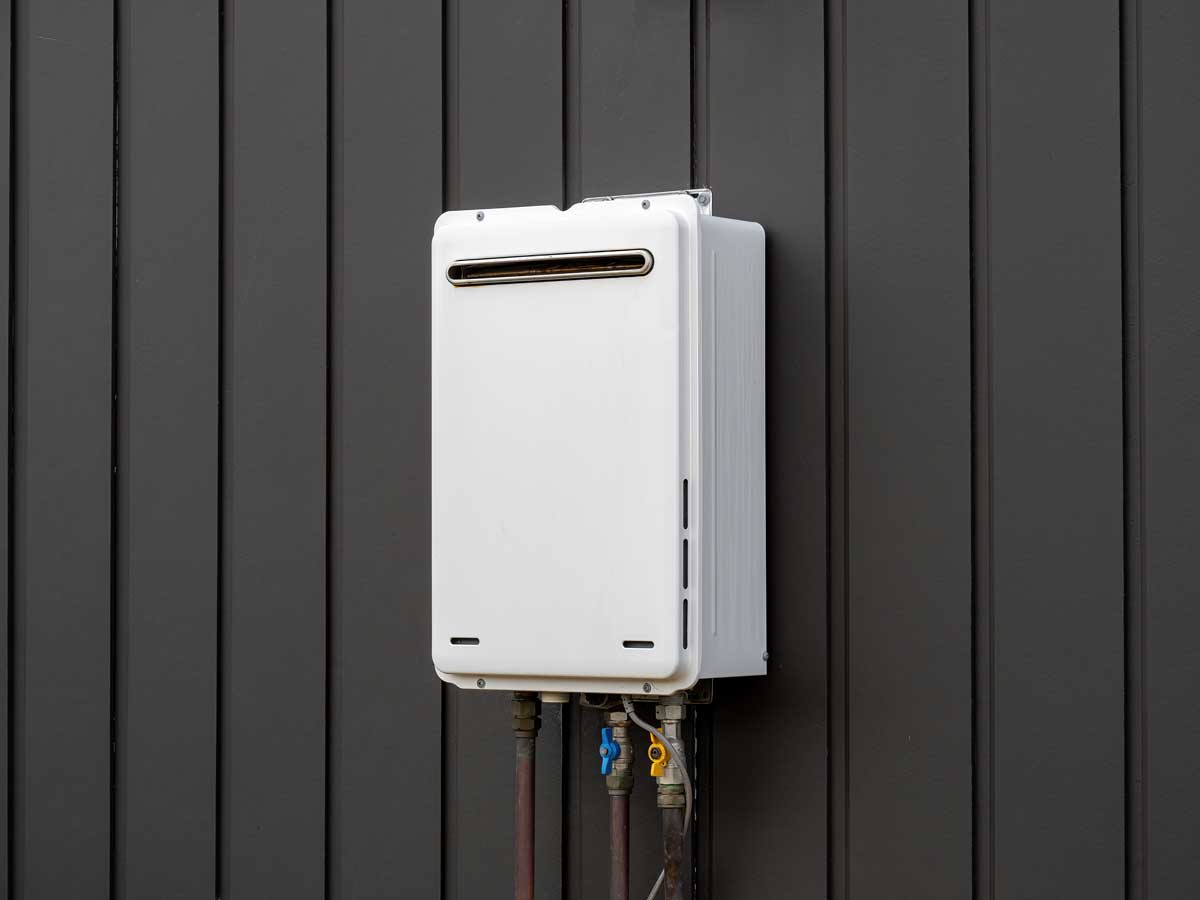
As fall temperatures drop and rainy days become more frequent in Seattle, reliable hot water becomes especially important. Whether you’re starting the morning with a warm shower or washing dishes after dinner, your tankless water heater needs to perform consistently. Unfortunately, mineral buildup, neglected maintenance, and cold-weather exposure can create problems when you need hot water most.
Scheduling tankless water heater maintenance before winter helps homeowners identify developing issues, maintain system efficiency, and reduce the risk of unexpected hot water interruptions.
What Seattle Homeowners Should Know About Tankless Water Heater Maintenance
-
Annual professional maintenance is a common recommendation, although the correct schedule depends on the manufacturer, water quality, and household usage.
-
Seattle’s generally soft municipal water can reduce some mineral scaling concerns, but it does not eliminate the need for tankless water heater maintenance.
-
Cold snaps in neighborhoods such as Ballard, Queen Anne, and West Seattle can create additional concerns for units installed in exposed or poorly insulated locations.
-
Flushing, filter cleaning, vent inspection, and performance checks can help keep a tankless system operating properly.
-
Scheduling maintenance in the fall gives homeowners time to address problems before colder winter weather arrives.
For homeowners throughout King County, preventive maintenance is a practical way to protect comfort and avoid unnecessary plumbing disruptions.
Goldstar Plumbing understands how important dependable hot water is during the Pacific Northwest’s colder months. Our goal is to help local homeowners understand their tankless water heater maintenance needs and recognize when professional attention is necessary.
Why Fall Is the Best Time for Tankless Water Heater Maintenance in Seattle
Fall is an ideal time to schedule tankless water heater maintenance in Seattle because it allows homeowners to address performance problems, inspect cold-sensitive components, and prepare their equipment before winter temperatures arrive. Preventive service can also reveal developing issues that might otherwise become noticeable during periods of increased hot water use.
Seattle’s maritime climate brings cool, damp conditions throughout much of the year. While severe freezes are less frequent than in many inland communities, freezing temperatures can still occur during winter cold snaps.
Homes in neighborhoods such as Magnolia, Greenwood, and Beacon Hill may have tankless water heaters installed in garages, utility rooms, or exterior locations. Depending on the installation, exposed piping and equipment can require additional freeze protection.
A fall maintenance appointment provides an opportunity to evaluate these conditions before they become urgent.
Local Data and Maintenance Considerations for Seattle Homes
Seattle homeowners should consider both local water characteristics and winter weather when planning tankless water heater maintenance. Seattle Public Utilities generally supplies relatively soft water, which can help limit mineral scaling compared with harder-water regions, but water chemistry is only one factor affecting long-term system performance.
Local conditions worth considering include:
-
Soft municipal water: Mineral deposits can still accumulate over time, particularly in heat exchangers exposed to repeated heating cycles.
-
Seasonal cold snaps: Outdoor plumbing and exposed water lines may be vulnerable when temperatures fall below freezing.
-
Older properties: Some homes in Capitol Hill and Wallingford have plumbing layouts that may complicate access to newer tankless equipment.
-
Installation location: Exterior units and equipment in unheated spaces may need additional protection during winter.
These are regional maintenance considerations rather than findings from a specific inspection. The condition of an individual system depends on its installation, age, maintenance history, and operating environment.
How Cold Weather Can Affect Your Tankless Water Heater
Cold weather can affect tankless water heater performance by lowering incoming water temperatures, increasing the energy required to heat water, and exposing vulnerable piping to freezing conditions. Seattle homeowners may notice these effects most during winter mornings when multiple fixtures need hot water.
Unlike traditional storage water heaters, tankless systems heat water as it flows through the unit. When incoming water is colder, the equipment must work harder to reach the desired outlet temperature.
Depending on the unit’s heating capacity and flow rate, this may affect how much hot water can be supplied simultaneously.
Winter conditions can also create other concerns:
-
Increased hot water demand during colder months.
-
Greater heating requirements when incoming water is colder.
-
Freeze risks for exposed supply and condensate lines.
-
Possible venting or drainage problems if components are obstructed.
Routine maintenance helps identify conditions that could interfere with normal operation.
Warning Signs Your Tankless Water Heater Needs Maintenance
Common warning signs that a tankless water heater needs maintenance include inconsistent hot water temperatures, reduced flow, unusual noises, error codes, and repeated system shutdowns. Homeowners should investigate these symptoms before colder weather increases their reliance on the equipment.
Watch for these seven warning signs:
-
Fluctuating water temperatures: Hot water suddenly turns lukewarm or cold during normal use.
-
Reduced hot water flow: Showers or faucets deliver less hot water than expected.
-
Unusual operating noises: Rumbling, clicking, or other unfamiliar sounds occur during heating.
-
Error codes: The system displays alerts indicating a possible operating problem.
-
Longer heating delays: Hot water takes noticeably longer to arrive than usual.
-
Frequent shutdowns: The unit stops heating unexpectedly or requires repeated resets.
-
Visible leaks or corrosion: Moisture, staining, or deterioration appears around connections or equipment.
Some symptoms can have causes outside the water heater itself. A professional evaluation can help determine whether the problem involves the unit, plumbing fixtures, water supply, or installation.
When Should Seattle Homeowners Call a Professional?
Seattle homeowners should call a professional when their tankless water heater develops recurring error codes, inconsistent heating, visible leaks, unusual combustion behavior, or repeated shutdowns. Professional maintenance is also appropriate when the manufacturer recommends internal cleaning or inspection that requires specialized equipment.
Homeowners can safely check the display for error messages, inspect visible areas for leaks, and review the manufacturer’s maintenance instructions.
However, internal heat exchanger cleaning, gas connections, combustion adjustments, and venting repairs should be handled by qualified professionals.
If you smell gas, leave the area immediately and contact the gas utility or emergency services from a safe location. Do not attempt to restart or repair the equipment.
Common Causes of Tankless Water Heater Problems in Seattle
Common causes of tankless water heater problems in Seattle include restricted water flow, mineral accumulation, dirty inlet filters, ignition issues, and inadequate freeze protection. These problems can develop gradually, making regular inspection useful even when the system appears to operate normally.
1. Mineral and sediment accumulation
Even relatively soft water can leave deposits inside heating components. Over time, accumulation may restrict heat transfer or contribute to operating problems.
2. Dirty inlet filters
Sediment and debris can collect in water inlet screens, restricting flow and affecting heating performance.
3. Venting or air supply restrictions
Gas-fired tankless units require appropriate combustion air and exhaust venting. Blocked or damaged components can interfere with safe operation.
4. Cold-weather exposure
Homes with equipment installed outdoors or in unheated areas may experience frozen pipes or drainage problems during winter cold snaps.
5. Deferred maintenance
Systems that go years without inspection may develop problems that could have been identified earlier.
How to Prepare Your Tankless Water Heater for Winter
Preparing a tankless water heater for winter involves scheduling appropriate maintenance, checking exposed plumbing, reviewing error messages, and confirming that freeze protection is functioning as designed. For Seattle homeowners, early fall is a convenient time to complete these steps before freezing weather becomes a concern.
A practical winter preparation checklist includes:
-
Review the manufacturer’s recommended maintenance interval.
-
Schedule professional descaling or flushing when appropriate.
-
Check visible piping for leaks, corrosion, or damage.
-
Confirm that exposed water lines have suitable freeze protection.
-
Keep outdoor vents and equipment clear of debris.
-
Monitor the system for unusual sounds or temperature fluctuations.
-
Verify that the unit’s freeze protection features meet the installation’s needs.
Do not assume built-in freeze protection protects every connected pipe. Many systems require electrical power for their protective features to operate, and external piping may remain vulnerable.
What to Expect From Professional Tankless Water Heater Maintenance
Professional tankless water heater maintenance should help identify developing problems, address applicable cleaning needs, and verify that the equipment operates according to manufacturer requirements. The exact service depends on the unit’s fuel type, design, condition, and maintenance history.
A professional appointment may include:
-
Inspecting the water inlet filter.
-
Flushing or descaling the heat exchanger when needed.
-
Checking visible water connections.
-
Inspecting accessible venting and condensate components.
-
Reviewing system error codes.
-
Testing water temperature and operating performance.
-
Evaluating freeze protection concerns.
Maintenance cannot guarantee that a component will never fail. However, it can improve the likelihood that developing problems are identified before they cause an unexpected interruption.
Common Tankless Water Heater Maintenance Mistakes
Common tankless water heater maintenance mistakes include waiting for a breakdown, overlooking exposed piping, using improper cleaning solutions, and assuming soft water eliminates maintenance needs. These mistakes can contribute to avoidable equipment problems in Seattle homes.
Mistake: Waiting until hot water stops working.
Consequence: A developing problem may become an inconvenient winter repair.
Better approach: Schedule routine maintenance before peak seasonal demand.
Mistake: Assuming Seattle’s soft water prevents all buildup.
Consequence: Filters and heating components may still accumulate deposits.
Better approach: Follow the manufacturer’s recommended cleaning and inspection schedule.
Mistake: Ignoring outdoor plumbing.
Consequence: Exposed pipes may freeze during unusually cold weather.
Better approach: Have vulnerable piping and freeze protection evaluated before winter.
Mistake: Attempting unfamiliar internal repairs.
Consequence: Incorrect procedures can damage components or create safety hazards.
Better approach: Leave gas, electrical, combustion, and specialized internal maintenance to qualified professionals.
Common Local Scenario: A West Seattle Home With Inconsistent Hot Water
A common local scenario involves a West Seattle homeowner noticing inconsistent shower temperatures as fall transitions into winter. The tankless water heater still operates, but hot water becomes less reliable when several fixtures run simultaneously.
Several conditions could explain this problem.
Colder incoming water may reduce the unit’s available hot water flow. A restricted inlet filter, accumulated deposits, or an equipment fault could also affect performance.
Rather than replacing the unit immediately, the homeowner schedules a professional inspection.
A technician can evaluate water flow, review error codes, check maintenance needs, and determine whether cleaning, adjustment, or repair is appropriate.
This hypothetical example illustrates why identifying the cause matters more than assuming every temperature fluctuation requires a new water heater.
Tankless Water Heater Services That Help Prevent Winter Problems
Tankless water heater maintenance and repair services can help Seattle homeowners address performance issues, protect vulnerable components, and determine whether their equipment is ready for winter. The appropriate solution depends on whether the system needs routine care, a specific repair, or replacement.
Relevant services may include:
-
Routine maintenance: Cleaning and inspections based on manufacturer guidance.
-
Tankless water heater flushing: Removing applicable mineral deposits from internal water passages.
-
Diagnostic service: Investigating error codes, heating interruptions, and flow problems.
-
Plumbing repairs: Correcting leaks, damaged connections, or related piping issues.
-
Replacement evaluation: Determining whether an aging or repeatedly failing system should be repaired or replaced.
At Goldstar Plumbing, we encourage homeowners to address developing hot water problems before they interfere with everyday comfort.
Comparing Routine Maintenance, Repair, and Replacement
Routine maintenance is appropriate for a functioning tankless water heater that needs scheduled care, while repair addresses an identified malfunction and replacement may be appropriate when the equipment is no longer economical or practical to restore. Seattle homeowners should compare these options based on condition, age, and diagnostic findings.
| Option | Best For | Primary Benefit |
|---|---|---|
| Routine maintenance | Systems operating normally | Supports ongoing performance and preventive care |
| Professional repair | Specific faults or failed components | Restores function when the problem is repairable |
| System replacement | Aging or extensively damaged equipment | Provides an opportunity to select equipment suited to current household needs |
A professional assessment can help homeowners avoid unnecessary replacement while recognizing when continued repairs may not be worthwhile.
Seattle and Nearby Communities: Winter Water Heater Considerations
Seattle homeowners and residents of nearby communities such as Shoreline, Burien, and Bellevue face similar seasonal concerns involving cooler incoming water, exposed plumbing, and occasional freezing temperatures. Maintenance needs still vary by home construction, installation location, and equipment type.
Throughout the Puget Sound region, preparing tankless equipment before winter can help reduce unexpected disruptions.
The Cost of Ignoring Tankless Water Heater Maintenance
Ignoring tankless water heater maintenance can allow small problems to develop into more expensive repairs, reduced heating performance, or unexpected hot water interruptions. In Seattle, waiting until a winter cold snap can make a breakdown particularly inconvenient for households relying on one unit for their hot water supply.
Potential consequences include restricted water flow, avoidable component wear, equipment shutdowns, and water damage if a leak develops.
Not every neglected system will experience these problems, but preventive attention can help reduce avoidable risks.
Frequently Asked Questions About Tankless Water Heater Maintenance in Seattle
1. How often should a tankless water heater be serviced in Seattle?
Most homeowners should consider annual professional maintenance, but the correct interval depends on the manufacturer’s instructions, water quality, and household usage. Seattle’s generally soft municipal water may reduce scaling compared with harder-water areas, yet filters, venting, and other components still require appropriate attention.
2. Does Seattle’s soft water mean tankless water heaters do not need flushing?
No. Seattle’s relatively soft water can reduce mineral buildup, but it does not completely eliminate deposits or other maintenance requirements. Whether flushing is necessary depends on the water supply, equipment condition, and manufacturer recommendations. A professional can help determine the appropriate cleaning schedule.
3. Can a tankless water heater freeze during a Seattle winter?
Yes. Tankless water heaters and their connected piping can be vulnerable to freezing during cold weather, particularly when installed outdoors or in unheated spaces. Built-in freeze protection may have limitations and often depends on electrical power. Proper installation and pipe protection are essential.
4. How long does tankless water heater maintenance take?
Tankless water heater maintenance commonly takes approximately one to two hours for a straightforward appointment, although service time varies. Heavy deposits, difficult equipment access, repairs, and manufacturer-specific procedures may require additional time. A technician can provide a more accurate estimate after reviewing the system.
5. Why does my tankless water heater produce less hot water during winter?
Colder incoming water requires the tankless unit to provide a greater temperature increase. Depending on the heater’s capacity, this can reduce the amount of hot water available at one time. Restricted filters or equipment problems can also contribute, so persistent performance changes deserve evaluation.
6. Is fall better than winter for scheduling maintenance in King County?
Fall is generally a convenient time because homeowners can address maintenance needs before the coldest part of the year. However, tankless water heaters can be serviced throughout the year. If your system is already displaying errors, leaking, or producing unreliable hot water, do not wait for a particular season.
7. Can I flush my tankless water heater myself?
Some manufacturers provide homeowner maintenance procedures, but flushing requires the correct equipment, cleaning solution, and process for the specific model. Incorrect methods can damage components or create safety concerns. Homeowners unfamiliar with the procedure should schedule professional service rather than attempting internal maintenance.
8. What should Bellevue and Shoreline homeowners check before freezing temperatures arrive?
Homeowners should check for exposed water lines, visible leaks, unusual error messages, and equipment installed in unheated or outdoor locations. Confirm that freeze protection follows manufacturer requirements and that outdoor vents remain unobstructed. A professional inspection can identify concerns that are not visible during a basic homeowner check.
9. Will tankless water heater maintenance lower my energy bills?
Maintenance may help restore efficiency when buildup, restricted flow, or other correctable conditions are affecting performance. However, savings depend on the system’s condition, energy rates, and hot water usage. Routine service should be viewed primarily as preventive care rather than a guaranteed way to reduce utility bills.
10. Should I replace an older tankless water heater before winter?
Replacement may be appropriate when a unit has repeated failures, significant component damage, or repair costs that are difficult to justify. Age alone does not automatically require replacement. A professional evaluation can help determine whether maintenance, repair, or new equipment is the most practical option.
Keep Your Seattle Home Comfortable With Preventive Tankless Water Heater Maintenance
Cold weather should not mean worrying about whether your hot water will work when you need it. By addressing maintenance needs in the fall, homeowners can prepare their tankless systems for cooler incoming water temperatures, increased seasonal use, and occasional freezing conditions.
At Goldstar Plumbing, we believe proactive plumbing care helps homeowners make informed decisions and protect their everyday comfort.
Get Your Tankless Water Heater Ready for Seattle’s Cold Weather
Prepare for winter with professional attention to your tankless water heater’s condition, performance, and maintenance needs.