Low water pressure can turn everyday tasks into small battles. Showers feel weak, faucets take longer to fill a sink, and appliances may not perform as expected. In Seattle neighborhoods such as Ballard, Queen Anne, Magnolia, Wallingford, Fremont, and Capitol Hill, water pressure problems may be connected to aging pipes, elevation changes, plumbing restrictions, or issues inside the property. This guide explains why low water pressure in Seattle happens, how to identify the likely cause, and when to call Goldstar Plumbing.
Key Takeaways
Low water pressure in Seattle may be caused by aging pipes, mineral buildup, leaks, failing pressure regulators, or partially closed valves.
Seattle’s hills and elevation changes can affect how water pressure feels from one neighborhood or property to another.
Older homes may still have galvanized steel pipes that have narrowed internally because of corrosion and buildup.
Low pressure at one fixture usually points to a localized problem, while low pressure throughout the property may indicate a larger plumbing issue.
A professional plumbing inspection can help distinguish between a problem with the home’s plumbing and a temporary issue involving the Seattle water supply.
Why Water Pressure Problems Matter in Seattle Homes
Water pressure problems matter because they can interfere with showers, faucets, toilets, washing machines, dishwashers, irrigation systems, and other fixtures. In some cases, weak water flow is simply inconvenient. In others, it can be an early warning sign of a hidden leak, deteriorating pipe, damaged valve, or failing pressure regulator.
Seattle has a diverse mix of historic homes, mid-century properties, apartment buildings, townhomes, and newer construction. A renovated home in Ballard or Wallingford may have modern fixtures while portions of the original plumbing remain behind the walls. Those older components can restrict water flow even when the visible parts of the home look completely updated.
The city’s hills also make water pressure more complicated. Properties in Queen Anne, Magnolia, Beacon Hill, Capitol Hill, and other elevated areas may experience different pressure conditions based on their location, the building’s height, and the plumbing system serving the property.
When pressure suddenly drops, homeowners may assume the problem is connected to the municipal system. However, many Seattle plumbing issues begin inside the property, especially when only one fixture, one room, or one section of the building is affected.
Low Water Pressure in Seattle: Core Explanation
Low water pressure in Seattle occurs when water cannot move through the plumbing system at the expected rate or force. The restriction may happen at a faucet, inside an aging supply pipe, near the main shutoff valve, at the pressure regulator, or somewhere between the street connection and the building.
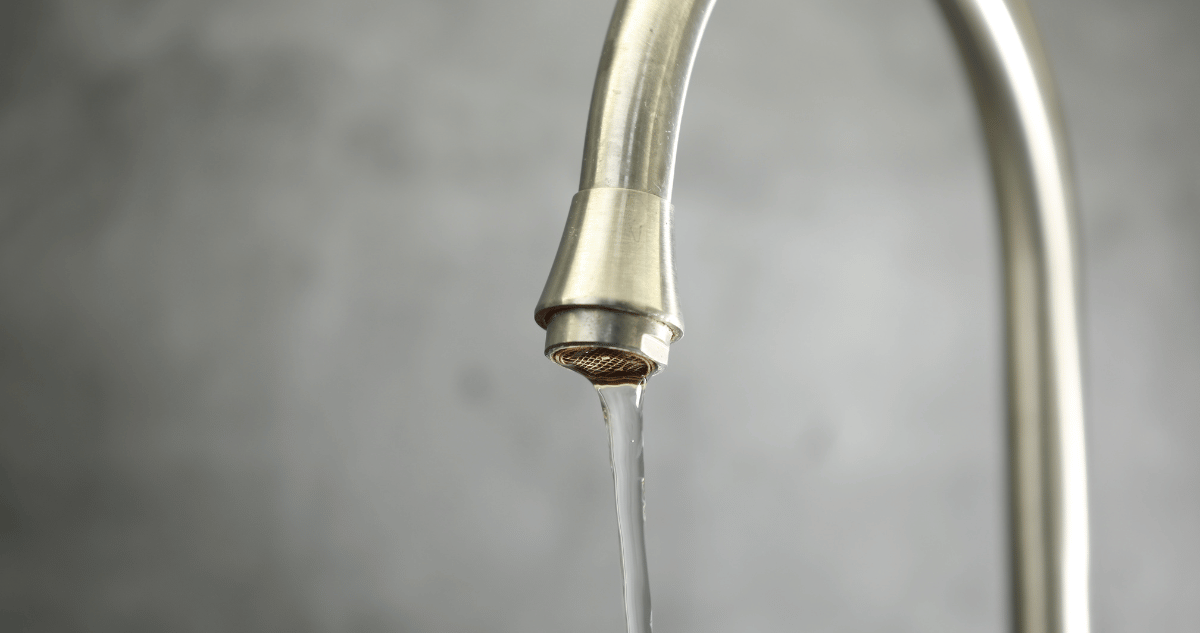
If pressure is weak at only one sink or shower, the cause may be a clogged aerator, blocked showerhead, worn cartridge, or fixture-specific valve. These smaller problems are often easier to isolate and repair.
If water pressure is low throughout the entire home, the issue may involve the main water line, pressure-reducing valve, main shutoff valve, corrosion inside older pipes, or an active leak. A whole-house pressure problem generally deserves a more complete plumbing inspection.
Timing can also provide clues. Pressure that drops only when multiple fixtures are running may point to undersized or restricted pipes. Pressure that changes suddenly could indicate a valve problem, leak, utility interruption, or recent plumbing work.
Weak Water Pressure Throughout Your Seattle Home?
Goldstar Plumbing can inspect your plumbing system, identify flow restrictions, and explain whether the problem involves a fixture, valve, pipe, regulator, or main water connection.
How Low Water Pressure Affects Seattle Homeowners and Businesses
Low water pressure can affect Seattle homeowners and businesses by slowing down daily tasks and making plumbing fixtures less effective. A weak shower may be the first noticeable symptom, but the same pressure problem can also affect appliances, restroom fixtures, commercial sinks, and water-dependent equipment.
For homeowners in Fremont, Greenwood, Ballard, or Magnolia, poor pressure may make it difficult to run a shower and washing machine at the same time. Toilets may refill slowly, outdoor hoses may have limited reach, and upper-floor fixtures may feel weaker than those on the ground level.
For restaurants, salons, offices, clinics, and other Seattle businesses, inconsistent water flow can disrupt operations. Restroom faucets may run slowly, cleaning tasks can take longer, and equipment that depends on a steady water supply may not function properly.
Pressure problems can also conceal larger issues. A corroded pipe or hidden plumbing leak may worsen gradually while the property owner adjusts to weaker flow. Diagnosing the cause early can help prevent further damage and more disruptive repairs.
Signs You Have a Water Pressure Problem
You may have a water pressure problem if water flow feels noticeably weaker than it once did, fixtures perform inconsistently, or pressure changes throughout the day. The location and timing of the symptoms can help narrow down the cause.
Showers produce a weak or uneven spray.
Faucets take longer than usual to fill sinks or containers.
Water pressure drops sharply when another fixture turns on.
Upper-floor bathrooms have weaker flow than lower-level fixtures.
The washing machine or dishwasher takes longer to fill.
Toilets refill slowly after flushing.
Outdoor faucets and hoses have limited pressure.
Water pressure suddenly changes without an obvious reason.
One fixture has poor flow while the rest of the home appears normal.
Multiple fixtures throughout the property have weak pressure.
A sudden pressure change should receive particular attention. It may be caused by a partially closed valve, failed regulator, hidden leak, damaged supply line, or temporary water service issue.
When to Call a Plumber for Low Water Pressure in Seattle
Call a plumber for low water pressure in Seattle when the issue affects multiple fixtures, continues after cleaning faucet aerators, appears suddenly, or is accompanied by signs of a leak. Whole-house pressure problems usually require testing beyond the individual fixture.
A single weak bathroom faucet may have debris in the aerator. A showerhead may be restricted by mineral buildup. These are reasonable items for a homeowner to inspect before scheduling service.
Professional help becomes more important when pressure is weak throughout the home, the main shutoff valve appears damaged, pipes show signs of corrosion and need to be pipe relined or entirely replaced, or the pressure changes whenever appliances operate. A plumber can test the actual water pressure and compare static pressure with pressure under active flow.
Homes with old plumbing systems may need additional evaluation. Galvanized pipes can appear normal from the outside while corrosion gradually narrows the opening inside. By the time pressure becomes noticeably weak, the usable diameter of the pipe may be much smaller than it was originally.
Not Sure What Is Causing the Pressure Drop?
Goldstar Plumbing can test your system and determine whether your low pressure is caused by a fixture restriction, aging pipe, faulty valve, pressure regulator, leak, or main water line issue.
The most common low water pressure causes in Seattle include aging galvanized pipes, clogged fixtures, failing pressure regulators, partially closed valves, hidden leaks, undersized plumbing, and temporary changes in the public water system. More than one cause may be present in an older property.
1. Corrosion Inside Older Galvanized Pipes
Many older Seattle homes were built with galvanized steel water lines. These pipes corrode internally over time, allowing rust and mineral deposits to narrow the passage where water flows. Homes in Ballard, Wallingford, Fremont, Queen Anne, and other established neighborhoods may still contain sections of galvanized plumbing.
2. Clogged Faucet Aerators or Showerheads
If only one fixture has weak flow, sediment or mineral buildup may be blocking the aerator or showerhead. Cleaning or replacing the affected component may restore normal flow without requiring a larger repair.
3. A Failing Pressure-Reducing Valve
Some properties use a pressure-reducing valve to control the pressure entering the building. When the valve wears out or becomes stuck, pressure may become unusually low, high, or inconsistent throughout the property.
4. A Partially Closed Main Shutoff Valve
The main water valve may not have been reopened completely after plumbing work, maintenance, or an emergency shutoff. Even a partially closed valve can restrict water flow to every fixture in the home.
5. Hidden Plumbing Leaks
A leaking supply pipe allows water to escape before it reaches the fixtures. In addition to low pressure, homeowners may notice damp drywall, water stains, musty odors, unusually high water bills, or the sound of running water when fixtures are off.
6. Undersized or Poorly Designed Supply Lines
Some older homes have pipes that are too small for modern water use. Remodels, added bathrooms, larger appliances, and simultaneous fixture use can place more demand on the system than the original piping was designed to support.
7. Main Water Line Restrictions
The pipe that carries water from the municipal connection into the property may be corroded, damaged, leaking, or restricted. A problem in this line can reduce pressure throughout the building and may worsen gradually over time.
8. Temporary Seattle Water Supply Issues
Utility maintenance, nearby construction, water main work, or an emergency interruption can temporarily affect the Seattle water supply. If neighboring properties experience the same sudden pressure drop, the cause may be outside your plumbing system.
9. Elevation and Building Height
Seattle’s varied elevation can influence water pressure, particularly in hillside neighborhoods and multistory buildings. Upper floors may receive weaker pressure when the plumbing system lacks adequate pipe sizing, pressure controls, or boosting equipment.
How to Diagnose Low Water Pressure at Home
Homeowners can perform a few simple checks before calling a plumber. Start by determining whether the problem affects one fixture, one room, the hot-water system, or the entire property.
Remove and clean the aerator on a weak faucet. Check the showerhead for buildup. Make sure the fixture’s local shutoff valves are fully open. If the problem remains isolated to that fixture, the faucet cartridge or internal valve may need repair.
Next, run several fixtures and observe how the pressure changes. If one shower works normally until a toilet flushes or washing machine fills, the plumbing system may have restricted or undersized supply lines.
You can also ask a nearby neighbor whether they are experiencing a similar pressure change. Multiple affected properties may indicate work or disruption involving the local water system. Pressure problems limited to your property are more likely to involve your plumbing.
Do not force old shutoff valves or attempt to adjust an unfamiliar pressure regulator. Aging valves can break or begin leaking when disturbed. A plumber can test the pressure safely and inspect components without turning a mild inconvenience into a watery indoor fountain.
Can Old Plumbing Systems Be Repaired?
Some old plumbing systems can be repaired in sections, while others may need partial or complete repiping. The right solution depends on the pipe material, location of the restriction, condition of the system, and number of fixtures affected.
A clogged aerator, faulty cartridge, or damaged valve may only require a localized repair. A failing pressure regulator can often be replaced without changing the rest of the plumbing.
When galvanized pipes are heavily corroded throughout the home, replacing one short section may not solve the larger problem. Pressure may improve temporarily in one area while restrictions remain elsewhere. In these cases, a repiping evaluation can help determine whether replacing the aging supply lines would provide a more reliable long-term solution.
A plumbing inspection gives homeowners a clearer picture before they commit to a repair. Pressure testing and visual evaluation can help identify whether the issue is isolated, widespread, or connected to the main water service.
Related Plumbing Solutions in Seattle
Resolving water pressure problems starts with identifying where the restriction or pressure loss occurs. Goldstar Plumbing can evaluate fixtures, valves, supply pipes, pressure regulators, and water service lines to recommend the right repair.
If you want a broader assessment of an older home or inconsistent plumbing system, schedule maintenance or an inspection:
At Goldstar Plumbing, as a local Seattle plumber, we help homeowners and businesses diagnose low water pressure, leaks, aging pipes, damaged valves, and other plumbing concerns. We serve properties in Ballard, Fremont, Wallingford, Greenwood, Magnolia, Queen Anne, Capitol Hill, Beacon Hill, and nearby Seattle communities.
Frequently Asked Questions
Why is my water pressure suddenly low in Seattle?
Sudden low water pressure may be caused by a partially closed valve, plumbing leak, failed pressure regulator, damaged water service line, or temporary work involving the Seattle water supply. Check whether neighboring properties are also affected and call a plumber if the problem is limited to your home.
Why is the water pressure low in only one faucet?
Low pressure at one faucet is commonly caused by a clogged aerator, mineral buildup, a worn cartridge, or a partially closed fixture valve. Cleaning the aerator is a reasonable first step, but the fixture may need repair if the problem continues.
Do older Seattle homes commonly have low water pressure?
Older Seattle homes may experience low water pressure because galvanized supply pipes can corrode and narrow internally. Original valves, undersized plumbing, aging water service lines, and multiple renovations can also affect water flow.
Can a hidden leak cause low water pressure?
Yes. A hidden leak can reduce the amount of water reaching your fixtures. Other warning signs may include damp areas, water stains, unusually high water bills, musty odors, or the sound of water running when no fixtures are in use.
Why does my water pressure drop when two fixtures are running?
Pressure that drops when multiple fixtures operate may indicate restricted, corroded, or undersized supply pipes. It can also occur when the main water line or pressure regulator cannot maintain adequate flow under increased demand.
Can I increase my home’s water pressure myself?
You can clean faucet aerators, inspect showerheads, and confirm that accessible fixture valves are open. Avoid adjusting a pressure regulator or forcing an old main valve without professional guidance because excessive pressure or damaged components can cause leaks.
How does a plumber test water pressure?
A plumber can connect a pressure gauge to the plumbing system and measure both static pressure and pressure while fixtures are running. Comparing those readings helps identify restrictions, regulator problems, supply issues, or pressure loss under demand.
Restore Reliable Water Pressure in Your Seattle Property
Do not let weak water flow become the new normal. Contact Goldstar Plumbing or call 425-300-9900 to schedule an inspection for low water pressure, aging pipes, leaks, or other Seattle plumbing issues.
In Seattle neighborhoods like Ballard, Phinney Ridge, Fremont, Wallingford, and Magnolia, older homes often have more going on underground than owners realize. A charming Craftsman or mid-century house may still rely on aging clay, cast iron, or older sewer materials that were installed decades ago. This guide explains why sewer line failure in Seattle is so common in older properties, what warning signs to watch for, and when to book a sewer inspection.
Key Takeaways
Older Seattle homes are more vulnerable to sewer line failure because many still have aging clay or cast iron side sewers.
Seattle property owners are generally responsible for the private side sewer that connects their building to the public sewer main.
Tree root intrusion is common in neighborhoods with mature landscaping, including Ballard, Wallingford, Greenwood, and Magnolia.
Slow drains, sewage odors, soggy yard areas, and repeated backups can point to a failing sewer line.
A sewer camera inspection can help Seattle homeowners find cracks, root intrusion, bellies, and collapse risks before a full emergency develops.
Why Sewer Line Failure Matters in Older Seattle Homes
Sewer line failure matters in older Seattle homes because many properties rely on private side sewers installed decades ago, often beneath mature trees, wet soil, and settled ground. When those lines crack, clog, or collapse, the property owner will likely be responsible for the emergency plumbing repair.
Seattle’s older housing stock, mature street trees, wet soil, hillsides, and dense neighborhoods all create tough conditions for private sewer lines. In the city, a side sewer carries wastewater from a building to the public sewer main, and property owners are generally responsible for that private connection.
Older sewer lines in Seattle often fail slowly before they fail suddenly. A homeowner near Sunset Hill might notice one basement floor drain gurgling after heavy rain. A small business near the University of Washington might deal with a restroom backup that keeps returning after snaking. In many cases, the real problem is not the fixture. It is the buried side sewer.
Seattle’s older neighborhoods were built in layers. Homes in Ballard, Phinney Ridge, Loyal Heights, Fremont, Wallingford, Greenwood, Lawton Park, Interbay, and Magnolia can have older pipe materials, mature tree roots, sloped lots, tight side yards, and years of ground movement around the line.
Sewer Line Failure in Seattle, Core Explanation
Sewer line failure in Seattle usually happens when an aging side sewer cracks, settles, clogs with roots, or collapses under years of soil pressure and water movement. Older homes are especially vulnerable because many were built with pipe materials that are now near or past their useful service life.
In neighborhoods such as Ballard, Fremont, and Wallingford, older clay and cast iron sewer lines may have joints, cracks, corrosion, or rough interior surfaces. Those weak points give roots a place to enter and waste a place to catch. Once a small obstruction forms, grease, wipes, paper, and soil can make the blockage worse.
Seattle’s wet climate also matters. Soil expands, shifts, and settles around buried lines. On sloped lots in Magnolia, Interbay, and Phinney Ridge, that movement can create low spots in the pipe, sometimes called bellies. Wastewater slows in those areas, solids collect, and backups become more likely.
Concerned About an Older Sewer Line in Seattle?
Goldstar Plumbing can help you understand what is happening underground before a small problem turns into an emergency.
How This Affects Homeowners and Businesses in Seattle
A failing sewer line can affect Seattle homeowners and small businesses through backups, property damage, health concerns, repair delays, and unexpected costs. Because the side sewer is usually the owner’s responsibility, waiting too long can make the repair more disruptive and expensive.
For homeowners in Sunset Hill, Loyal Heights, or Greenwood, a sewer issue may show up as a basement drain backup, a toilet that bubbles, or a soggy strip of yard. If the line is cracked or collapsed, the problem may keep returning even after a temporary cleaning. The drain may improve for a few weeks, then slow down again.
For small businesses near the University of Washington, Fremont, or Interbay, sewer problems can interrupt daily operations. A clogged restroom line, sewer odor near customers, or repeated drain backup can affect staff, customers, and building access. In older commercial spaces, a camera inspection can help separate a simple clog from a larger side sewer failure.
Signs You May Need Sewer Line Repair Around Ballard and Wallingford
You may need sewer line repair around Ballard, Wallingford, or nearby Seattle neighborhoods if drain problems affect more than one fixture or keep coming back after cleaning. Repeated symptoms usually mean the issue is deeper than a sink, toilet, or branch drain.
Multiple drains slow down at the same time.
Toilets gurgle when a shower, tub, or washing machine drains.
Sewage odors appear near basement drains, lower-level bathrooms, or exterior cleanouts.
Water backs up into a tub, shower, floor drain, or toilet.
The same drain clog returns soon after snaking.
A patch of yard becomes unusually wet, sunken, or foul-smelling.
Mature trees sit near the likely path of the side sewer.
An older home has never had a sewer camera inspection.
Waiting can allow roots to spread, cracks to widen, and soil to enter the line. Once a pipe loses shape or collapses, a routine clog can become a larger sewer repair.
When to Call a Professional for Sewer Line Repair in Seattle
Call a professional for sewer line repair in Seattle when backups involve multiple fixtures, sewage appears indoors, odors persist, or a sewer clog returns after cleaning. These signs suggest the issue may be in the side sewer, not just in a household drain.
Some issues can be monitored briefly. A single slow bathroom sink may need a trap cleaning. A slow shower may have hair buildup. A kitchen sink may be affected by grease inside the local branch line.
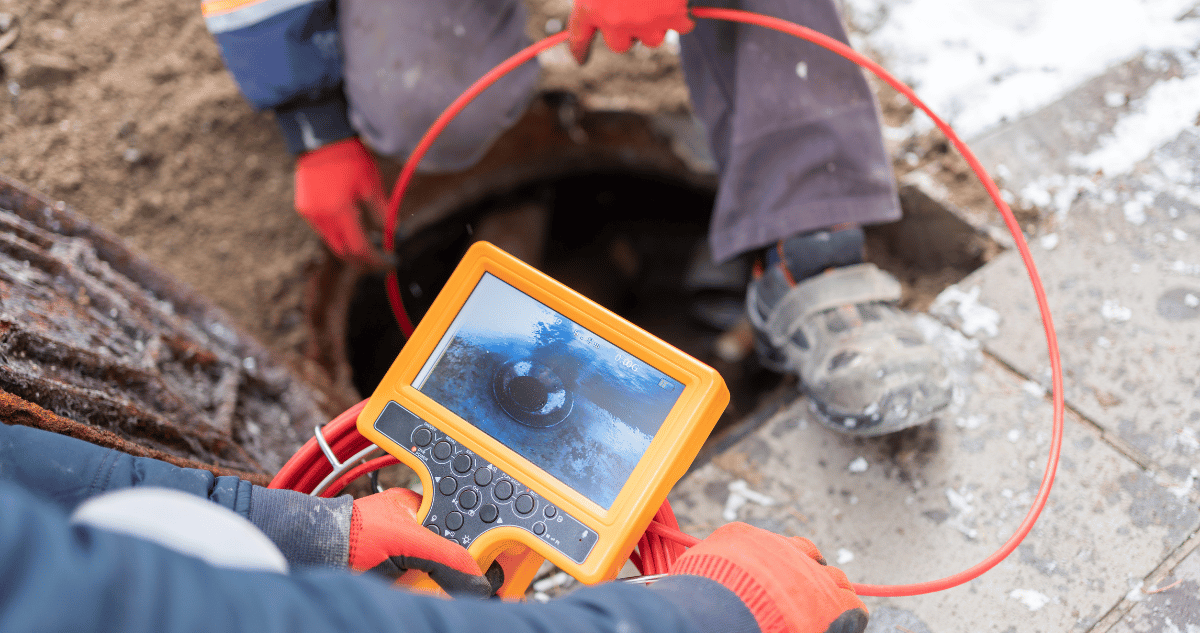
Professional help is different when the warning signs point underground. If a basement floor drain backs up in Magnolia, a toilet gurgles in Greenwood, or a small business in Fremont has recurring restroom clogs, the next step should be inspection. A sewer camera can show whether the line has roots, cracks, separated joints, a belly, or collapse.
Seattle conditions raise the stakes because many older properties have long side sewers, mature tree roots, wet soils, and tight access. The sooner you understand the condition of the line, the easier it is to plan the right next step.
Repeated Sewer Backups in Seattle?
If your Seattle home has repeated backups or sewer odors, do not keep guessing at the drain. Goldstar Plumbing can inspect the line and explain whether you are dealing with a clog, root intrusion, or a failing side sewer.
The most common causes of sewer line failure in Seattle are aging pipe materials, tree root intrusion, shifting soil, pipe bellies, heavy use, and delayed maintenance. In older neighborhoods, several of these issues often happen together.
1. Aging Clay Sewer Pipes
Clay pipes were common in older homes, but their joints can separate and their sections can crack. In Ballard, Wallingford, and Loyal Heights, older homes with original lines may be more likely to have root entry points.
2. Cast Iron Corrosion
Cast iron can become rough, scaled, and weakened over time. Once the interior surface catches debris, clogs happen more often.
3. Tree Root Intrusion
Seattle’s mature trees are part of the city’s character, but roots naturally seek moisture. In areas such as Phinney Ridge, Greenwood, and Magnolia, roots can enter small pipe openings and grow into dense blockages.
4. Ground Settling and Pipe Bellies
Wet soil, slope, and decades of movement can cause sections of pipe to dip. Wastewater slows in the low spot, which allows solids to collect.
5. Collapsed or Separated Pipe Sections
Older pipe can lose alignment or fail completely. When that happens, cleaning the line may only provide temporary relief.
6. Modern Water Use on Older Plumbing
Older sewer systems were not always built for today’s fixture loads, remodels, basement bathrooms, and frequent laundry use. A historic home may look updated inside while the buried sewer line is still decades old.
How to Prevent Sewer Problems in Older Seattle Neighborhoods
The best way to prevent sewer problems in older Seattle neighborhoods is to inspect the line before symptoms become emergencies, keep roots and grease under control, and pay attention to seasonal changes. Prevention is especially important when a home has mature trees, an older side sewer, or a history of recurring clogs.
Homeowners in Fremont, Wallingford, and Greenwood should be careful with what goes down drains. Avoid flushing wipes, paper towels, hygiene products, and grease, even if the packaging claims they are flushable. These materials can catch on rough cast iron, root masses, or uneven clay pipe joints.
Seasonal timing matters in Seattle. Wet months can reveal drainage and sewer problems because soil is saturated and groundwater is higher. If a basement drain smells bad after heavy rain, or a toilet gurgles when the washing machine drains, it is a good time to schedule an inspection.
DIY maintenance has limits. You can keep drains clear, avoid grease, and monitor symptoms, but you cannot see cracks, root intrusion, or collapse without proper equipment. A sewer camera inspection gives a clearer answer and helps avoid repeated temporary fixes.
Related Sewer and Drain Solutions in Seattle
Related sewer and drain solutions in Seattle usually start with finding the cause of the backup, then choosing the right service for the condition of the line. A simple clog may only need clearing, while root intrusion, collapse, or aging pipe damage may require a more complete sewer line repair plan.
If you are dealing with an active backup or recurring clog, start with Goldstar Plumbing’s clogged sewer line service:
If your home is older, recently purchased, or showing early warning signs, a plumbing inspection can help you understand the condition of the system before a larger failure occurs:
For broader drain and sewer needs, including slow drains, sewer concerns, and recurring backups, visit Goldstar Plumbing’s drain and sewer service page:
At Goldstar Plumbing, our plumbers in Seattle serve homeowners and small business owners with local sewer, drain, and emergency plumbing support. Our team understands the conditions that affect older homes in Ballard, Fremont, Phinney Ridge, Wallingford, Greenwood, Magnolia, Interbay, and nearby communities.
Frequently Asked Questions
How much does sewer line repair cost in Seattle?
Sewer line repair cost in Seattle depends on the cause, location, pipe depth, access, and whether the line is clogged, cracked, or collapsed. A camera inspection is the best first step because it shows whether the issue is a simple blockage or a damaged side sewer.
Why do older Seattle homes have sewer line problems?
Older Seattle homes often have sewer line problems because many still rely on aging clay or cast iron pipe. These materials can crack, corrode, shift, or allow roots inside, especially in neighborhoods with mature trees and wet soil.
Are Seattle homeowners responsible for side sewer repairs?
Seattle property owners are generally responsible for maintaining and repairing the private side sewer that connects the building to the public sewer main. That is why recurring clogs or backups should be inspected before the damage becomes more serious.
When is the best season to inspect a sewer line in Seattle?
The best time to inspect a sewer line in Seattle is before heavy seasonal problems appear, especially if the home is older or has mature trees nearby. Wet months can expose sewer and drainage issues, but inspections are useful any time symptoms repeat.
Can I fix a clogged sewer line myself?
You may be able to clear a minor fixture clog yourself, but a clogged sewer line is different. If multiple drains slow down, sewage backs up, or the clog returns, a professional inspection is safer and more reliable because the issue may be underground.
Protect Your Older Seattle Home From Sewer Line Failure
A sewer inspection can help you understand the risk before a backup damages your home or interrupts your business. Contact Goldstar Plumbing or call 425-300-9900 to book service.
Seattle’s reputation for rain is well-earned. With an average of 150 rainy days per year and approximately 38 inches of annual precipitation, the Pacific Northwest climate creates unique challenges for residential plumbing systems. Understanding how this consistent moisture affects your home’s plumbing infrastructure can help you identify potential problems before they become costly repairs.
The Relationship Between Heavy Rainfall and Home Plumbing
When significant rainfall occurs, water doesn’t just affect your roof and gutters—it interacts with your entire plumbing system in several ways. The excess water entering the ground, flowing across surfaces, and filling municipal systems can create pressure on various components of your home’s plumbing infrastructure.
Foundation Drainage and Perimeter Systems
One of the primary concerns during Seattle’s rainy season is foundation drainage. Homes built on sloped terrain or with basements are particularly susceptible to water infiltration.
Footing Drains: Most Seattle homes have footing drains (also called foundation drains) installed around the perimeter of the foundation. These systems collect groundwater and direct it away from the structure. During extended rainy periods, these drains can become overwhelmed, leading to:
Backup of water into basement floors
Increased hydrostatic pressure against foundation walls
Saturated soil that remains in contact with the foundation longer than intended
Signs of Foundation Drainage Issues:
Damp spots on basement floors or walls
Musty odors in below-grade spaces
Visible water seepage along the foundation perimeter
Cracks in foundation walls that worsen during wet months
Sump Pump Performance During Wet Seasons
For homes equipped with sump pumps, Seattle’s rainy season represents the most demanding operational period. Sump pumps remove water that accumulates in sump basins, typically located in basements or crawl spaces.
Increased Workload: During heavy rainfall, sump pumps may cycle on and off more frequently than during dry months. A pump that runs continuously or cycles excessively may indicate:
Inadequate pump capacity for the volume of water entering the basin
A malfunctioning float switch
Insufficient drainage away from the home, causing water to recirculate back to the foundation
Pump Failure Risks: The additional strain during wet months increases the likelihood of mechanical failure. Components such as motors, impellers, and check valves experience more wear during periods of heavy use.
Backup Power Considerations: Power outages during winter storms can render electric sump pumps inoperable at the exact time they’re needed most. This creates a vulnerability that many homeowners don’t discover until flooding occurs.
Storm Drain and Exterior Drainage Systems
Storm drains on your property serve a different function than your home’s wastewater system, but they’re equally important during rainy periods.
Debris Accumulation: Seattle’s abundant trees shed leaves, needles, and branches throughout the year. This organic material can clog storm drains, particularly during fall and winter when rainfall is heaviest. Blocked storm drains can cause:
Surface water pooling near the foundation
Water flowing toward the home instead of away from it
Erosion of soil around drainage pathways
Ice formation when temperatures drop (during Seattle’s occasional freezing weather)
Downspout Discharge: Gutter downspouts that discharge too close to the foundation contribute to drainage problems. During heavy rainfall, the volume of water from roof runoff can be substantial—a 1,000 square foot roof section can produce over 600 gallons of water from just one inch of rain.
Municipal Sewer System Interactions
Seattle’s combined and separated sewer systems respond differently to heavy rainfall, and these responses can affect your home’s plumbing.
Inflow and Infiltration: In some Seattle neighborhoods, older sewer systems experience inflow and infiltration (I&I) during heavy rainfall. This occurs when rainwater enters the sewer system through various pathways:
Cracked or damaged sewer pipes
Improperly connected downspouts or sump pumps
Deteriorated pipe joints
Manhole covers and clean-out access points
When excessive rainwater enters the sewer system, the increased volume can reduce the system’s capacity to handle wastewater from homes.
Backup Risks: In severe cases, overwhelmed sewer systems can result in backups into residential properties. While this is relatively uncommon in most Seattle neighborhoods due to infrastructure improvements, it remains a possibility during extreme rainfall events, particularly in areas with:
Older sewer infrastructure
Combined sewer and stormwater systems
Properties at lower elevations relative to the sewer main
Water Pressure Fluctuations
Heavy rainfall can occasionally affect water pressure in residential plumbing systems, though the mechanisms vary.
Increased Demand: During and after significant rainfall events, municipal water usage may increase as sump pumps, irrigation systems (in some cases), and other water-dependent systems operate more frequently. This increased demand can cause temporary pressure reductions.
System Stress: The additional water moving through various drainage and sewer systems during wet weather can affect pressure relationships within plumbing systems, particularly in homes with older fixtures or inadequate pressure regulation.
Crawl Space Moisture and Plumbing Vulnerabilities
Many Seattle homes have crawl spaces rather than full basements. These areas are particularly vulnerable during rainy seasons.
Standing Water: Inadequate crawl space drainage or vapor barriers can result in standing water during prolonged rainfall. This creates several plumbing-related concerns:
Corrosion of metal pipes and fittings
Deterioration of pipe insulation
Increased humidity that may affect indoor plumbing fixtures
Foundation movement that can stress water and drain lines
Drainage Pipe Integrity: Drain pipes running through crawl spaces may develop leaks that go unnoticed during dry months but become evident when increased water flow reveals the deficiency.
Preventative Maintenance for Rainy Season
Regular maintenance of plumbing-related systems can reduce the risk of weather-related failures.
Pre-Season Inspection: Before Seattle’s wettest months (typically November through March), homeowners should consider:
Testing sump pump operation and ensuring the discharge line is clear
Inspecting foundation drains and ensuring proper drainage away from the home
Clearing gutters, downspouts, and exterior drains of debris
Verifying that crawl space vapor barriers are intact and properly positioned
Checking for any visible signs of water intrusion from previous seasons
During Wet Weather: When heavy rainfall occurs, monitoring certain indicators can help identify developing problems:
Listening for unusual sounds from sump pumps (grinding, squealing, or continuous running)
Checking basement and crawl space areas for moisture
Observing drainage patterns around the home’s perimeter
Being aware of any changes in water pressure or drain performance
When Professional Assessment Is Warranted
Certain symptoms suggest that professional evaluation of your plumbing system may be necessary:
Recurring water in basements or crawl spaces despite having drainage systems
Sump pumps that cycle unusually frequently or fail to keep up with water accumulation
Sewer odors that appear or worsen during rainy weather
Slow drains throughout the home that coincide with heavy rainfall
Visible water backing up from floor drains, toilets, or other fixtures
Water stains on foundation walls that appear or expand during wet months
Conclusion
Seattle’s climate creates a demanding environment for residential plumbing systems. The consistent rainfall that characterizes the region places continuous stress on drainage systems, sump pumps, and the broader plumbing infrastructure. By understanding how these systems interact with Seattle’s weather patterns, homeowners can take proactive steps to maintain their plumbing systems and address issues before they escalate into more significant problems.
Regular inspection and maintenance of drainage-related components, combined with awareness of how your home responds to heavy rainfall, provides the best approach to managing the unique plumbing challenges presented by life in the Pacific Northwest.
Spring is a season of renewal, growth, and warmer weather. As flowers bloom and the snow melts, homeowners often turn their attention to cleaning and home maintenance. However, spring also brings a unique set of challenges to your plumbing system. The shift in temperature, increased rainfall, and natural ground movement can all affect your pipes, drains, and outdoor plumbing. Understanding what spring brings to your plumbing can help you prepare, prevent costly repairs, and keep your system running smoothly.
Sump Pump Activation and the Risk of Flooding
One of the most immediate concerns in spring is sump pump activation. With heavy spring rains, your basement may be at risk of flooding if your sump pump is not working correctly. The ground becomes saturated as snow melts and rain falls frequently, and that excess water needs a place to go. For homes with basements, sump pumps serve as the last line of defense against water intrusion.
Testing your sump pump early in the season is crucial. Simply pouring a bucket of water into the pit and making sure the pump activates can help you determine whether it is functioning properly. If the pump fails to start or is slow to remove water, that is a strong sign it may need cleaning, repairs, or even replacement. Since it is the most critical component to test during the spring season, overlooking your sump pump could result in extensive water damage and mold growth in your basement.
Pipe Expansion and Hidden Leaks
As the ground begins to thaw and temperatures rise, pipe expansion becomes another pressing concern. During winter, pipes often contract in the cold, especially those located underground or near external walls. When spring arrives, the warming temperatures cause these pipes to expand. This process of contraction and expansion can stress pipe joints and seals, which may already be weakened from the freeze-thaw cycle of winter.
The result can be newly formed leaks that were not evident during the colder months. These leaks might appear in hidden areas like crawl spaces, basements, or behind walls, making them hard to detect immediately. Homeowners should monitor their water bills closely in spring. A sudden spike in usage may indicate a leak somewhere in the system. Additionally, any signs of moisture, musty odors, or mildew indoors should be investigated, as they might stem from stressed plumbing connections.
Drain Clogging from Spring Cleaning and Runoff
Spring cleaning is not just about dusting and decluttering. It often involves washing winter grime, salt, and grit off vehicles, driveways, and even indoor floors. All this debris finds its way into your home’s drains, and if not handled carefully, it can lead to drain clogging. Floor drains, in particular, may become overwhelmed or blocked if too much sand or residue enters the system.
This kind of buildup can reduce water flow, cause slow drains, and even result in backflow if left unaddressed. Sink and shower drains also suffer during spring, especially when homeowners clean out garages and basements, sending large volumes of water and particles down the pipes. Taking the time to install drain screens and conducting a quick inspection of floor drains can help prevent larger problems. It is also wise to schedule a professional drain cleaning if you suspect persistent clogging issues.
Root Intrusion and Sewer Line Damage
Trees and plants come to life in the spring, sending out new roots in search of moisture and nutrients. While this growth is a welcome sign of the season, it can wreak havoc on your underground plumbing. Root intrusion becomes a serious concern during this time, as aggressive roots may seek out even the tiniest cracks or joints in your sewer lines.
Once inside the pipe, these roots can expand and create blockages, slowing down drainage or causing total backups. In severe cases, they can even lead to pipe collapse. Homeowners with older clay or cast iron sewer lines are especially vulnerable, as these materials are more likely to have gaps or imperfections. Warning signs include slow drains in multiple areas of the house, gurgling toilets, or unpleasant odors coming from the yard. A camera inspection from a plumbing professional can identify root intrusion early, helping avoid costly excavation later.
Outdoor Spigot Stress and Frozen Pipe Damage
When temperatures dip below freezing during winter, water left in outdoor faucets or hose bibbs can freeze, expand, and crack the pipes. However, this damage often goes unnoticed until spring, when homeowners turn the spigots back on for gardening, washing cars, or outdoor chores. This is where outdoor spigot stress becomes a hidden issue.
The first time you use your outdoor faucet in the spring, watch carefully for signs of leaks inside the wall or along the pipe leading to the spigot. Even a small crack can result in water damage behind siding or in the basement. It is good practice to inspect the faucet before and after use. If you see water dripping or pooling near the foundation, turn it off immediately and have a plumber evaluate the damage. Installing frost-free hose bibbs can also help prevent this problem in future seasons.
Increased Water Pressure and Municipal Effects
Another unexpected effect of spring is increased water pressure. As rainfall becomes more frequent and the soil becomes saturated, it can influence the performance of water mains and local plumbing infrastructure. In some cases, this may affect the water pressure in your home.
Excessively high pressure can stress your pipes and fixtures, leading to premature wear or even burst pipes. If your home has a pressure regulator, spring is a good time to check that it is functioning properly. A failing regulator may allow pressure to spike unexpectedly. Signs of high pressure include banging pipes, dripping faucets, or toilets that continue to run. Installing a water pressure gauge on an outdoor spigot can help you monitor the system and ensure it remains within a safe range, typically between 40 and 60 psi.
Gutter and Downspout Runoff Management
With spring showers and melting snow, managing gutter and downspout runoff becomes a priority. If downspouts are not correctly directing water away from your foundation, the soil surrounding your home can become oversaturated. This puts unnecessary pressure on your foundation walls and main waste line, increasing the risk of basement leaks and sewage backups.
Make sure your gutters are free of debris and that downspouts extend at least several feet away from the base of your home. Adding splash blocks or flexible extensions can help guide water toward areas where it can safely drain. This not only protects your foundation but also helps maintain the stability of your yard and landscaping. Poor drainage can contribute to erosion or settling, which may further damage buried pipes.
Water Heater Sediment and Efficiency Loss
During the colder months, your water heater works harder to supply warm water for showers, laundry, and dishwashing. This heavy use often leads to the buildup of mineral sediment at the bottom of the tank. As spring rolls in and the demand slightly decreases, it becomes the perfect time to perform maintenance on your unit.
Flushing the tank removes sediment that can interfere with heating efficiency and reduce the lifespan of the appliance. A noisy water heater, particularly one that makes popping or rumbling sounds, is a common sign that sediment has accumulated. Regular flushing not only improves energy efficiency but also helps reduce the chance of tank corrosion or leaks later in the year.
Conclusion
Spring is a season full of promise, but it also carries its own plumbing risks. From sump pump activation due to heavy rain to root intrusion and outdoor spigot stress, each aspect of your system faces different seasonal challenges. Pipe expansion, drain clogging, and increased water pressure are additional issues that homeowners often overlook until they become emergencies. Even routine tasks like cleaning gutters or flushing a water heater can make a significant difference in the health and longevity of your plumbing.
Being proactive about your plumbing maintenance in the spring helps you avoid bigger problems down the line. Keep an eye out for subtle warning signs, and don’t hesitate to consult a professional if something seems off. By addressing these seasonal concerns early, you ensure a smooth transition into the warmer months ahead, with fewer headaches and more peace of mind.
Tackling home repairs on your own can be a satisfying way to save money and gain a sense of accomplishment. Plumbing, however, is one of those areas where the do-it-yourself (DIY) route isn’t always the best or safest option. While tightening a faucet or replacing a showerhead is one thing, diving into more complex plumbing issues brings a host of risks and considerations. From legal requirements to the technical nature of the work, homeowners should carefully weigh their options before grabbing a wrench.
Understanding the Legal and Permit Implications
Before taking on plumbing repairs, it’s critical to understand the legal framework surrounding such work. In many regions, plumbing is not just a matter of practical knowledge; it’s regulated by local building codes. Permit requirements can vary widely depending on the type and scope of the work. For example, while minor fixes might not require oversight, major tasks like relocating gas lines, replacing water heaters, or altering the main sewer line typically demand a licensed professional.
Why is this important? Failing to comply with permit requirements can result in fines, failed inspections, and issues when trying to sell your home. Worse yet, if something goes wrong, your homeowner’s insurance may refuse to cover damages if it was determined that the work was unauthorized or performed without a qualified plumber. In short, doing your own plumbing might not just risk your pipes, it could risk your financial stability as well.
The Challenge of Lacking the Right Tools and Skills
Another major hurdle for DIY plumbers is the issue of equipment. Plumbing repairs often demand specialized tooling that goes far beyond the standard toolbox. Tools like high-end drain augers, pipe expanders, pex crimpers, or inspection cameras are costly and designed for professional use. Without them, even basic jobs like cutting and joining pipes or clearing a stubborn clog can become frustrating or impossible.
Some tasks also require a refined skill set, especially when it comes to working with copper piping. Soldering skills are essential for creating leak-proof joints, and using a propane torch comes with safety hazards that must not be underestimated. Incorrect soldering can lead to small, persistent leaks that may not be noticed until major damage has occurred. If you don’t already possess these abilities, learning them on the fly while water is leaking into your kitchen is not the best time.
DIY Risks and Potential Liability
There’s a reason why professional plumbers are in such demand: mistakes in plumbing can be costly. A small leak might initially appear insignificant, but it can quickly escalate into extensive water damage, mold growth, and even structural issues. This is where liability risk becomes a serious concern. Homeowners should know that insurance policies often contain clauses that deny coverage for damage caused by unlicensed work. So if your self-installed pipe bursts and floods your basement, you might be left footing the bill.
Water damage is notoriously difficult to remediate and can result in long-term health concerns, especially if mold takes hold. Even a minor oversight, like forgetting to properly tighten a fitting or using the wrong kind of tape on a thread, can result in slow leaks that go undetected for weeks. In plumbing, there is rarely such a thing as a small mistake. Every seal, joint, and angle needs to be perfect, or the consequences can be far-reaching.
The Hidden Complexities of Plumbing Systems
To the untrained eye, a leak under the sink might seem like a simple case of a loose pipe or worn washer. However, plumbing systems are interconnected in complex ways. A leak might actually be a symptom of a deeper issue such as high water pressure, backflow, or corrosion in the pipes. Without the right diagnostic experience, these root causes often go unnoticed. This diagnostic complexity is where DIY approaches frequently fall short.
Identifying and resolving these issues often requires more than just replacing a pipe. It involves analyzing the entire water system, from pressure regulators to pipe grading. Professionals are trained to notice signs that a DIYer might miss: subtle sounds, discoloration, or material fatigue. They also have access to diagnostic tools like infrared cameras and pressure gauges that help detect hidden problems. Guesswork in plumbing is dangerous and often expensive.
The Cost and Consequence of Poor Planning
Many homeowners choose DIY plumbing to save money. But when you add up the time spent researching, shopping for parts, fixing mistakes, and cleaning up, the savings may not be as significant as they hoped. There’s also the issue of shut-off accessibility. Before any plumbing task, it’s critical to know exactly where your main water shut-off valve is, whether it’s functional, and if you can access it quickly in an emergency. Not being prepared to shut off water in time is a common mistake that can lead to serious flooding.
Then there’s the question of time vs. cost. Is the time spent learning, prepping, and troubleshooting really worth it compared to hiring a professional who will do the job correctly and often provide a warranty on their work? Plumbers can usually complete in one hour what might take a homeowner an entire day. And if something goes wrong during or after the job, professionals are liable for the repair, not you.
Plumbing emergencies are also where DIY can be particularly hazardous. In a situation where a “quick fix” leads to a burst pipe or a backed-up sewer, immediate response is critical. If you’re not able to resolve the issue on your own, the delay in getting professional help could lead to thousands of dollars in damage. This is why having a trusted plumber in your contacts is essential. Emergency response is one of the biggest advantages of using a licensed professional.
Conclusion
There is a time and place for do-it-yourself projects, and for minor plumbing issues, a confident and prepared homeowner might be able to make a safe repair. However, once the work involves soldering, specialized tooling, or the potential for widespread water damage, the risks start to outweigh the rewards. Legal considerations, such as permit requirements, add another layer of complexity that can’t be ignored.
Furthermore, plumbing is rarely as simple as it seems. What looks like a straightforward leak may stem from a deeper problem, and without the right diagnostic approach, a temporary fix can hide a much larger issue. From the tools you don’t own to the liability risk you might be taking on, DIY plumbing should never be attempted without careful consideration and planning.
Ultimately, the best approach is to know your limits. Keep up with routine maintenance, understand your home’s shut-off systems, and learn to recognize the signs of a plumbing issue early. But when the job is big, complicated, or urgent, call a professional. Your home, your finances, and your peace of mind are all worth protecting.