

How to Know if a Sump Pump Float Switch Is Bad
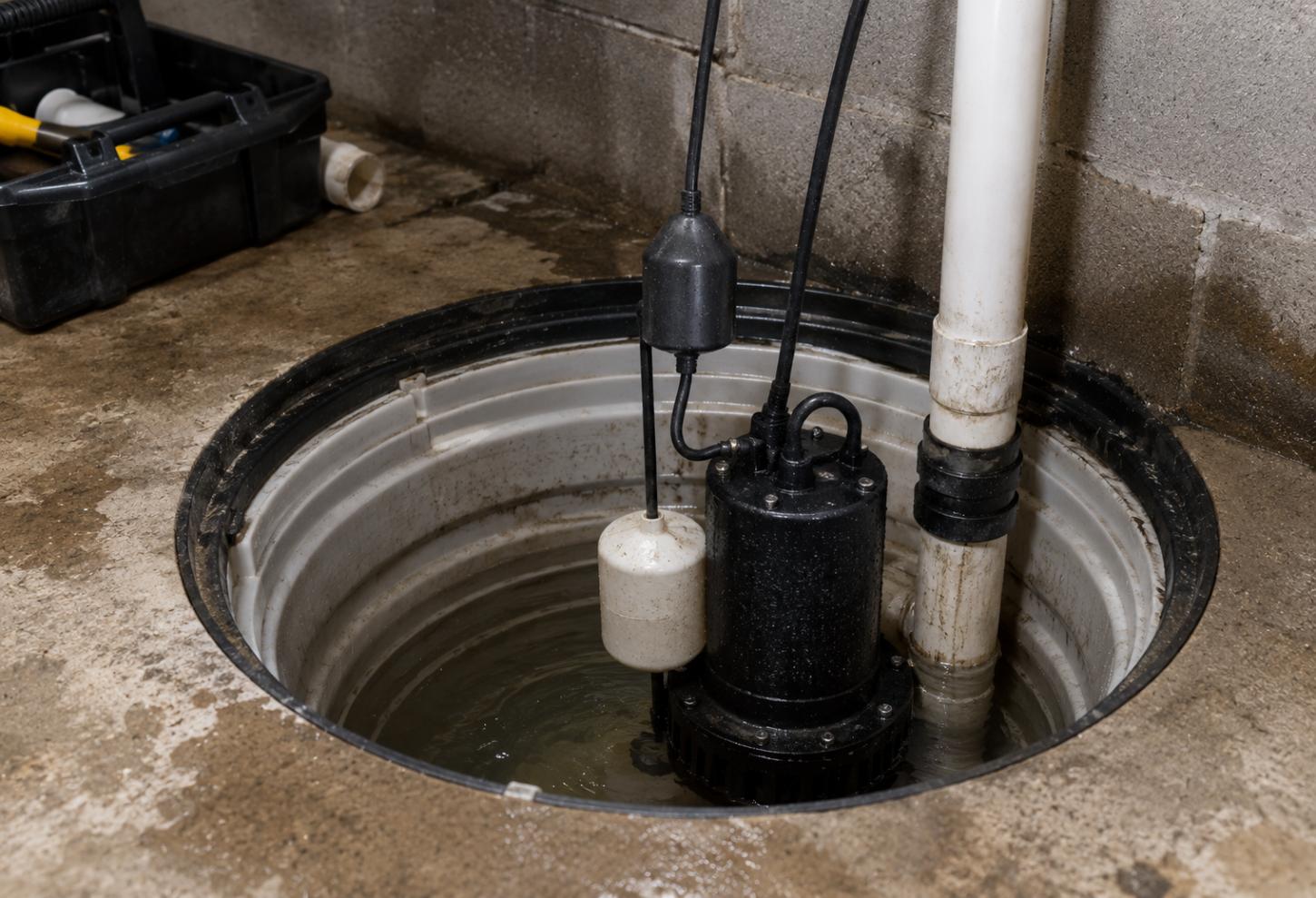
Heavy rainfall is a familiar part of life in the Pacific Northwest, and homeowners in Seattle know how quickly a basement or crawl space can take on water during the wet season. A reliable sump pump is one of the best defenses against water damage, but it depends on a small component that often gets overlooked: the float switch.
Quick Answer
A bad sump pump float switch often causes the pump to run continuously, fail to turn on when water rises, cycle on and off unexpectedly, or make unusual clicking sounds. If the float cannot move freely or the switch no longer responds to changing water levels, the sump pump cannot protect your home as intended. Identifying the warning signs early can help prevent costly water damage.
What Local Readers Should Know
-
Seattle’s long rainy season places extra demand on sump pumps, especially in homes with basements or crawl spaces.
-
Many homes in neighborhoods like Ballard, West Seattle, and Magnolia experience seasonal groundwater that increases sump pump use.
-
A stuck or failed float switch can allow water to overflow before the pump activates.
-
Regular testing before fall and winter storms helps reduce the chance of unexpected pump failure.
-
Older homes throughout King County often benefit from periodic sump pump inspections due to aging drainage systems.
Why This Matters Locally
A functioning sump pump is especially important for homes throughout Seattle because of the region’s frequent rainfall, saturated soils, and seasonal storms. Areas near Lake Washington, Green Lake, and low-lying neighborhoods may experience elevated groundwater that increases demand on sump systems.
Goldstar Plumbing helps homeowners throughout the area diagnose sump pump issues before they become expensive water damage problems. We understand the challenges local weather creates and know what to look for when sump pumps begin showing signs of wear.
Local Data and Field Observations
According to the National Weather Service, western Washington experiences prolonged periods of rainfall throughout much of the year. While not every property requires a sump pump, homes with below-grade spaces often rely on them during the wet season.
From our field experience, float switch issues are among the most common reasons a sump pump stops operating correctly. Many problems develop gradually, making routine testing an important part of home maintenance.
Local Impact
A faulty float switch can have serious consequences for Seattle homeowners. Water entering a basement or crawl space may damage flooring, drywall, stored belongings, insulation, and electrical systems. Moisture that remains trapped can also encourage mold growth and reduce indoor air quality.
Because storms often arrive in waves, discovering a failed float switch during heavy rain can leave little time to respond before flooding occurs.
Warning Signs of a Bad Sump Pump Float Switch
A failing float switch usually shows several warning signs before it stops working completely.
-
The pump does not turn on even when the pit fills with water.
-
The pump runs continuously after water has been removed.
-
The pump cycles on and off repeatedly in short bursts.
-
The float appears stuck against the side of the sump pit.
-
You hear clicking from the switch without the motor starting.
-
Water levels rise higher than normal before the pump activates.
-
The float feels damaged, cracked, or waterlogged.
-
The breaker trips when the pump attempts to start.
When to Call a Professional
You can safely perform basic inspections such as checking whether the float moves freely and testing the pump by slowly adding water to the pit. If the float sticks, the pump fails to respond, electrical issues are present, or flooding has already occurred, professional service is the safest option.
In Seattle, it is especially wise to schedule service before the rainy season begins rather than waiting until severe weather places maximum demand on the system.
Common Local Causes
Several conditions commonly contribute to float switch failure in the Seattle area.
1. Debris Buildup
Sediment, dirt, and small rocks can collect inside the sump pit, preventing the float from moving normally.
2. High Pump Usage
Frequent rainfall means many local sump pumps cycle far more often than systems in drier climates, leading to normal wear on the switch.
3. Improper Installation
If the float lacks enough clearance, it may become trapped against the basin wall or discharge pipe.
4. Aging Equipment
Many homes throughout neighborhoods such as Capitol Hill, Queen Anne, and Beacon Hill still operate older sump pump systems that may be nearing the end of their service life.
5. Electrical Wear
Years of repeated cycling can wear internal electrical contacts until the switch no longer activates reliably.
Prevention and Maintenance
Routine maintenance helps extend the life of both the sump pump and its float switch.
-
Test the pump several times each year by adding water to the basin.
-
Remove debris from the sump pit.
-
Make sure the float moves freely without obstruction.
-
Inspect discharge piping for clogs or freezing concerns during colder months.
-
Schedule professional inspections before the wet fall and winter seasons.
-
Replace worn components before they fail during heavy rain.
Expected Results
A properly functioning float switch allows the sump pump to activate consistently as water rises and shut off once normal levels return. If only the switch has failed, replacing it may restore reliable operation. If the pump itself has extensive wear, replacement may be the more practical long-term solution.
Common Mistakes
Mistake: Ignoring occasional pump failures because the weather is dry.
Consequence: The pump may fail completely during the next major storm.
Better Approach: Test the system before the rainy season begins.
Mistake: Manually forcing the float into position.
Consequence: This can damage the switch or create inaccurate operation.
Better Approach: Identify and remove the obstruction or have the system inspected.
Mistake: Waiting until water appears in the basement.
Consequence: Repairs become more expensive after flooding occurs.
Better Approach: Address warning signs as soon as they appear.
Common Local Scenario
A Seattle homeowner notices the sump pump has been running much longer than usual after several days of steady rain. Upon inspection, the float is wedged against the discharge pipe and cannot drop back into position. Correcting the obstruction and inspecting the switch restores normal operation before water damage occurs.
Related Service Solutions
Several plumbing services can help resolve sump pump problems.
-
Sump pump inspections
-
Float switch replacement
-
Complete sump pump replacement
-
Drainage system evaluation
-
Emergency plumbing services for flooding concerns
Comparing Your Options
| Option | Best For | Considerations |
|---|---|---|
| DIY Inspection | Checking for visible obstructions | Safe only for basic testing and cleaning |
| Float Switch Replacement | Pump motor is still in good condition | Requires proper compatibility and installation |
| Complete Pump Replacement | Older or unreliable systems | May improve long-term reliability |
| Professional Inspection | Uncertain diagnosis | Identifies both mechanical and electrical issues |
Service Areas
We proudly serve homeowners throughout Seattle as well as nearby communities including Bellevue, Shoreline, Burien, Renton, and other areas across King County. Local experience allows us to recommend solutions that fit the region’s weather and drainage conditions.
Cost of Ignoring the Issue
Ignoring a faulty float switch increases the likelihood of basement flooding, damaged belongings, mold growth, and more extensive plumbing repairs. Addressing the problem early is often much less expensive than repairing water damage after a major storm.
Frequently Asked Questions
How do I know if my sump pump float switch is bad in Seattle?
A bad float switch usually prevents the pump from turning on or causes it to run continuously. Because Seattle experiences frequent rainfall, testing your sump pump before the wet season is a smart preventive step.
Can I replace only the float switch?
Yes. If the pump motor and other components remain in good condition, replacing only the float switch may restore reliable operation.
Why does my sump pump keep running after the water is gone?
A continuously running pump often indicates a stuck float switch, debris preventing movement, or an electrical problem that requires inspection.
How often should Seattle homeowners test their sump pumps?
Testing the system at least twice a year is recommended, with additional checks before fall and winter storms when rainfall becomes more frequent.
Can debris cause float switch problems?
Yes. Dirt, gravel, and sediment can interfere with float movement and prevent the switch from activating properly.
Is a stuck float switch an emergency?
It can become one quickly. If the float prevents the pump from operating during heavy rain, flooding may occur before the problem is discovered.
Should older homes in King County have their sump pumps inspected?
Yes. Many older homes have aging drainage systems and sump pumps that benefit from periodic inspections to identify worn components before failure occurs.
Is professional maintenance worth it?
Yes. Professional inspections can identify worn switches, electrical concerns, and pump issues before they lead to unexpected water damage during periods of heavy rainfall.
Keep Your Sump Pump Ready for Seattle’s Rainy Season
A reliable sump pump starts with a properly working float switch. Recognizing early warning signs and performing regular maintenance can help protect your home from unnecessary water damage and costly repairs.
Protect Your Home Before the Next Storm
We’re here to help you keep your sump pump operating when you need it most. Contact us today to schedule a sump pump inspection or discuss your repair and replacement options.