

What If Your House Doesn’t Have a Main Shutoff Valve in Seattle?
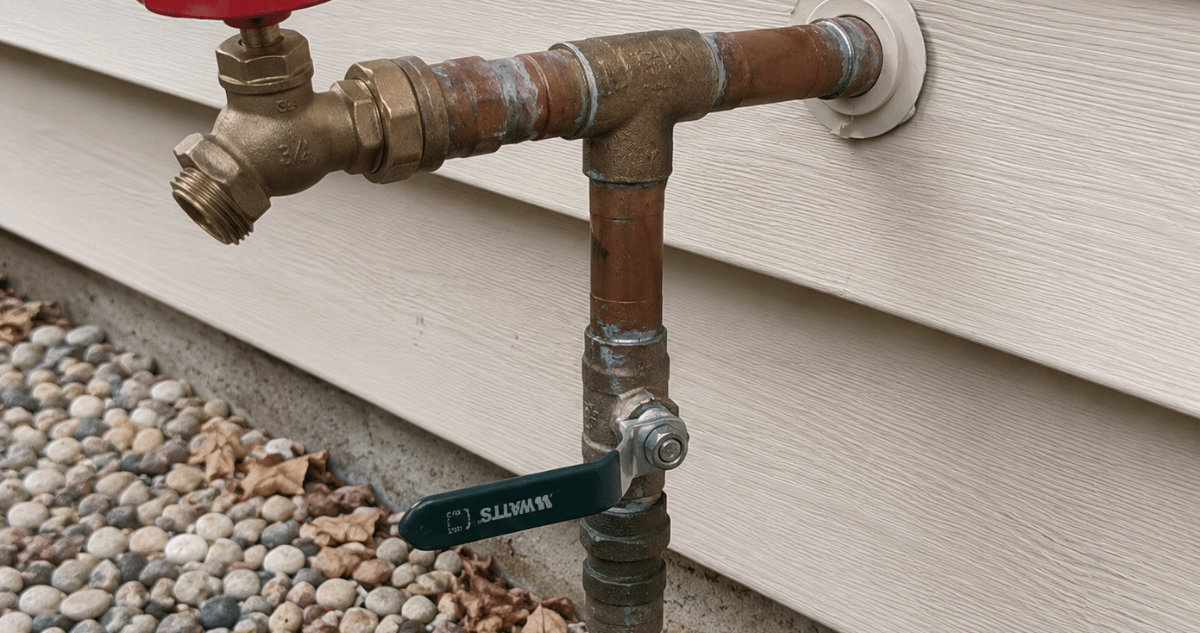
If a pipe suddenly bursts or a plumbing fixture fails, shutting off the water quickly can prevent thousands of dollars in damage. But what happens if your home doesn’t have a clearly accessible main shutoff valve? For many homeowners in Seattle, especially those living in older neighborhoods, this is a more common situation than they might expect.
Quick Answer
If your house doesn’t have an accessible main shutoff valve, you should have a licensed plumber inspect your plumbing system and determine the safest way to isolate your home’s water supply. In some cases, the valve may be buried, hidden, outdated, or located near the water meter. Older homes may also require a new shutoff valve installation to meet current plumbing needs and improve emergency preparedness.
What Local Readers Should Know
-
Many older homes in Seattle were built before modern plumbing standards made easily accessible shutoff valves common.
-
Seattle Public Utilities controls the water meter and utility-side shutoff, but homeowners are responsible for maintaining the home’s main shutoff valve.
-
Neighborhoods with older housing stock, such as Ballard, Capitol Hill, Queen Anne, and Wallingford, often have plumbing systems that have been modified over several decades.
-
A functioning shutoff valve allows water to be stopped immediately during emergencies, reducing the risk of structural damage and mold.
-
Regular plumbing inspections can identify missing, damaged, or inaccessible shutoff valves before they become an emergency.
Why This Matters Locally
A missing or inaccessible main shutoff valve matters because water damage can spread quickly in Seattle’s damp climate. Once moisture enters walls, crawl spaces, or flooring, it can take longer to dry than in drier regions. Many homes throughout King County also have finished basements, older piping, or additions that make plumbing layouts more complicated.
Goldstar Plumbing helps local homeowners understand how their plumbing systems are configured so emergencies become easier to manage. Once we’ve introduced ourselves, our focus is helping you make informed decisions about protecting your property.
Local Data and Field Observations
Professional field observations show that many homes built before the 1960s have plumbing configurations that differ significantly from newer construction. Renovations completed over several decades may relocate water lines, conceal shutoff valves behind finished walls, or leave outdated valves in place that no longer operate properly.
Seattle Public Utilities provides guidance regarding customer responsibilities for plumbing on the property owner’s side of the water meter, making it worthwhile for homeowners to understand exactly where their water can be shut off before an emergency occurs.
Local Impact
A plumbing emergency can affect far more than your pipes. Without a working main shutoff valve, homeowners may experience:
-
Increased water damage to flooring, drywall, and insulation.
-
Longer emergency response times while locating the utility shutoff.
-
Higher repair costs from prolonged water exposure.
-
Greater potential for mold growth due to the Pacific Northwest’s naturally humid conditions.
-
Disruption to daily household activities until repairs are completed.
Warning Signs Your Home May Not Have a Usable Main Shutoff Valve
Yes, there are several signs that suggest your home may lack an accessible or functioning main shutoff valve.
-
You cannot identify where your home’s water supply enters the building.
-
The valve is painted over, rusted, or difficult to turn.
-
Previous owners finished a basement or remodeled without providing access.
-
Water continues flowing after attempting to close the suspected valve.
-
The only accessible shutoff appears to be at individual fixtures.
-
Your home has never had a plumbing inspection focused on emergency shutoffs.
-
The property is several decades old and retains much of its original plumbing.
When to Call a Professional
You can safely locate visible plumbing components and familiarize yourself with your home’s layout. However, if you cannot confidently identify the main shutoff valve or the valve appears damaged, professional service is recommended.
A plumber can safely trace the incoming water line, verify whether the valve functions correctly, recommend replacement if necessary, and ensure the installation complies with current plumbing practices.
Common Local Causes
Several factors commonly explain why homeowners cannot locate a main shutoff valve.
1. Older Home Construction
Many homes throughout Fremont, Green Lake, and Magnolia were constructed long before today’s plumbing expectations.
2. Multiple Remodeling Projects
Kitchen additions, basement finishing, and bathroom renovations sometimes conceal plumbing behind new walls.
3. Corrosion and Age
Moist conditions over many years can cause older gate valves to seize or become unreliable.
4. Previous Plumbing Changes
Utility upgrades or interior renovations may have relocated plumbing without clearly marking the new shutoff location.
Prevention and Maintenance
Yes, preventive maintenance makes plumbing emergencies much easier to manage.
Homeowners should:
-
Locate the main shutoff valve before an emergency occurs.
-
Test the valve periodically if it is safe to do so.
-
Keep the area around the valve accessible.
-
Schedule inspections if the valve appears corroded or difficult to operate.
-
Replace aging valves before they fail rather than waiting for an emergency.
DIY efforts should stop if the valve will not move or appears damaged, as forcing it can create a leak.
Expected Results
Installing or replacing a properly functioning main shutoff valve gives homeowners greater control during plumbing emergencies. While it does not prevent leaks from occurring, it allows water to be stopped much more quickly, reducing potential property damage and making repairs safer and more efficient.
Common Mistakes
Mistake: Assuming every home has an accessible shutoff valve.
Consequence: Valuable time is lost during a plumbing emergency.
Better Approach: Verify the valve’s location before an emergency happens.
Mistake: Ignoring a valve that is difficult to turn.
Consequence: It may fail when you need it most.
Better Approach: Have it inspected and replaced if necessary.
Mistake: Relying only on fixture shutoff valves.
Consequence: Major pipe leaks continue flowing throughout the house.
Better Approach: Know where the whole-home shutoff is located.
Common Local Scenario
A homeowner discovers water leaking from a burst supply line behind a washing machine. They quickly shut off the fixture valve but realize water continues flowing through the damaged pipe. After searching unsuccessfully for the home’s main shutoff, they must wait for assistance while water continues causing damage. Identifying and maintaining the main shutoff beforehand could significantly reduce the extent of repairs.
Related Service Solutions
Several plumbing services can help prevent or resolve this issue.
-
Main water shutoff valve installation
-
Shutoff valve replacement
-
Whole-home plumbing inspections
-
Leak detection
-
Emergency plumbing repairs
-
Water line services
Comparing Your Options
| Option | Advantages | Considerations |
|---|---|---|
| Locate Existing Valve | Lowest cost if already functional | May still require maintenance |
| Replace Old Valve | Improved reliability and easier operation | Requires professional installation |
| Install New Accessible Valve | Simplifies future emergencies | Best for homes with outdated plumbing |
| Wait Until an Emergency | No immediate expense | Higher risk of extensive water damage |
Service Areas
We proudly serve homeowners throughout Seattle as well as nearby communities including Shoreline, Burien, Mercer Island, Bellevue, and other surrounding areas in King County. Understanding the unique plumbing characteristics of local homes helps us provide practical recommendations for each property.
Cost of Ignoring the Issue
Waiting to address a missing or nonfunctional shutoff valve can increase repair costs if a plumbing emergency occurs. Water damage often extends beyond visible surfaces, affecting framing, insulation, flooring, and other building materials. Acting before an emergency provides greater control and can reduce the overall impact of unexpected leaks.
Frequently Asked Questions
Does every home in Seattle have a main shutoff valve?
Yes, every home should have a way to stop the incoming water supply, but the valve may be hidden, outdated, difficult to access, or no longer functioning properly, particularly in older homes.
Where is the main shutoff valve usually located in Seattle homes?
The answer depends on the home’s age and plumbing layout. It is commonly found where the water service enters the home, near the water heater, in a basement, crawl space, utility room, or close to the water meter.
Can Seattle Public Utilities shut my water off during an emergency?
Yes, Seattle Public Utilities can control the utility-side shutoff, but homeowners remain responsible for plumbing on their side of the meter. Having an accessible main shutoff inside the home allows for much faster response.
Should I replace an old gate valve?
Yes, replacing an aging or difficult-to-operate valve can improve reliability. Many homeowners choose modern ball valves because they are generally easier to operate during emergencies.
Is replacing a main shutoff valve a DIY project?
No. Replacing the home’s primary water shutoff typically requires shutting off the water supply and working on the main service line. Professional installation helps ensure proper operation and compliance with applicable plumbing requirements.
How often should I check my main shutoff valve?
Checking the valve annually is a good practice. Verifying that it remains accessible and operational helps prevent surprises during an emergency.
Closing
Knowing whether your home has a working main shutoff valve is one of the simplest ways to prepare for an unexpected plumbing emergency. For homeowners throughout Seattle, especially those with older properties, taking time to identify and maintain this critical plumbing component can help reduce damage, simplify repairs, and provide peace of mind.
Make Sure You’re Ready Before the Next Plumbing Emergency
We’re here to help you locate, inspect, repair, or replace your home’s main shutoff valve so you’re prepared when it matters most.